

Antique Silver Bucket
An antique silver bucket brings utilitarian vessels of ice, wine and spirits into formal dining through enduring metalwork and glass.
Antique Silver Bucket
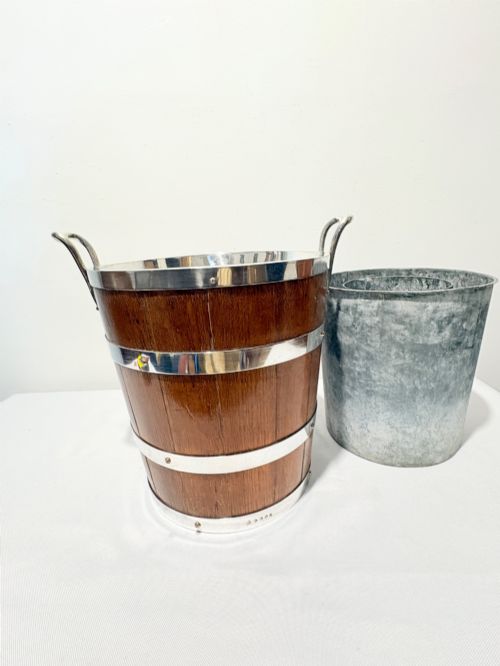
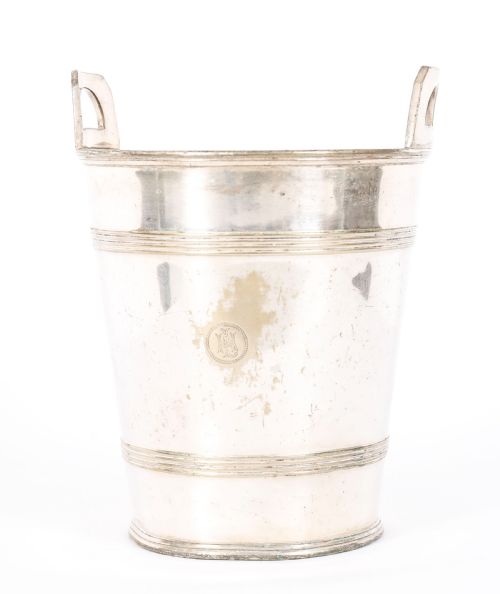
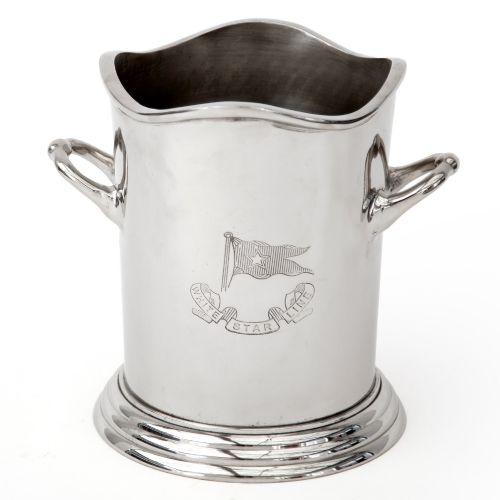
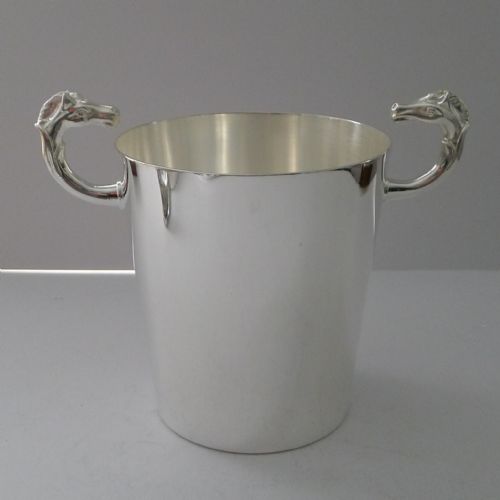
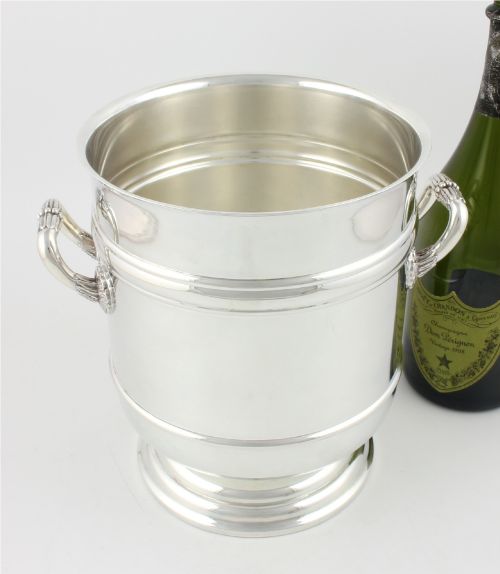
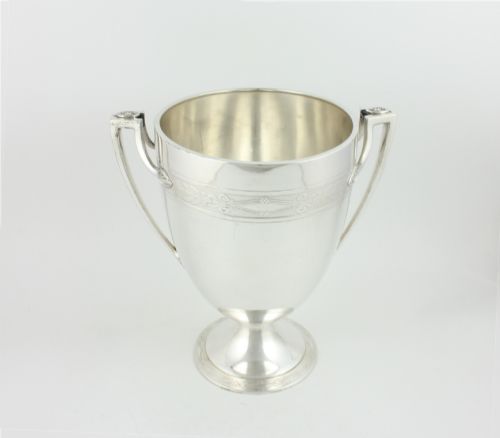
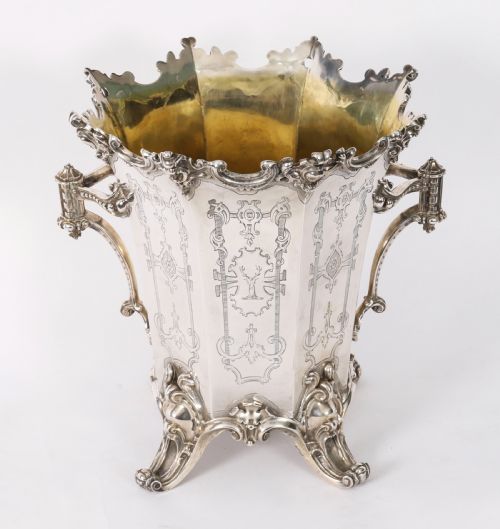
This search covers vessels designed to chill wine and champagne, hold ice, or serve as small domestic pails for sugar, cream and biscuits. An antique silver bucket encompasses grand multi-bottle coolers from the eighteenth and nineteenth centuries alongside compact ice pails from the Edwardian and Art Deco eras.
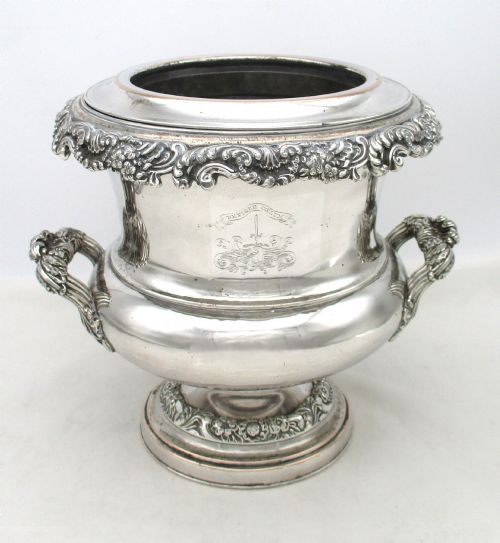
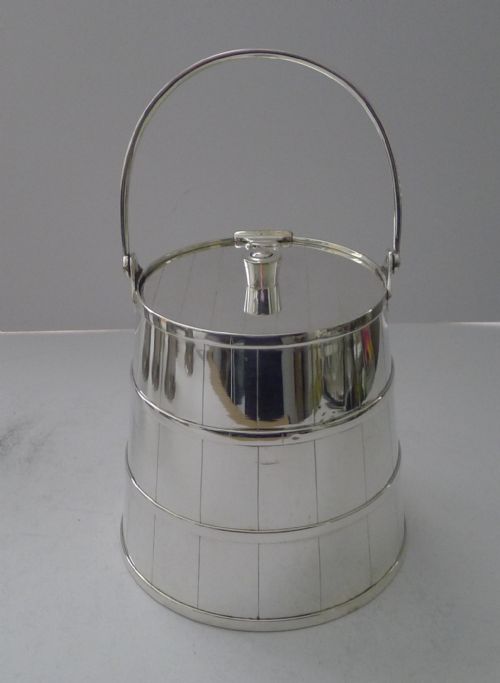
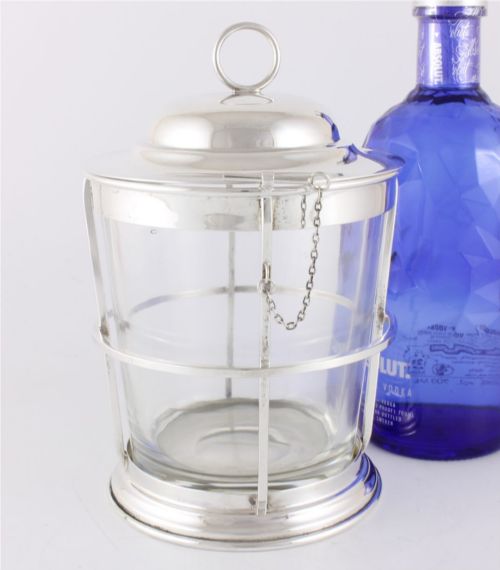
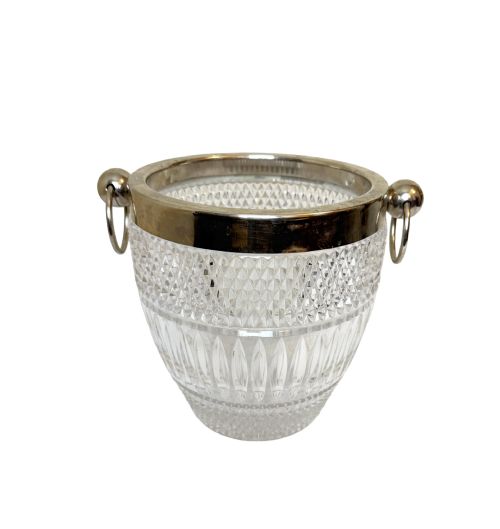
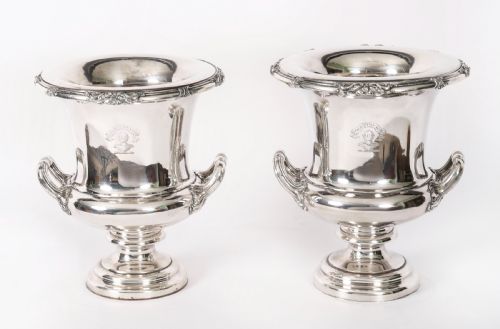
The versions most commonly met on this page are silver plated ice buckets and champagne coolers dating from the Victorian period through to the mid-twentieth century. These range from heavy Old Sheffield Plate examples to later electroplated vessels outfitted with cut glass and crystal liners.
Materials and manufacturing methods
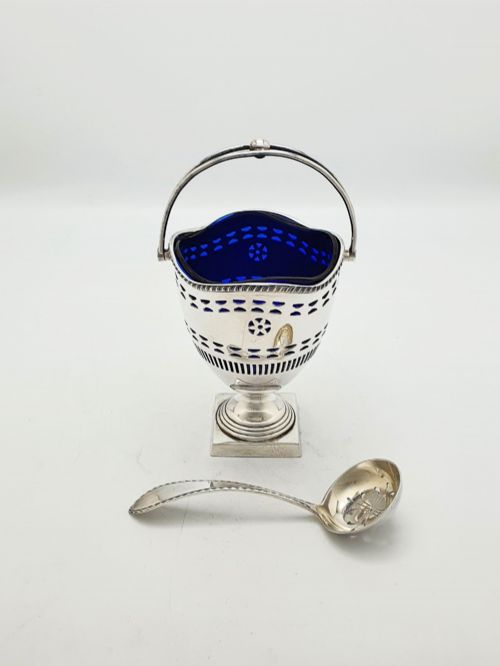
Makers constructed these pieces using sterling silver, solid copper fused with silver sheets known as Old Sheffield Plate, and standard silver plate over base metals. Many items combine these metallic bodies with blown, cut or frosted glass liners and cobalt glass inserts.
Techniques varied from early hand-hammered wirework and piercing used in Georgian cream pails to twentieth-century electroplating and structural casting. Makers applied applied borders, cast handles, and engraved coats of arms or crests to finish the outer walls.
A tiny silver thimble bucket and matching thimble wait quietly on this page to serve the miniature housekeeping needs of a very small guest.
Distinctions in craftsmanship and design
Quality rests in the weight of the metal, the crispness of chased or pierced ornament, and the integrity of the silver layer over the base copper or alloy. Superior pieces maintain thick silver plating that resists wear and retains deep, clear maker marks.
Design complexity also separates standard utility pieces from high-end examples, seen in weighted pedestals, fitted cut crystal inserts, and sculptural handles shaped as tendrils or dolphins.
Aldridge & Green·Christofle·Elkington, Mason & Co·Mappin & Webb·Puiforcat·Walker & Hall·WMF
The Antique Silver Bucket Glossary
- Old Sheffield Plate
- A fused composite material made by heating a sheet of silver to a copper ingot until metallurgically bonded, prominent in pieces dating around the eighteenth and early nineteenth centuries.
- Ice Pail
- A lidded or open bucket specifically proportioned for table service of ice cubes or crushed ice, frequently equipped with matching tongs.
- Wine Cooler
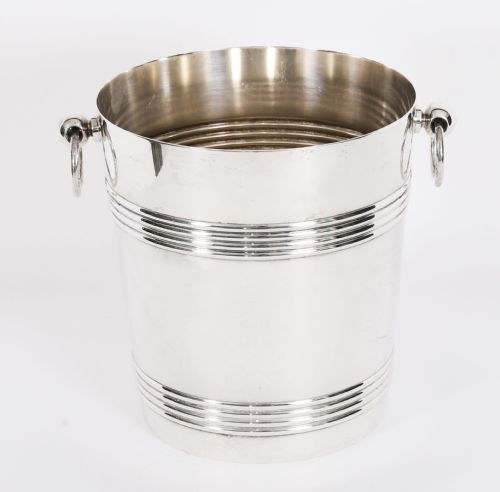
- A deep vessel designed to hold wine or champagne bottles alongside water and ice, often featuring twin side handles and substantial capacity.
- Silver Plate
- A thin layer of silver applied to a base metal such as copper, brass, or nickel silver, standard in barware production from the nineteenth century onward.
- Biscuit Barrel
- A covered ceramic, glass or wooden jar mounted in a silver plated frame with a handle, utilised for storing dry biscuits on the dining table.
Antique Silver Bucket: Frequently Asked Questions
What is the difference between a wine cooler and an ice bucket?
Wine coolers generally feature deeper proportions and wider circumferences designed to accommodate upright bottles of champagne or wine surrounded by ice. Ice buckets focus on holding ice cubes for serving drinks at the table and often include smaller swing handles and fitted glass liners.
Many listings combine these definitions because manufacturers produced versatile vessels that served both functions depending on the social occasion.
How do I identify Old Sheffield Plate?
Old Sheffield Plate is identified by observing the edges and undersides where the underlying copper layer shows through the thin silver skin as a faint reddish hue. This fusion technique was largely superseded by electroplating during the mid-nineteenth century.
Items utilising this method typically date from the late eighteenth century up to the 1830s and carry distinct weight and warmth compared to modern alloys.
Were these buckets used for anything other than wine?
Historical records and object titles show these forms served multiple domestic purposes beyond cooling wine and holding ice. Smaller examples functioned as cream pails, sugar baskets, biscuit barrels, and coal scuttles.
Larger versions accommodated champagne magnums, whilst miniature silver pails were produced as novelty pin cushions or spirit tot cups.
How should I clean silver plated buckets?
Silver plated items require gentle cleaning with dedicated silver polish and soft cloths to preserve the underlying metal plating. Abrasive cleaners strip away the thin layer of silver, particularly on older Old Sheffield Plate and electroplated pieces.
Removable glass liners can be washed separately in warm soapy water to protect the surrounding metal mounts from moisture damage.