

Sterling Silver Bird
A sterling silver bird brings miniature sculpture and practical utility to the desk, dressing table or display cabinet.
Sterling Silver Bird
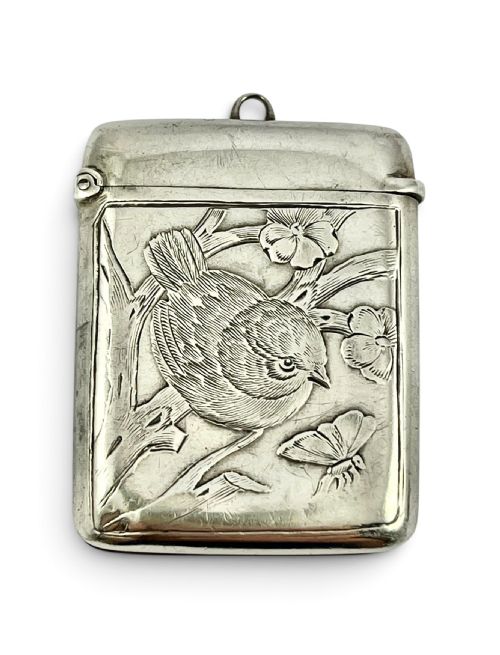
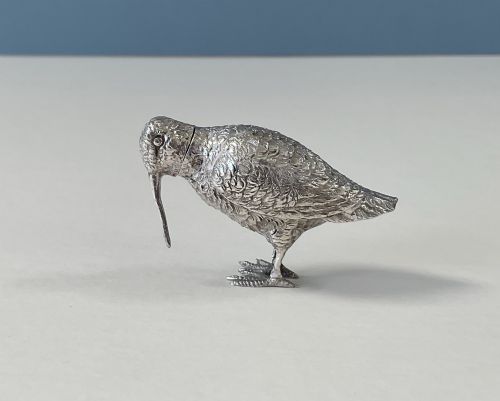
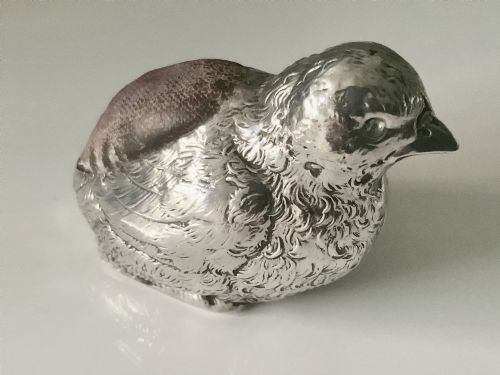
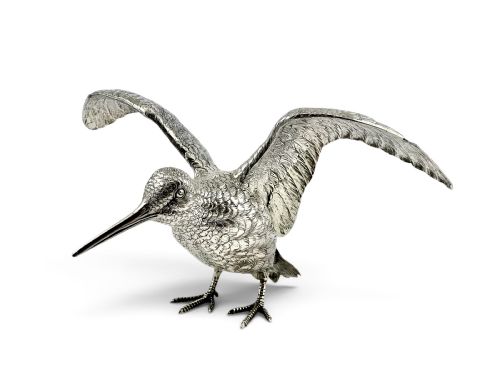
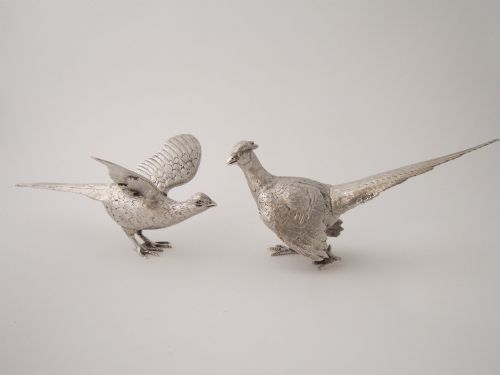
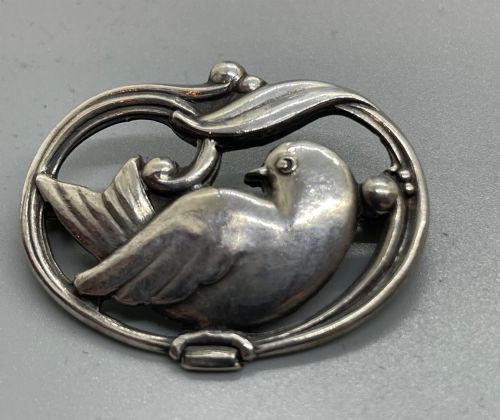
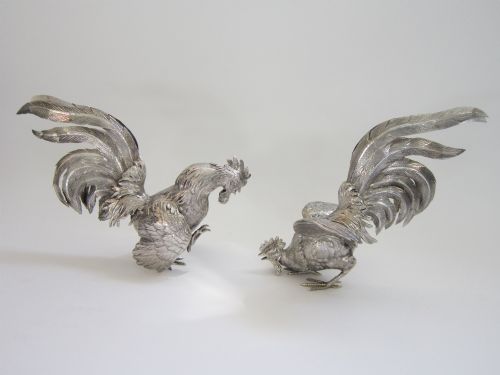
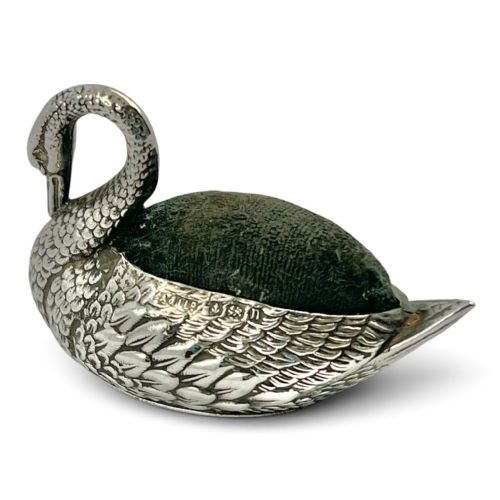
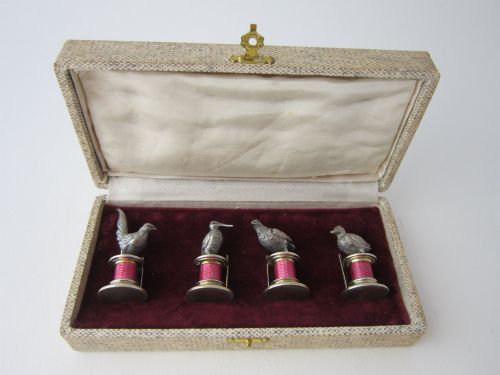
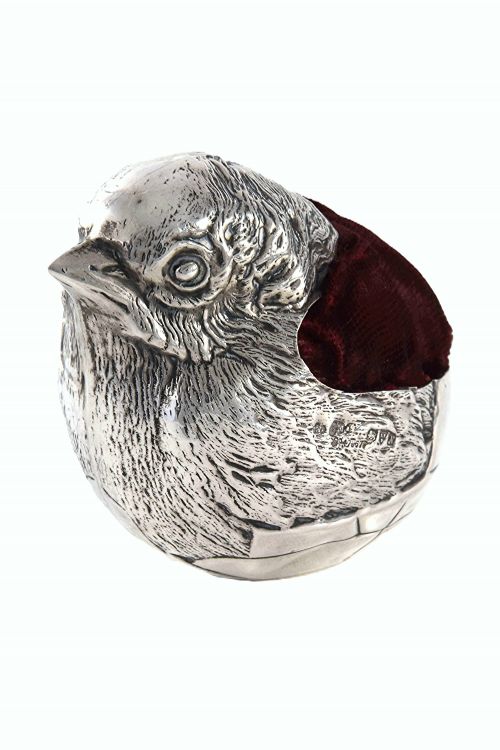
A sterling silver bird encompasses a varied group of objects including novelty pin cushions shaped as chicks, ducks and swans, alongside standing table models of pheasants, cockerels and woodcocks.
Makers produced these pieces across the Victorian, Edwardian and George V periods, extending into mid-century British and continental designs.
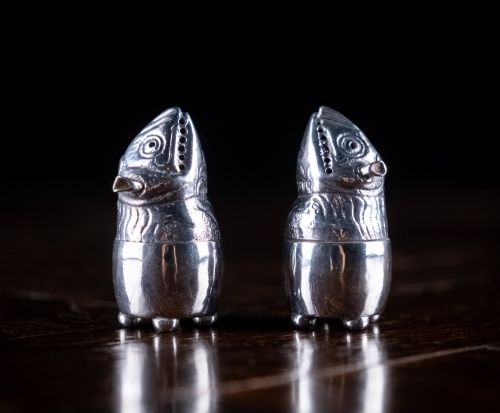
Function frequently accompanied form, with silver birds appearing as pepper pots, menu holders, salt cellars and desk accessories.
How they were made
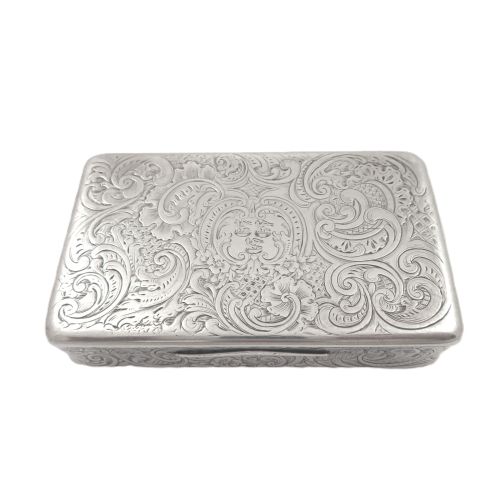
Silversmiths utilised casting and repoussé techniques to shape sterling silver into detailed anatomical forms, often adding chased feather work and engraved textures.
Many pin cushion variants incorporate silk, velvet or fabric inserts fitted securely inside the silver bodies of chicks and waterfowl.
Makers occasionally combined silver with enamel, glass, or gold details to highlight eyes, plumage and decorative borders.
Hatching chicks emerge with startled expressions from solid silver eggshells, ready to serve as desk seals or pin cushions.
What varies in quality
The degree of anatomical realism and fine detail in the feather chasing distinguishes standard production pieces from master-modelled novelties.
Original textiles inside pin cushions and the crispness of hallmarks struck across wings or bases indicate the preservation standard of the object.
Makers who incorporated articulated parts or complex stances added substantial craftsmanship to individual pieces.
Frederick Brasted·Berthold Muller·Sampson Mordan·Henry Stuart Brown·Boaz Moses
The Sterling Silver Bird Glossary
- Pin Cushion
- A small domestic object designed to hold sewing pins, frequently modelled as novelty birds during the Edwardian period. These items often feature original velvet or silk inserts.
- Repoussé
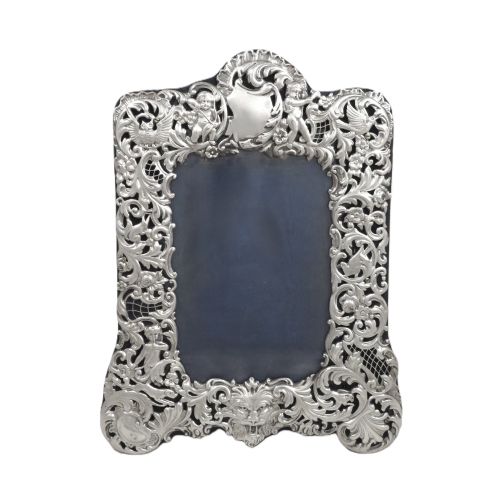
- A metalworking technique where the silversmith hammers metal from the reverse side to form raised decorative designs such as birds and foliage. This method appears frequently on bowls, trays and mirrors.
- Novelty Silver
- Functional or decorative items shaped into whimsical forms like animals, birds and figures. Makers registered numerous designs for these pieces during the late nineteenth and early twentieth centuries.
- Menu Holder
- A small weighted table ornament fitted with a clip to display dinner menus or place cards. Bird motifs such as grouse and pheasants commonly decorated these dining accessories.
- Hallmark
- Official marks stamped into precious metal indicating the assay office, standard of silver, and date letter. These stamps allow collectors to date pieces accurately.
Sterling Silver Bird: Frequently Asked Questions
What were silver birds used for?
Silver birds served both decorative and practical purposes in period homes. Many functioned as table ornaments, pepper pots, menu card holders, or desk accessories.
Smaller iterations, particularly chicks and waterfowl, housed velvet or silk pads to function as novelty pin cushions on dressing tables.
How do I identify the date of a silver bird?
Dating relies upon the hallmarks struck directly into the silver surface. Assay office marks, maker's marks, and annual date letters provide precise information regarding when and where an object was made.
Stylistic cues such as Edwardian naturalism or Victorian aesthetic movement decoration also help narrow the period.
Are the pin cushions original?
Many pieces retain their original silk, fabric, or velvet inserts inside the silver body. Over decades of use, some cushions experienced wear or replacement.
Examining the fit and material helps determine whether the textile matches the age of the silver housing.
What bird species appear most frequently?
Chicks, pheasants, swans, and woodcocks dominate the surviving inventory from the Victorian and Edwardian eras. Game birds often appeared in sets for dining tables as menu holders or salt cellars.
Owls, cockerels, and swallows also featured prominently on boxes, lockets, and desk wares.