



Silver Animal Statuette
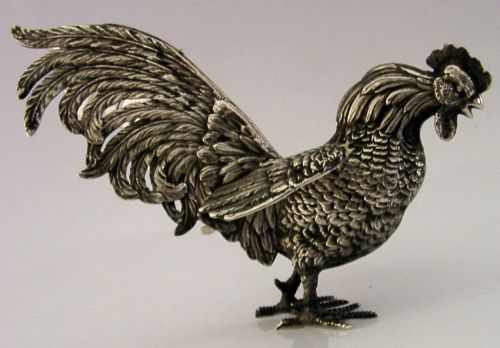
A silver animal statuette brings character to a desk or cabinet, spanning naturalistic birds and heavy predators cast in solid metal.
Silver Animal Statuette
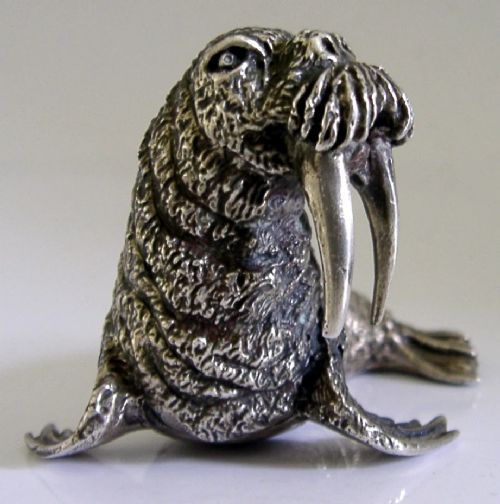
When you search for a silver animal statuette, you are looking at small sculptural figures depicting birds, foxes, walruses, lions, and panthers designed for display as table ornaments or paperweights. These pieces emerge from periods spanning the Victorian era through the Edwardian years and into the mid-twentieth century.
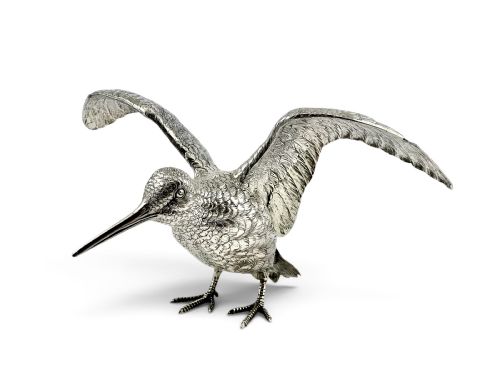
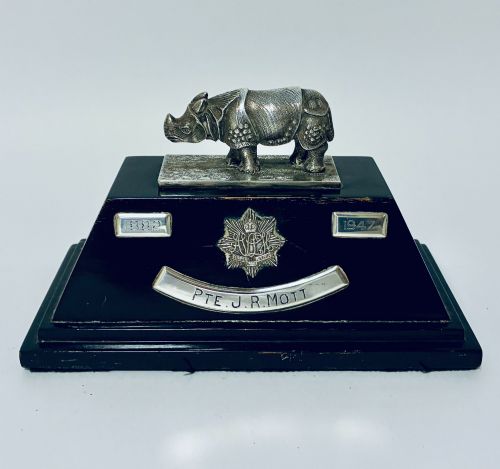
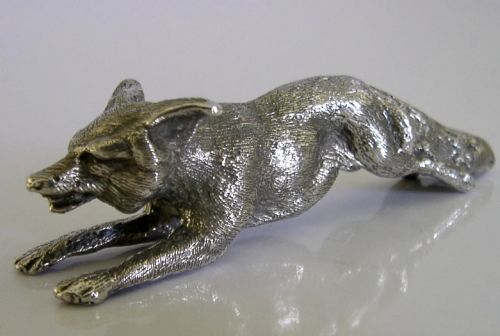
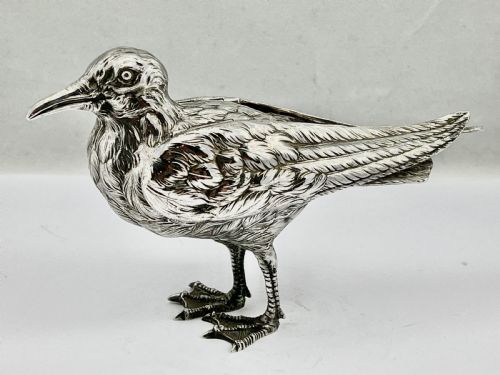
The versions you are most likely to meet on this page include solid sterling silver cockerels, running foxes, and wading birds alongside figures mounted on ebonised wood or marble bases. Makers and workshops across Britain, Europe, and India produced these objects as decorative items, presentation trophies, and desk accessories.
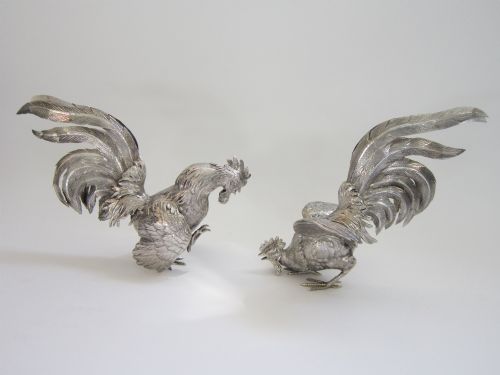
The selection ranges from detailed casting studies of individual creatures to heavy sculptural groups like fighting cockerels. Each object reflects the prevailing taste of its decade, shifting from late nineteenth-century naturalism to twentieth-century animalier and mid-century modernism.
How they were made
These items are produced using casting techniques in sterling silver, 833 silver, silvered bronze, and chrome plated metal. Molten metal flows into moulds to capture the fine textures of feathers, fur, and skin before finishers polish and detail the surfaces by hand.
Many figures are mounted upon contrasting plinths made of marble or ebonised wood to provide stability and visual weight. Hallmarks and stamps applied directly to the metal indicate the year of creation, the assay office, and the standard of silver used.
Materials across these listings include sterling silver, 833 silver, silvered bronze, marble, ebonised wood, and chrome plated metal.
What varies in quality
Quality also depends on the integration of the figure with its base, where properly fitted marble or ebonised wood plinths complement the sculpture. Maker marks and clear hallmarks contribute to the standing of an individual piece.
Berthold Muller·Michel Decoux
The Silver Animal Statuette Glossary
- Animalier
- A nineteenth-century artistic movement focused on the realistic depiction of animals in sculpture. Practitioners rendered beasts in motion or repose with careful attention to anatomy.
- Plinth
- A heavy base supporting a statue or figure. In these pieces, blocks of ebonised wood or marble elevate the animal study.
- Hallmark
- An official stamp applied to precious metals indicating purity, origin, and assay office. These marks help date silver animal statuettes accurately.
- Silvered bronze
- A base metal alloy coated with a thin layer of silver. This technique provides the visual appeal of silver at a different weight and cost.
- Presentation trophy
- An inscribed object awarded for achievement or competition. Some animal figures served this commemorative purpose.
Silver Animal Statuette: Frequently Asked Questions
What animals appear most often?
The selection includes foxes, cockerels, wading birds, walruses, lions, and panthers. Birds and hunting animals dominate the earlier Victorian and Edwardian periods.
Mid-century pieces introduce bolder feline and marine subjects cast in heavier gauges of silver.
How should I clean silver figures?
Dust these objects gently with a soft, dry cloth to prevent accumulation in fine crevices. Avoid harsh chemical dips that strip away natural patination and damage mounted wooden or marble bases.
Consult a specialist if a piece requires deeper conservation work.
Are these figures solid metal?
Many examples are cast in solid sterling silver or 833 silver, while others utilise silvered bronze or chrome plated metal over a base material. Weight varies significantly depending on the alloy and the thickness of the cast.
Listings specify the metal type and total gram weight where recorded.
How do I date a silver statuette?
Examine the object for hallmarks, maker marks, and stamps that indicate the year of assay and the city of origin. Stylistic cues such as the mount type and casting method also point toward Victorian, Edwardian, or mid-century manufacture.
Comparative study with marked pieces helps narrow down unmarked examples.