



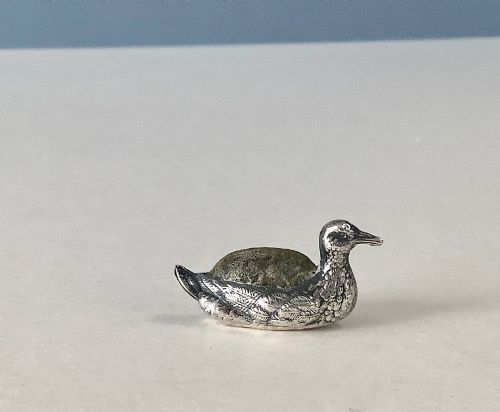

Victorian Silver Figurine
These Victorian silver figurine pieces bring character and utility to the desk and dressing table.
Victorian Silver Figurine
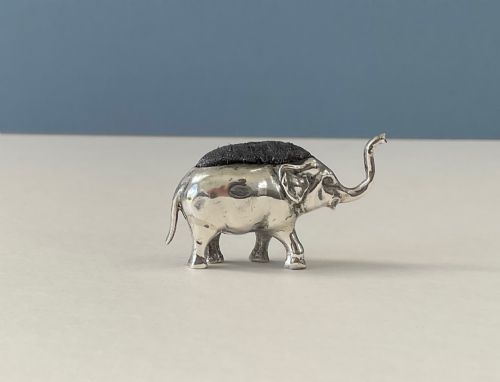
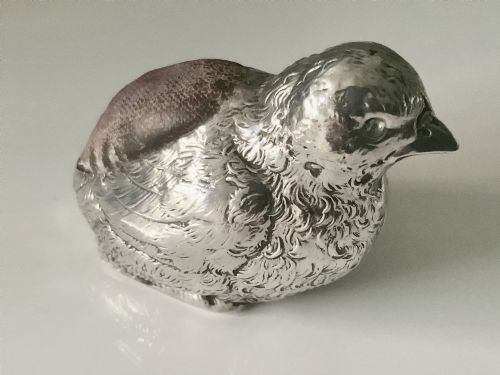
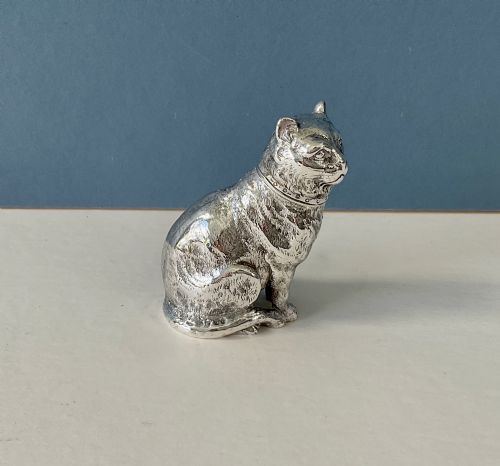
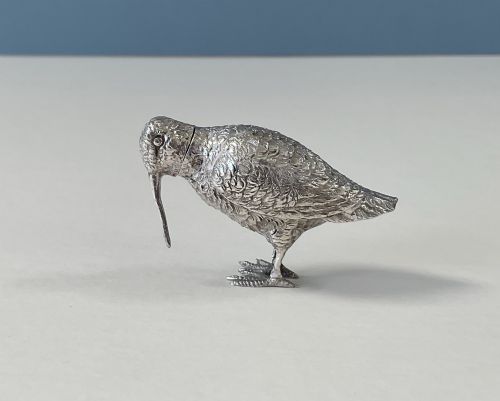
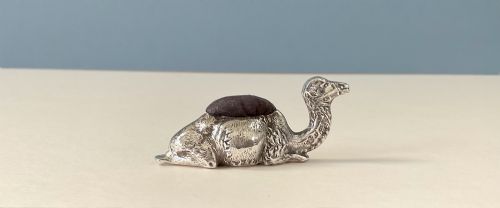
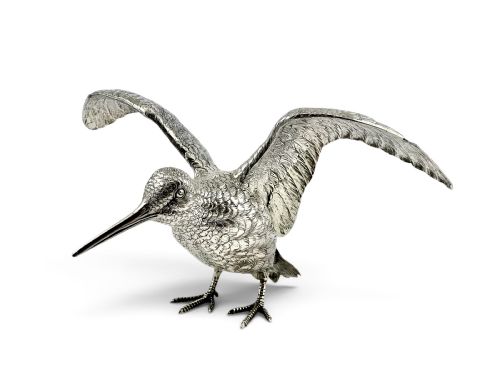
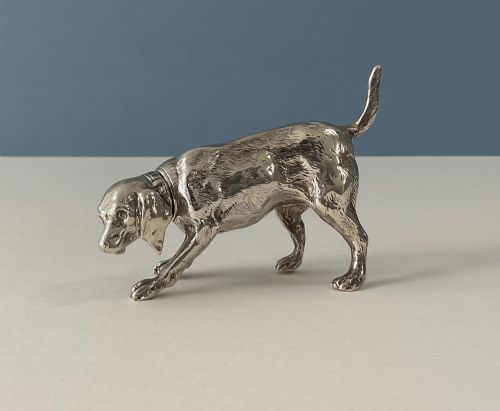
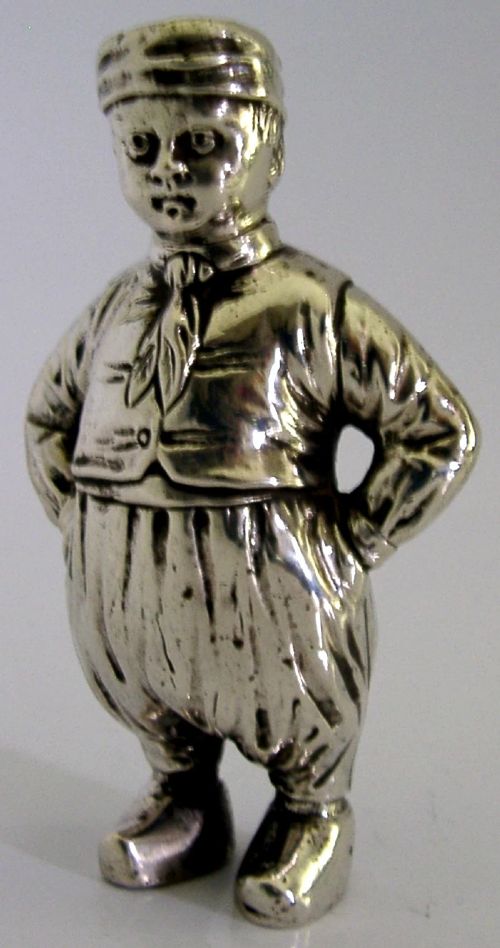
A victorian silver figurine takes the form of animals, birds, and occasional human subjects across desk accessories and tableware. These objects frequently double as practical items such as pin cushions, pepper pots, pill boxes, and desk seals.
The pieces on this page span the Victorian and Edwardian periods, stretching from the mid-nineteenth century into the early twentieth century. Animal subjects dominate the selection, ranging from domestic dogs and cats to wild birds and exotic beasts.
Makers utilised solid sterling silver, 800 silver, and silver plate, often combining the metal with velvet or fabric inside pin cushions and glass within decanters. Novelty designs remain the most common iteration encountered within this grouping.
Materials and construction methods
Silversmiths constructed these figures primarily using sterling silver and solid silver, alongside occasional silver plate and 800 silver. Casting and chasing techniques defined the surface detail on animals, birds, and figural pepper pots.
Pin cushions incorporated fitted velvet or fabric elements to secure pins safely within the silver framework. Glass bodies appeared on pieces such as decanters, topped with silver figural stoppers.
Victorian Silver Figurine Retail Price Guide 2026
Typical asking prices for victorian silver figurine among the pieces listed under this phrase on Sellingantiques today, from the lower quarter to the upper quarter. They describe what is for sale here now, not the wider market.
Victorian households enjoyed dining alongside silver birds and beasts that doubled as condiment containers.
Qualities that distinguish finer examples
Quality rests in the crispness of the chasing and the naturalism of the animal or human form. Finer pieces display distinct feather and fur texturing alongside secure, well-fitted hinges and stoppers.
Makers' marks and clear hallmarks contribute to the standing of a piece. The integration of functional elements, such as working mechanical parts or intact original velvet, elevates the standard of the item.
Edward and John Barnard·Thomas Johnson·Sampson Mordan and Co
The Victorian Silver Figurine Glossary
- Hallmark
- Official stamps applied to precious metals indicating purity, maker, and assay office. These marks help verify the period and origin of the silver.
- Novelty
- An object made in an amusing or unusual shape that serves a practical purpose. Many figural pepper pots and pin cushions fall into this category.
- Chasing
- A method of hammering metal from the front to create raised surface decoration. This technique brought out the texture of feathers and fur on animal figures.
- Assay
- The testing of precious metals to determine their purity. Assay offices stamped pieces to guarantee the standard of the silver used.
- Sterling silver
- A standard alloy consisting of ninety-two point five percent silver and seven point five percent other metals, usually copper. This alloy provided the necessary durability for detailed figural items.
Victorian Silver Figurine: Frequently Asked Questions
What were silver figurines used for?
These figural pieces generally served a practical function in the Victorian home. Many acted as cruets, pepper pots, pin cushions, pill boxes, or desk seals rather than pure ornaments.
Owners kept them on dining tables, desks, and dressing tables where their dual nature provided both utility and decorative amusement.
How do I identify a Victorian piece?
Identification relies on examining the hallmarks stamped into the metal, which often indicate the assay office and date letter. Stylistic traits such as naturalistic chasing also point towards Victorian and Edwardian manufacture.
Comparing the form to documented designs from makers helps confirm the likely decade of production.
How should I clean silver pin cushions?
Cleaning requires great care to avoid damaging the internal fabric or velvet components. A soft brush and gentle silver cloth applied strictly to the metal parts will preserve the finish.
Moisture must be kept away from the fabric inserts to prevent staining and deterioration of the internal padding.
Are animal figures common?
Animals form the vast majority of surviving examples, including birds, dogs, cats, and wild beasts. Novelty salt and pepper shakers frequently took the shape of domestic or exotic fauna.
These creature designs appealed greatly to Victorian collectors and practical household users alike.