





Silver Paperweight Figurine
These silver paperweight figurine examples sit on desks and tables, bringing heavy metal animals and vehicles within reach.
Silver Paperweight Figurine
A silver paperweight figurine serves as both a desk accessory and a decorative sculpture, anchoring loose papers while offering a tangible form. The pieces found here span from Victorian domestic output through Edwardian work and into mid-century animalier studies.
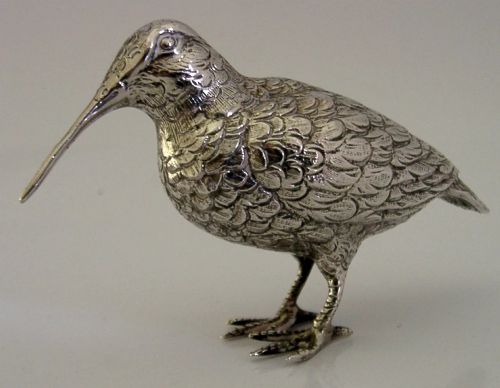
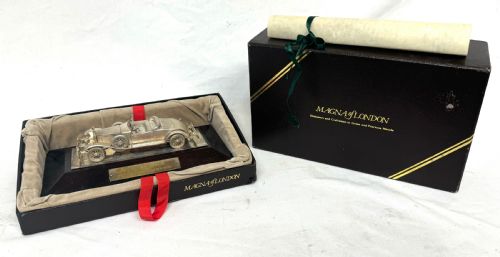
Makers shaped these items into naturalistic creatures and mechanical subjects, ranging from woodland birds to large marine animals and motor cars. Buyers most frequently encounter solid silver or silvered bronze versions mounted on wooden or marble bases.
The objects cross several categories, appearing as desk ornaments or dedicated decorative figurines from various European and British workshops. Dating ranges from the Victorian period up to the nineteen-sixties, capturing shifting tastes in desk decoration.
Materials and construction methods
Alternative materials provide heavier foundations or different surface textures, combining aluminium, silvered bronze, and solid metal. Many figures mount directly onto wooden plinths, ebony bases, or heavy marble slabs to add stability.
Silver Paperweight Figurine Retail Price Guide 2026
Typical asking prices for silver paperweight figurine among the pieces listed under this phrase on Sellingantiques today, from the lower quarter to the upper quarter. They describe what is for sale here now, not the wider market.
Listings feature periods spanning from the Victorian era through Edwardian times and into mid-century design.
Distinguishing quality across the range
The standard of a silver paperweight figurine depends heavily on the precision of the casting and the depth of the hand-finishing work. Superior examples display crisp anatomical detail in fur and feathers or accurate mechanical proportions in vehicles.
The integration between the metal figure and its base indicates the level of craftsmanship involved in the construction. Signed pieces from notable workshops or makers often exhibit finer detailing and heavier metal weight than unsigned workshop output.
Berthold Muller·Edward and John Barnard·Mario Bucellati
The Silver Paperweight Figurine Glossary
- Animalier
- A style focusing on the realistic depiction of animals, particularly prevalent in nineteenth and twentieth-century sculpture.
- Sterling silver
- A silver alloy containing ninety-two point five percent pure silver by mass, standard for quality British plate and figures.
- 830 silver
- A silver standard containing eighty-three point three percent pure silver, frequently encountered in continental European silverwork.
- Silvered bronze
- A bronze base metal coated with a thin layer of silver to give the appearance of solid silver metalwork.
- Desk ornament
- A decorative object designed primarily for placement on a writing surface rather than purely structural use.
Silver Paperweight Figurine: Frequently Asked Questions
What is a silver paperweight figurine used for?
These pieces serve a dual purpose as decorative sculptures and functional desk accessories designed to hold down paperwork. They sit on writing tables, ledges, and office desks.
Collectors often group them by animal species or subject matter to display alongside other desk ornaments.
How do I identify the period of a silver figurine?
Dating relies on stylistic markers, such as the streamlined geometric lines of Art Deco pieces or the ornate detail of Victorian work. Hallmarks, where present, offer official confirmation of the assay year.
Makers' marks and signatures etched into the metal also help place the object within its historical decade.
Are all these figures made of solid silver?
The selection includes various materials alongside solid sterling silver and 830 silver. Some items utilise silvered bronze or aluminium mounted on heavy stone and wood bases.
Each material affects the overall weight and tactile quality of the desk accessory.
How should I care for a silver desk ornament?
Regular dusting with a soft cloth helps maintain the polished metal surface without wearing down fine details. Avoid harsh chemical polishes that can strip away patination or damage attached wooden and marble bases.
Keeping the piece away from direct moisture protects any organic elements like ebony or marble plinths.