



Cast Sterling Silver Sculpture
Cast sterling silver sculpture comprises solid metal figures ranging from Victorian bird models to mid-century British animal studies, prized for display.
Cast Sterling Silver Sculpture
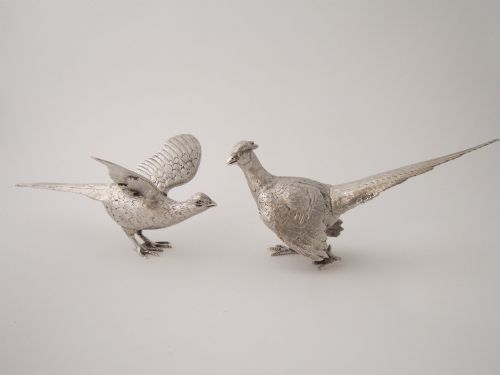
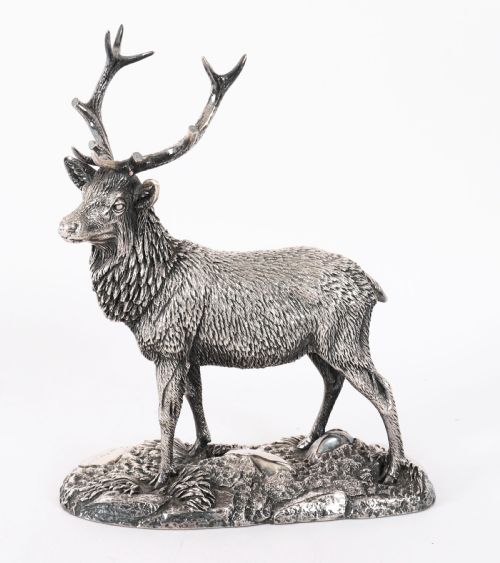
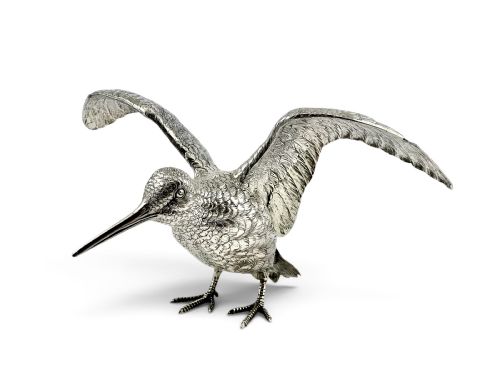
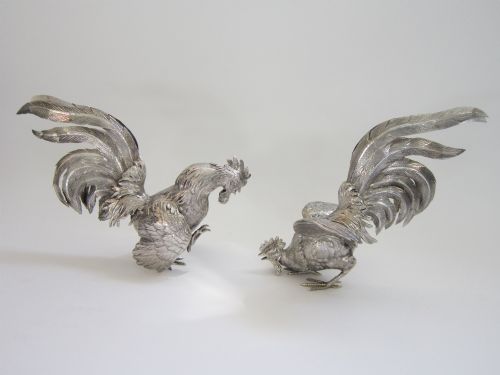
When you search for cast sterling silver sculpture, you encounter solid metal figures spanning from the Victorian era to later than nineteen sixty. The pieces on this page lean heavily towards animal subjects, including stags, walruses, woodcocks, pheasants, fighting cockerels, running foxes, birds, shepherd boys, squirrels, and horses.
Forms vary from practical decorative objects such as sugar boxes to pure table ornaments and standing figurines. You find both British makers and continental examples, executed across distinct periods from Victorian and Edwardian times through to mid-century modern designs.
Materials and manufacture
These works rely primarily on sterling silver, sometimes combined with wood elements as seen in specific table pieces. The manufacturing process uses traditional casting methods to achieve three-dimensional animal and figure forms in heavy, substantial gauges of metal.
Cast Sterling Silver Sculpture Retail Price Guide 2026
Typical asking prices for cast sterling silver sculpture among the pieces listed under this phrase on Sellingantiques today, from the lower quarter to the upper quarter. They describe what is for sale here now, not the wider market.
Several silver birds and cockerels are cast ready for a scrap, capturing mid-fight postures in solid metal.
Assessing quality and execution
Quality rests upon the naturalism and anatomical precision of the casting, where master modellers capture posture and movement with conviction. Finer examples show crisp detail in feathering, fur, and facial expressions without losing definition through over-polishing.
The reputation of the silversmith or maker heavily influences the standing of a piece, alongside clear, legible hallmarks that verify the silver standard and date of origin. Heavier gauge metal and careful finishing distinguish superior decorative objects from simpler production.
Tom Mackie·Berthold Muller·Edward John Barnard
The Cast Sterling Silver Sculpture Glossary
- Animalier
- A nineteenth-century artistic movement dedicated to the realistic portrayal of animals. This style informs many of the naturalistic figures and tabletop sculptures found in silver.
- Sterling silver
- An alloy comprising ninety-two point five percent silver and seven point five percent other metals, usually copper. This standard composition provides the durability required for detailed casting.
- Hallmark
- An official stamp applied to precious metals indicating the standard of purity, the assay office, and the date letter. These marks authenticate the silver and help date the object.
- Sugar box
- A specialised container for storing and presenting refined sugar on the dining table. In silver, these vessels often take decorative figural or sculptural forms.
Cast Sterling Silver Sculpture: Frequently Asked Questions
What periods do these silver sculptures cover?
The pieces span from the Victorian and Edwardian eras through the nineteen fifties and sixties. You encounter Victorian animalier studies alongside mid-century British works.
Each period brings distinct stylistic approaches to depicting animals and figures in solid silver.
How were these silver figures used originally?
Many served as decorative table ornaments placed on dining tables or sideboards in grand homes. Others functioned as specialised containers, such as figural sugar boxes.
Today, collectors primarily display them as cabinet pieces or sculptural objects of art.
What animals are commonly depicted in these sculptures?
Common subjects include British wildlife and farm animals such as stags, foxes, pheasants, woodcocks, squirrels, and fighting cockerels. Marine creatures like walruses also appear among the selections.
Each animal is rendered with attention to the textures of fur, feather, or skin.
How do I identify the maker of a silver sculpture?
Makers' marks and sponsor's marks are stamped directly into the silver alongside the standard assay office hallmarks. These small punch marks identify the silversmith or workshop responsible for the piece.
Reference books on silver marks help match these stamps to historical makers.