



Silver Bird Ornament
A silver bird ornament brings feathered life to a desk or table, crafted in metal and glass across several centuries.
Silver Bird Ornament
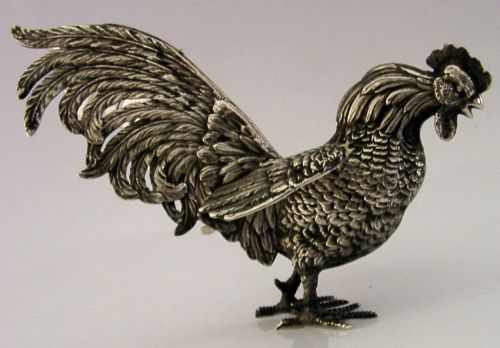
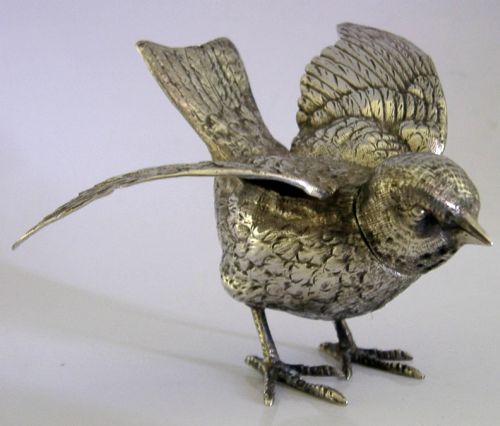
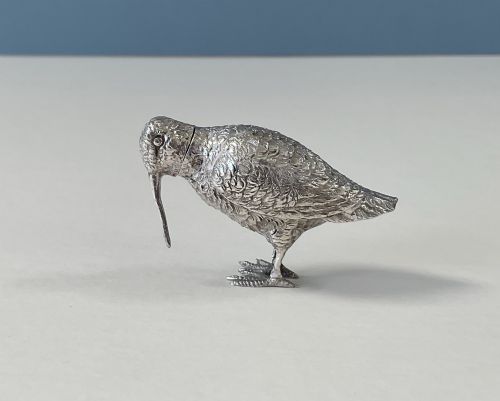
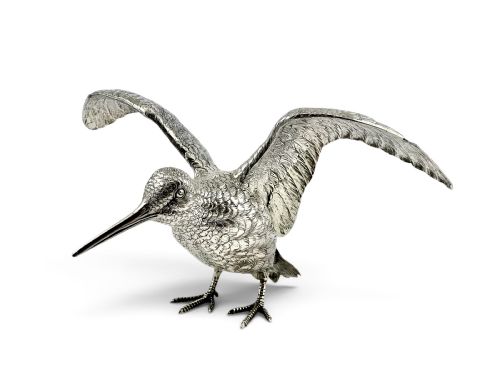
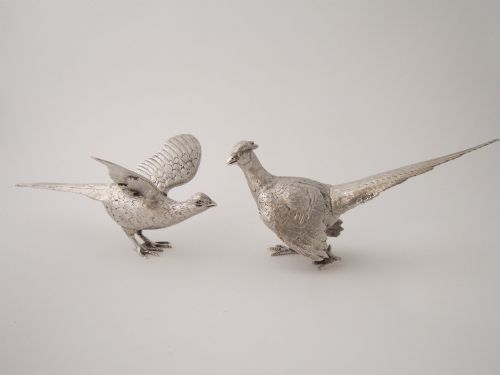
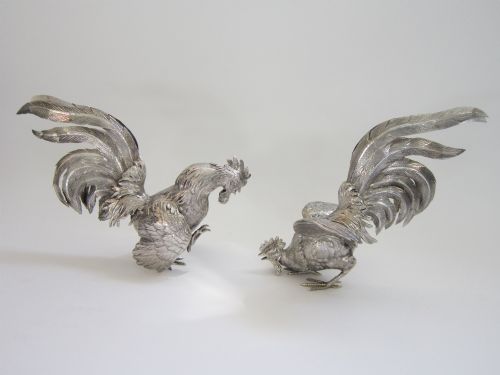
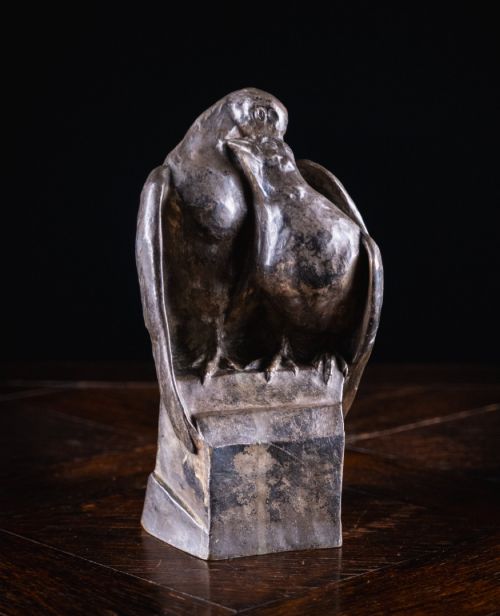
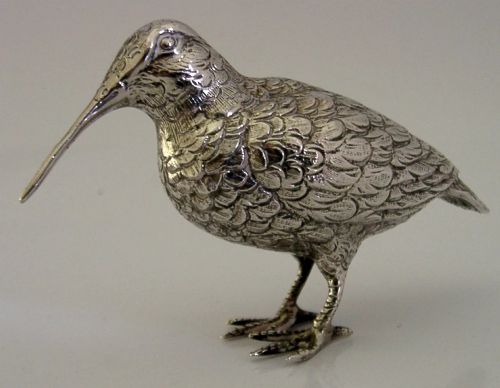
A silver bird ornament encompasses table ornaments, decorative sculptures, desk accessories, and animal figures shaped as game birds, songbirds, and poultry. The selection includes domestic fowl such as cockerels and chickens alongside wild game like pheasants, woodcocks, grouse, and snipe.
Buyers most frequently encounter standing figures, pepper pots, pill boxes, and ink-related accessories dating from the Victorian and Edwardian eras through to the mid-twentieth century. Continental European workshops and British makers both contributed significantly to this body of work, producing everything from miniature pin cushions to life-size sculptures.
Materials and construction methods
Makers utilised solid silver, sterling silver, silver plate, white metal, 833 silver, nickel bronze, and glass to shape these creatures. Cast and worked metal forms dominate the record, often paired with natural media such as sea shells in sculptural compositions.
Object forms range from functional pepper pots and pill boxes to standing table sculptures and desk clips.
Assessing quality in avian metalwork
The weight of the metal and the integrity of any mechanical parts, such as hinged wings or boxes, distinguish finer workshop output from simpler cast novelties. Maker marks and clear silver grade stamps provide further indication of origin and standard.
Frederique Cederlund-Ozanne·Berthold Muller·Boaz Moses·Calderoni Gioielli·Gabriella Binazzi
The Silver Bird Ornament Glossary
- Sterling silver
- A silver alloy containing 92.5 percent pure silver by mass, with the remainder usually copper. This standard appears frequently across British and international pieces.
- Chasing
- A goldsmithing technique where metal is worked from the front with hammers and punches to sink the surface and map out feather details.
- Hanau
- A German town historically renowned for producing silver novelties and animal figures often exported to the British market.
- Pen wipe
- A desk accessory featuring absorbent materials, sometimes fashioned as a bird, used to clean steel dip pens.
- Pin cushion
- A small domestic item designed to hold sewing pins, frequently encountered in the shape of a duck or wading bird during the Edwardian period.
Silver Bird Ornament: Frequently Asked Questions
How were silver bird ornaments used?
Many served as purely decorative table sculptures, mantel ornaments, or paperweights in Victorian and Edwardian interiors.
Others performed specific domestic duties, functioning as pepper pots on dining tables, desk clips, pin cushions, or hidden pill boxes.
What birds are most commonly depicted?
Game birds feature heavily, with numerous examples of pheasants, woodcocks, grouse, and snipe reflecting nineteenth and twentieth-century shooting pursuits.
Domestic and farmyard poultry, including cockerels, chickens, owls, and ducks, also appear regularly across different European and British periods.
How do I care for silver bird ornaments?
Gentle dusting with a soft, dry cloth preserves the metal surface without wearing down fine feather engravings or chased details.
Harsh chemical dips should be avoided, particularly on plated items or pieces combining silver with delicate natural materials like sea shell.
How can I tell the period?
Stylistic shifts offer key clues, moving from ornate late Victorian realism to Edwardian novelty items and mid-century European designs.
Assay marks, hallmarks, and stamped metal grades such as sterling or numerical standards help pin down the decade and country of origin.