

Antique Silver Miniature
These antique silver miniature pieces offer collectors remarkable detail in miniature, spanning playful toys and precise furnishings from English, Dutch and continental workshops.
Understanding antique silver miniature
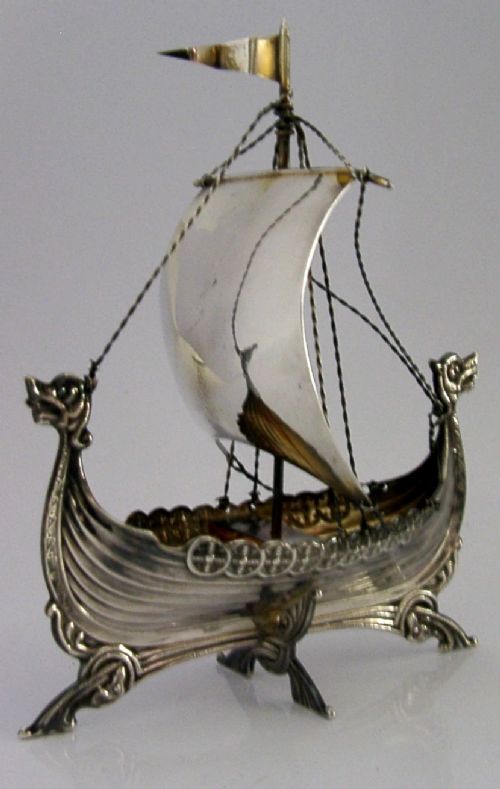
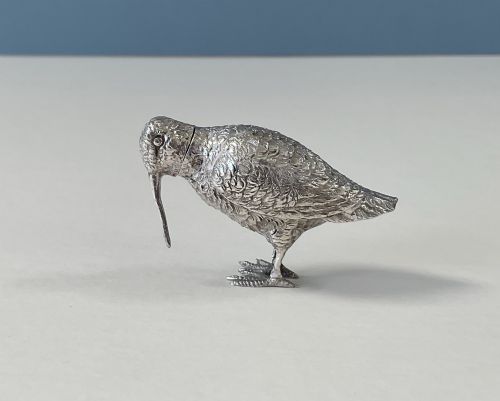
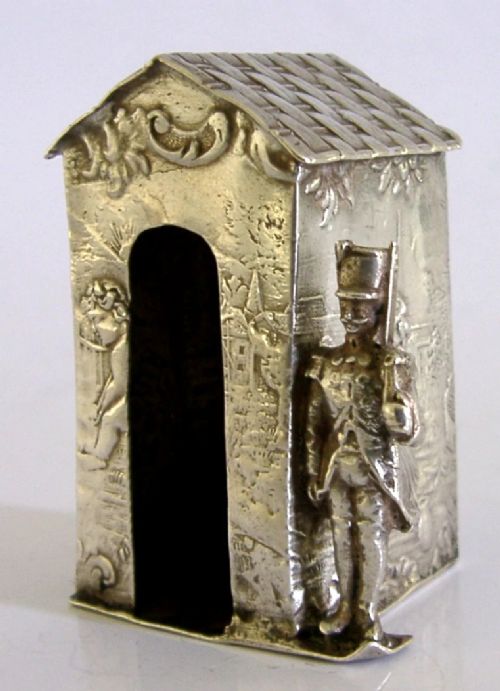
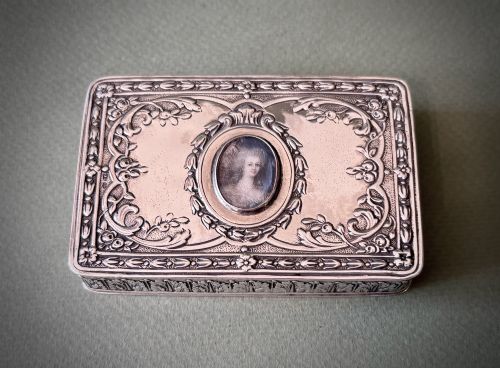
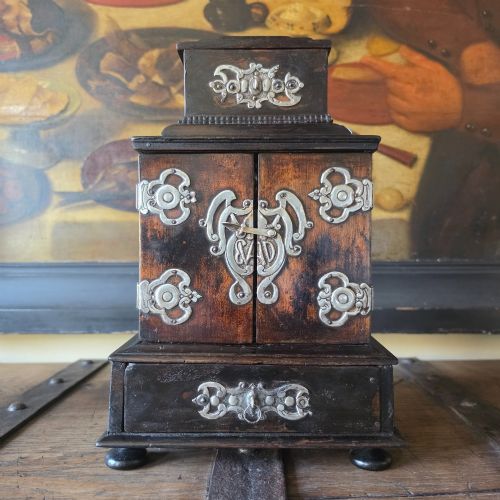
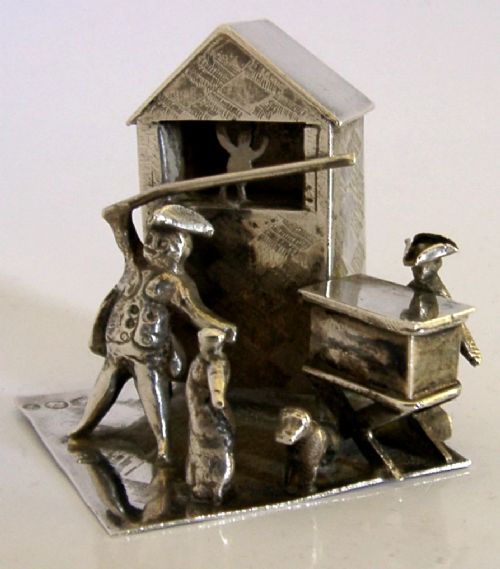
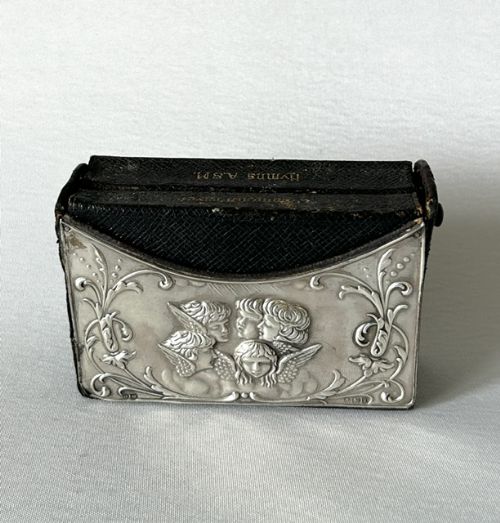
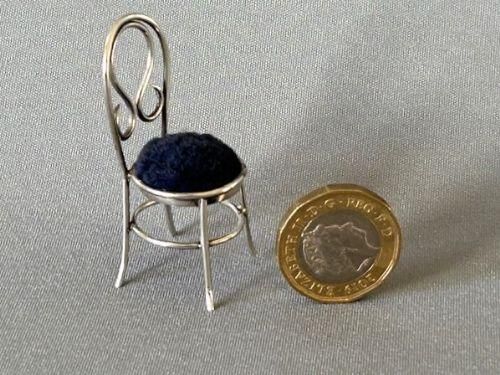
An antique silver miniature represents a tiny scale replica of everyday objects, furniture, animals or figures, created as cabinet curiosities, doll's house furnishings or novelty items. When you search for antique silver miniature, you encounter everything from tiny chairs and benches to coal buckets, tea sets, animal figures and pin cushions.
The pieces on this page originate from diverse European traditions, including English sterling silver works, Dutch doll's house furniture, and elaborate German Hanau silver novelties. Styles range from Georgian and Edwardian designs to Dutch Baroque revivals and Jugendstil creations.
Makers produced these tiny items for wealthy households, collectors of cabinet curiosities, and children's doll's houses. They function both as displays of silversmithing skill and as charming decorative objects for a collector's cabinet.
Materials and technique
Silversmiths constructed these small pieces using sterling silver, solid silver, and specialised regional alloys like Hanau silver, occasionally incorporating wood or applying vibrant enamel. Many examples also employ gilt vermeil finishes to add warmth and contrast to the tiny surfaces.
Makers utilised casting techniques to shape intricate three-dimensional figures, birds, furniture and soldiers, often pairing the cast elements with hand-hammered or chased sheet silver. Fine detailing was then achieved through hand engraving and applied enamel work.
Retail Price Guide 2026
Typical UK retail prices for silver miniature, calculated from the Sellingantiques database of over a million retail prices indexed since 2003. This retail price guide relies exclusively on Sellingantiques data; no external sources or auction records are used, so the figures do not describe the wider market.
Silversmiths even cast miniature bathing wagons and tiny clog pin cushions for Victorian dressing tables.
Distinctions in quality
The finest examples distinguish themselves through crispness of cast detail and the delicacy of hand chasing, where miniature facial expressions, furniture upholstery or feathers remain distinct and sharp. Lesser pieces often exhibit softer lines and shallower relief where details have worn or were poorly struck.
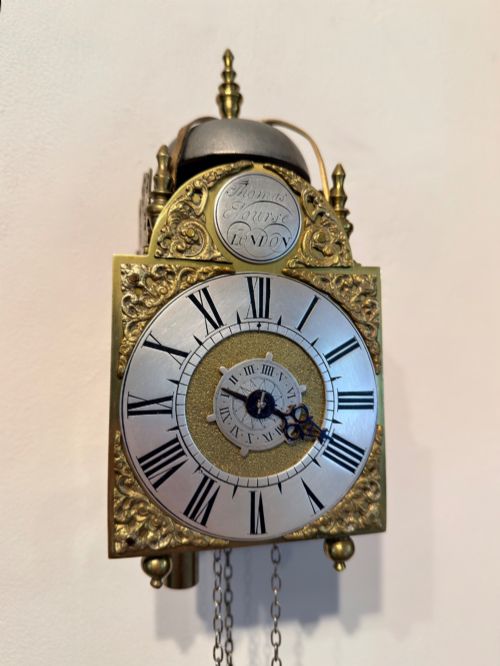
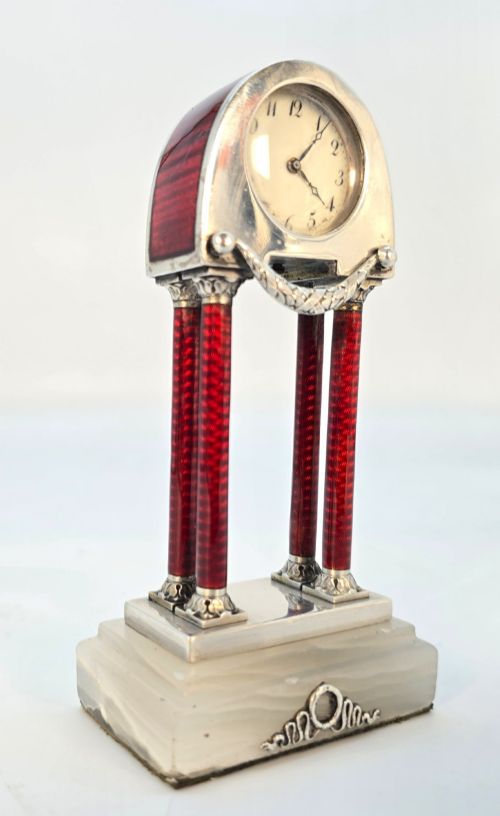
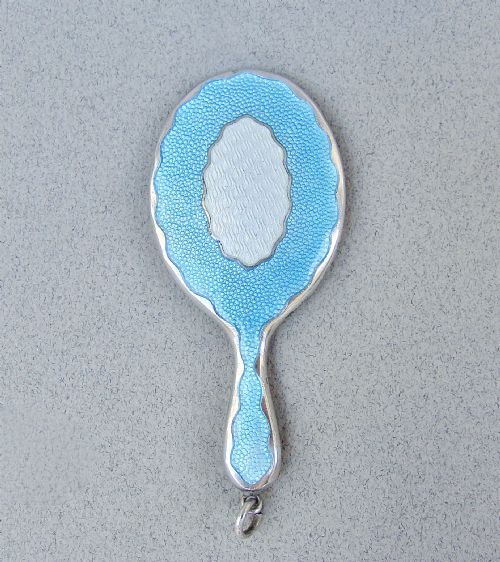
The integration of secondary materials elevates a piece, such as smooth blue enamel panels set cleanly into silver frames, or functioning miniature mechanisms in clocks and lollipops. Maker marks and clear hallmarks further separate ordinary novelty items from exceptional signed works.
Berthold Muller·Saunders And Shepherd
The Antique Silver Miniature Glossary
- Hanau silver
- Silverware produced in the German town of Hanau, widely known for intricate historical revival pieces and miniature novelties.
- Vermeil
- Sterling silver coated with a thin layer of gold, adding a rich tone to miniature clocks and boxes.
- Pin cushion
- A functional novelty form shaped as animals or figures, fitted with a fabric pad to hold pins.
- Doll's house
- Miniature furniture and accessories scaled for display within small furnished rooms.
Frequently Asked Questions
How were silver miniatures used?
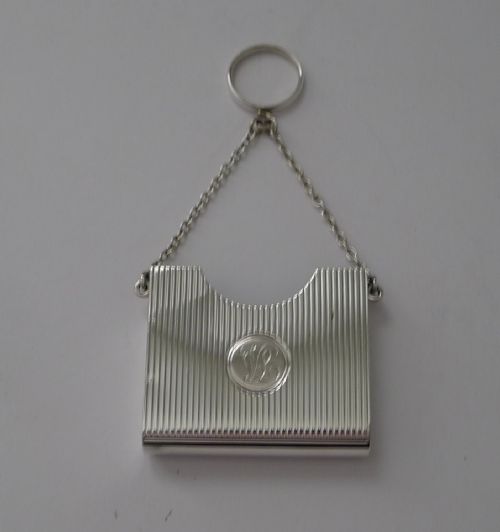
Many served as doll's house furnishings or novelty items, while others functioned as pin cushions, card boxes or decorative desk accessories.
Wealthy patrons also displayed them in cabinets as curiosities.
How do I date antique silver miniatures?
Dating relies on maker marks, town marks and English hallmarks stamped into the silver.
Stylistic cues such as Jugendstil curves or Dutch Baroque revival details also help place pieces within specific eras.
How should I display silver miniatures?
Their small size makes them ideal for enclosed glass display cabinets where their fine details remain visible and protected from dust.
Grouping them by theme, such as furniture sets or animal figures, creates an engaging display.