




Antique Silver Haberdashery
These antique silver haberdashery items bring practical needlework and vanity tools from past centuries into modern collections.
Antique Silver Haberdashery
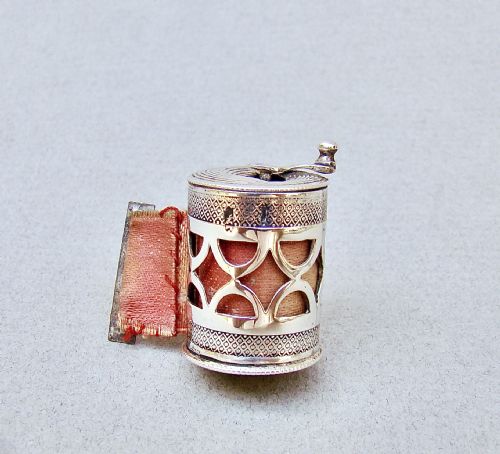
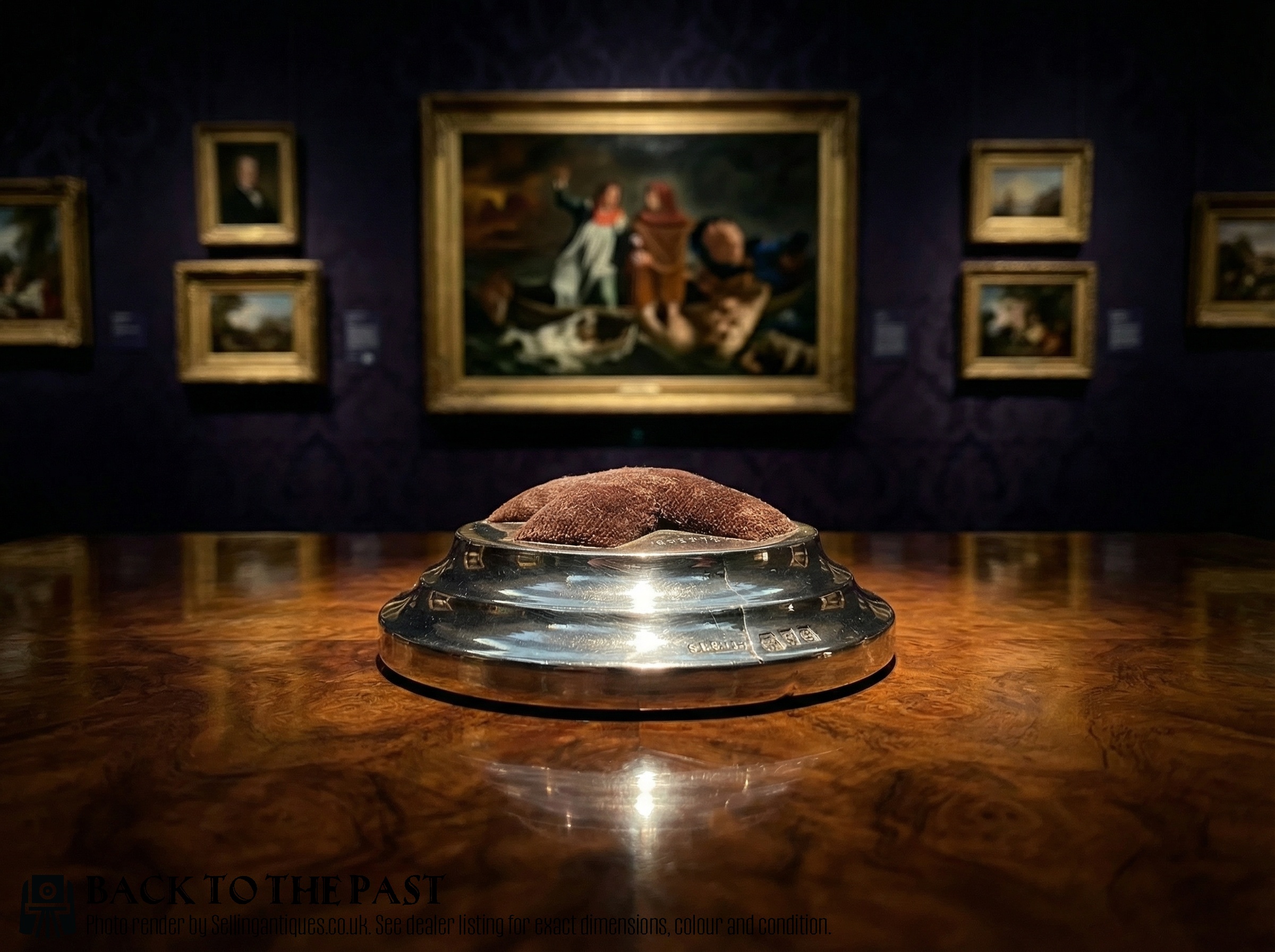
When you search for antique silver haberdashery, you encounter a specialised selection of sewing tools, pin cushions, and needle cases produced across the Georgian, Victorian, and Edwardian eras. These objects combine utilitarian purpose with decorative metalwork, often taking animal, human, or transport forms such as stags, railway lamps, policemen, foxes, and swans.
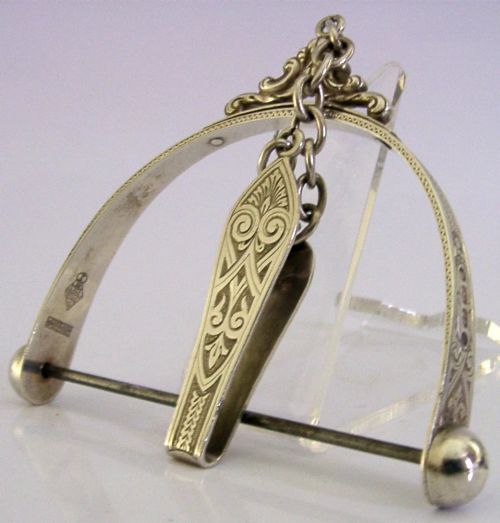
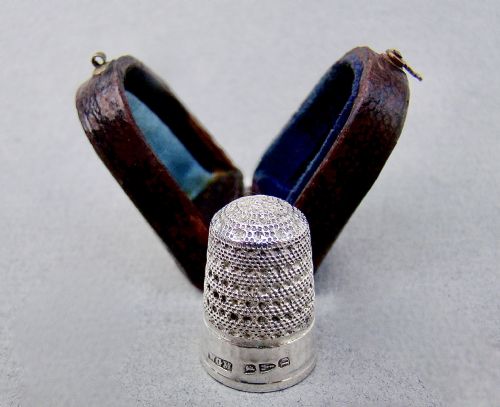
The assortment includes Sterling silver thimbles, chatelaine accessories, cotton holders, thread string holders, and boxed button sets alongside industrial display counters and milliners' hat block moulds. Pieces range from diminutive miniature pin cushions to cased sewing implements bearing Chester hallmarks from makers like Charles Horner and Walter & George Myers.
Most items on this page reflect domestic sewing practices of the nineteenth and early twentieth centuries, featuring velvet, silk, fabric, and leather elements combined with sterling silver. Alongside domestic sewing tools, the selection extends to related haberdashery shop fittings including aluminium display units and hat stretchers.
How they were made
Maker techniques rely heavily on casting, piercing, and repoussé work in sterling silver, creating detailed forms such as floral scrollwork, cast Edwardian buttons, and novelty animal figures. Many pin cushions incorporate velvet or silk inserts to hold pins securely within the silver framework, while others utilise leather or glass components.
Makers integrated structural elements like aluminium frames and glass in later industrial pieces from the nineteen-thirties, contrasting with earlier handmade silver needle cases and drum-shaped tape measures. Hallmarks stamped directly into the metal record the assay office, city, and year of production for many of the silver items.
Antique Silver Haberdashery Retail Price Guide 2026
Typical asking prices for silver haberdashery among the pieces listed under this phrase on Sellingantiques today, from the lower quarter to the upper quarter. They describe what is for sale here now, not the wider market.
Represented periods span from the Georgian era through Victorian, Edwardian, and nineteen-thirties designs.
What varies in quality
Quality rests upon the crispness of the cast detail in novelty pieces and the intricacy of pierced floral scrollwork on cotton holders. Items featuring well-defined animal figures or crisp maker marks command attention for their sculptural execution.
The preservation of original textile elements, such as velvet or silk pads within pin cushions and fitted presentation cases, influences the integrity of the piece. Hallmark legibility and the retention of original moving parts also separate standard examples from finer specimens.
Walter & George Myers·Charles Horner·Artificer's Guild
The Antique Silver Haberdashery Glossary
- Chatelaine
- A decorative belt hook suspended with chains carrying small utilitarian items such as sewing tools, keys, or watches. They were widely worn by women in the Victorian period for daily convenience.
- Hallmark
- An official stamp applied by an assay office to indicate the metal purity, maker, and year of manufacture. British sterling silver typically displays the lion passant among other regional marks.
- Repoussé
- A metalworking technique where the artisan hammers the design from the reverse side to create a raised relief on the front. This method produced the elaborate floral scrollwork seen on various holders.
- Novelty pin cushion
- A small container or figure configured to hold pins, shaped into animals, humans, or objects like railway lamps and jockey caps. They were popular collector items during the Edwardian era.
Antique Silver Haberdashery: Frequently Asked Questions
What is antique silver haberdashery?
Antique silver haberdashery encompasses sewing implements, pin cushions, buttons, and needle cases manufactured from sterling silver and related materials during the nineteenth and early twentieth centuries.
These pieces served practical needlework functions in the home alongside personal vanity and apparel upkeep.
How do I identify a novelty pin cushion?
Novelty pin cushions take recognisable sculptural forms such as animals, figures, or objects rather than standard geometric pincushion shapes.
They frequently date from the Edwardian period and incorporate fabric or velvet pads nestled within cast silver bodies.
What materials are used besides silver?
Listings combine sterling silver with traditional textiles including velvet, silk, fabric, and leather for fitted cases and pin pads.
Later industrial items from the nineteen-thirties incorporate aluminium frames and glass alongside wood and metal hat blocks.
How can I date these items?
Dating relies on stamped silver hallmarks indicating the assay office and year letter, alongside distinct stylistic periods like Victorian, Georgian, or Art Deco.
Material choices, such as early twentieth-century aluminium or nineteenth-century leather, also provide chronological reference points.