




Antique Pin Cushion
These antique pin cushion examples range from tiny silver novelties to mahogany desk pieces, offering charm and utility for the collector.
What an antique pin cushion is
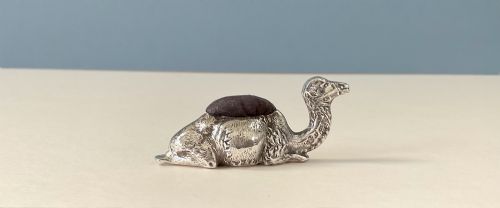
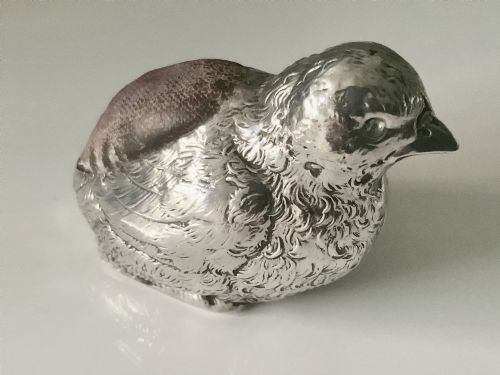
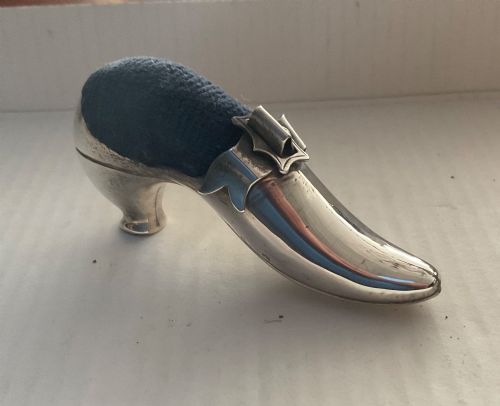
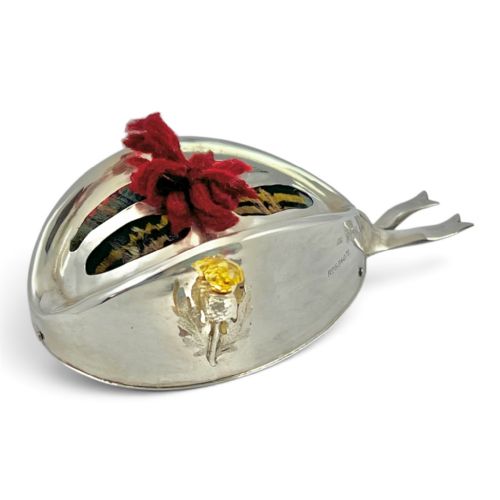
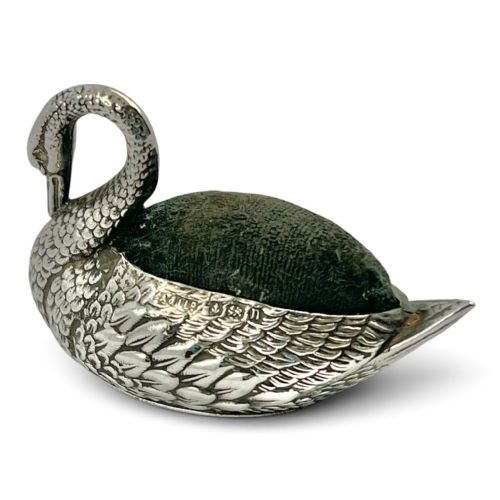
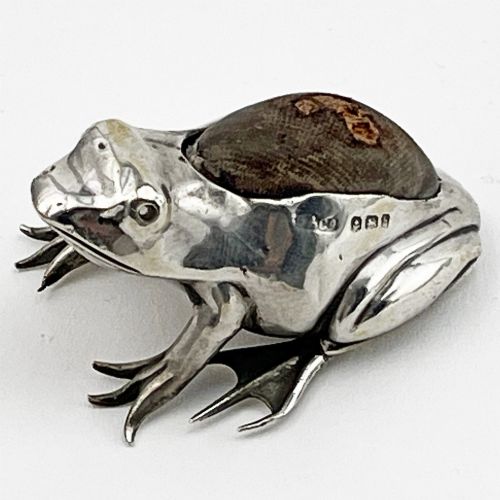
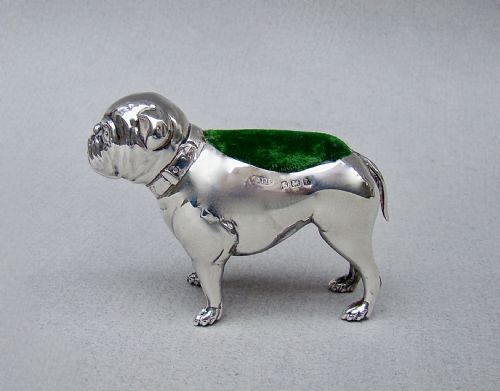
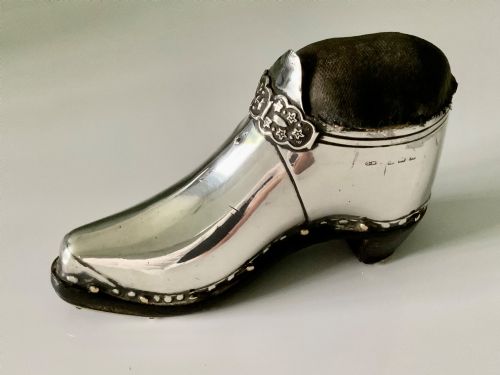
An antique pin cushion serves as a functional sewing accessory designed to hold pins safely during needlework. You will frequently encounter miniature silver novelties shaped as animals, boots or household items from the Victorian and Edwardian periods.
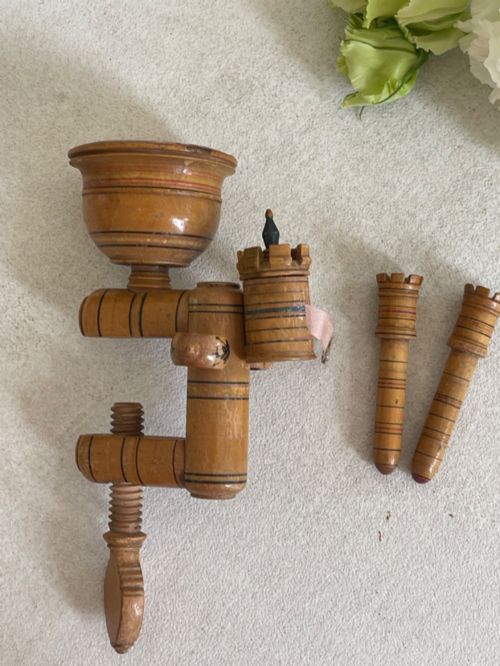
The selection also encompasses wooden sewing companions, steel clamps and velvet-topped desk pieces. These objects reflect the domestic crafts and sewing habits of the nineteenth and early twentieth centuries.
What varies in quality
The distinction between ordinary and exceptional pieces lies in the sculptural ambition of the silver novelty work and the crispness of its detail. Animal figures, miniature vehicles and domestic objects vary according to the precision of the silversmith's shaping and engraving.
Material variety also dictates the character of the piece, with complex Tunbridge Ware decoration or solid silver construction marking out finer examples from utilitarian steel clamps or simple wooden blocks.
Retail Price Guide 2026
Typical UK retail prices for pin cushion, calculated from the Sellingantiques database of over a million retail prices indexed since 2003. This retail price guide relies exclusively on Sellingantiques data; no external sources or auction records are used, so the figures do not describe the wider market.
The documented pieces span the nineteenth century, the Victorian era, and the Edwardian period, alongside specific years between 1890 and 1910.
The Antique Pin Cushion Glossary
- Novelty pin cushion
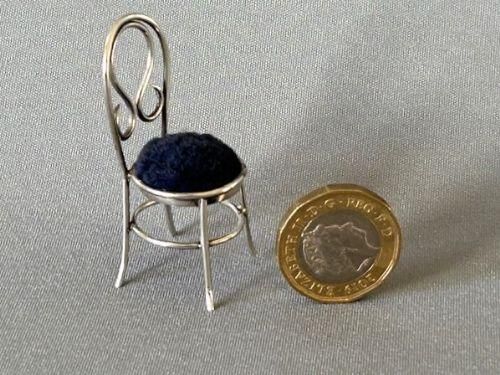
- A pin cushion fashioned into an imaginative shape such as an animal, shoe, vehicle or piece of furniture. These miniature silver items were popular during the late Victorian and Edwardian eras.
- Sewing companion
- A multi-functional desk or box accessory that groups several needlework tools together. They frequently combine a pin cushion with reels, needle-cases, waxers or tape measures.
- Tunbridge Ware
- A form of British woodwork characterised by intricate mosaic designs made from many tiny pieces of naturally coloured wood. These geometric patterns often decorate nineteenth-century sewing items.
- Sterling silver
- A silver alloy containing a high proportion of pure silver by weight, commonly used for the decorative bodies of novelty cushions.
- Treen
- Small handmade wooden household objects and ornamental pieces turned or carved from timber. Sewing towers and square cushions often fall into this material category.
Frequently Asked Questions
What are antique pin cushions made of?
These pieces incorporate sterling silver, solid silver, steel, iron, glass and fabrics like velvet. Wooden examples utilise mahogany, rosewood and pine.
Makers combined these materials to create both decorative novelty items and practical sewing tools for domestic use.
How do I date an antique pin cushion?
Dating relies on hallmarks stamped on silver examples, stylistic markers of the Victorian and Edwardian periods, and material types. Animal novelties largely date from the late nineteenth and early twentieth centuries.
Written records and maker labels on pieces like Tunbridge Ware companions also help establish precise periods of origin.
Were these pin cushions meant for daily sewing?
Many served practical roles in sewing baskets and on work tables alongside needles, threads and tape measures. Steel clamps attached directly to tables to keep the cushion steady during work.
Miniature silver novelties also functioned as decorative ornaments and desk accessories for affluent households.
What subjects do novelty pin cushions take?
Silversmiths shaped these cushions into domestic animals, wild beasts, birds, footwear, furniture and transport. Common subjects include elephants, chicks, pigs, shoes, railway lamps and salon chairs.
These whimsical forms reflect Victorian and Edwardian tastes for miniature decorative silver.