





Victorian Silver Cushion
When you search for victorian silver cushion, you uncover charming miniature novelties and velvet-fitted receptacles that bring tactile history to your desk.
Victorian Silver Cushion
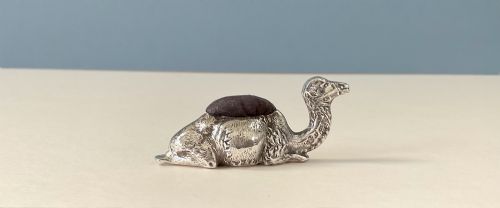
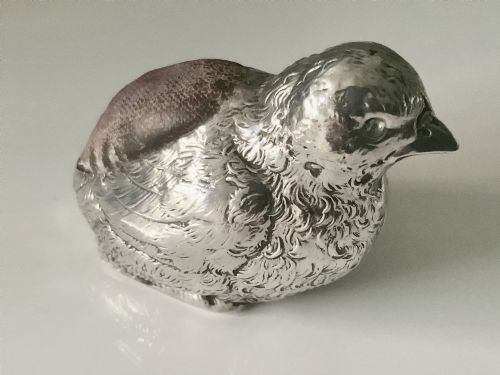
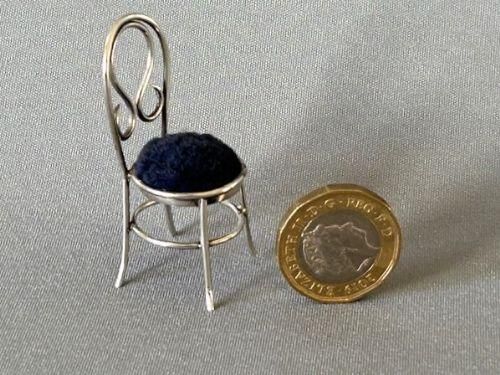
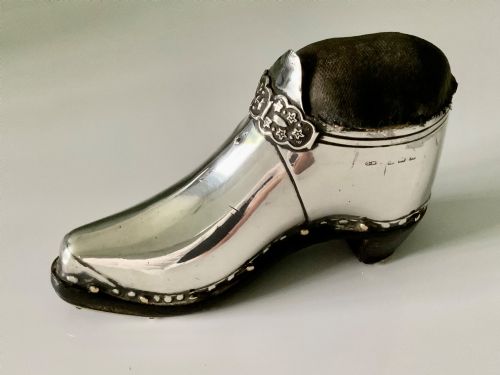
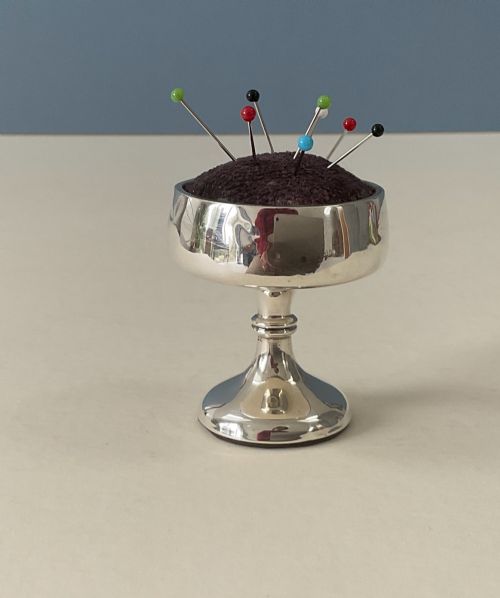
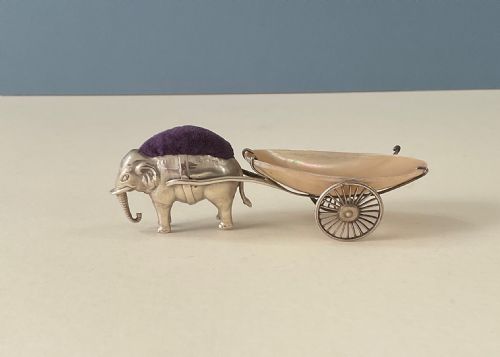
A victorian silver cushion typically manifests as a novelty pin cushion shaped into animals, footwear, or household items, designed to hold sewing pins securely. The forms range from simple hearts and circular trays to elaborate camels, birds, shoes, and salon chairs produced during the nineteenth and early twentieth centuries.
Beyond the novelty pin cushions, the category encompasses jewellery boxes, ring caskets, and screwback earrings featuring cushion-cut stones set in sterling silver. These functional silver pieces combine ornamental detail with everyday utility, reflecting the Victorian and Edwardian fascination with miniature silverwork.
How they were made
The construction relies on sterling silver, shaped through casting, stamping, or embossing to create detailed figural bodies and decorative caskets. Artisans incorporated interior padding made of fabric and velvet to hold needles and pins safely within the rigid metal casing.
Makers frequently integrated contrasting elements such as glass, mother-of-pearl, shell, and citrine paste to embellish the silver framework. This combination of pressed or cast silver with tactile textiles defines the physical structure of these surviving pieces.
What varies in quality
The distinction between ordinary and superior pieces rests on the crispness of the silver casting and the complexity of the subject matter. Standard geometric shapes or plain trays require less technical mastery than intricate animal figures like camels, frogs, or birds executed with realistic textural detail.
The integrity of the original fabric insert and the clarity of the hallmarks also influence the overall standard. Well-preserved velvet linings and legible maker marks indicate better preservation and higher original workshop standards.
George W Shiebler·H Matthews·Levi and Salaman·Adie and Lovekin·Peter McGregor Westren·Deakin and Francis
The Victorian Silver Cushion Glossary
- Novelty pin cushion
- A silver pin cushion cast into a recognisable figurative shape such as an animal, shoe, or vehicle rather than a conventional geometric form.
- Sterling silver
- An alloy of silver containing 92.5 percent pure silver and 7.5 percent other metals, typically copper, used widely across Victorian and Edwardian metalwork.
- Chatelaine
- A decorative belt hook from which utility items, including miniature silver pin cushions and sewing tools, were suspended.
- Cushion-cut
- A gemstone cut with rounded corners and larger facets, resembling a pillow shape, frequently seen in Victorian earrings and rings.
- Pierced silver
- Metalwork decorated by cutting or piercing openwork patterns through the silver sheet to create lighter, ornamental designs.
Victorian Silver Cushion: Frequently Asked Questions
What were silver pin cushions used for?
Victorian households used these small silver pieces to store sewing pins and needles safely on dressing tables and workboxes. The fitted velvet or fabric interior kept pin points enclosed while the decorative silver exterior added an ornamental touch to domestic sewing.
Many designs also functioned as chatelaine attachments, allowing seamstresses to carry their pins while moving about. Their dual role as practical sewing tools and decorative desk objects made them popular gifts.
How do I identify a Victorian piece?
Examinations of hallmarks stamped onto the silver provide the most reliable method for dating these items. Birmingham and Edinburgh assay office marks, alongside date letters, frequently confirm the exact year of manufacture.
Stylistic cues also help distinguish periods, with realistic animal novelties and ornate floral embossing pointing firmly toward the nineteenth century. Comparing the specific forms against documented pieces from known makers clarifies the timeline further.
Are the fabric inserts original?
Many surviving pieces retain their original velvet or fabric inserts, though wear from decades of use often requires careful assessment. Original materials typically show gentle fading and texture consistent with age rather than modern replacement fabrics.
When a cushion retains its fitted period textile, the overall historical integrity of the object remains intact. Collectors look closely at how the fabric meets the silver rim for signs of original placement.
How should I clean silver pin cushions?
Cleaning requires caution to protect the delicate fabric or velvet insert from moisture and chemical polish. Gentle dusting with a soft cloth preserves the silver surface without damaging the textile components housed inside.
Avoiding liquid dips prevents staining the inner padding or loosening the adhesives that secure the cushion within its metal frame. Regular, dry maintenance keeps the silver bright while safeguarding the vulnerable interior.