



Victorian Sewing Tools
These victorian sewing tools bring functional craft into sharp focus, offering miniature silver novelties and fitted boxes that collectors prize for their intricate detail.
Victorian Sewing Tools
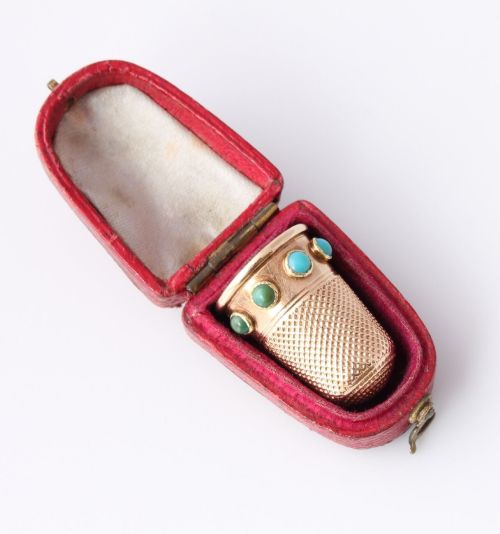
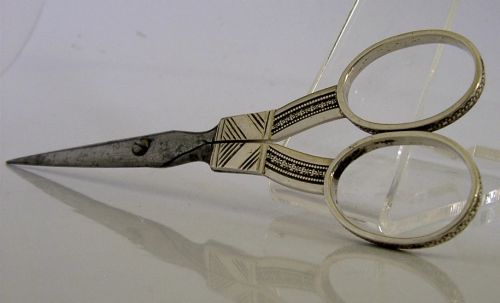
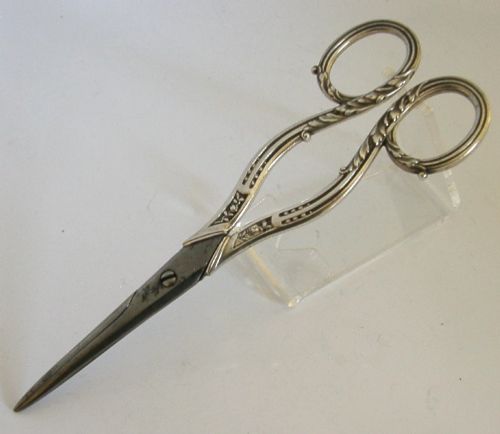
When you search for victorian sewing tools, you encounter a specialised range of items designed for needlework, mending, and textile craft. These pieces span pin cushions, scissors, thimbles, and comprehensive sewing boxes originating primarily from the nineteenth and early twentieth centuries.
The objects reflect distinct regional output, encompassing English sterling silver, French gilt work, Dutch solid silver, and Austrian cold-painted bronze. This variety allows collectors to focus on specific utilitarian forms or decorative novelty designs within the broader category.
Materials and construction
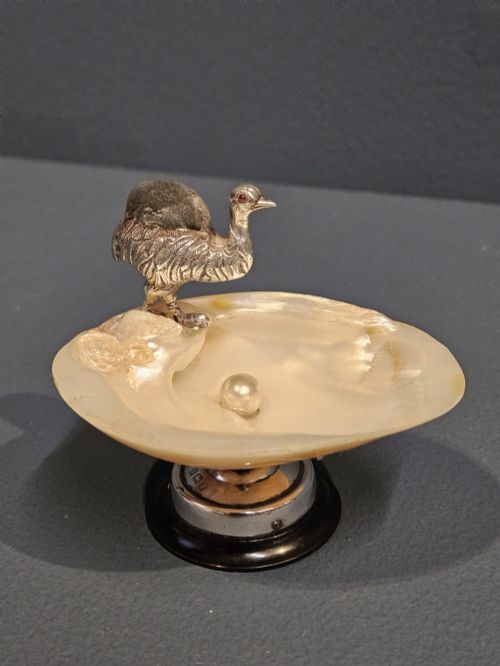
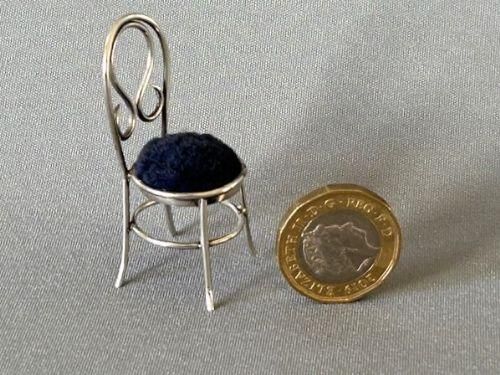
Silversmithing and metal casting form the structural basis for many items, utilising sterling silver, steel, and ormolu. Artisans shaped these metals into detailed novelty pin cushions, chatelaine cases, and sharp-edged scissors.
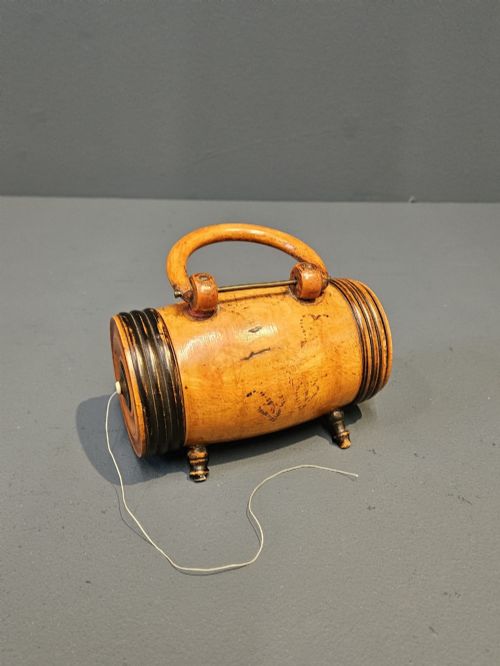
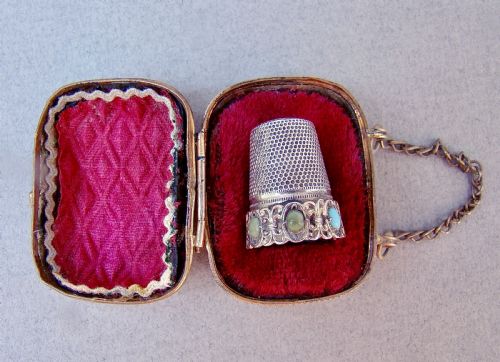
Organic materials such as wood, leather, mother-of-pearl, bone, and corozo nut provide the foundations for fitted sewing boxes and etui cases. These surfaces often feature fabric linings, velvet pads, or intricate Tunbridge ware inlay.
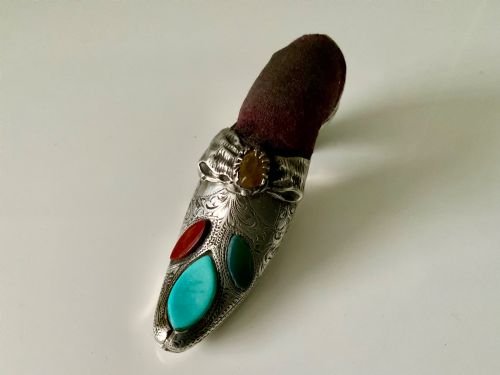
Decorative surface techniques elevate the functional objects, incorporating pierced floral scrollwork, stone setting, and cold-painted bronze finishes. Artisans combined these finishing touches with durable steel blades and precious metal housings.
Victorian Sewing Tools Retail Price Guide 2026
Typical asking prices for victorian sewing tools among the pieces listed under this phrase on Sellingantiques today, from the lower quarter to the upper quarter. They describe what is for sale here now, not the wider market.
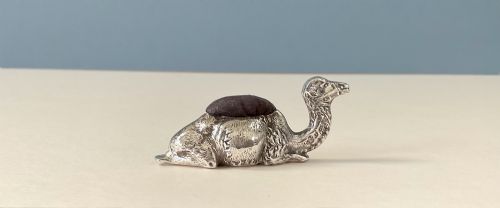
Needlework found a devoted following in miniature metal camels, frogs, and railway lamps.
Judging quality
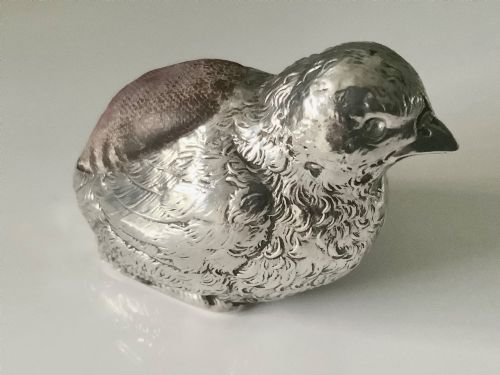
The distinction between standard pieces and superior examples rests upon the crispness of casting and the complexity of form. Novelty pin cushions modeled as animals or everyday objects achieve higher distinction when the sculptural detailing remains sharp and expressive.
Material selection and decorative execution further differentiate the items, particularly where precious metals meet delicate organic elements like mother-of-pearl or corozo nut. Pierced scrollwork and secure stone settings demonstrate superior workshop execution.
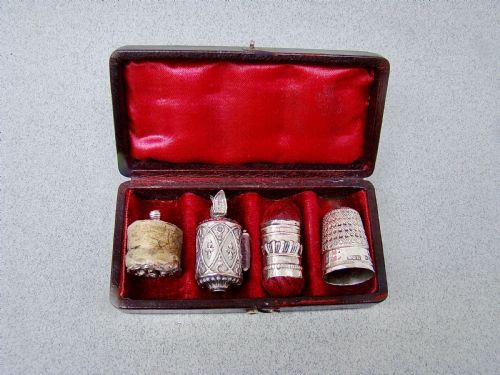
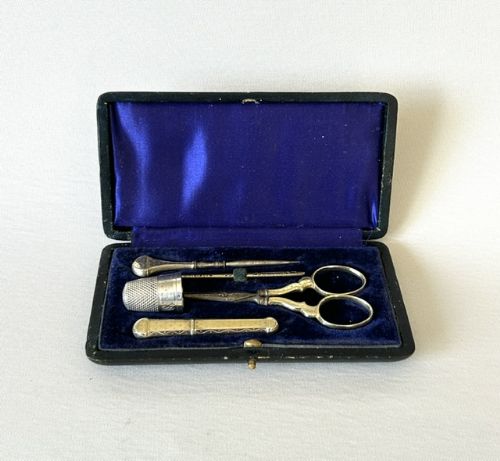
Completeness within fitted boxes, etui cases, and chatelaine sets strongly influences overall standard. Retaining matched original tools within a leather or wooden case elevates the integrity of the piece.
Walter and George Myers·Charles Horner·George W Shiebler
The Victorian Sewing Tools Glossary
- Pin Cushion
- A small stuffed pad used for holding pins during sewing. These often take elaborate novelty forms in silver and bronze.
- Chatelaine
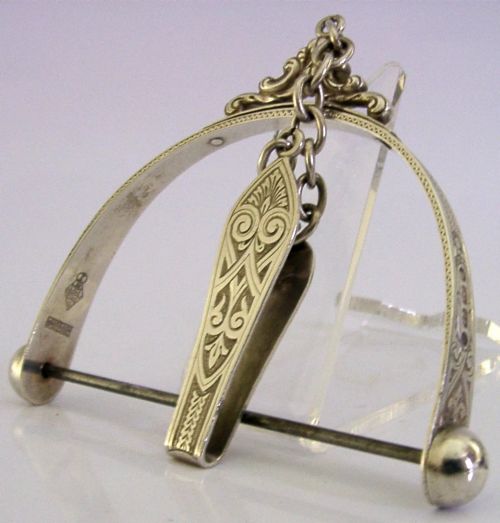
- A decorative belt hook suspended with chains to carry useful domestic items like scissors and thimbles. It functioned as a portable toolkit for the household.
- Etui
- A small ornamental case used for holding needles, small scissors, and other sewing implements. They appear in leather, silver, and ormolu.
- Tunbridge Ware
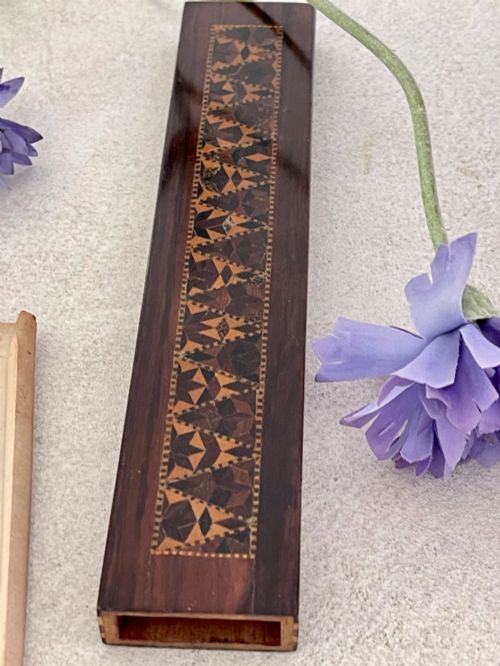
- Woodworking characterised by mosaic patterns formed from tiny coloured wood blocks. This technique decorates specialist silk skein holders.
- Corozo Nut
- The dense, hard seed of the tagua palm, often carved into small cases and thimble holders. It provides a durable organic alternative to bone or ivory.
Victorian Sewing Tools: Frequently Asked Questions
What is an etui case?
An etui is a compact decorative container designed to hold small needlework implements like thimbles and scissors. These cases kept essential tools organised and portable for daily mending tasks.
They appear in materials such as leather, silver, and ormolu, sometimes fitted to chatelaines for waist suspension. The interiors typically feature bespoke slots to secure each delicate accessory.
How were novelty pin cushions used?
Novelty pin cushions served a dual purpose as functional sewing accessories and decorative chatelaine or dressing table ornaments. Crafters pushed pins directly into the velvet or fabric pads integrated into the metal sculptures.
Animals, furniture, and objects formed the whimsical shapes that added personality to domestic sewing spaces. Collectors today value them primarily for their sculptural novelty.
What materials are common in these tools?
Silver and steel form the backbone of cutting implements, thimbles, and structural chatelaine components. Velvet and fabric provide the soft padding necessary for pin cushions.
Organic materials such as mother-of-pearl, mahogany, rosewood, leather, and corozo nut appear frequently in boxes and protective cases. Artisans combined these diverse elements to balance durability with tactile elegance.
How do I identify silver makers?
Makers mark their silver items with specific punch stamps indicating the silversmith, assay office, and date of manufacture. Names like Charles Horner and Walter and George Myers appear on nineteenth-century pieces alongside town marks.
Examining these tiny stamped initials helps date the object and verify its origin. Birmingham and Chester offices frequently appear on these needlework accessories.