







Hallmarked Silver Pin Cushion
A hallmarked silver pin cushion combines miniature sculptural form with functional vanity, offering collectors a delightful piece of early twentieth-century silverwork.
What these pieces are
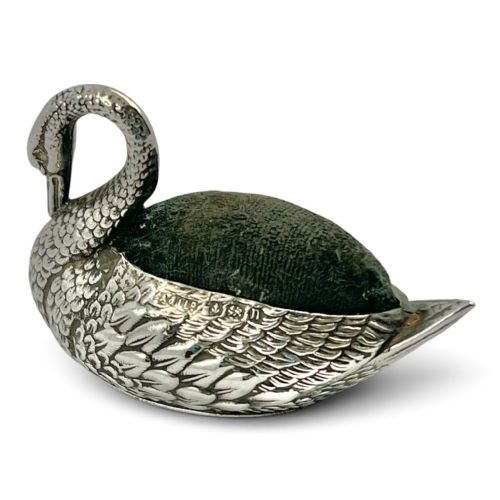
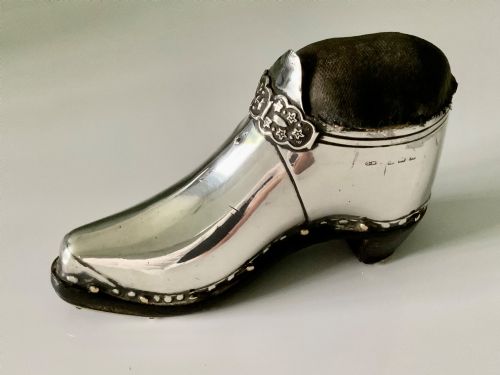
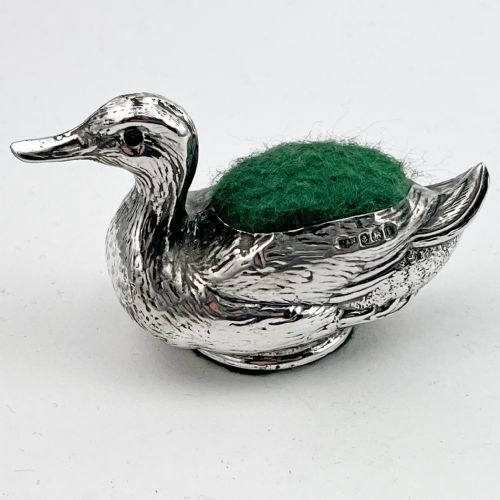
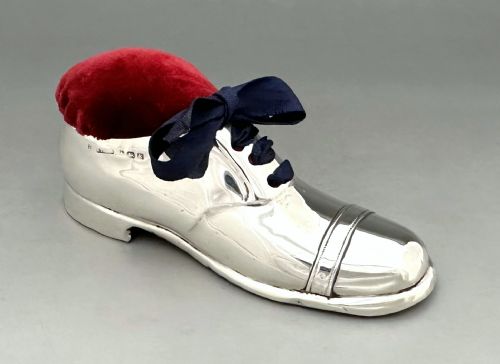
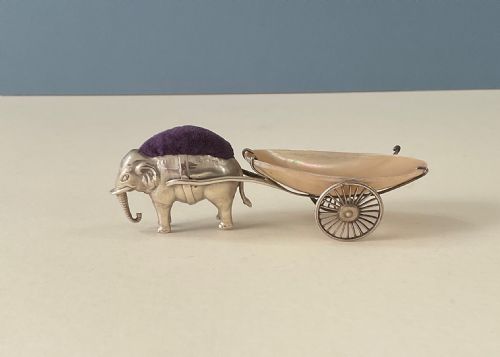
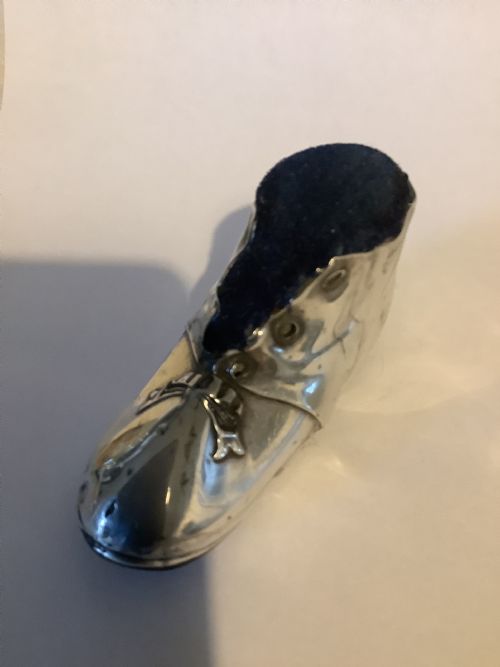
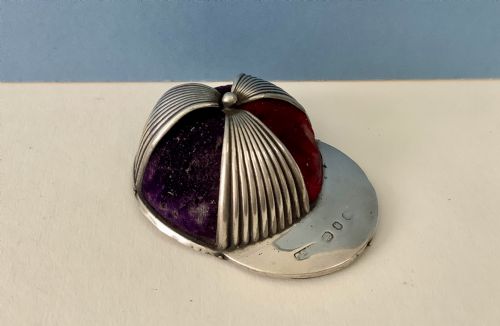
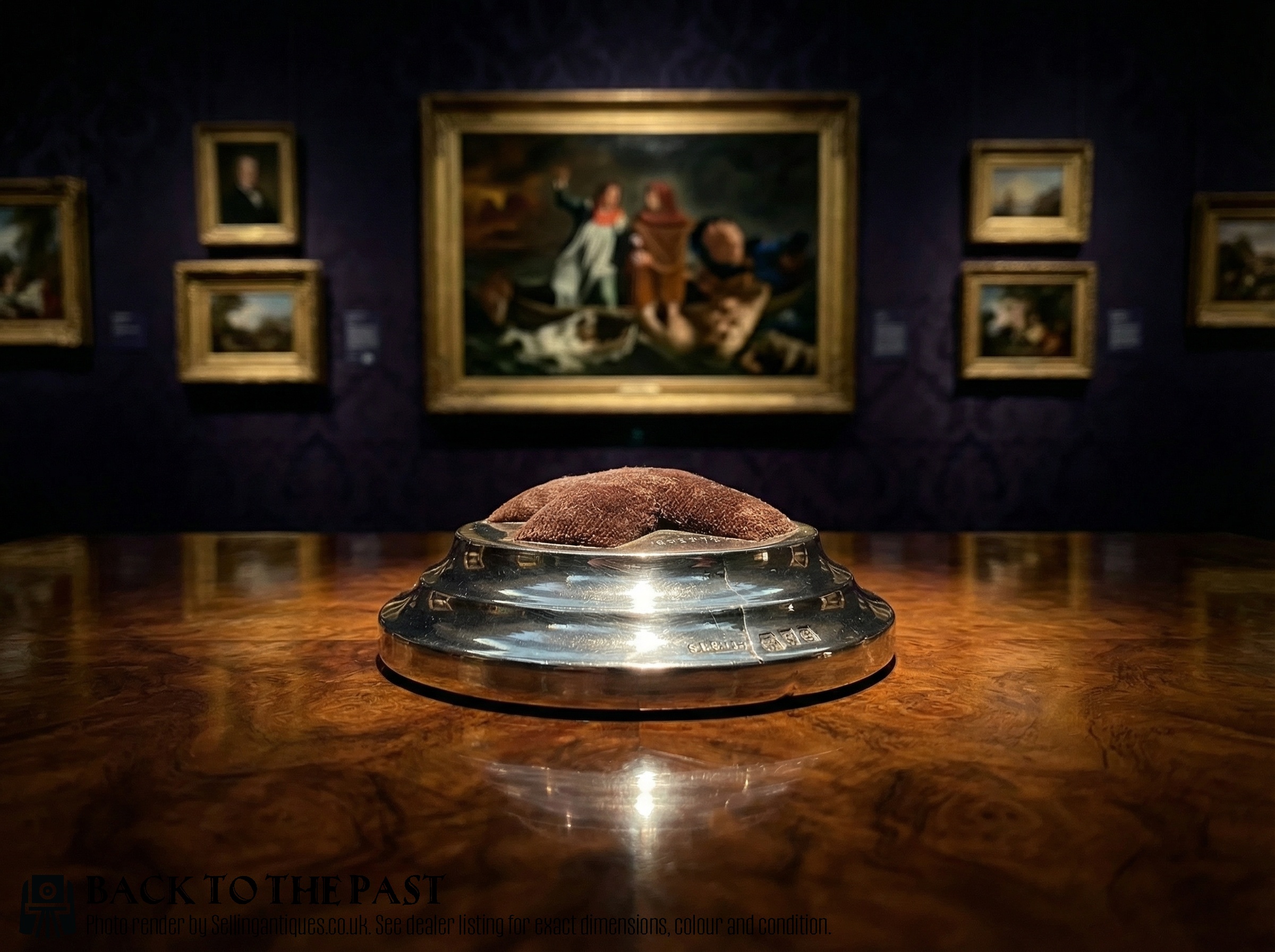
A hallmarked silver pin cushion sits upon dressing tables and collector shelves, taking the form of everyday objects and animals. These small silver pieces date predominantly from the Edwardian period and the early twentieth century.
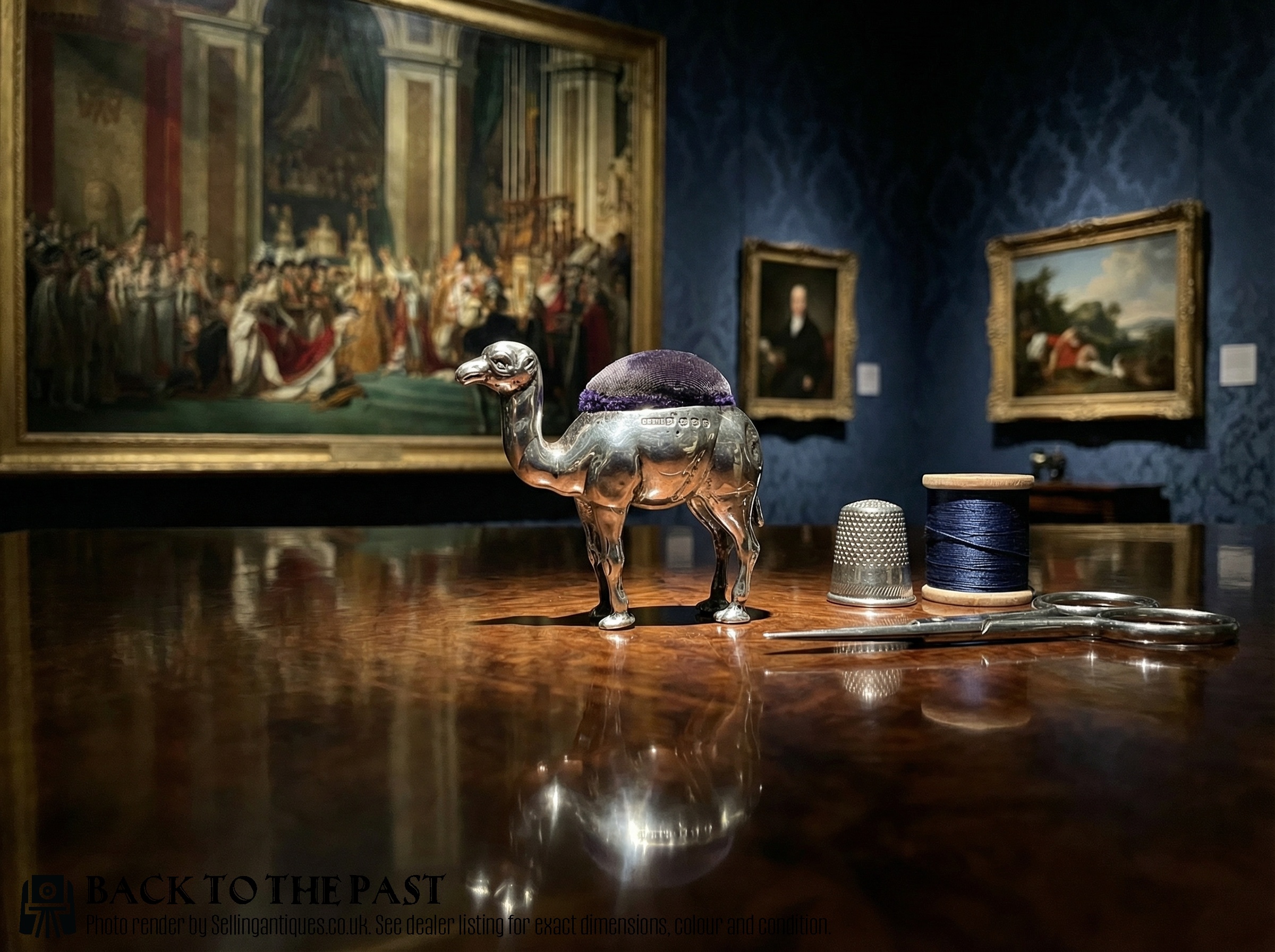
Novelty designs dominate the selection, ranging from domestic animals to transport and birds. Buyers encounter pigs, swans, camels, and bellows, each functioning as a repository for pins.
The objects measure on a miniature scale, designed to hold pins and needles securely within a fabric or velvet pad fitted into the metal chassis. Birmingham assays feature prominently among the surviving examples.
How they were made
Silversmiths shaped sterling silver using pressing, stamping, and chasing techniques to create hollow figural bodies. Detailed texturing on feathers, fur, and handles relied on careful hand-chasing by skilled artisans.
Makers inserted textile pads into prepared apertures, using velvet or plain fabric to receive the pins. Hallmarks were stamped directly onto the silver surface to record the assay office, metal standard, and date letter.
Retail Price Guide 2026
Typical UK retail prices for hallmarked silver pin cushion, calculated from the Sellingantiques database of over a million retail prices indexed since 2003. This retail price guide relies exclusively on Sellingantiques data; no external sources or auction records are used, so the figures do not describe the wider market.
Listings feature sterling silver and velvet materials across Edwardian and Victorian periods.
What varies in quality
Quality rests in the sculptural definition of the silver figure and the crispness of the chased details. Softer contours and worn hallmarks separate mass-produced novelties from sharper, well-preserved workshop examples.
The integrity of the original fabric insert influences the desirability of the piece. Replacements alter the character of the cushion, whereas intact period velvet or textile retains the maker's intended aesthetic.
Levi and Salaman
The Hallmarked Silver Pin Cushion Glossary
- Hallmark
- Official stamps struck into precious metals to guarantee the purity of the silver. These marks indicate the assay office, standard, and year of manufacture.
- Sterling silver
- An alloy of silver containing ninety-two point five percent pure silver and seven point five percent other metals, usually copper. This standard forms the body of these pin cushions.
- Novelty pin cushion
- A decorative container shaped to resemble an animal, bird, or inanimate object rather than a standard geometric pad. These figural pieces were popular vanity items.
- Assay office
- A statutory body that tested precious metals and applied official marks. Birmingham served as a major centre for silver novelty production.
Frequently Asked Questions
What periods do these pin cushions come from?
The pieces span the Victorian and Edwardian eras, with a strong concentration of dates from the early twentieth century around nineteen hundred to nineteen twelve.
Craftsmen during this period produced numerous novelty silver items for dressing tables and gift giving.
How were these pin cushions used?
Owners placed them on dressing tables to hold sewing pins and hatpins securely within reach during daily dressing.
The fabric insert protected the points of the pins while the silver base provided stability and decoration.
What animals appear as pin cushions?
Makers shaped the silver into swans, pigs, camels, and bears, alongside inanimate objects like bellows and Red Cross symbols.
These figural designs reflect the Victorian and Edwardian taste for whimsical and novelty silver desk and vanity wares.
How do you read the hallmarks?
Hallmarks consist of multiple small stamps including the maker's mark, the lion passant for sterling silver, and a date letter.
These symbols reveal the specific year the piece was assayed and the workshop responsible for its creation.