



Silver Sewing Collectables
Silver sewing collectables combine functional craft with whimsical miniature design, making them sought-after pocket-sized treasures for display and study.
Silver Sewing Collectables
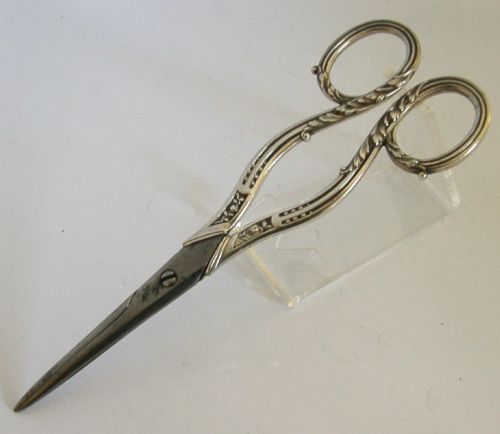
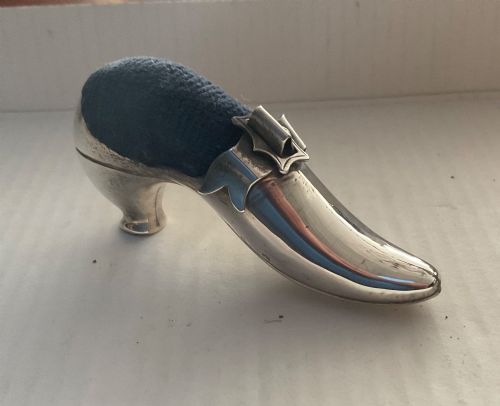
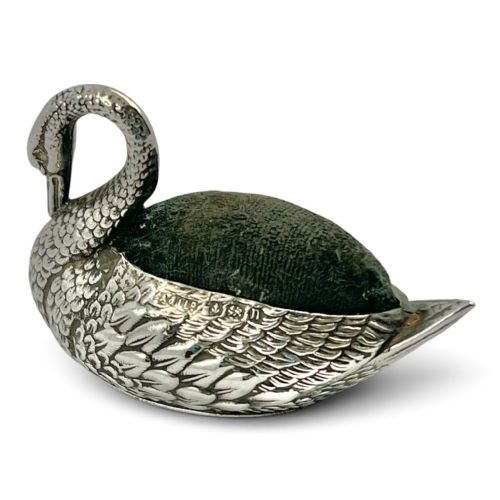
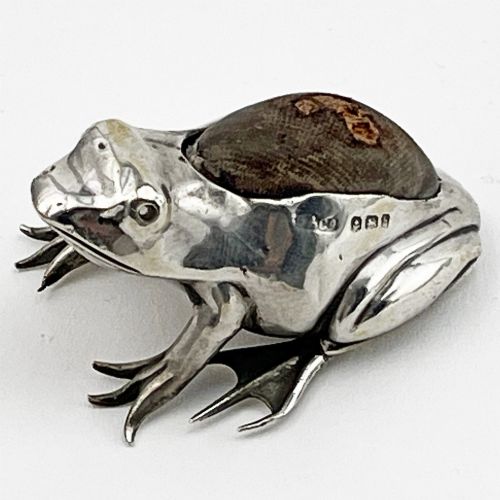
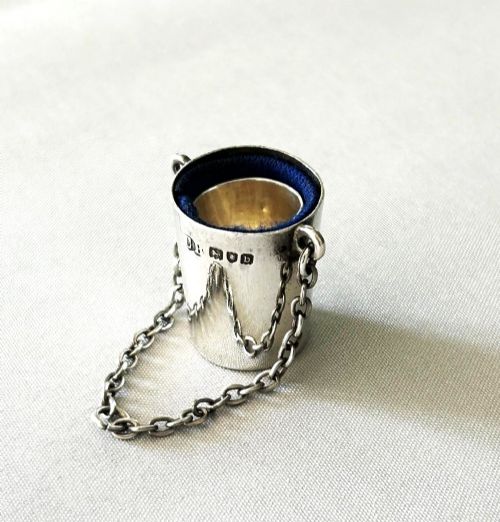
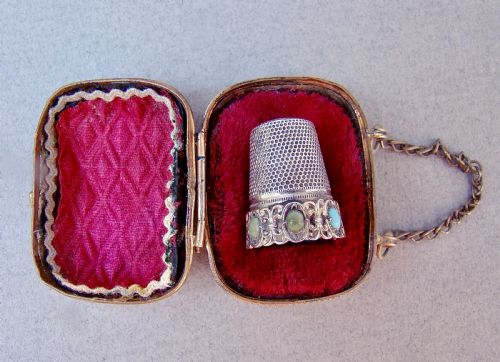
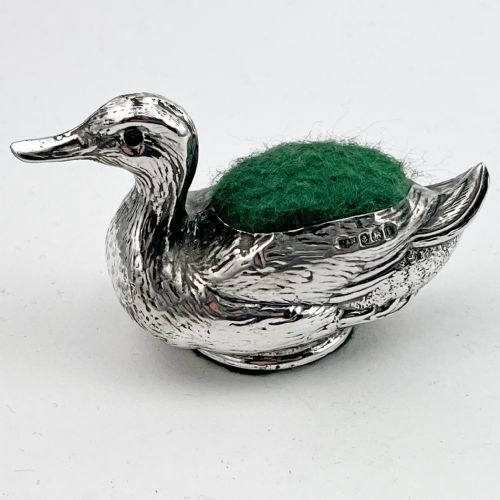
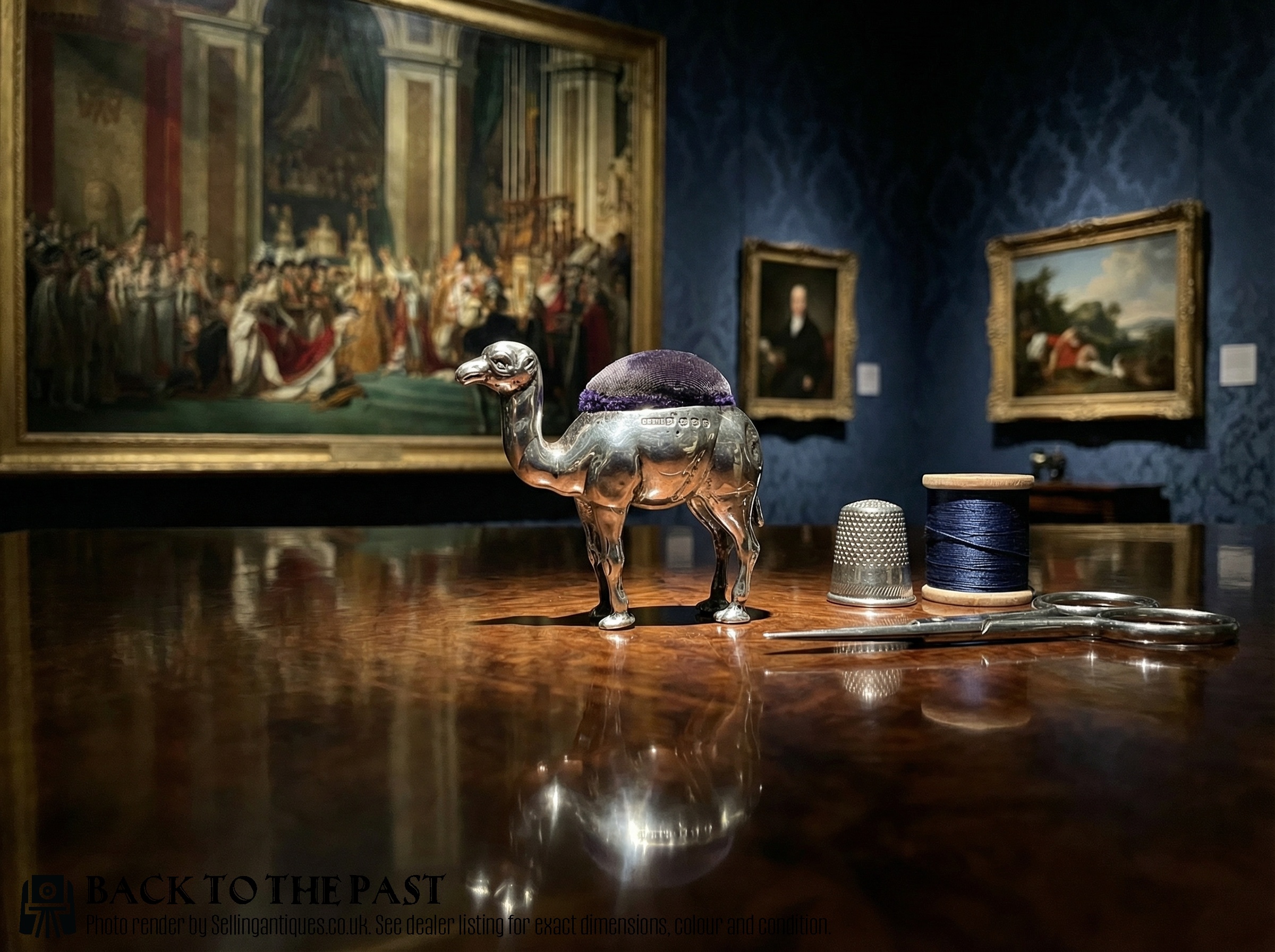
The objects span multiple decades from the nineteenth century into the mid-twentieth century, with strong representation from Edwardian workshops. Common forms include figural pin cushions modelled as swans, pigs, frogs and shoes, often paired with sterling silver thimbles and chatelaine holders.
Originating from British assay offices and continental makers alike, these items reflect the intricate domestic craft of past eras. Collectors acquire them for their detailed miniature form and the clever engineering required to house pins, needles and thread.
Materials and construction
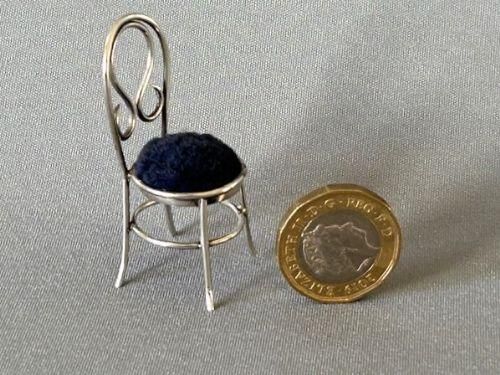
Makers shaped sterling silver and standard silver into detailed three-dimensional forms using traditional stamping, casting and chasing techniques. The metallic bodies were then fitted with vibrant velvet or fabric inserts designed to secure pins safely without blunting points.
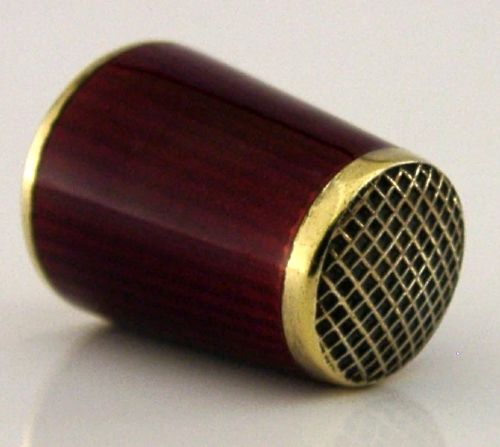
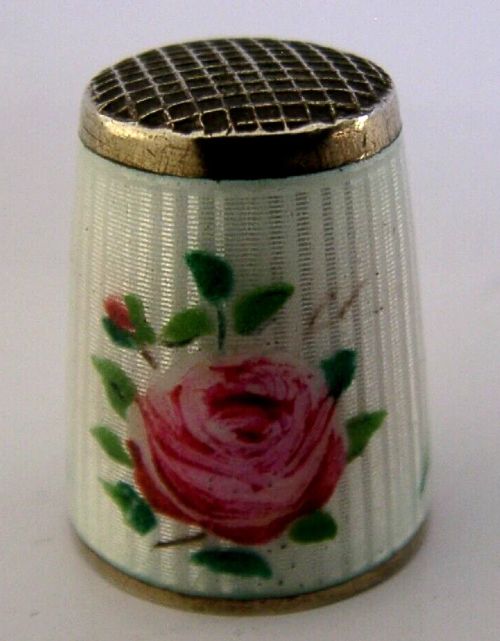
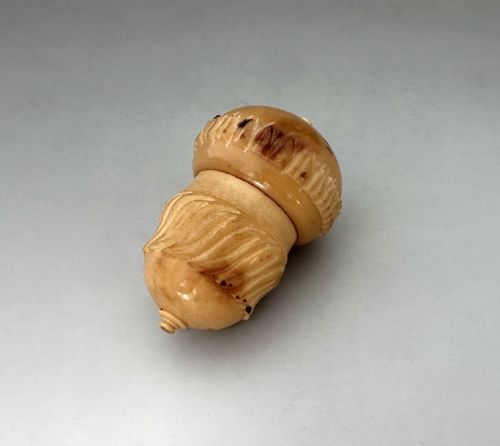
Specialist materials such as corozo nut, glass, leather, steel and ormolu appear alongside silver components in cases and chatelaines. Enamel work adds bright red and rose coloration to specific thimbles, while stone settings embellish chatelaine holders from French and British makers.
Silver Sewing Collectables Retail Price Guide 2026
Typical asking prices for silver sewing collectables among the pieces listed under this phrase on Sellingantiques today, from the lower quarter to the upper quarter. They describe what is for sale here now, not the wider market.
Evaluating craftsmanship
Quality in these pieces rests on the crispness of the modelling and the proportion of the miniature design. Superior figural pin cushions display fine anatomical detail in subjects like birds, bears or railway lamps, whereas simpler items rely on basic geometric shapes.
The integrity of the internal materials also distinguishes fine examples, with original undisturbed velvet or fabric providing better context than later replacements. Intricate hallmarks, maker marks and complete cased sets further elevate the standing of individual items.
Adie & Lovekin·David Andersen·Charles Horner·Sampson Mordan & Co·Walter & George Myers
The Silver Sewing Collectables Glossary
- Pin Cushion
- A small domestic object stuffed with velvet or fabric to hold pins in place. Novelty versions take whimsical animal or object shapes.
- Chatelaine
- A decorative belt hook worn with suspended chains carrying household tools such as scissors, thimble cases and keys.
- Sterling Silver
- A silver alloy containing 92.5 percent pure silver by mass, widely utilised by British makers for small domestic wares.
- Ormolu
- A gilded bronze or brass finish applied to decorative chatelaine holders and cases to imitate solid gold.
Silver Sewing Collectables: Frequently Asked Questions
What are silver sewing collectables?
Silver sewing collectables are small, decorative domestic items produced mainly during the Victorian and Edwardian eras. They include figural pin cushions, thimble cases, scissors and cotton reel holders.
These pieces combine practical sewing utility with imaginative miniature sculpture. Collectors prize them for their diverse animal forms and detailed metalwork.
How were pin cushions used?
Victorian and Edwardian seamstresses used pin cushions to keep pins and needles organised and close at hand during sewing work. Novelty figural designs added decorative charm to sewing tables and dressing desks.
Many smaller versions were portable, designed to sit neatly within sewing boxes or attach to chatelaine waist hooks. They kept sharp points covered and prevented pins from scattering.
How do I identify Edwardian pieces?
Edwardian silver sewing collectables often feature hallmarks indicating Birmingham or Chester assay offices from the early nineteen-hundreds. The styles lean towards naturalistic animal novelties and lighthearted figures.
Examining the maker marks and date letters stamped into the silver helps confirm the exact decade of manufacture. Comparing the form to known Victorian precedents also clarifies the period.
Are these items safe to clean?
Silver components require gentle care using appropriate polishes to preserve crisp details and hallmarks. Care must be taken to avoid staining or wetting the original velvet or fabric inserts.
Harsh chemical dips can damage delicate fabric stuffing and remove historical patination from the metal. Professional guidance is recommended for pieces with enamel or stone settings.