



Edwardian Silver Pin Cushion
When seeking an edwardian silver pin cushion, you enter a whimsical realm of miniature animals and everyday objects transformed into functional dressing table accessories.
Edwardian Silver Pin Cushion
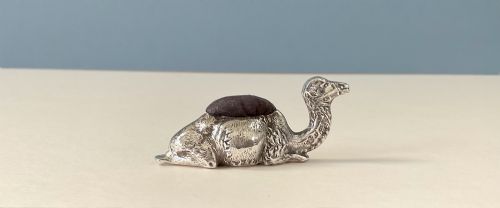
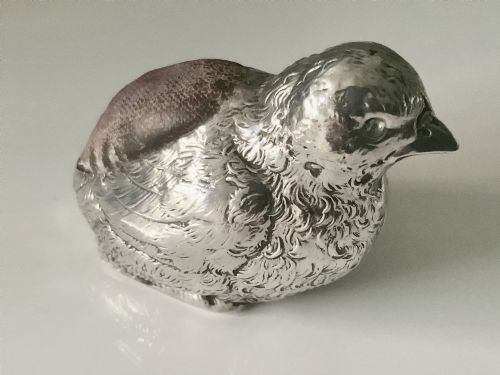
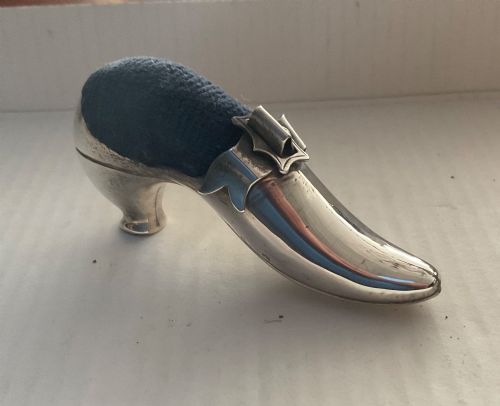
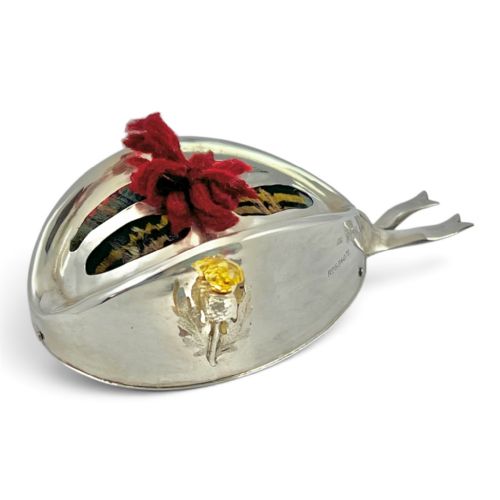
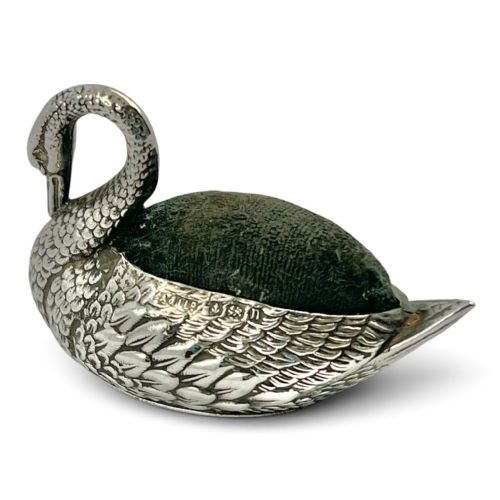
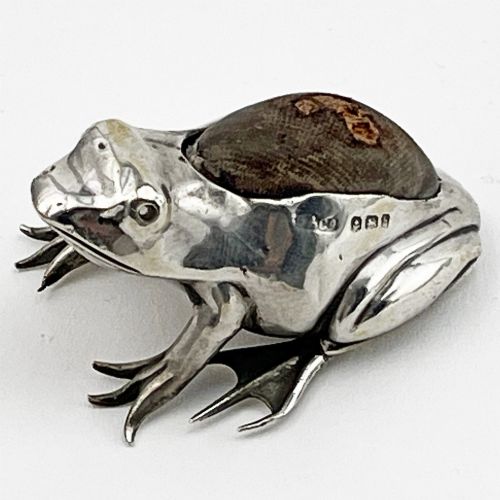
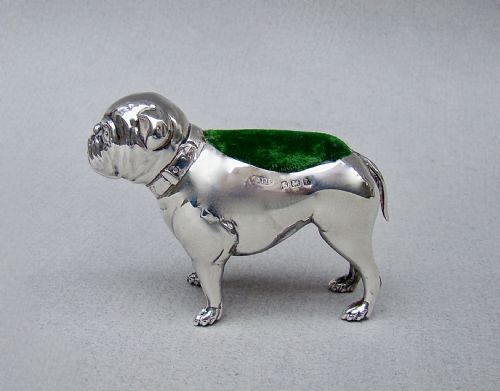
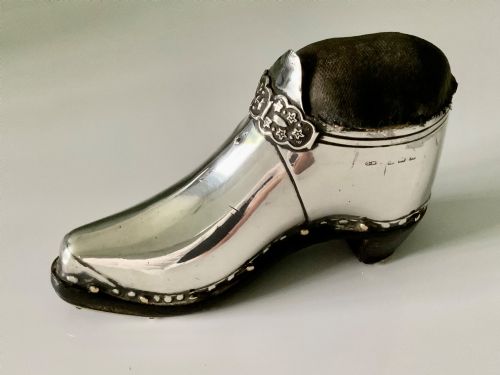
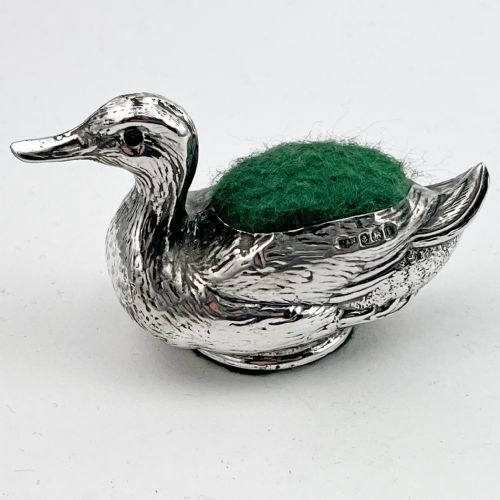
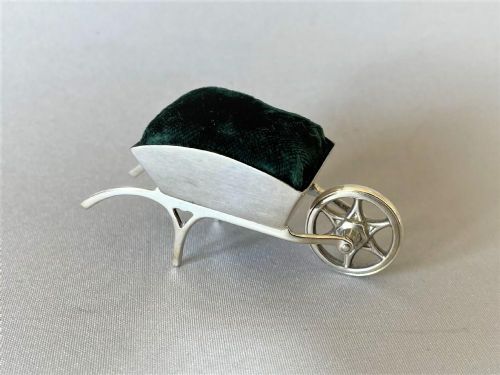
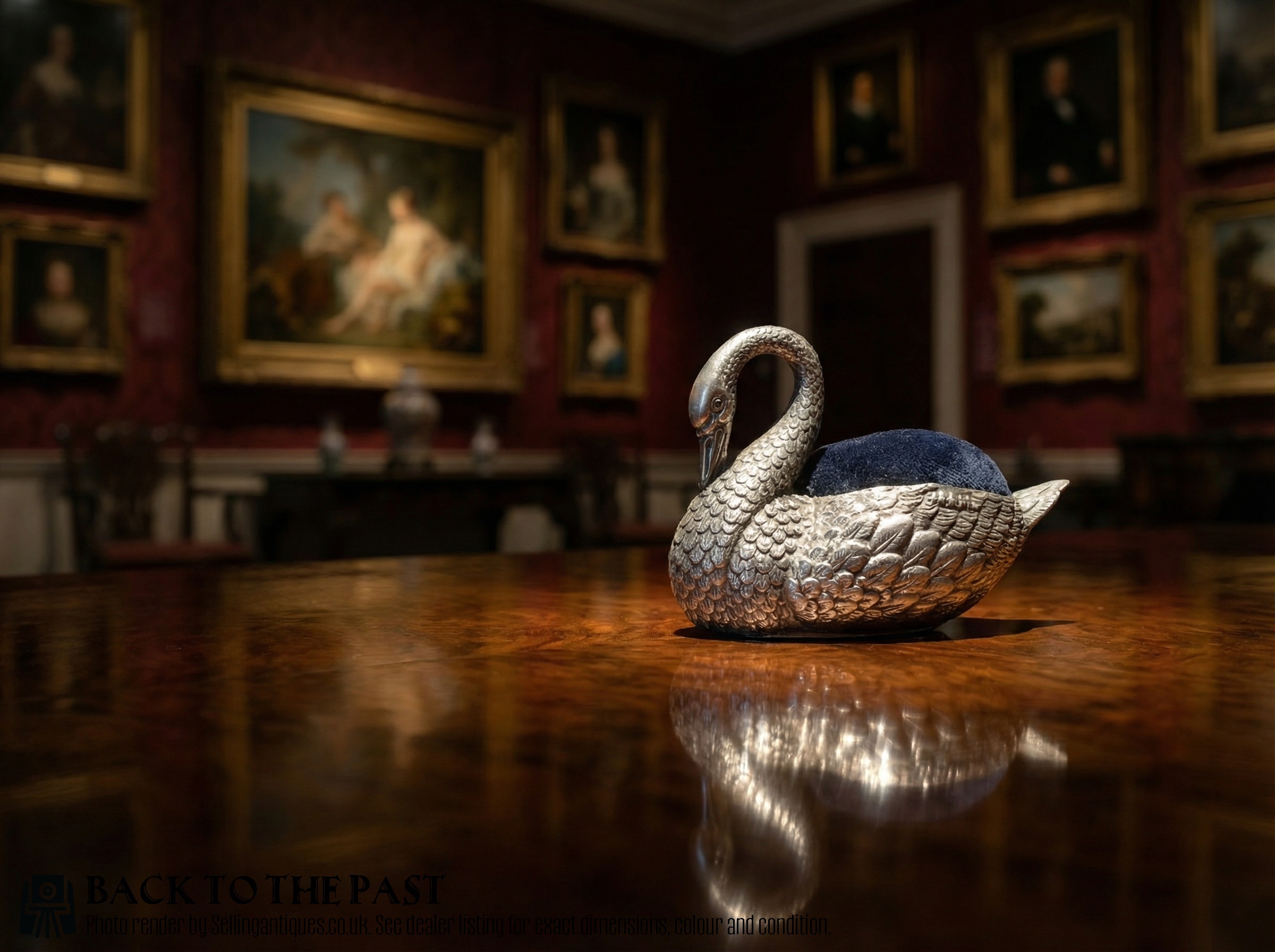
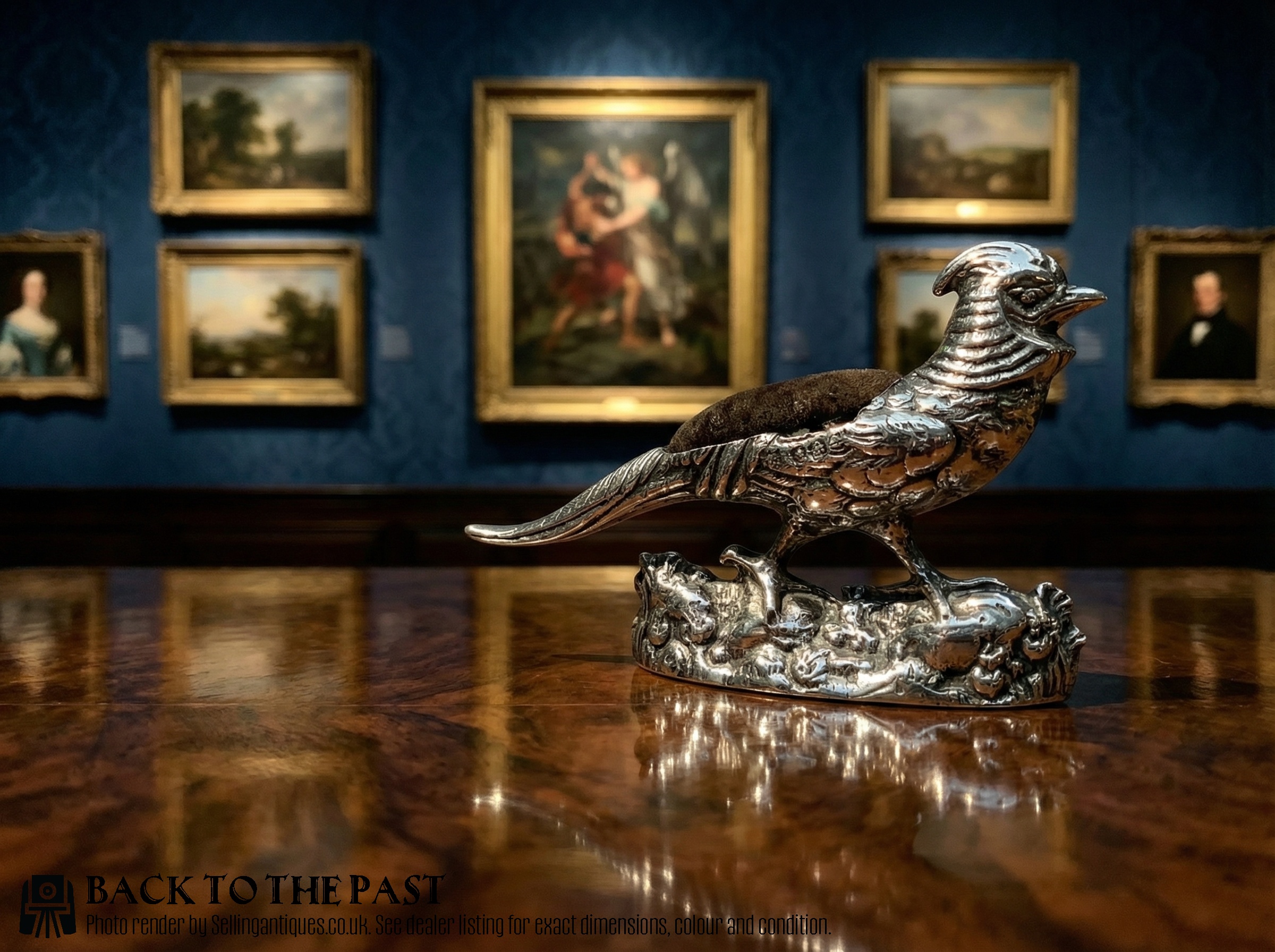
An edwardian silver pin cushion is a small dressing table accessory designed to hold pins and needles securely in a fabric pad. Most examples encountered here take whimsical novelty forms, including animals, birds, boots, and vehicles.
The selections span the Edwardian period predominantly, alongside Victorian and George V pieces. Novelty figural shapes such as pigs, chicks, ducks, and swans dominate the offerings.
Materials and Construction
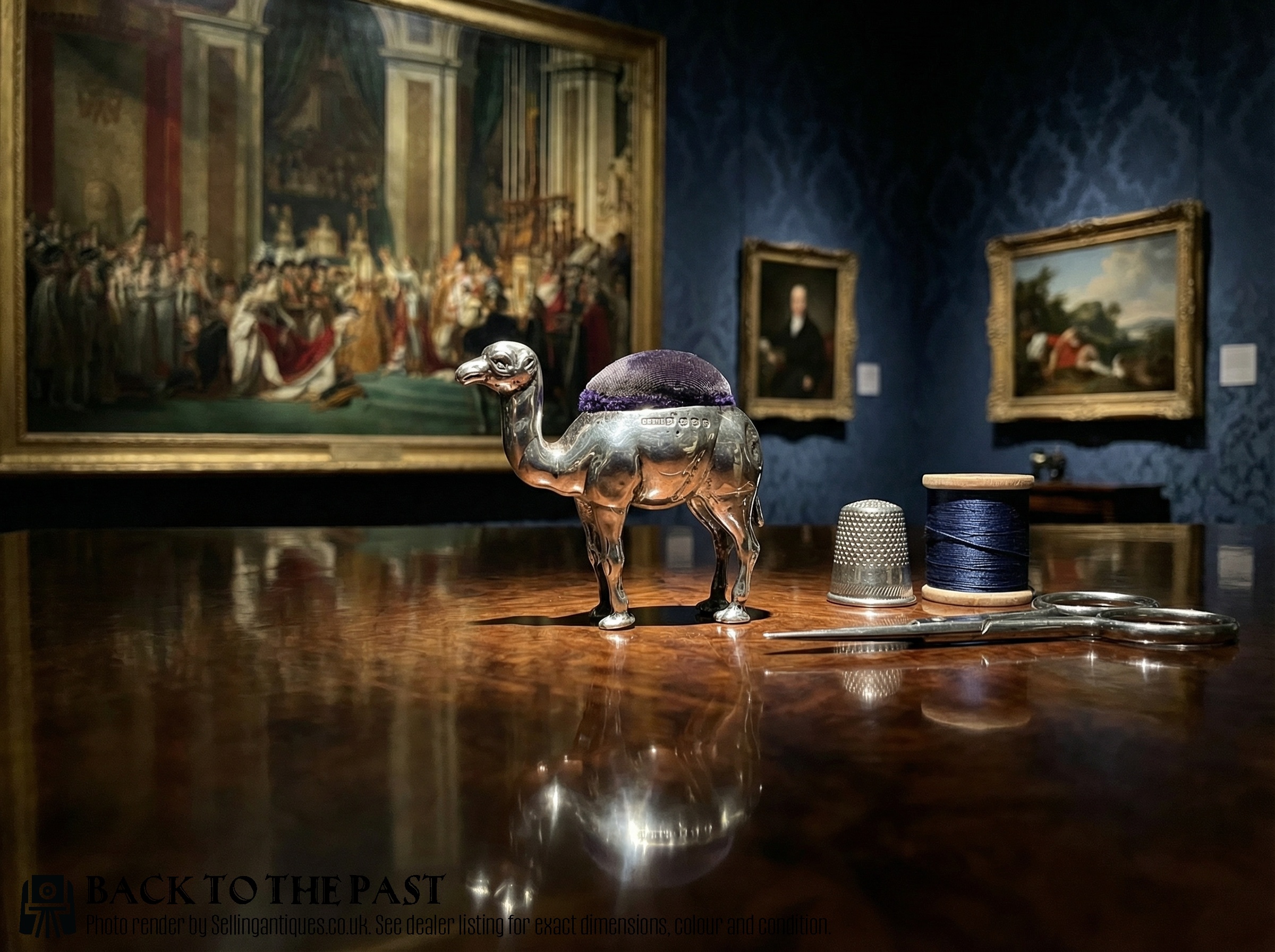
Makers shaped sterling silver or standard silver into detailed figural models through pressing and casting techniques. The internal cavity housed a pad constructed from fabric, velvet, wool, felt, or sometimes glass components.
Makers fitted these textile inserts tightly into the metal shells to receive pins without damaging delicate shafts. Detail work on fur, feathers, and footwear was often hand-chased onto the silver surface.
Edwardian Silver Pin Cushion Retail Price Guide 2026
Typical asking prices for edwardian silver pin cushion among the pieces listed under this phrase on Sellingantiques today, from the lower quarter to the upper quarter. They describe what is for sale here now, not the wider market.
Listings feature sterling silver combined with velvet, silk, wool, and felt across Edwardian, Victorian, and George V periods.
Assessing Craftsmanship
Quality rests upon the sculptural precision of the silver model and the clarity of the maker stamps and assay marks. Naturalistic proportions and sharp detailing separate superior figural forms from simpler iterations.
The condition and originality of the internal cushion fabric influence value alongside the scarcity of the specific animal or object shape. Maker attribution to prominent silversmiths elevates certain pieces above standard production.
Adie & Lovekin·Sampson Mordan & Co·Levi & Salaman·Sydney & Co·The Boots Company
The Edwardian Silver Pin Cushion Glossary
- Novelty pin cushion
- A silver pin cushion fashioned into an entertaining or recognizable shape rather than a standard geometric form. These objects were popular dressing table items.
- Sterling silver
- A silver alloy containing ninety-two point five percent pure silver by mass, with the remainder being copper. This standard metal appears frequently in these small wares.
- Assay mark
- A stamp indicating the purity of the silver metal, the town of testing, and the date letter. Birmingham and Chester offices feature prominently on these items.
- Chasing
- A metalworking technique where a silversmith depresses the metal surface from the front with a hammer and punches to create decorative textures. This method defines the feathers and fur on figural models.
- Hat pin stand
- A taller upright dressing table accessory designed to hold long hat pins rather than sewing pins. These stands incorporate similar silver bases and fabric inserts.
Edwardian Silver Pin Cushion: Frequently Asked Questions
What were silver pin cushions used for?
These pieces sat upon dressing tables or sewing desks to keep pins and needles organised during daily grooming and dressmaking. Ladies utilised them to store hat pins, hairpins, and sewing pins close at hand.
The novelty designs also served as decorative conversation pieces in affluent Edwardian homes, blending utility with playful charm.
How do I identify an Edwardian piece?
Examine the hallmarks stamped on the silver body, which typically indicate the assay office, standard mark, and a specific date letter corresponding to the early twentieth century. Birmingham and Chester offices recorded large volumes of these novelty items during that era.
Stylistic cues such as naturalistic animal modeling and specific Edwardian fashion shapes also help confirm the production period.
Are the cushion inserts original?
Many pieces retain their original velvet, silk, or wool pads, though textiles of this age frequently show wear or fading from use. Collectors often accept period replacements if the fabric matches the aesthetic of the silver mount.
The security of the internal stuffing within the metal casing matters more than pristine fabric condition.
How should I clean silver pin cushions?
Careful dusting with a soft cloth preserves the delicate chased details and avoids abrading the antique silver surface. Liquid polishes risk damaging the fabric cushion insert if moisture seeps inside the housing.
Store them away from direct sunlight and damp environments to protect both the metal and the historical textiles.