



Vintage Sewing Cushion
A vintage sewing cushion offers a tactile link to needlework history, combining sterling silver or turned wood with practical charm for any desk.
Vintage Sewing Cushion
When you search for a vintage sewing cushion, you encounter a specialised range of sewing accessories designed to hold pins and needles securely during textile work. These objects span periods from the Georgian era through to the mid twentieth century, reflecting shifting domestic tastes.
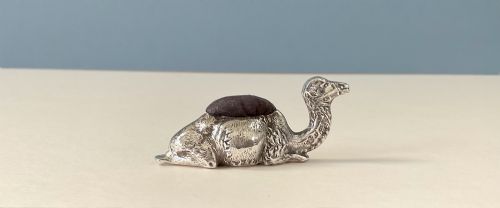
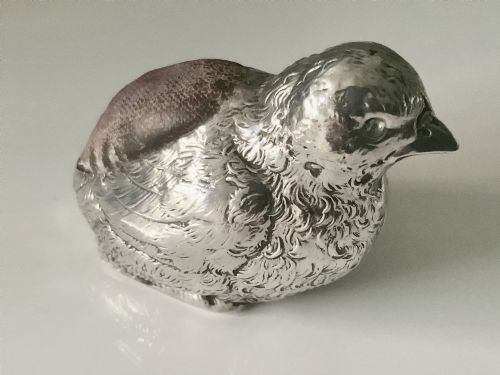
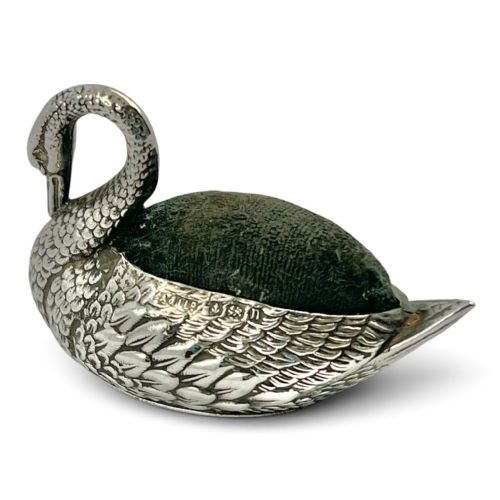
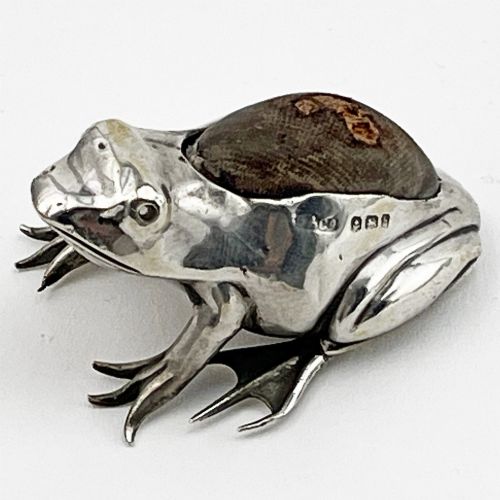
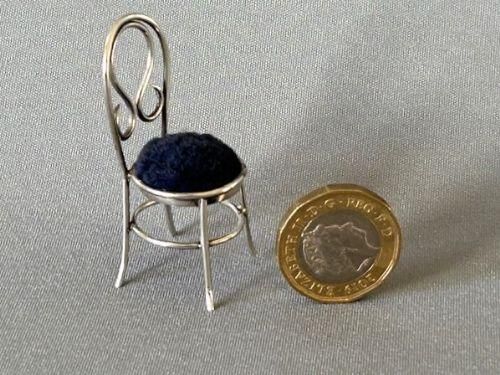
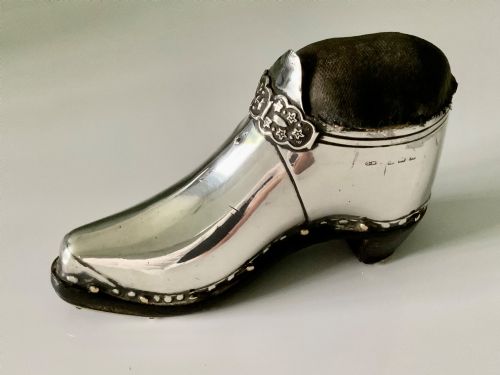
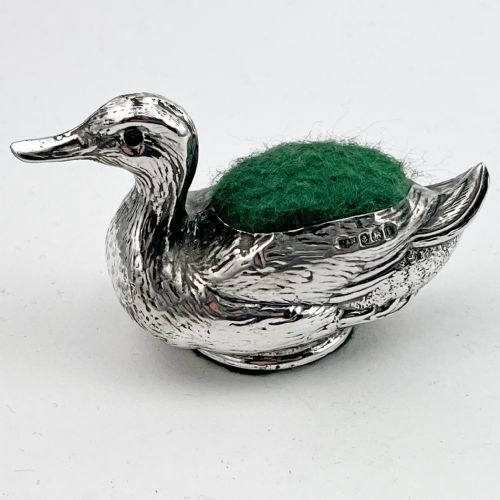
The most frequent form on this page is the novelty silver pin cushion, often shaped as animals, birds, or everyday items like shoes and wheelbarrows. Alongside these silver pieces, you also discover fabric examples, turned wood structures, and glazed porcelain figures.
Makers ranged from individual artificers to workshops producing figural pieces in sterling silver during the Edwardian years. Collectors appreciate the variety in these functional objects, which bridge the gap between utility and decorative ornament.
Materials and construction
Silversmiths utilised sterling silver to cast intricate animal and novelty shapes, pressing or hammering the metal before mounting the internal cushion. Velvet and fabric then provided the soft receptacle required to anchor pins firmly in place.
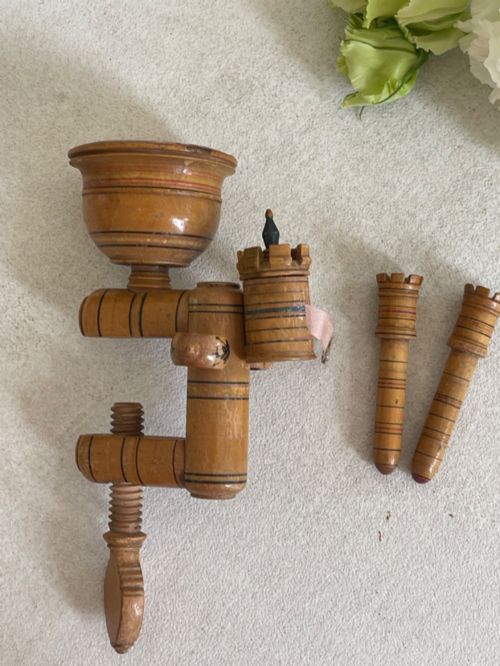
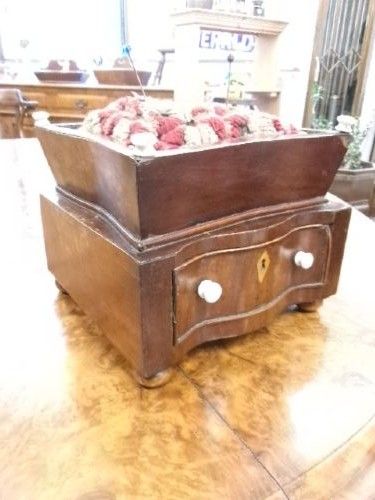
Wooden examples relied on turned boxwood or mahogany, sometimes incorporating Tunbridge Ware mosaic detailing for decorative effect. Ceramic and porcelain pieces utilised glazed finishes to shape half dolls and figural stands.
Current listings feature materials ranging from sterling silver and velvet to glazed porcelain, boxwood, and mahogany.
Markers of quality
The choice of material and the complexity of the subject matter dictate the standing of a piece within its category. Fully intact original velvet inserts and clear hallmarks add substantially to the integrity of the item.
George W Shiebler·Artificer's Guild
The Vintage Sewing Cushion Glossary
- Pin cushion
- A small stuffed pad or figural container used for holding pins and needles during sewing. These items range from simple fabric pads to elaborate silver novelties.
- Novelty pin cushion
- A pin cushion fashioned into an entertaining or unexpected shape, such as an animal, vehicle, or household object. These pieces were particularly popular during the Edwardian period.
- Treen
- Small handmade wooden objects for domestic use, turned on a lathe or carved. Boxwood and mahogany examples frequently appear among sewing accessories.
- Etui
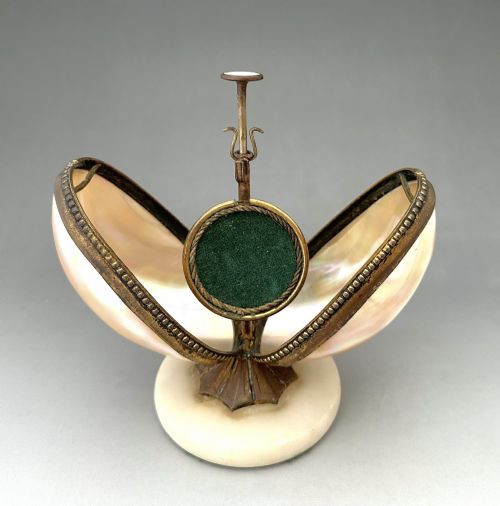
- A small ornamental box or case used for holding needles, small scissors, and other sewing implements. They often house mother-of-pearl or silver tools.
- Hallmark
- An official stamp applied to precious metals to indicate the standard of purity, the maker, and the year of assay. Sterling silver items frequently display these stamps.
Vintage Sewing Cushion: Frequently Asked Questions
What periods do these cushions come from?
The pieces span several eras, with a strong representation from the Edwardian period and Victorian decades. Earlier Georgian examples and mid-century items also appear.
Craftsmanship shifted from simple turned wood and fabric pads toward elaborate cast silver novelties as the nineteenth century progressed into the twentieth.
How were silver pin cushions used?
These items sat on dressing tables or sewing desks to keep pins close at hand during tailoring and embroidery tasks. The padded section protected needle points while offering quick access.
Many novelty designs served as decorative conversation pieces as much as functional tools for needlework.
What materials make up these sewing accessories?
Sterling silver, velvet, fabric, glazed porcelain, and turned wood form the primary substances of these pieces. Makers combined soft textiles with rigid metals or ceramics.
Boxwood and mahogany appear in wooden clamps and stands, while silver forms house the internal velvet cushions.
How do I identify a novelty pin cushion?
Novelty pieces take the form of animals, birds, vehicles, or boots rather than standard geometric shapes. Common subjects include pigs, swans, frogs, and miniature items of furniture.
These figural designs often bear hallmarks on the base or feet, confirming their silver content and age.