
Sterling Silver Novelty
Sterling silver novelty items bring wit to practical desk and dressing table accessories, transforming utilitarian objects into sculptural animals, figures, and miniatures.
Sterling Silver Novelty
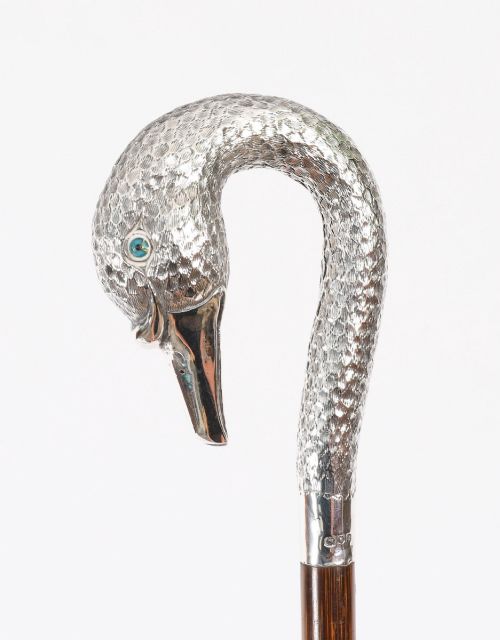
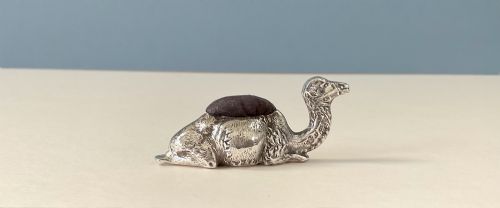
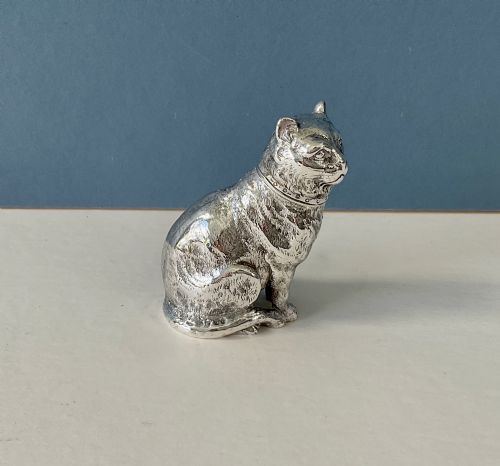
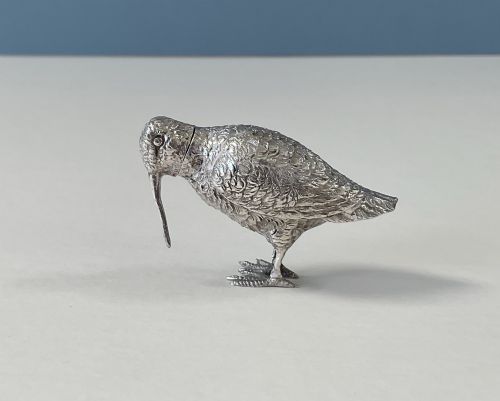
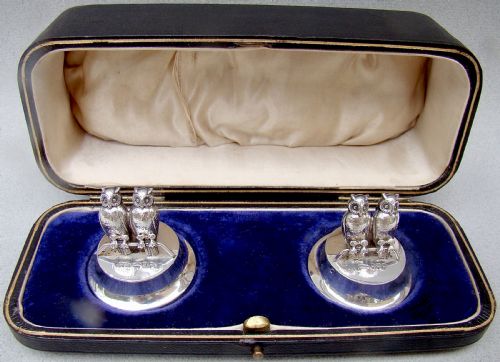
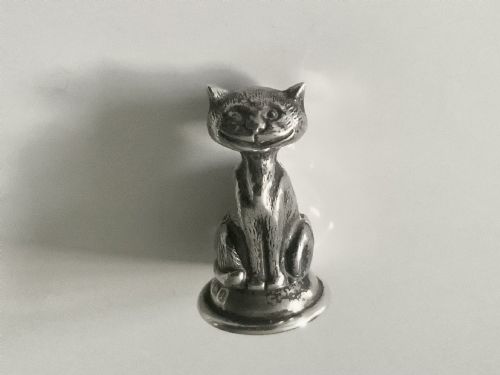
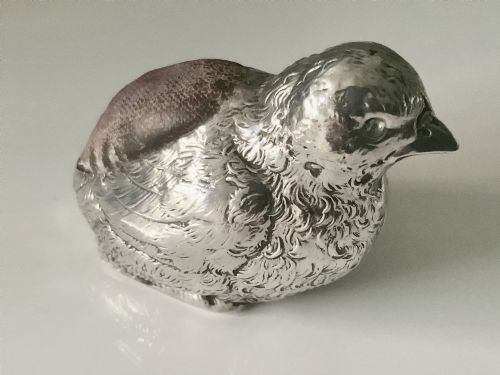
Collectors frequently encounter figural pin cushions shaped as pigs, birds, and elephants, alongside miniature desk accessories like table lighters, inkwells, and menu holders. Animal forms, particularly dogs, foxes, and cats, dominate the surviving selection across British and continental workshops.
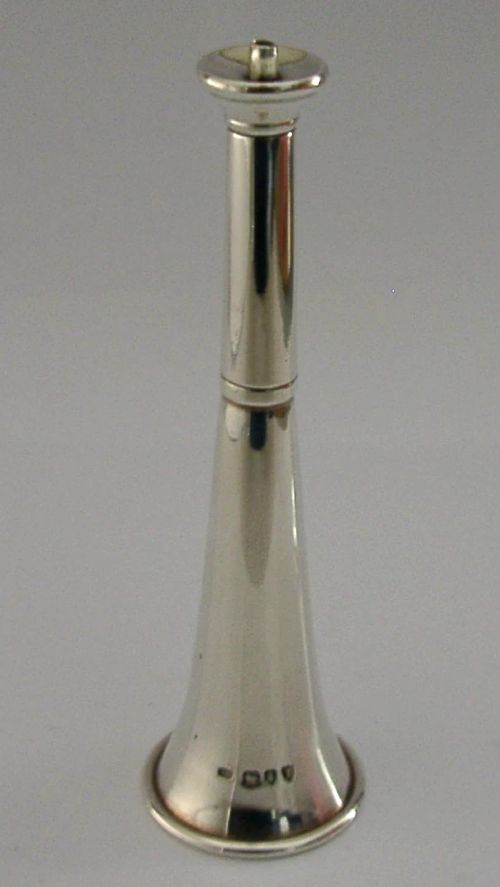
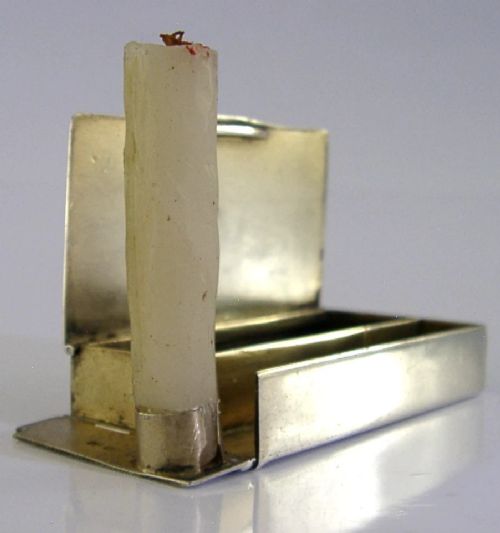
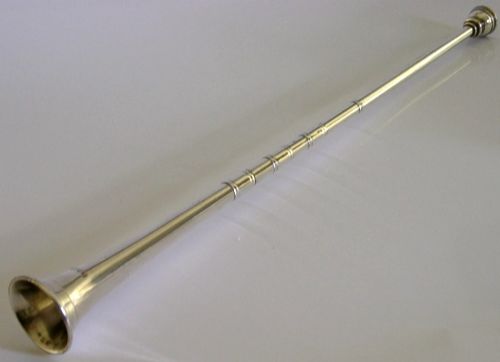
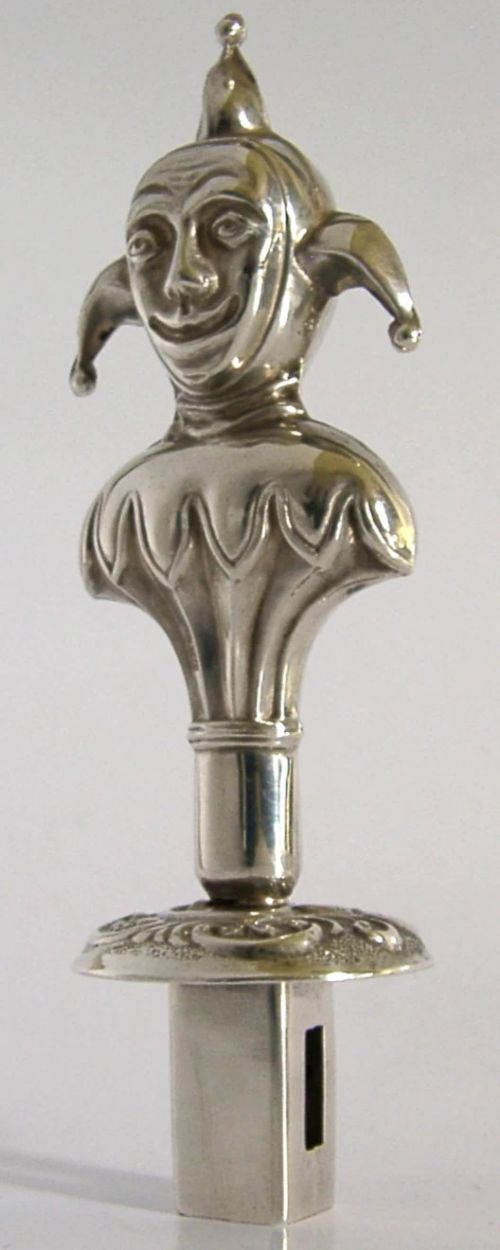
Beyond desk wares, the category includes functional pocket and vanity items such as vesta cases, bookmarks, scent bottles, and vinaigrettes styled as books, musical instruments, and hunting horns. Each surviving object merges skilled silversmithing with playful nineteenth and twentieth-century design.
Materials and Craftsmanship
Silversmiths constructed these pieces primarily using sterling silver sheet and wire, frequently combining the metal with supportive internal structures of hardwood, glass, or leather. Many figural pin cushions incorporate original velvet or fabric inserts to securely hold sewing pins.
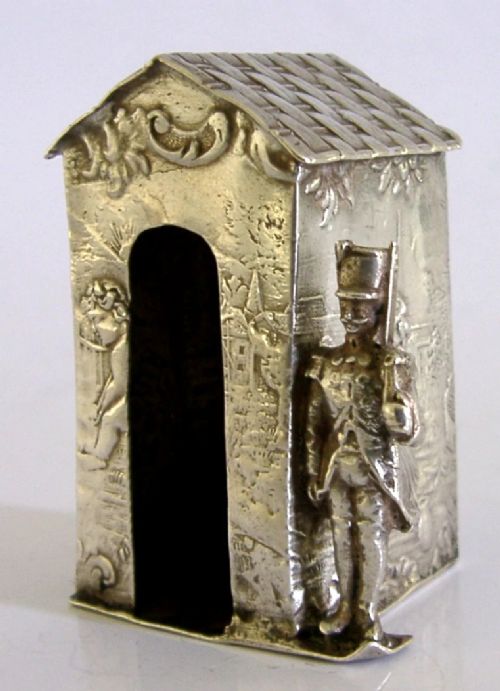
Techniques relied upon traditional hand fabrication, involving detailed chasing, repousse work, casting, and hand engraving to render realistic textures like feathers, fur, and woven fabrics. Specialised makers applied hinged lids, secure clasps, and threaded collars to ensure functional items remained practical.
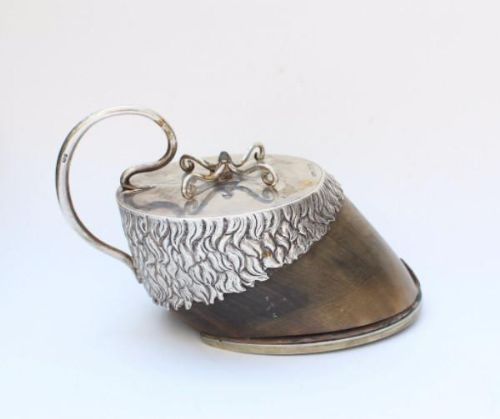
Materials span sterling silver combined with velvet, glass, leather, hardwood, steel, and fabric inserts.
Assessing Quality and Execution
Quality in sterling silver novelty rests upon the crispness of the casting and the precision of the hand-chased surface details that bring the animal or object to life. Superior pieces maintain accurate anatomical proportions and retain their original hallmarks clearly struck on the exterior or interior rims.
The degree of mechanical ingenuity also distinguishes finer examples, such as smoothly operating spring-loaded hinges on vesta cases, tightly fitted scent bottle stoppers, and intact original fabric in pin cushions. Maker attribution heavily influences distinction, with pieces bearing marks of premier workshops commanding greater recognition.
Sampson Mordan·Levi & Salaman·Taylor & Perry·Adie & Lovekin·Frederick Brasted·Edward H. Stockwell
The Sterling Silver Novelty Glossary
- Vesta case
- A small pocket container designed to hold matches, often fitted with a striking strip on the base and decorated in figural or novelty shapes.
- Vinaigrette
- A small ornamental box featuring an internal pierced grille, historically used to hold a sponge soaked in aromatic vinegar.
- Repousse
- A metalworking technique where the silversmith hammers the design from the reverse side to form a raised relief on the front.
- Chasing
- The complementary technique of sinking metal lines from the front using punches to refine surface details after repousse work.
- Hallmark
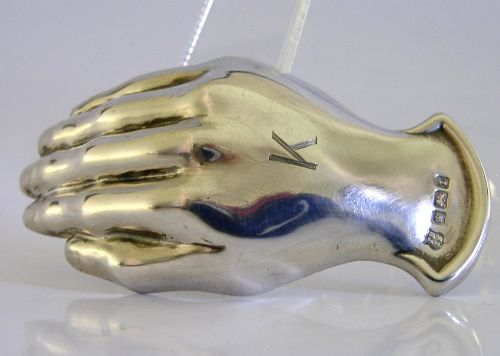
- An official stamp applied to precious metals indicating the standard of purity, the assay office, and the date letter for the year of assay.
Sterling Silver Novelty: Frequently Asked Questions
What were sterling silver novelty items used for?
These pieces served practical daily functions on desks, dining tables, and dressing rooms while providing amusement and conversational charm. Owners used them to hold pins, light cigars, mark book pages, dispense mustard, and store matches.
Despite their whimsical appearances, they were fully functional accessories manufactured for wealthy Victorian and Edwardian households. Many double as personal items like scent flasks, whistles, and pill boxes.
How can I identify the date of a novelty piece?
Dating relies primarily upon the official silver hallmarks stamped directly onto the metal surface, which indicate the specific assay office and year cycle. London, Birmingham, and Chester marks are common on British pieces from the Victorian and Edwardian eras.
Stylistic cues also help narrow the period, as naturalistic animal forms and figural desk accessories became particularly popular during the late nineteenth century. Comparing the construction style to dated archival examples confirms the era of production.
Are these silver items fragile to handle?
While solid sterling silver is durable, many novelty pieces incorporate delicate appendages, thin hinges, or textile elements like antique velvet and fabric pin cushions. Care must be taken with protruding parts such as bird beaks, animal ears, and miniature limbs.
When displaying or living with these items, place them on stable surfaces away from excessive moisture or direct handling that might strain historical joints. Gentle cleaning with a soft cloth preserves both the metal and any original stuffing.
Why do some pieces feature foreign marks?
Many imported novelty items originated from continental workshops, particularly Hanau in Germany, which specialised in historical revival miniatures and figural boxes for export. These pieces often entered Britain through import agents and received British assay office sponsor marks.
German and continental silver often carries standard foreign marks alongside import punches, reflecting global trade in luxury novelties during the late nineteenth and early twentieth centuries. Both British-made and imported pieces were prized equally by contemporary collectors.