

Antique Silver Collectables
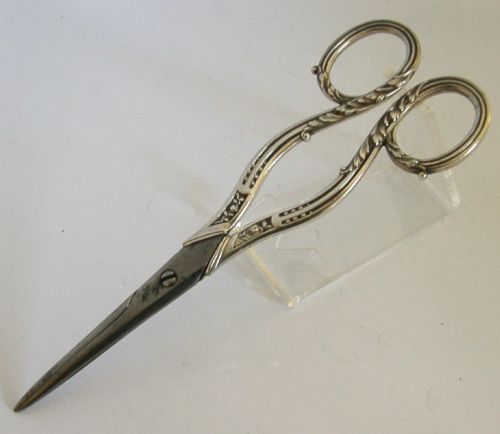
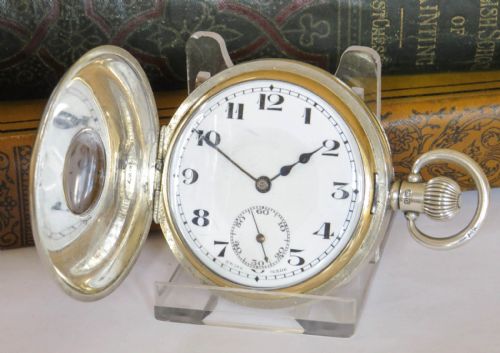
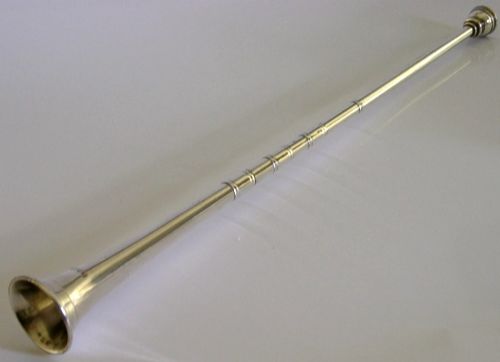
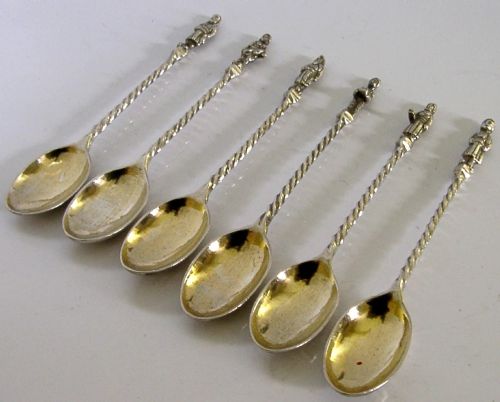
Antique silver collectables are small personal metal objects from past centuries that bring tactile history and fine craftsmanship into daily modern use.
What antique silver collectables are
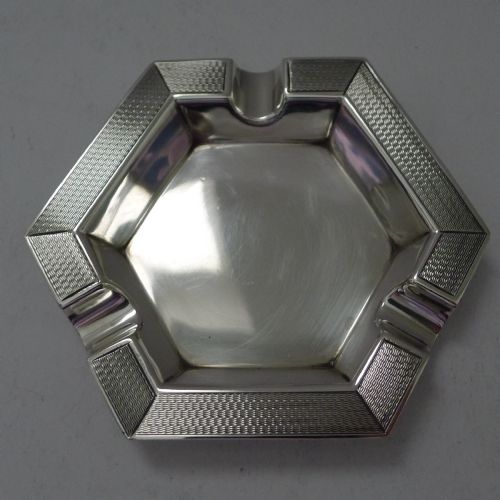
On this page, you are most likely to meet Victorian and Edwardian examples alongside pieces from the Regency and William IV periods. Snuff boxes, pin cushions, and vesta cases appear most frequently among the current selection of items.
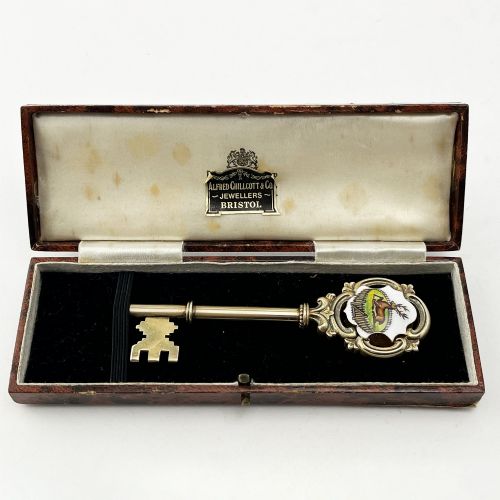
The materials paired with the metal vary across the pieces, incorporating enamel, velvet, leather, mother of pearl, and fabric. These combinations reflect the decorative tastes of the nineteenth and early twentieth centuries.
How they were made
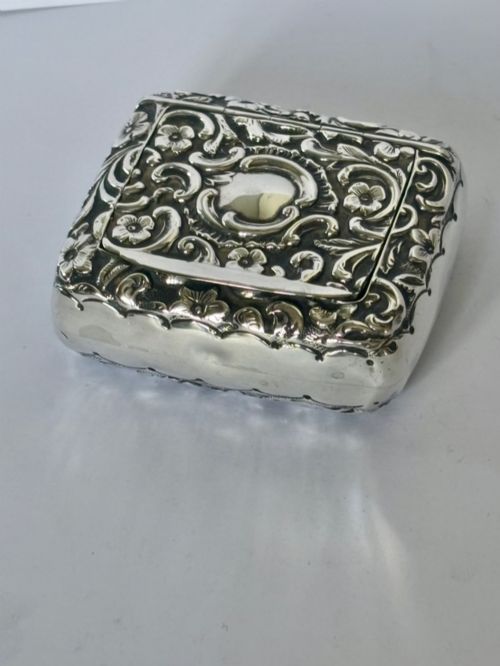
The makers utilised sterling silver and silver gilt, shaping the metal through techniques such as casting, embossing, and engraving. Detailed ornamentation adorns surfaces, from floral embossing to pictorial enamel depictions.
Many items incorporate contrasting organic and textile elements. Snuff mulls utilise rams horn with silver mounts, while scent bottles feature tortoiseshell panels secured with metal fittings.
Internal components often combine fabric and velvet linings, particularly inside cased sewing accessories and delicate containers designed to hold personal treasures.
Retail Price Guide 2026
Typical UK retail prices for silver collectables, calculated from the Sellingantiques database of over a million retail prices indexed since 2003. This retail price guide relies exclusively on Sellingantiques data; no external sources or auction records are used, so the figures do not describe the wider market.
The available object types range from infant rattles and sewing accessories to novelty animal pin cushions.
What varies in quality
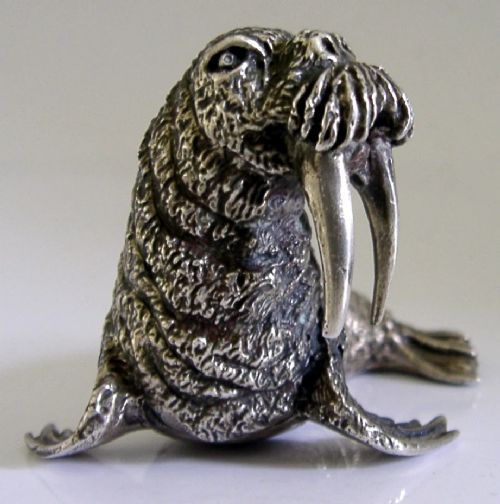
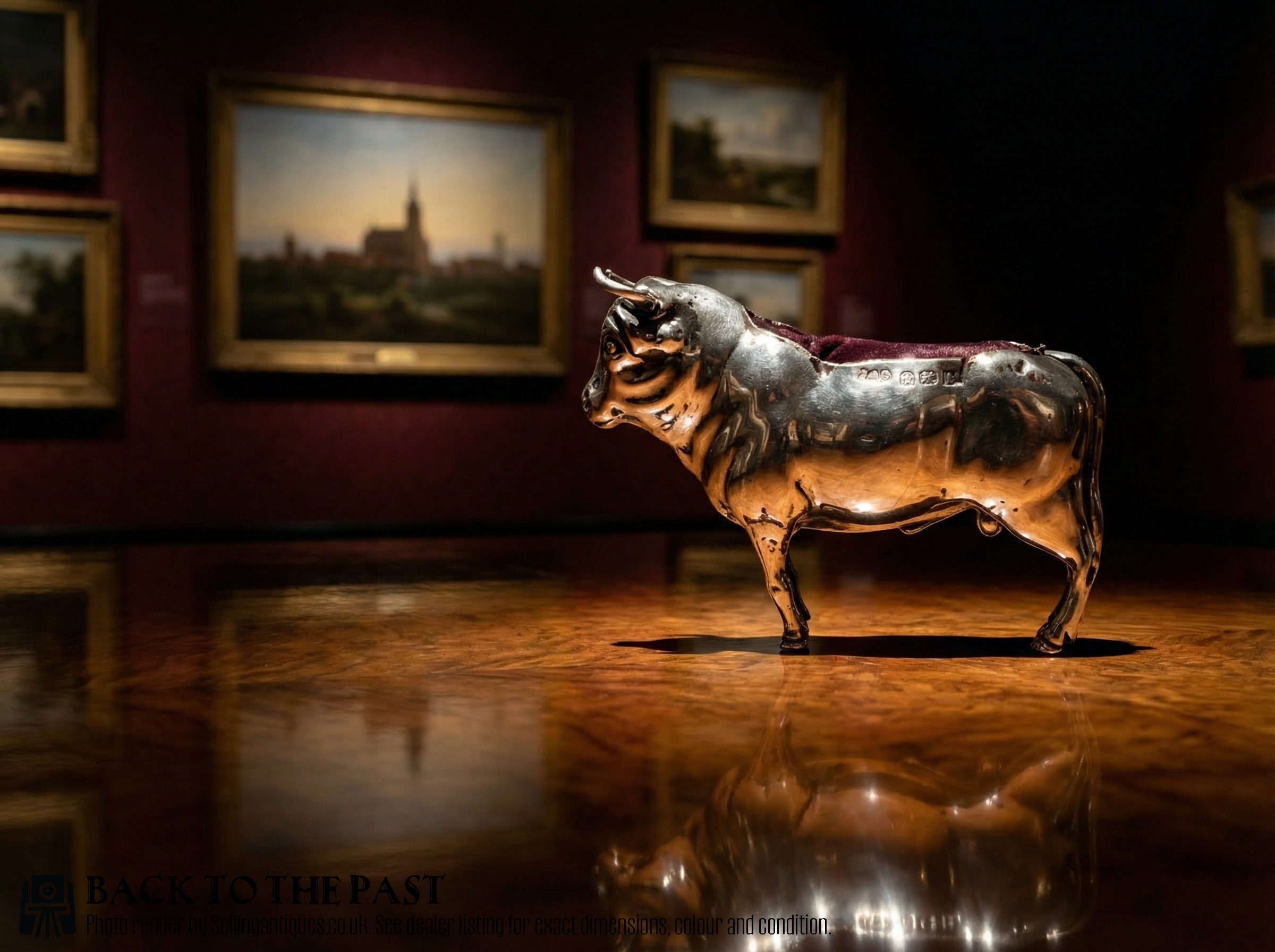
The distinction between standard items and superior examples lies in the crispness of the chasing and the complexity of the design. Novelty forms that capture realistic animal anatomy, such as dogs and bulls, demonstrate higher sculptural ambition than standard geometric containers.
The integration of secondary materials dictates the refinement of a piece. Smoothly fitted tortoiseshell panels and intact polychrome enamel work represent a higher tier of workmanship than plain metal surfaces.
Henry Matthews·Walter and George Myers·Reily and Storer
The Antique Silver Collectables Glossary
- Vesta case
- A small pocket container designed to hold matches, typically fitted with a striking stripe on the base. These cases often feature engraved decoration or novelty animal motifs.
- Vinaigrette
- A small hinged box containing a pierced internal grille, historically used to hold a sponge soaked in aromatic vinegar. The interior grill work demonstrates fine metal-piercing skill.
- Snuff box
- A small lidded container made for holding powdered tobacco. Examples range from plain metal forms to heavily embossed silver gilt pieces.
- Silver gilt
- Silver that has been coated with a thin layer of gold on its surface. This technique provides a warm golden tone while maintaining a solid silver structure underneath.
- Pin cushion
- A small decorative object stuffed with fabric and mounted in a metal base, shaped as animals or everyday items. Novelty variations are particularly sought after by collectors.
Frequently Asked Questions
What were silver vesta cases used for?
Vesta cases were carried in pockets or attached to chatelaines to keep matches dry and safe during the nineteenth and early twentieth centuries. Smokers relied on them to ignite tobacco safely while away from home.
The textured striker panel integrated into the bottom allowed the user to light a match with a single motion against the metal surface. Their compact size made them a standard personal accessory for both men and women.
How do I care for antique silver collectables?
Preserving these objects requires minimal intervention and careful handling to protect delicate enamel, velvet, and mother of pearl elements. Storing them away from direct moisture prevents corrosion of the base metal and internal fabrics.
Cleaning should be done sparingly with a soft cloth to avoid wearing down the engraved details or embossing. Aggressive liquid polishes can damage the recessed dark areas that define the decorative motifs.
How can I identify a Victorian silver piece?
Victorian items often display hallmarks stamped directly into the metal that indicate the assay office, date letter, and maker. Stylistically, they frequently utilise deep embossing and naturalistic floral motifs.
The presence of maker names like Henry Matthews or Walter and George Myers points directly to this nineteenth century period. Comparing the weight and construction style further confirms the era.