
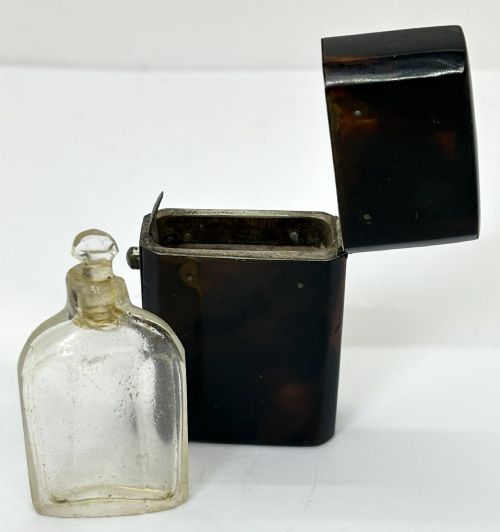

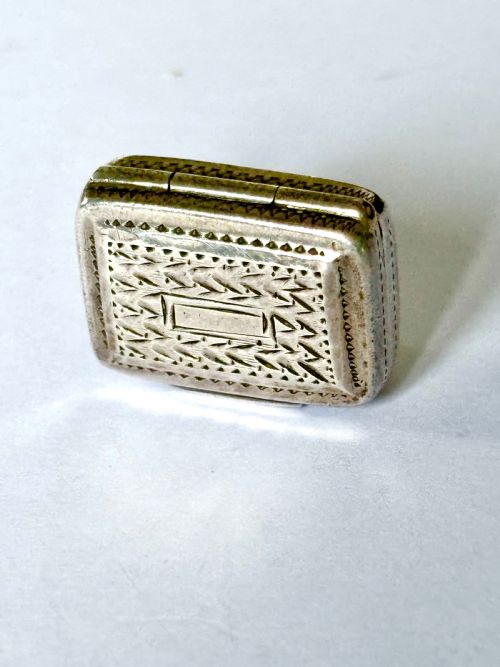


Antique Silver Scent Box
An antique silver scent box is a tiny pocket receptacle designed to hold perfumed sponges, bringing portable fragrance to the Victorian and Georgian person.
What an antique silver scent box is
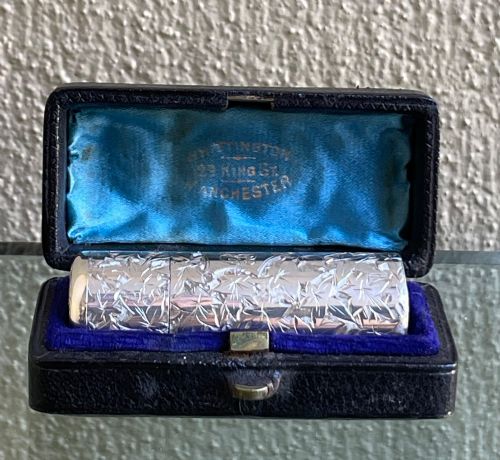
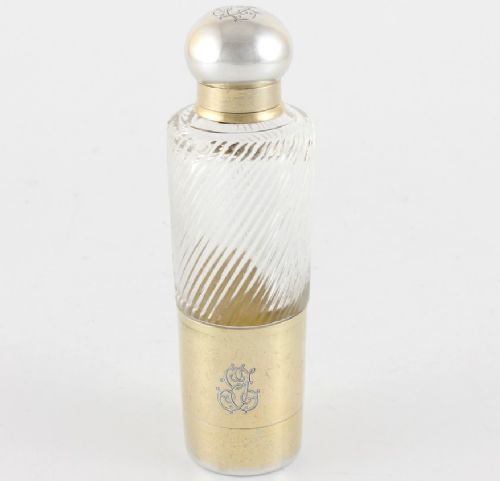
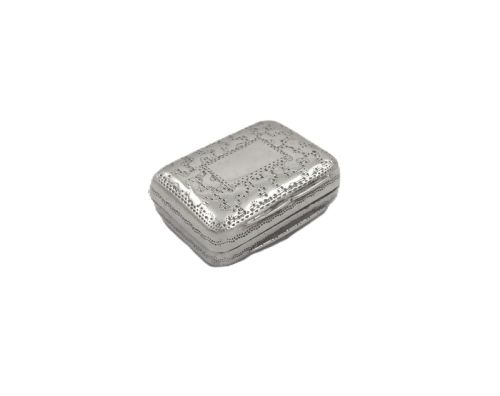
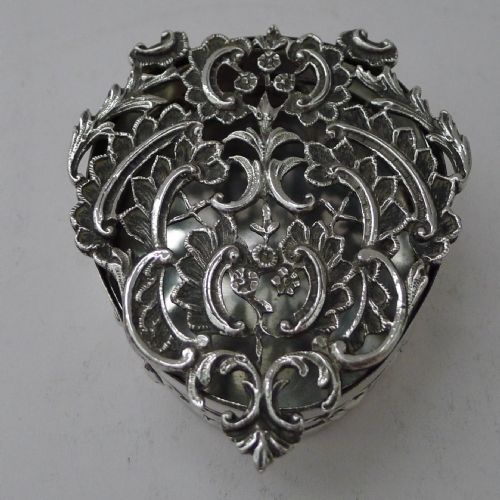
When you search for an antique silver scent box, you encounter miniature containers created to hold aromatic vinegars or perfumes during periods when odours were pervasive. These pieces commonly take the form of vinaigrettes, which house a pierced internal grille rather than a simple hollow well.
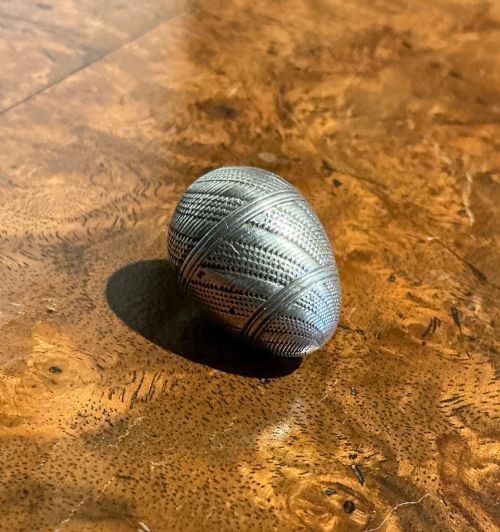
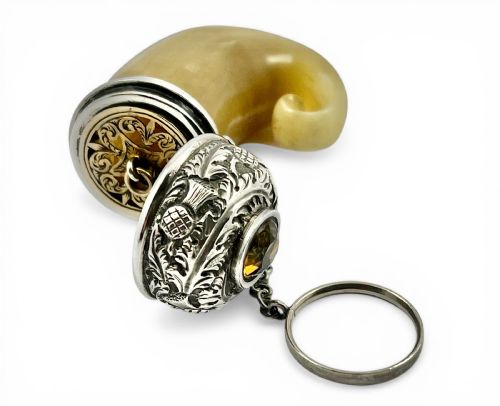
The versions you meet on this page span the Georgian, William IV, and Victorian eras, reflecting shifting tastes in small silverwares. Their forms include naturalistic shapes like walnuts, circular containers, and architectural castle top designs.
Makers from London and Edinburgh produced these small silver accessories for affluent patrons who required personal deodorising items in daily life. Each piece demonstrates the intense concentration of silversmithing skill applied to objects intended for the pocket or chatelaine.
How they were made
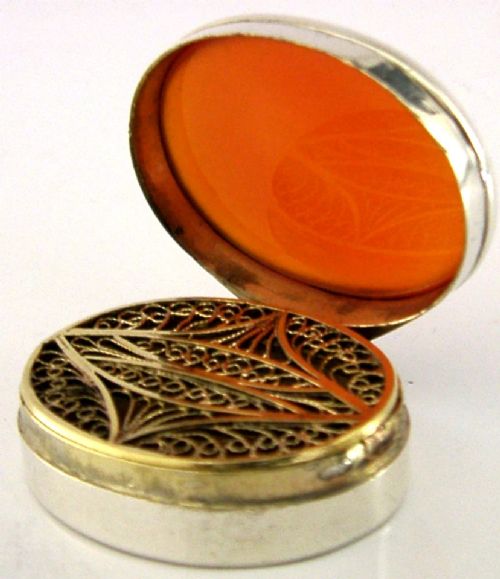
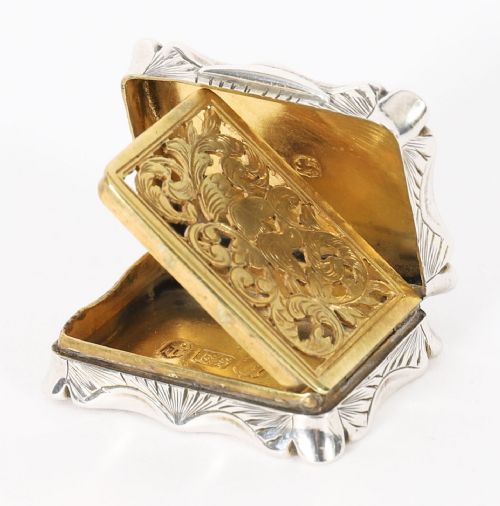
Silversmiths utilised sterling silver for the primary body of each box, frequently applying gold gilt to the interior to protect the metal from the corrosive nature of strong vinegars. This mercury gilding technique imparts a rich, warm yellow hue to the inside compartments.
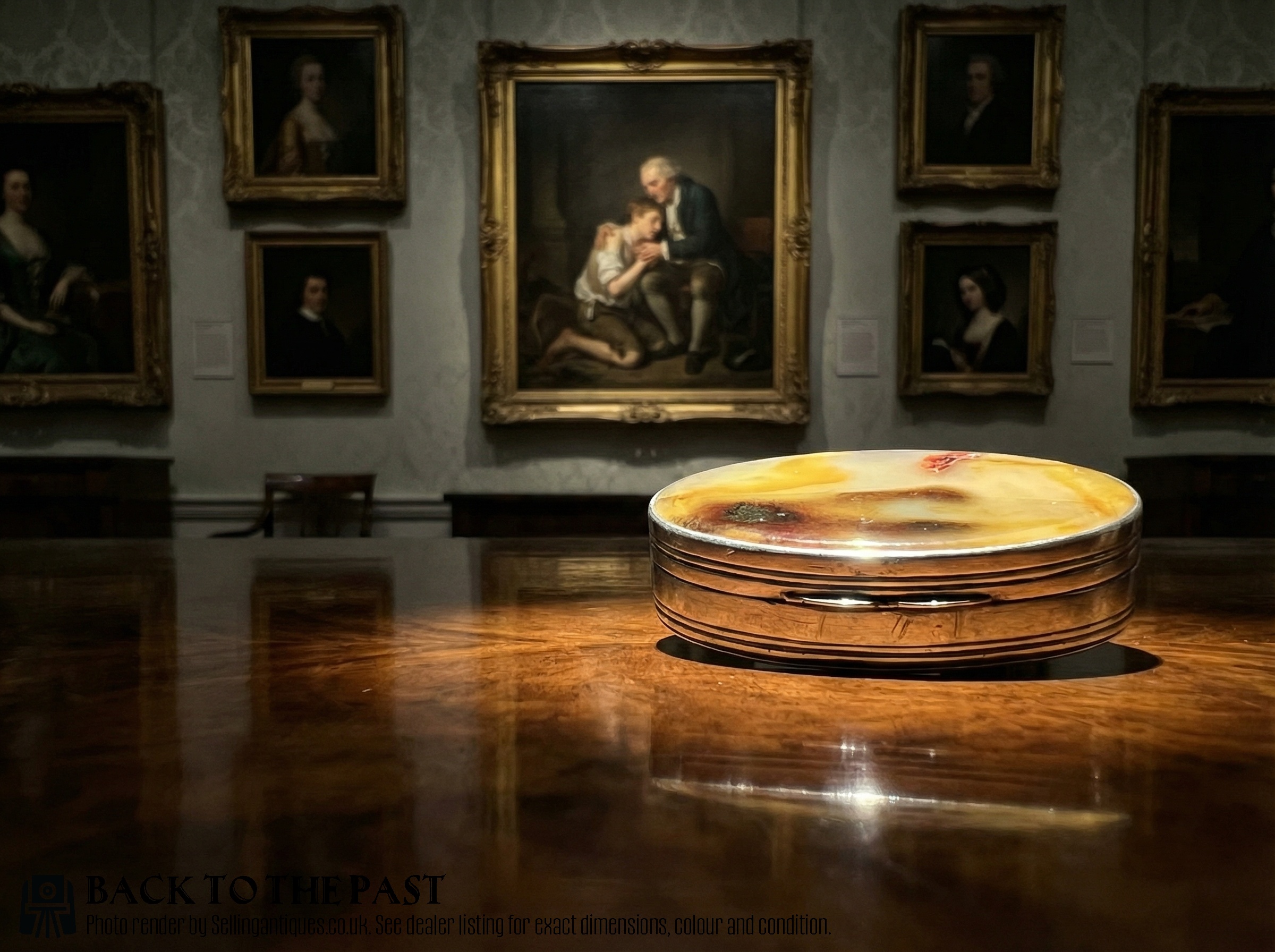
The internal grilles were pierced, engraved, or saw-cut by hand into intricate floral, geometric, or pictorial patterns that allowed the scent to diffuse while keeping the damp sponge secure. Exterior surfaces display deep chased decoration, engine-turning, or mounted hardstones such as agate.
Specialised workshops also produced castle top boxes by stamping or casting detailed topographical scenes onto the lids, depicting specific landmarks like Christchurch College, Oxford.
Retail Price Guide 2026
Typical UK retail prices for silver scent box, calculated from the Sellingantiques database of over a million retail prices indexed since 2003. This retail price guide relies exclusively on Sellingantiques data; no external sources or auction records are used, so the figures do not describe the wider market.
Victorian ladies relied on these tiny boxes to survive the stench of nineteenth-century city streets.
What varies in quality
Quality in these small containers rests upon the crispness of the exterior chasing and the delicacy of the internal grille piercing. A superior piece exhibits sharp architectural detail or floral motifs that remain clear even after extensive handling.
The integration of unusual materials, such as a carved agate lid or a naturalistic walnut shape, elevates a piece beyond standard production. Furthermore, the precision of the hinge and the tightness of the closure distinguish master silversmiths from routine manufacturers.
Samson Mordan·REILY AND STORER
The Antique Silver Scent Box Glossary
- Vinaigrette
- A small box containing a perforated grille, designed to hold a sponge soaked in aromatic vinegar. These portable containers were essential personal accessories in centuries past.
- Silver gilt
- Sterling silver that has been coated with a thin layer of gold. This process protected the silver from corrosion caused by acidic vinegars.
- Castle top
- A style of silver lid featuring a detailed relief view of a famous building or landmark. These pictorial scenes required specialised die-sinking skills.
- Agate
- A form of chalcedony quartz showing coloured bands, frequently used for the inset lids of boxes. This decorative stone provided a colourful contrast to plain silver.
- Chatelaine
- A decorative belt hook from which women suspended small utilitarian items like scent boxes and keys. It functioned as both jewellery and a portable toolbox.
Frequently Asked Questions
How do I date an antique scent box?
Dating these pieces relies on examining the hallmarks stamped on the silver. Assay office marks, date letters, and maker's marks provide precise years and locations of manufacture.
Stylistic cues also help determine the period, such as the architectural detail of Victorian castle tops or the restrained lines of Georgian designs.
Why is the inside gold?
The golden interior of a silver vinaigrette is actually a layer of gold gilt applied to the sterling silver. This gilding protected the base metal from corrosion caused by acidic vinegars.
Without this protective layer, the strong aromatic liquids would quickly tarnish and pit the silver interior.
What are castle top boxes?
Castle top boxes feature lids embossed or cast with detailed topographical views of famous British buildings and landmarks. They represent a specific nineteenth-century manufacturing technique.
Collectors prize these pieces for their miniature sculptural accuracy in depicting recognisable places like Oxford colleges.