
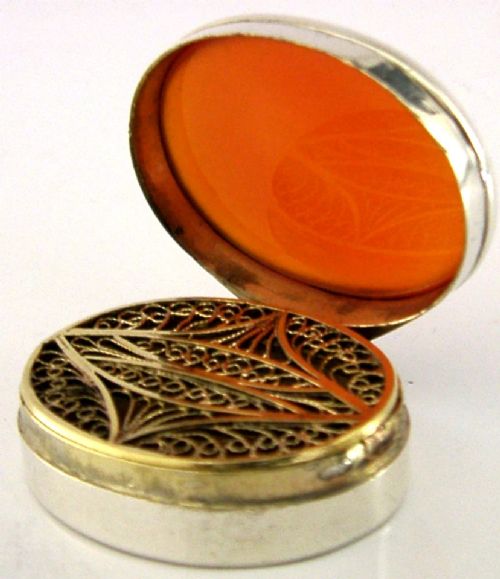


Silver and Agate Box
A silver and agate box combines cold polished stone with gleaming metal, offering a tactile pocket-sized treasure for daily use.
Silver and Agate Box
When you search for a silver and agate box, you are looking at small personal containers designed to hold snuff, smelling salts or small trinkets. These pieces pair natural banded chalcedony with sterling silver, often forged in Georgian and Victorian workshops.
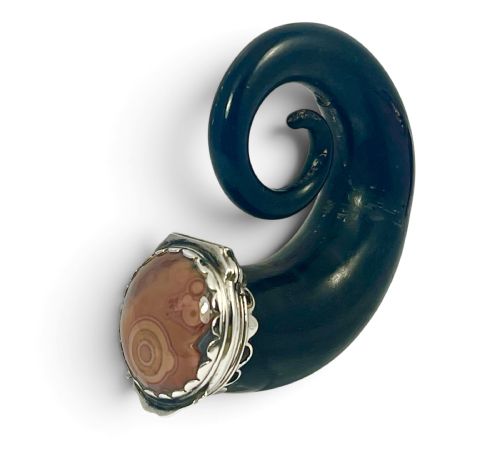
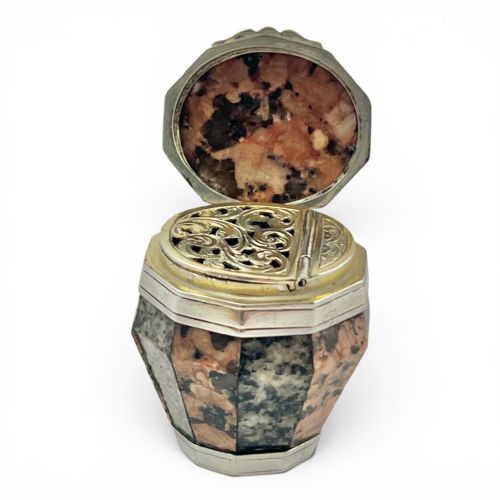
The most common version you will meet on this page is the pocket-sized snuff box or vinaigrette, featuring a polished stone lid set into a hinged metal frame. Scottish provincial examples frequently incorporate granite and horn alongside the signature agate.
Makers shaped these items for practical carry in the pocket or display on a dressing table. They survive in various geometric forms, including oval, rectangular and barrel shapes.
Materials and construction
Silversmiths constructed the frames from sterling silver or gilt metal, utilising hinge-work and bezel settings to secure the mineral panels. The metal is frequently marked with hallmarks indicating the assay office and date of production.
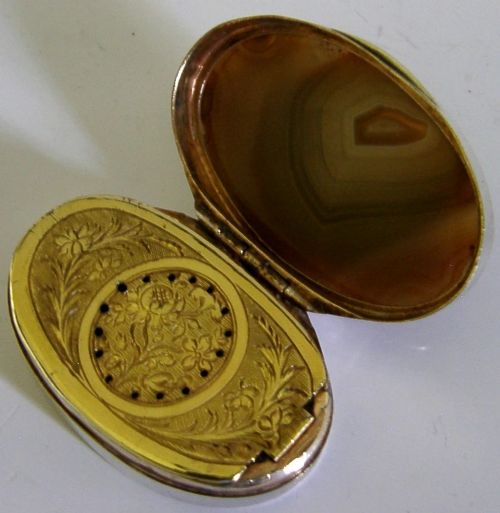
The agate stones were sliced thin, polished to a high gloss to reveal natural banding, and fitted tightly into the metal housing. Interior gilding was often applied to protect the silver from the corrosive nature of contents like damp snuff.
Some Victorian Scottish boxes incorporate stag horn alongside stone, turning a humble woodland material into pocket-sized finery.
The spectrum of quality
Quality rests in the depth of the stone and the crispness of the silversmith's hand. Superior examples display striking natural translucency and intricate engraving across the silver mounts rather than plain, heavy stamping.
The tightness of the hinge and the precision of the stone fit determine the grade of the piece. A well-made box closes with a firm click, showing no gaps between the mineral lid and the metal body.
Hilliard & Thomason·Edward Smith·J. Fraser
The Silver and Agate Box Glossary
- Agate
- A form of cryptocrystalline quartz displaying distinct colour bands. It takes a high polish and forms the lid or body panels of these containers.
- Vinaigrette
- A small hinged box containing a pierced internal grille. This grille held a sponge soaked in aromatic vinegar for freshening the air.
- Snuff box
- A small pocket container designed to hold ground tobacco. The lids required precise sealing to keep the contents dry.
- Silver gilt
- Silver that has been coated with a thin layer of gold on the surface. This technique added warmth of colour and protected the underlying metal.
Silver and Agate Box: Frequently Asked Questions
What were silver and agate boxes used for?
These small containers served primarily to hold dry snuff or aromatic vinegars for personal refreshment.
Owners carried them in pockets or reticules as both practical accessories and displays of personal taste.
How do I date a silver box?
Dating relies heavily on the stamped hallmarks found on the metal components, which indicate the assay office and year of creation.
Stylistic shifts in the cutting of the stone and the shape of the hinge also help assign a piece to the Georgian or Victorian era.
Are all these boxes Scottish?
Many examples originate from Scottish workshops, particularly those incorporating local agate, granite or horn.
English makers also produced similar items, utilising imported stones within standard London or Birmingham silver frames.
How do I clean the stone?
Agate is a hard quartz that requires only a gentle wipe with a soft, dry cloth to maintain its polished surface.
Harsh chemical dips must be avoided because they damage the historic silver mounts and ruin the natural mineral finish.