
Antique Silver Vinaigrettes
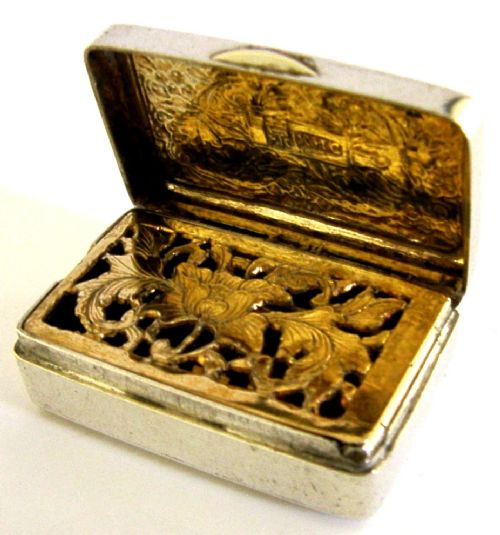
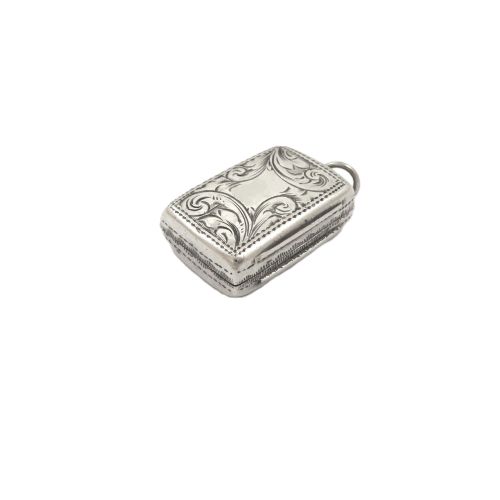
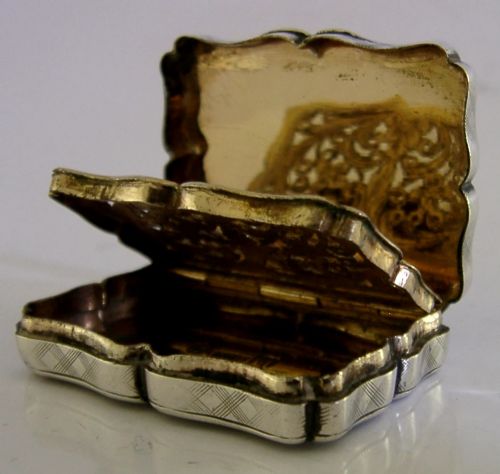
A vinaigrette is a small hinged silver box with a pierced inner grille, made to hold a sponge soaked in aromatic vinegar and carried in a pocket or reticule to be sniffed against faintness and bad air.
Antique Silver Vinaigrettes
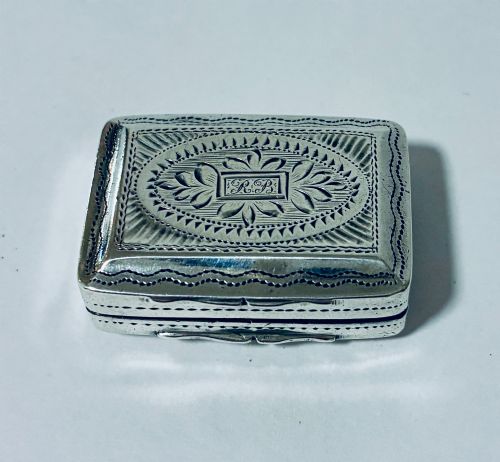
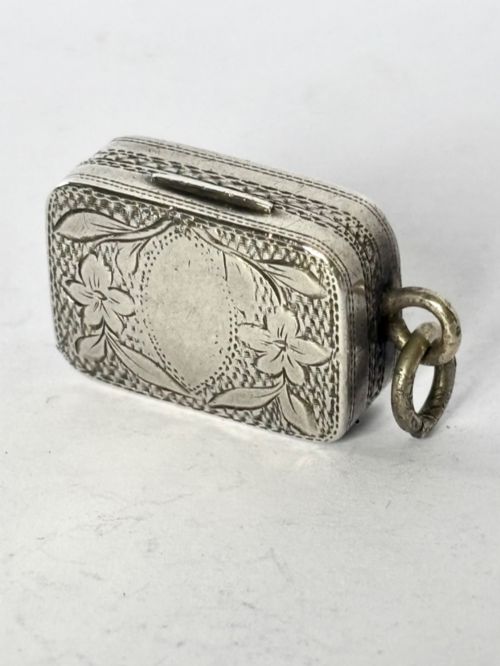
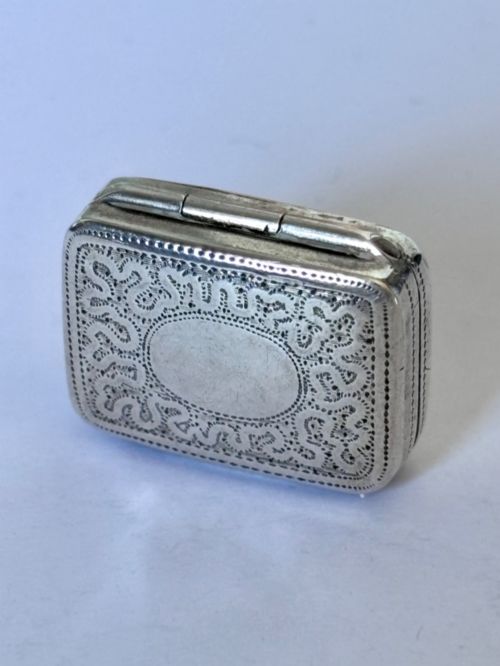
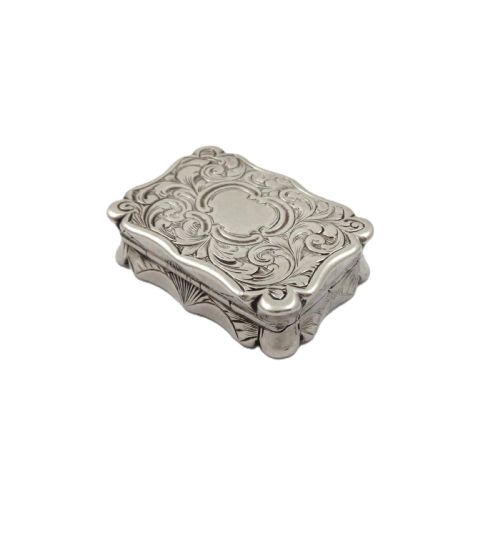
Take the word off a listing and the likeliest thing behind it is a small rectangular hinged box, plain or engine-turned, with a gilded interior and a pierced grille lifting out over the sponge well. Birmingham is named in 45 of the 332 titles on Sellingantiques and is the assay town of record for the category. Gilding is named in 55.
Titles run to a formula: monarch or period, metal, maker, assay town, year. Victorian appears in 119 titles and Georgian in 86, and the dated field carries the same habit, with only 96 listings out of 332 giving a clean year. Where years are stated they run from 1800 to 1910, so read Georgian or 19th Century as a bracket rather than a date.
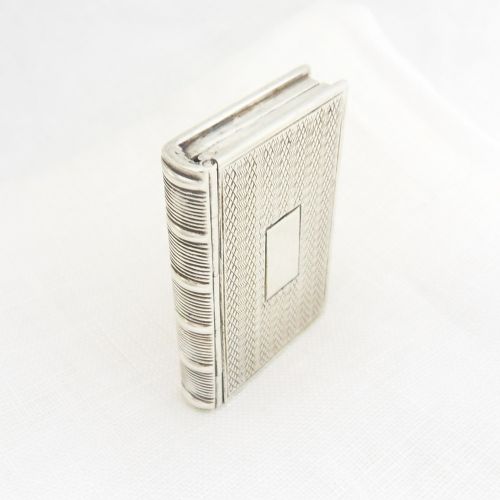
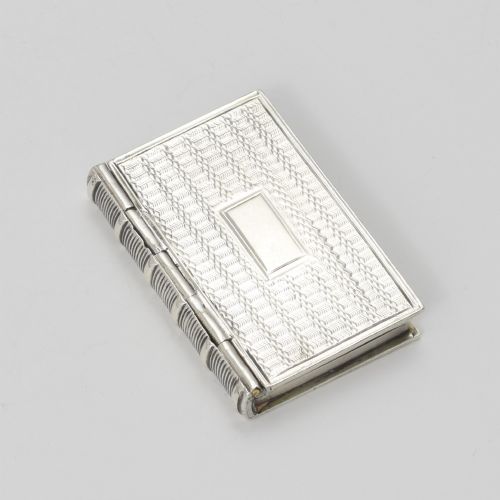
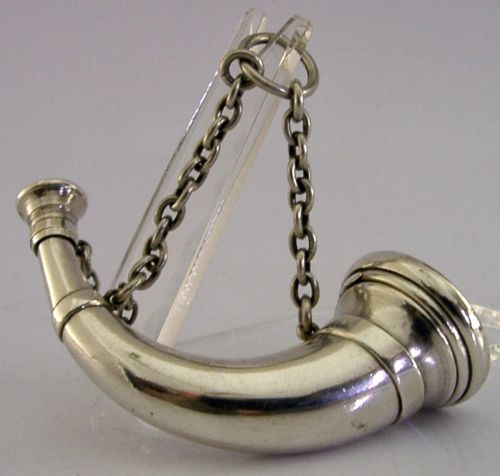
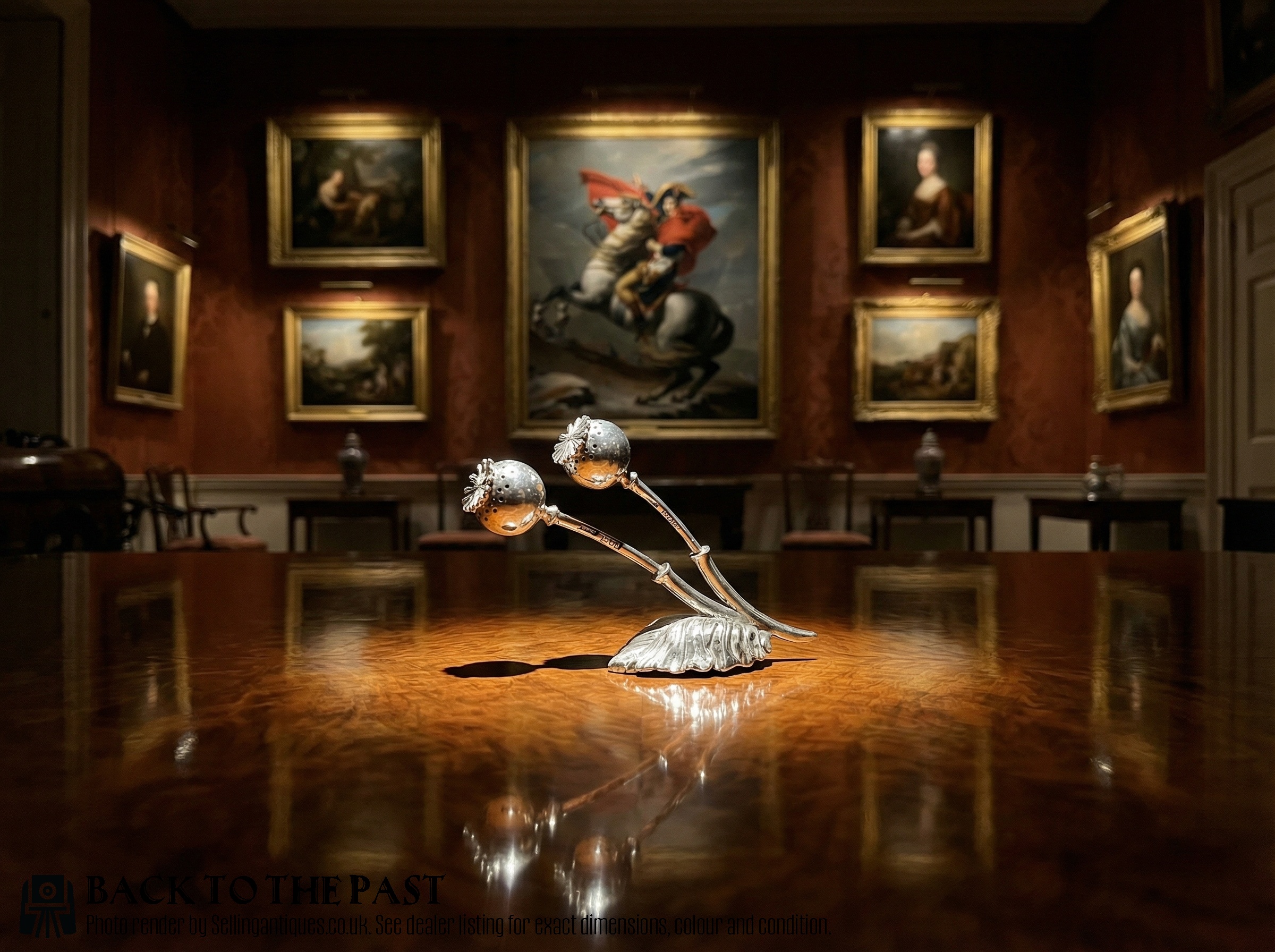
Beyond the plain boxes sit two other families. Novelty and figural forms make up a substantial minority: purses and satchels, books, acorns, shells, eggs, a swan, a walnut, an articulated fish, a hunting horn with whistle. Castle tops, lids chased with a named building, are scarcer than their reputation suggests at 9 titles.
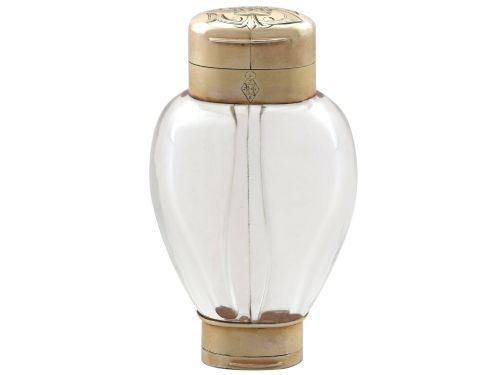
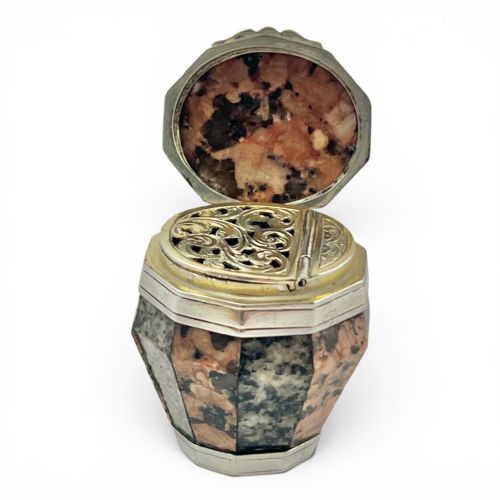
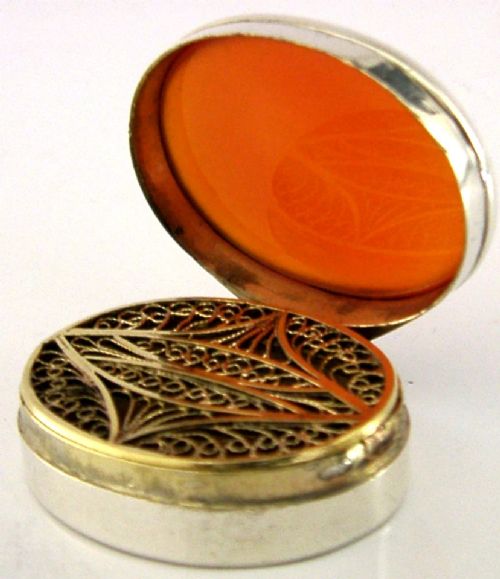
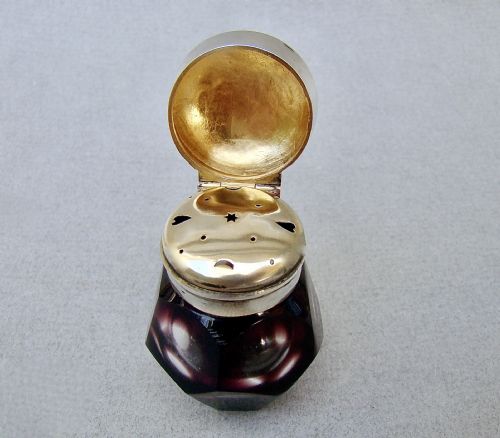
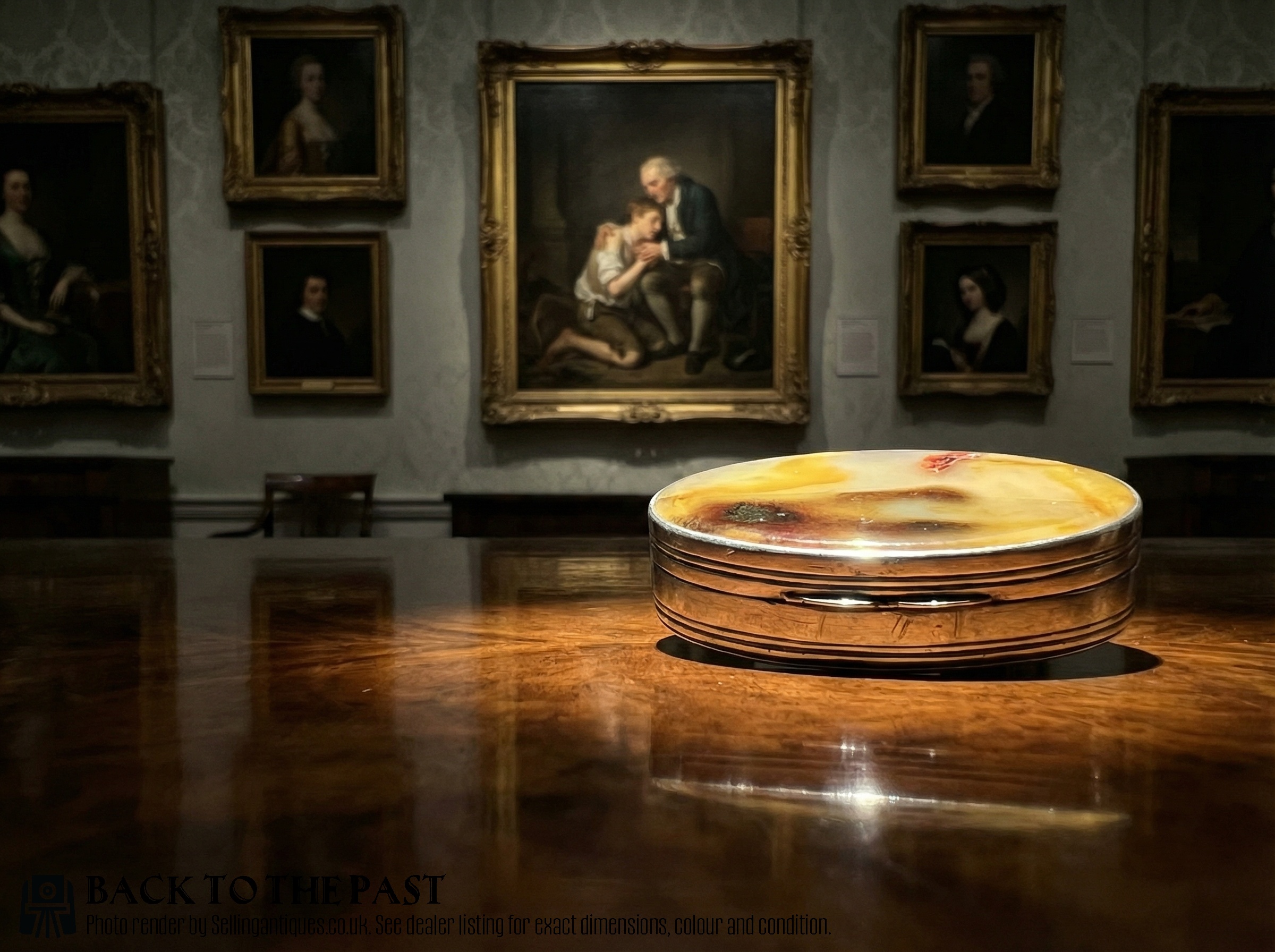
The second family is silver-mounted coloured glass and hardstone. Amethyst, cranberry, opaline, ruby, Bristol blue, Bristol green, amber and uranium yellow all turn up, most catalogued around 1880 to 1890, alongside agate, carnelian, citrine and lapis. A consistent thread of pieces doubles as a scent bottle, several hung on chatelaine chains.
What Sets Them Apart
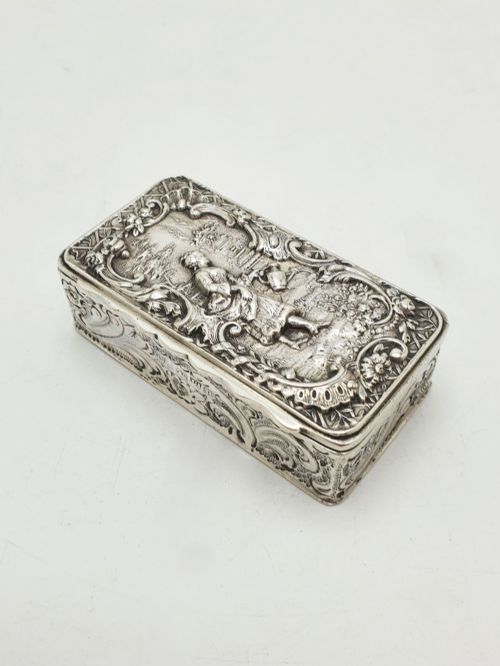
The lid does most of the work. A named view chased on the cover pushes a box to the very top of the range, and the archive's castle tops name Windsor, Kenilworth, Abbotsford, Newstead Abbey, the Scott Monument, St Paul's and Christchurch College, Oxford, the last of these sitting highest of all. Plain and engraved period boxes fill the lower and middle ground.
Modelling counts next. Figural forms cluster well above the flat rectangles, and the oddest of them appear exactly once in the whole archive. Scottish work and hardstone mounts behave the same way, with agate, granite and citrine examples showing up repeatedly near the upper end.
A named maker lifts a box, though unevenly. Nathaniel Mills is in 38 titles and runs from the middle of the range to the very top, with his castle tops and cased pieces at the head of it. Gilding, a stated assay town and year, and a surviving fitted case of red Moroccan leather or velvet all nudge a listing upward.
Antique Silver Vinaigrettes Retail Price Guide 2026
Typical UK retail prices for silver vinaigrettes, calculated from the Sellingantiques database of over a million retail prices indexed since 2003. This retail price guide relies exclusively on Sellingantiques data; no external sources or auction records are used, so the figures do not describe the wider market.
Nathaniel Mills is the maker named by the most dealers on Sellingantiques, appearing in 38 vinaigrette titles across the full width of the range.
Nathaniel Mills·Samuel Pemberton
The Antique Silver Vinaigrettes Glossary
- Grille
- The pierced inner plate that sits over the sponge, hinged inside the lid. Titles single out decorated and foliate ones.
- Silver gilt
- Gold-plated silver, used inside to resist the vinegar and sometimes carried over the whole box. Named in 55 titles.
- Sterling
- The .925 standard, used in 60 titles, with a further 17 saying solid to the same effect.
- Castle top
- A lid chased with a named building or monument. Picture top is the wider term, used in the archive for scenic and figural lids alike.
- Valise, satchel, purse
- Novelty forms modelled as luggage or a bag, purse being the commonest of the three.
- Hovedvandsæg
- A Scandinavian heart-shaped scent and vinaigrette form; one 18th-century example appears.
Antique Silver Vinaigrettes: Frequently Asked Questions
Why do so many listings say Georgian rather than a year?
Dealers file these by period as often as by date. Of 332 listings, 101 are catalogued Victorian and 82 Georgian, with a further 31 as simply 19th Century.
Only 96 carry a clean year in the dated field. Where years do appear they run from 1800 to 1910.
Which assay office turns up most?
Birmingham, named in 45 titles and the assay town of record for the category.
Edinburgh, London and Sheffield appear far less often. The unusual origins in the archive include a Scandinavian heart-shaped box, a Hanau shoe, a French cornucopia, an Austrian enamel box and an American purse.
What is a castle top vinaigrette?
A box whose lid is chased with a named building or monument. The views recorded here are Windsor, Kenilworth, Abbotsford, Newstead Abbey, the Scott Monument, St Paul's and Christchurch College, Oxford.
They are scarcer than their reputation suggests, appearing in 9 of 332 titles, and they sit at the top of the range.
Are novelty shapes common?
They form a substantial minority. Purses, satchels, books, acorns, shells, eggs and horns recur, and the strangest of them turn up once each across the whole archive.
Among the one-offs are an articulated fish, a swan, a mussel, a walnut, a snake, a cowrie shell, a thimble, a fob watch and a rose-spray brooch.
Do coloured glass vinaigrettes exist?
Yes, silver-mounted glass forms a distinct seam, roughly a tenth of the listings. Amethyst, cranberry, opaline, ruby, Bristol blue, Bristol green, amber and uranium yellow all appear.
Most are catalogued around 1880 to 1890. Hardstone mounts sit alongside them: agate, carnelian, citrine, lapis lazuli and granite.
How many come up for sale?
Around 45 a year are listed on Sellingantiques, and 50 different dealers have handled them.
That spread means the category sits across the trade generally rather than with a handful of specialists.