


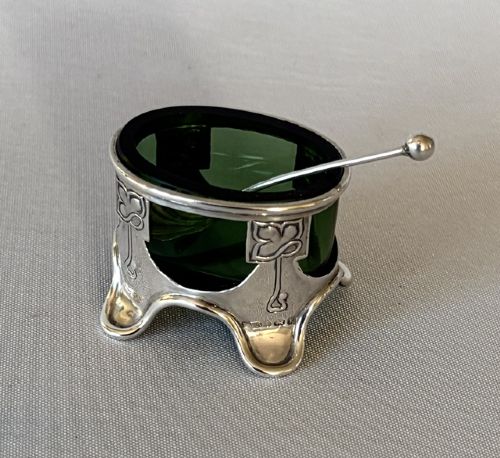
Antique Silver Salt Cellars
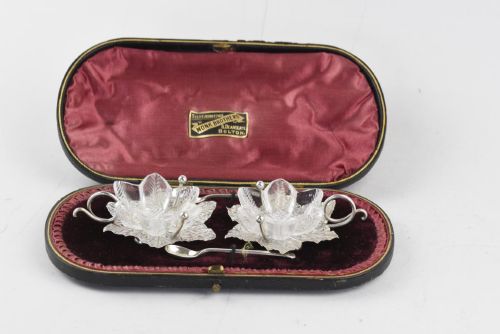
A salt cellar is a small open silver bowl for table salt, set at each place or shared between two, and usually sold in pairs.
Antique Silver Salt Cellars
Open salts came onto the European table in the seventeenth century, as salt moved from one ceremonial standing salt to small dishes spread along the board. They stayed part of the silver table service until shakers and closed condiment sets displaced them in the twentieth century.
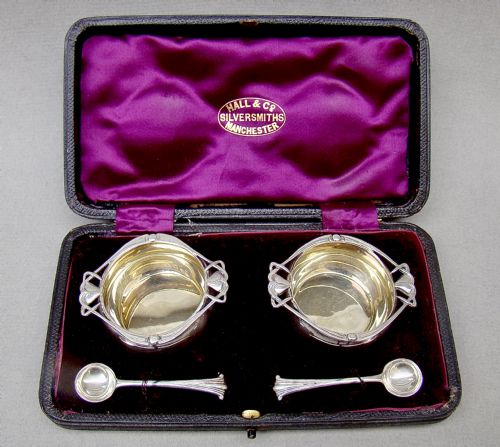
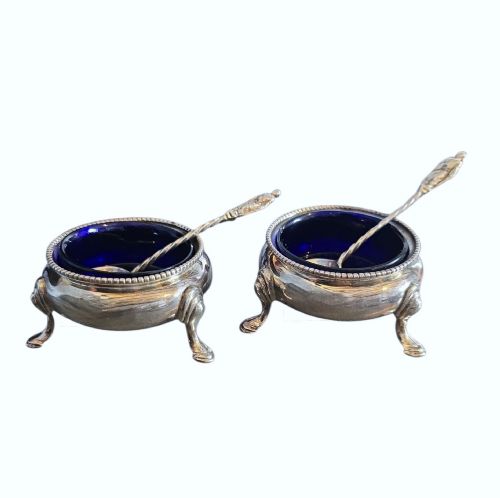
The form you'll meet most often on Sellingantiques is a pair of Victorian sterling salts. "Pair" is the single commonest word in titles, and Victorian is the largest dated group, ahead of Georgian. Some come cased, some with matching spoons, and glass liners in cobalt, blue or cranberry are named in a handful of titles.
Around half the listings are English sterling open salts, with London and Birmingham the assay towns named most often and Sheffield, Chester and Edinburgh appearing only once or twice. Georgian trencher, cauldron and boat shapes account for about one in eight.
The heading covers more than open salts alone. Cruet and condiment sets take roughly a fifth, novelty and figural pieces around one in ten, and silver plate runs through as a small but persistent seam. Dealer dates span 1750 to 1960, so Art Deco condiment sets of the 1930s and 1940s sit in the same category as eighteenth-century trenchers.

What Sets Them Apart
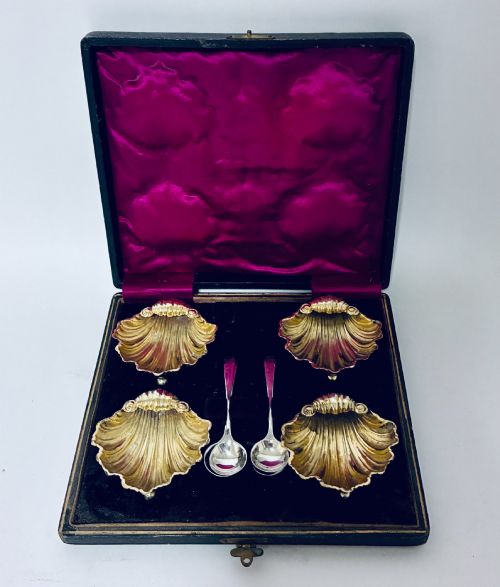
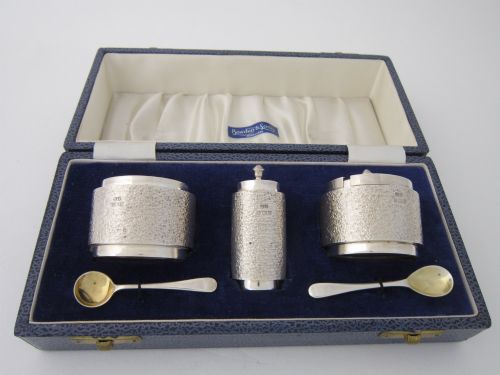
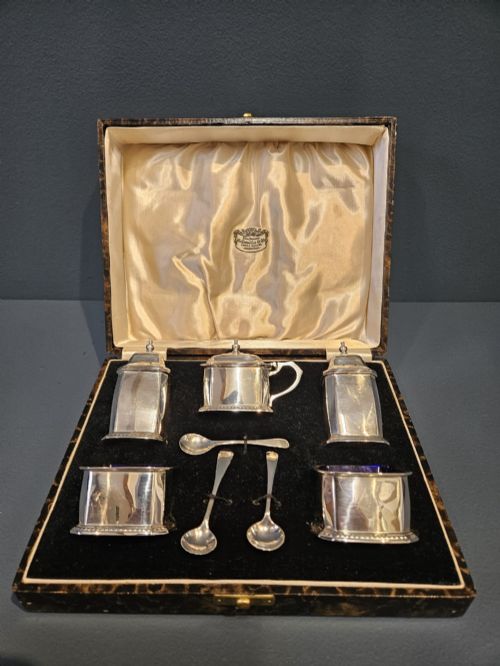
Completeness does more work here than anything else. Sets of four, five and six sit at the top of the range, pairs make up the broad middle, and a single salt or a lone spoon sits at the bottom. An original fitted case, and the matching spoons inside it, pushes a set further up again.
Hallmarked sterling outranks plate. Plated salts and cruet stands cluster in the lower and middle bands, and only the elaborate figural plated cruets climb higher. Stated weight tracks the same way: titles quote anything from a small Victorian pair of a few dozen grams to a large double salt of several hundred, and "large" turns up repeatedly in the upper half.
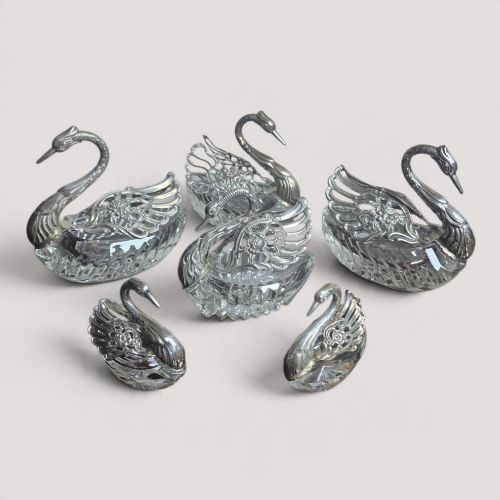
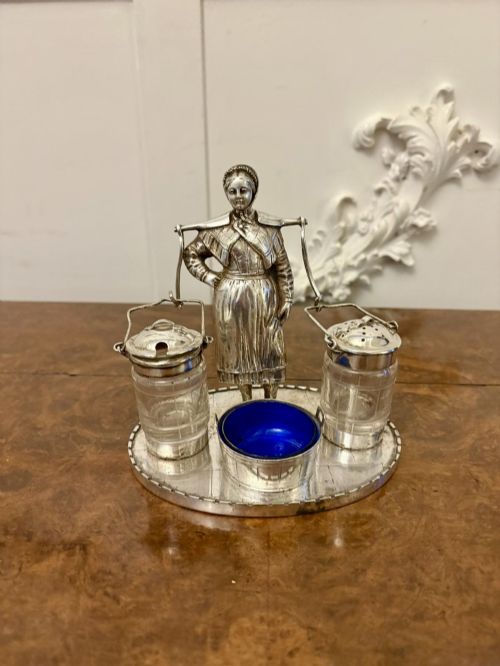
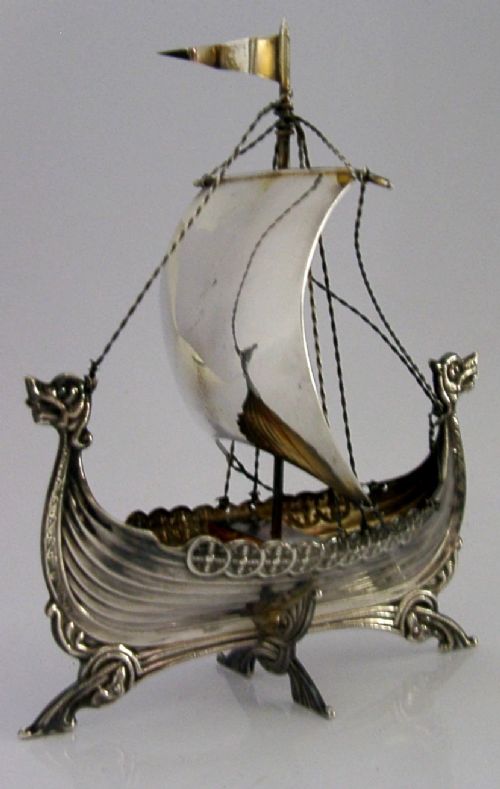
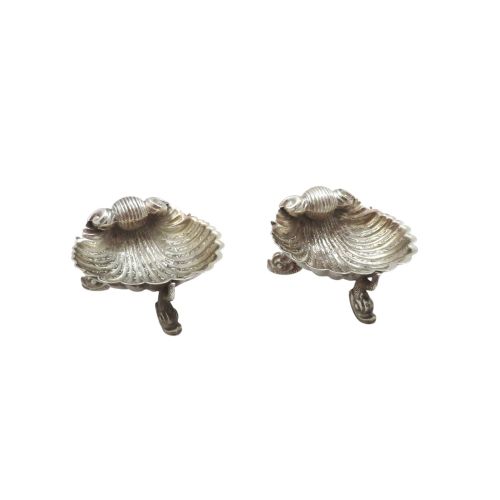
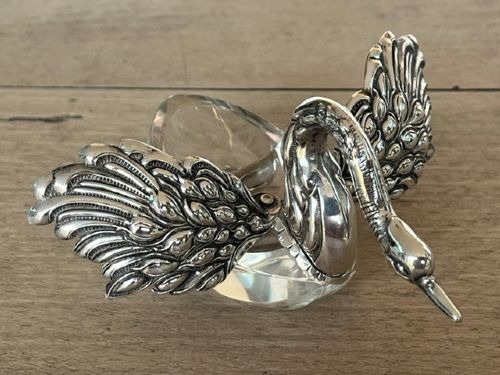
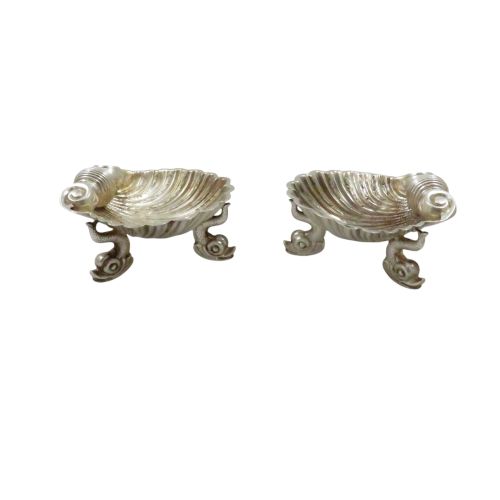
Modelling is the wild card. Plain lobed and shell salts sit low, while the figural pieces reach the very top - chicks, an owl set, eagles, swans with movable wings, dolphins, a Viking longship, a violin cruet. Foreign silver is a thin but real seam, with Norwegian enamel salts appearing more than once.
Antique Silver Salt Cellars Retail Price Guide 2026
Typical UK retail prices for silver salt cellars, calculated from the Sellingantiques database of over a million retail prices indexed since 2003. This retail price guide relies exclusively on Sellingantiques data; no external sources or auction records are used, so the figures do not describe the wider market.
Victorian is the period label used most on Sellingantiques for silver salt cellars, with Georgian next and the 1930s third.
The Antique Silver Salt Cellars Glossary
- Salt cellar / open salt
- A small open bowl for table salt, as opposed to a pierced shaker. Titles use "cellars" and "salts" interchangeably for the same object.
- Sterling / solid silver
- Hallmarked silver, set against "silver plated" in the titles. Both words turn up often as a way of flagging that a piece is not plate.
- Liner
- A glass insert, commonly cobalt, blue or cranberry, that keeps the salt off the silver. Named in a small number of titles rather than most.
- Cruet / condiment set
- A matched group of salt with pepper and often mustard, sometimes on a stand or in a case. Three-piece, four-piece and four-bottle versions all appear.
- Trencher salt
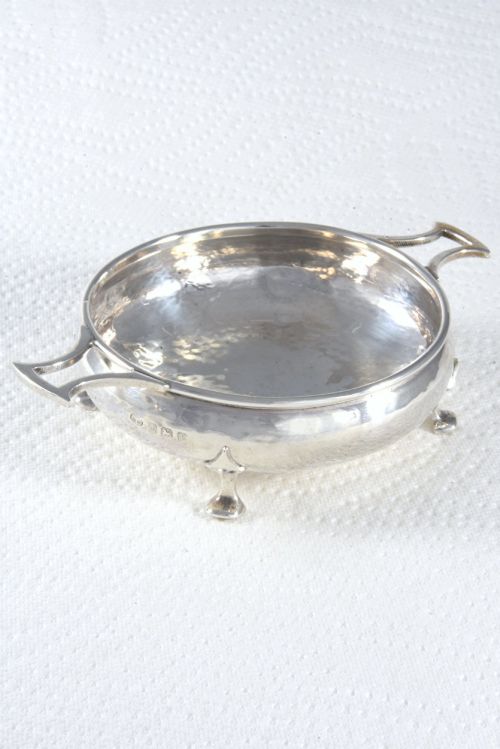
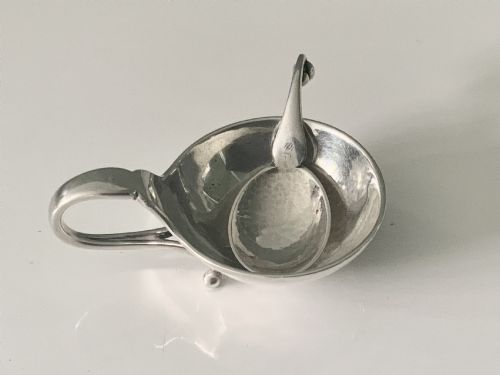
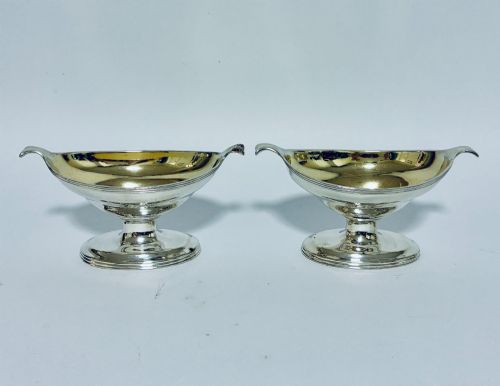
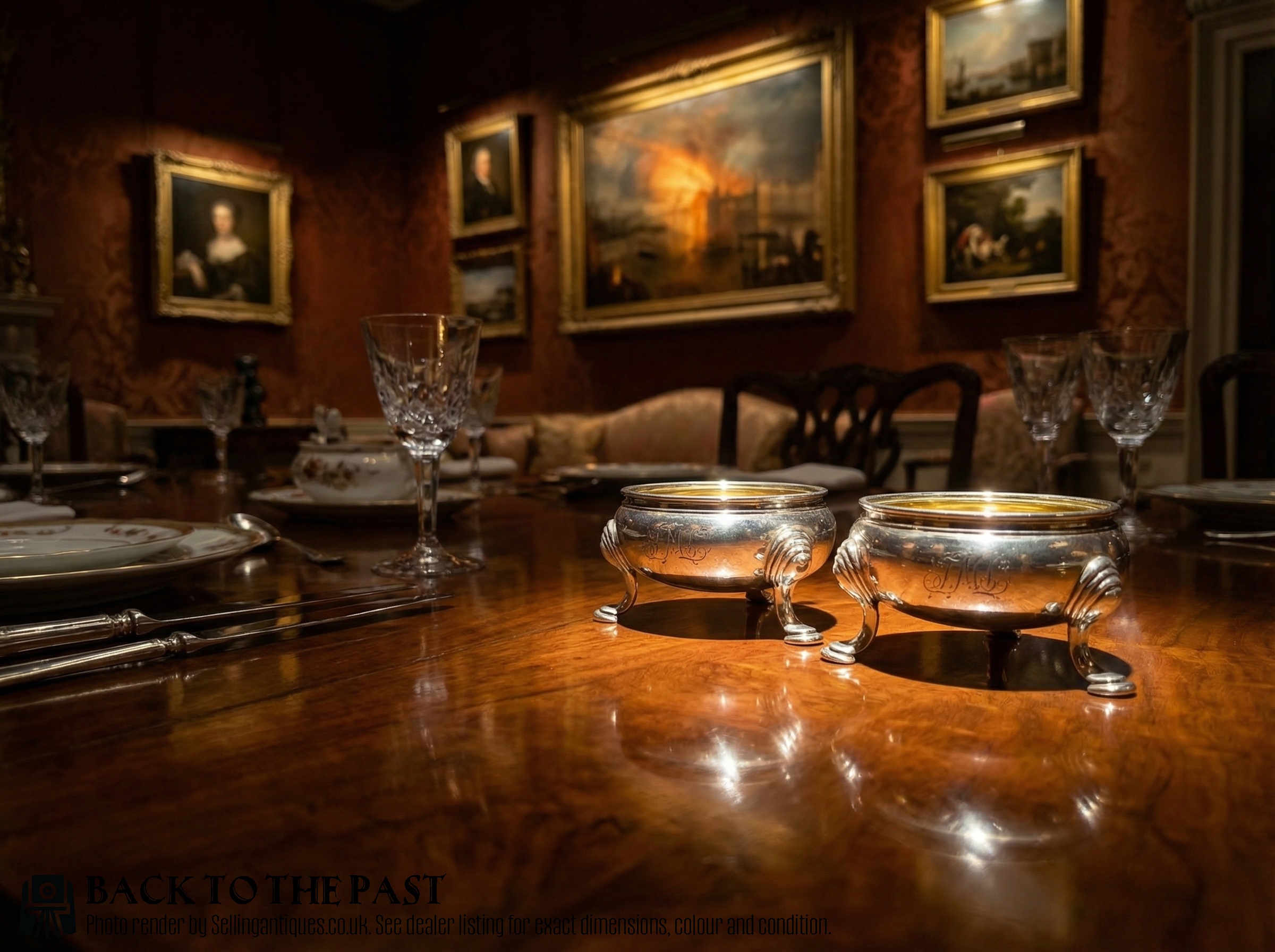
- A low, solid, spreading Georgian form that sits straight on the table. Cauldron is the round bellied bowl on three feet; boat shape is the oval with raised ends on a pedestal foot.
- Teniers pattern
- A chased figural style named after the painter, and named in two listings in this category.
Antique Silver Salt Cellars: Frequently Asked Questions
Are salt cellars usually sold in pairs?
Pairs dominate. "Pair" is the commonest word in titles across the archive, and sets of four turn up often enough to count as a recognised format.
Singles exist, and so do larger groups. One set of five and one set of six sit at the very top of the range.
Do they come with spoons?
Some do. Spoons are named in 21 of 150 titles, often alongside a fitted case.
The salt spoon is the small matching server; the shovel is the flat-bladed variant of it. Cased sets are where the spoons most often survive together with the salts.
What are the blue glass liners for?
The liner is a glass insert that keeps salt off the silver. Cobalt, blue and cranberry are the colours named in listings.
Glass is mentioned in ten of the hundred and fifty titles, so a liner is a feature to look for in the description rather than something every salt carries.
Is everything in this category solid silver?
No. Sterling and solid are the words used in a good share of titles, but silver plate is a steady presence, mostly plated cruet stands and plated salts with coloured liners.
French silver-mounted etched glass also appears. Plated pieces sit lower in the range, except for the elaborate figural cruets.
How old are the earliest ones on Sellingantiques?
The dealer-entered dates run from 1750 to 1960. The earliest hallmark quoted in a title is 1738, on a Georgian pair, with a set of trencher salts marked 1743 close behind.
Victorian is the largest dated group, then Georgian, then the 1930s. Twentieth-century material is well represented, including Art Deco condiment sets and a handful of 1960s pieces.
Which assay towns turn up on them?
London appears in twelve titles and Birmingham in eight, making them the two most commonly named.
Sheffield, Chester and Edinburgh each appear only once or twice, so those marks are the scarce ones in this category.