

Antique Silver Trays
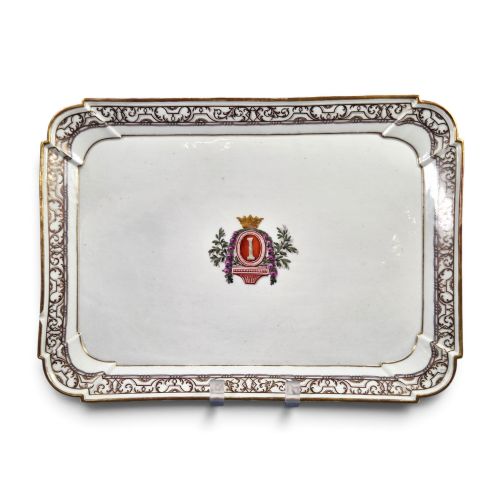
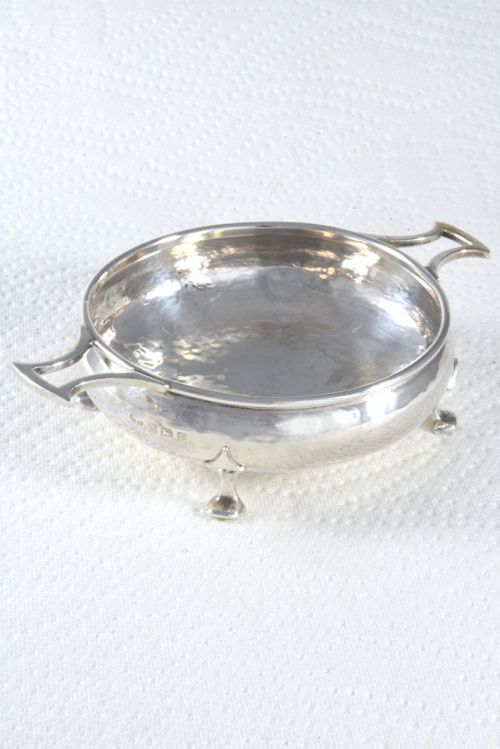
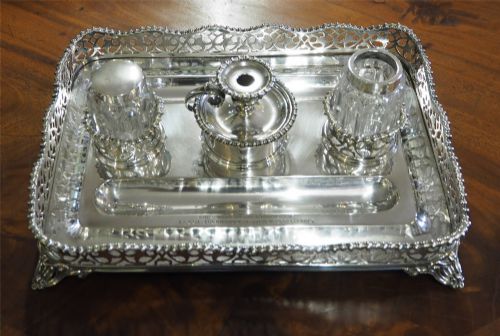
Flat silver and silver-plated serving ware, from footed salvers for handing a glass or a calling card to the big two-handled trays made to carry a tea service.
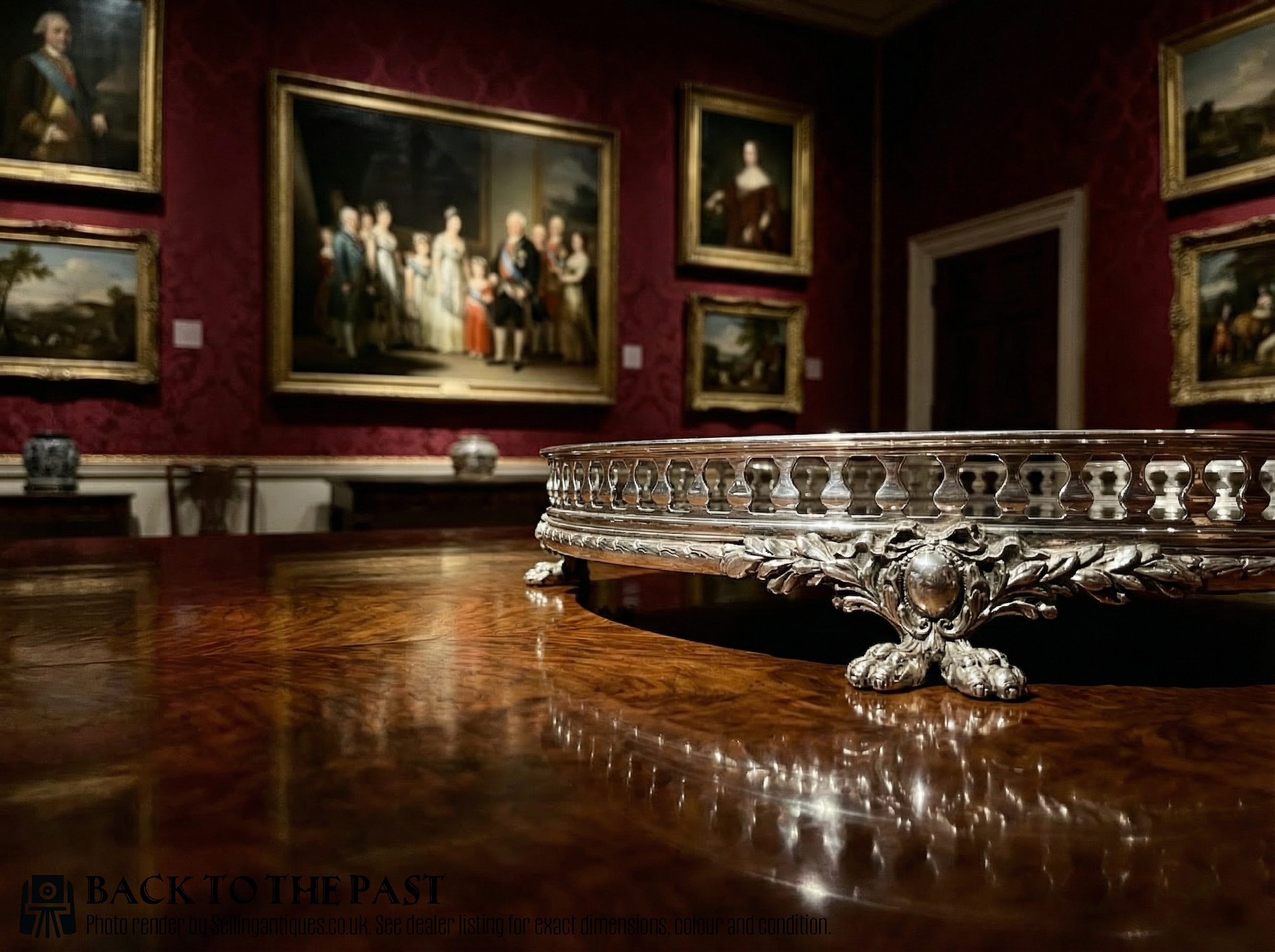
Antique Silver Trays
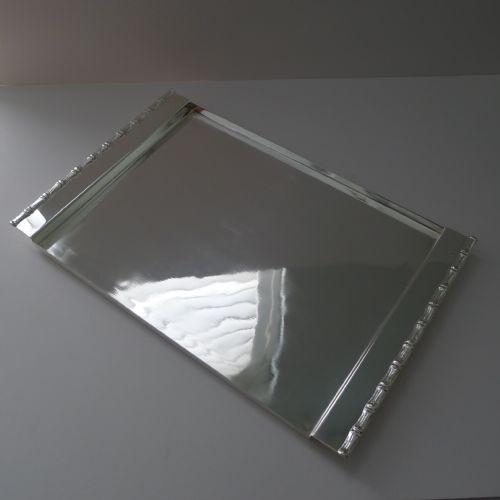
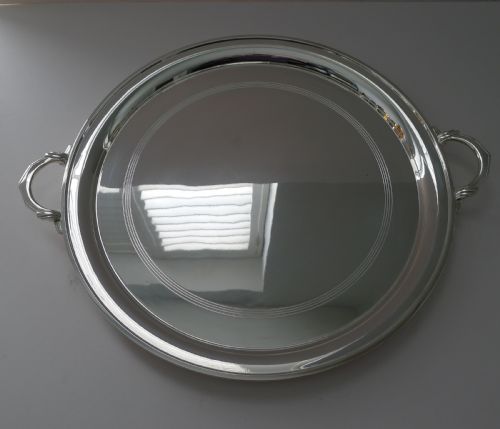
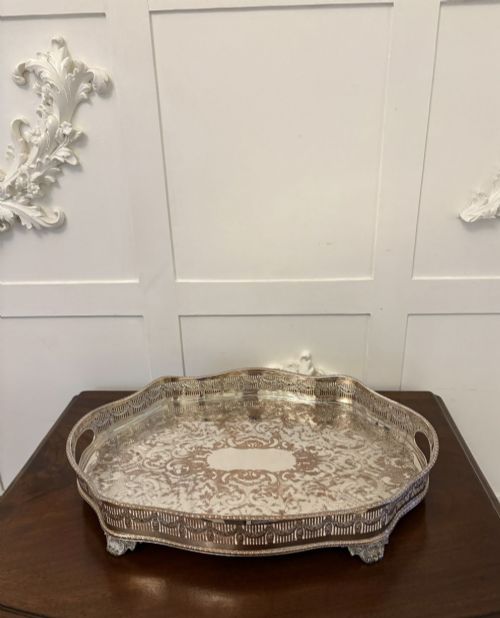
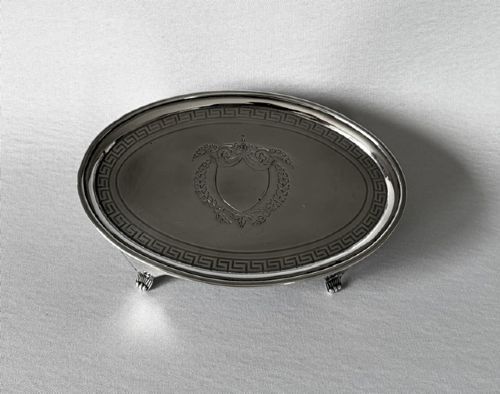
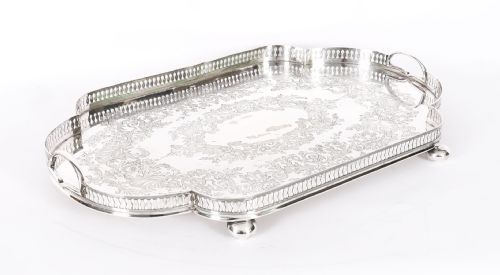
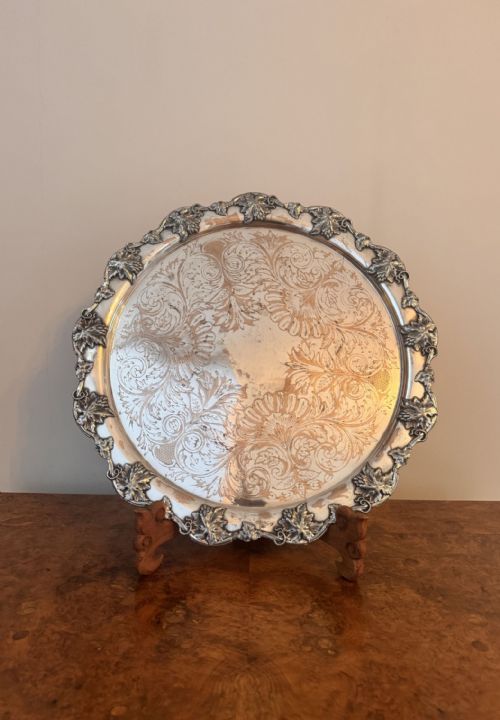
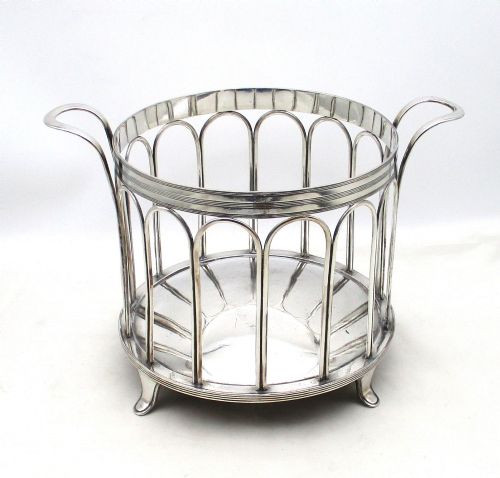
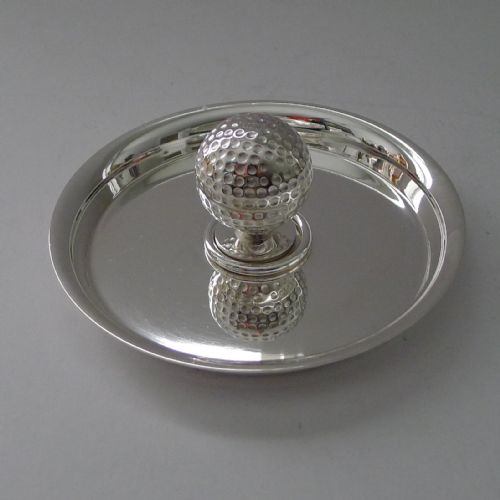
The heading covers a wide spread of flat wares: circular and oval salvers, two-handled tea and drinks trays, square cocktail trays, galleried oak trays with plated mounts, and small pen, pin, card and dressing-table trays. Listings use "tray", "salver", "waiter" and "dish" more or less interchangeably for the same object, so the words in a title tell you less than the measurements do.
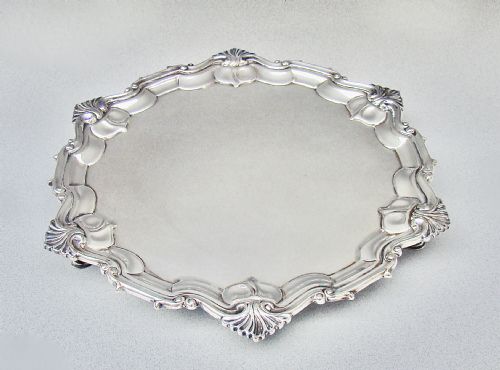
Plate dominates. Silver-plated serving, drinks and cocktail trays of late Victorian to Art Deco date make up roughly a third to two-fifths of the category, and that is the most likely thing you will meet. Behind them sit sterling and solid silver salvers, about a quarter of the whole, typically footed and circular or square at eight to thirteen inches.
The forms go back to 18th-century silver: the small footed salver for presenting a glass or a card, the large two-handled tray for the tea and coffee service. Cheaper plated versions carried those shapes through Victorian and later households, and by the early 20th century the drinks or cocktail tray had become a form in its own right.
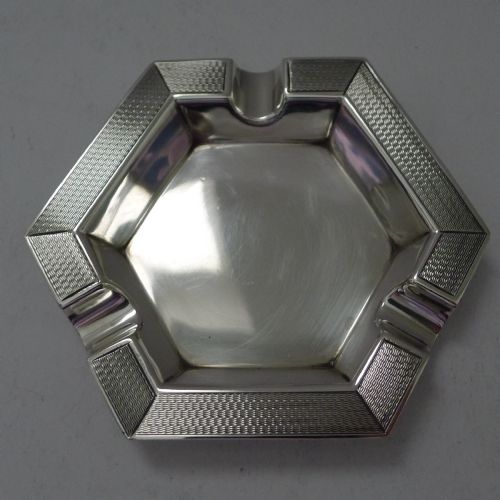
Dating on Sellingantiques runs 1700 to 1960. Victorian is the largest single label, then Edwardian, with the 1930s contributing heavily, which is why square and engine-turned cocktail trays are as familiar as footed salvers. Around half the archive carries a clean year; the rest is filed as "19th Century", "Victorian" or a circa date.
Where The Range Splits
Metal sets the first divide. Hallmarked sterling and solid silver cluster in the upper part of the range, while plated pieces spread across the lower and middle. Old Sheffield plate is a separate seam, fused silver on copper, turning up on card trays, knife trays, wirework trays and snuffer stands of about 1780 to 1840.
After that it is size and weight, where a title states them. Diameters run from six-inch card trays to oval trays of twenty, twenty-two and twenty-five inches; quoted weights from under a hundred grams up to a forty-seven-centimetre salver at 2.9kg. The largest and heaviest sit at the top.
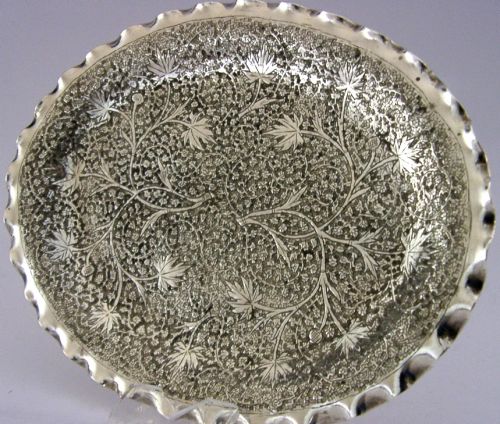
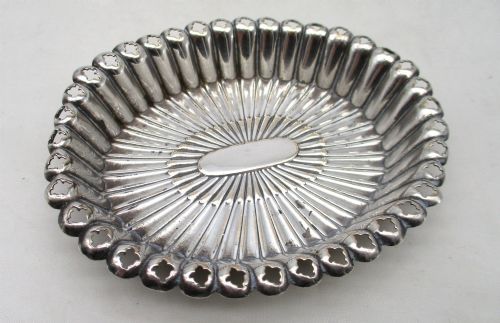
A named maker or retailer lifts a piece above the many that name nobody at all, and so does a firm hallmark. Where a title cites a year and an assay office, London, Birmingham, Chester, Sheffield, Newcastle, Dublin or York, the dating is far firmer than a bare period label. Worked surfaces count too: piercing, chasing, embossing, hammering, engine turning and armorial crests.
Antique Silver Trays Retail Price Guide 2026
Typical UK retail prices for silver trays, calculated from the Sellingantiques database of over a million retail prices indexed since 2003. This retail price guide relies exclusively on Sellingantiques data; no external sources or auction records are used, so the figures do not describe the wider market.
The top sale of the last year on Sellingantiques was a large scalloped oval engraved serving tray, Sheffield 1907, sold in January 2026.
Mappin & Webb·William Hutton & Sons·Elkington & Co·Walker & Hall·Martin Hall & Co
The Antique Silver Trays Glossary
- Salver
- A flat footed tray, usually circular or square, for handing something. It appears in a large share of titles and is often used interchangeably with "tray".
- Plated
- Base metal with a silver surface, and the commonest description in this category. Sterling or solid silver, by contrast, is hallmarked silver through and through.
- Gallery tray
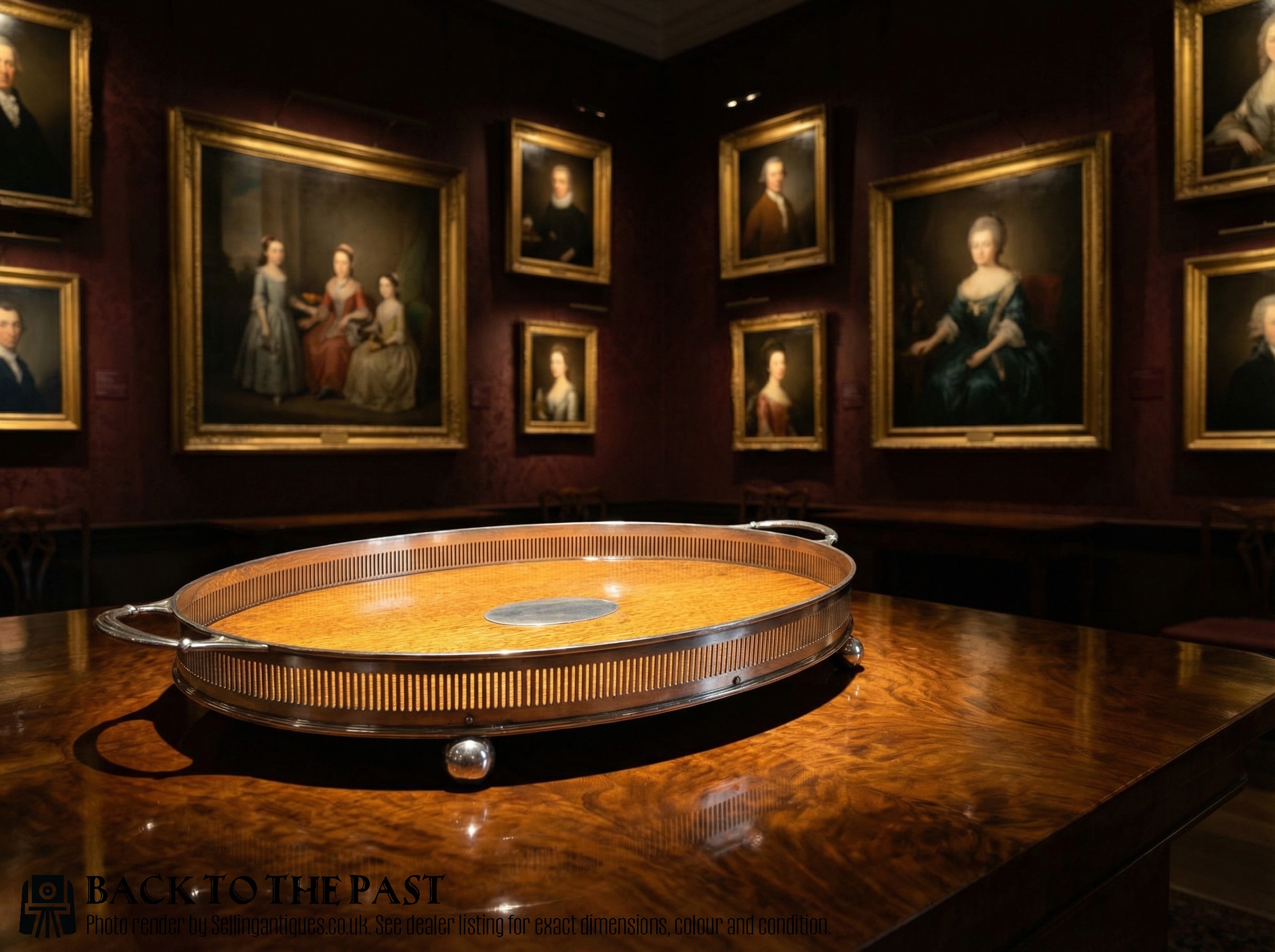
- A tray with a raised pierced or barred rim. A recurring version has an oak base with silver-plate mounts, sometimes mahogany or fruitwood instead.
- Waiter
- A small salver, usually under about eight inches. Made for presenting a glass or a card rather than a whole service.
- Old Sheffield plate
- Pre-electroplate sheet of silver fused to copper, seen on late 18th and early 19th century trays.
- Engine turned
- Machine-cut concentric or linear surface pattern, common on the Art Deco pieces.
Antique Silver Trays: Frequently Asked Questions
What is the difference between a salver and a tray?
A salver is a flat footed tray, usually circular or square, made for handing something. A tray is the broader word and covers the large two-handled sort as well.
In practice the listings treat the two as the same thing, along with "waiter" and "dish". A waiter is simply a small salver, generally under about eight inches.
Are most of these solid silver?
No. Plate is the commonest description in the category, with silver-plated serving, drinks and cocktail trays making up roughly a third to two-fifths of what comes up.
Sterling and solid silver salvers form the other main group, about a quarter of the whole. Old Sheffield plate is a smaller, distinct seam of late 18th and early 19th century pieces.
How old are silver trays on Sellingantiques?
The dealer-entered dates run from 1700 to 1960. Victorian is the largest single period label, then Edwardian, with the 1930s a strong third.
The oldest hallmark years written into titles are 1735, 1736 and 1744, with several George II salvers of the 1750s. The latest dated pieces reach the 1960s.
Which sizes turn up?
Small at one end, six-inch card trays and narrow pen trays, pin and trinket dishes, dressing-table trays.
At the other, oval serving trays quoted at twenty, twenty-two, twenty-three and twenty-five inches. Footed silver salvers sit in between, commonly eight to thirteen inches across.
Do trays come in pairs or sets?
They do. Pairs appear in a fair number of titles, and the archive includes graduated sets of three and a set of six matching pip trays.
Single pieces are still the norm, particularly among the larger drinks and serving trays.
What are galleried oak drinks trays?
A wooden base, usually oak, with a raised pierced or barred silver-plate gallery around the rim. Some use mahogany or fruitwood instead.
They form a small but consistent group, listed again and again under much the same wording. Most sit in the late Victorian to Edwardian span.