
Antique Silver Card Cases
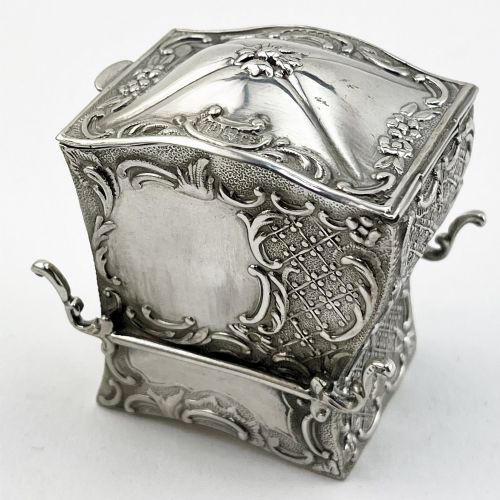
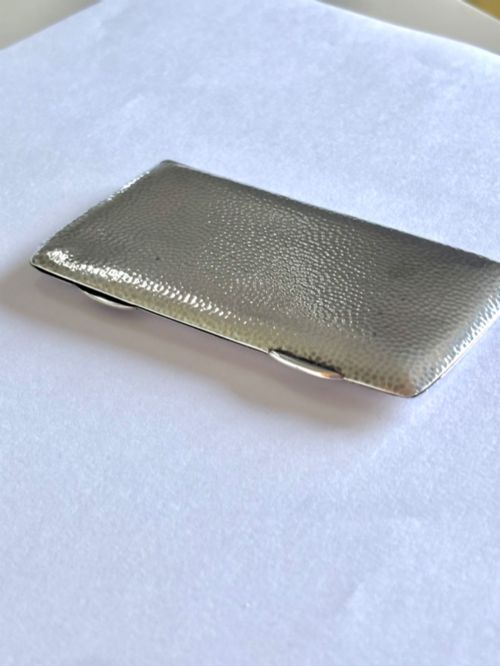
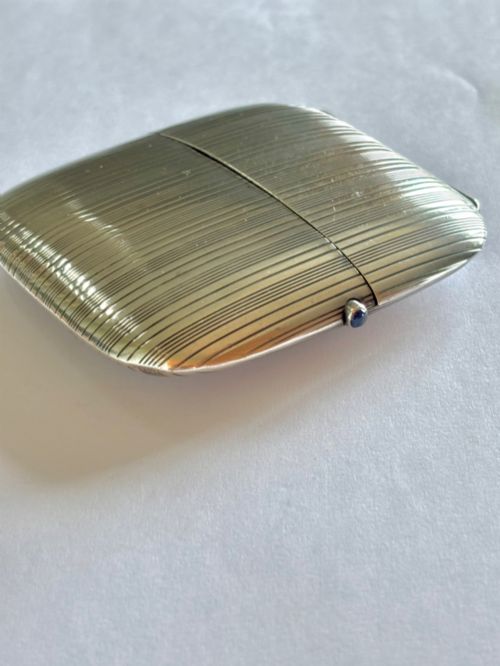
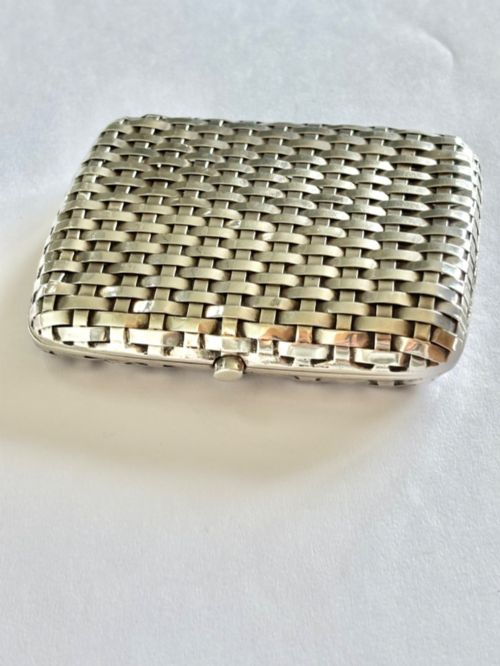
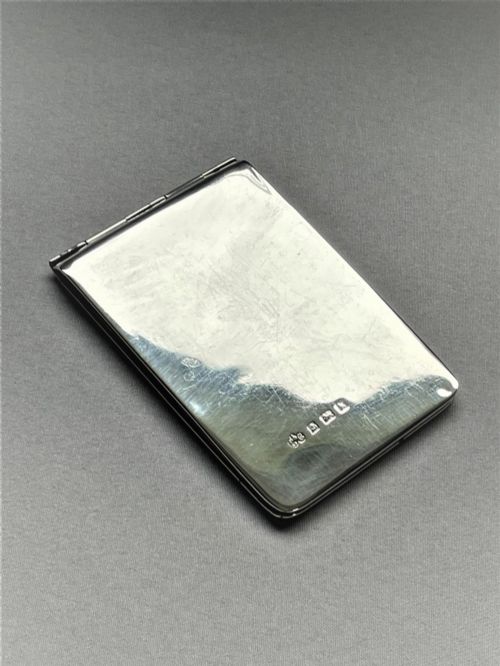
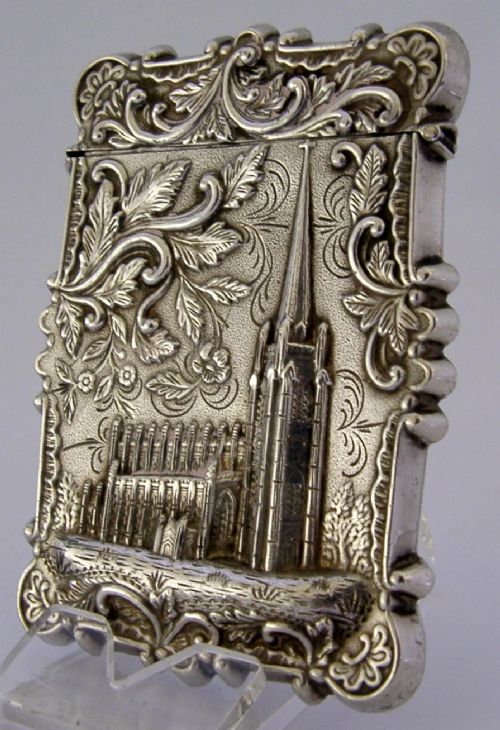
A slim silver case, flat or gently curved to sit in a pocket, made to carry visiting or business cards undamaged.
Antique Silver Card Cases
Visiting cards were part of formal calling through the 19th century, and slim cases were made to carry them without bending a corner. Silver examples multiplied under Victoria and carried on into the Edwardian years as business-card cases. The form is small, flat, often bowed to follow the line of a pocket.
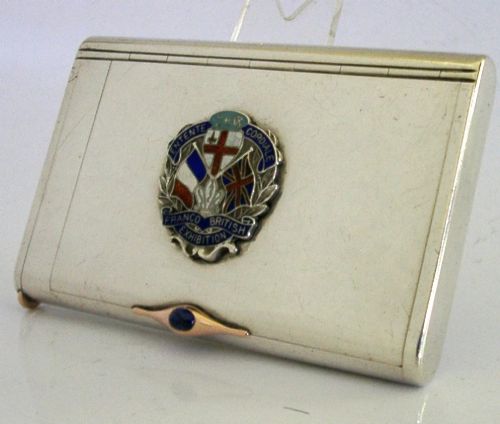
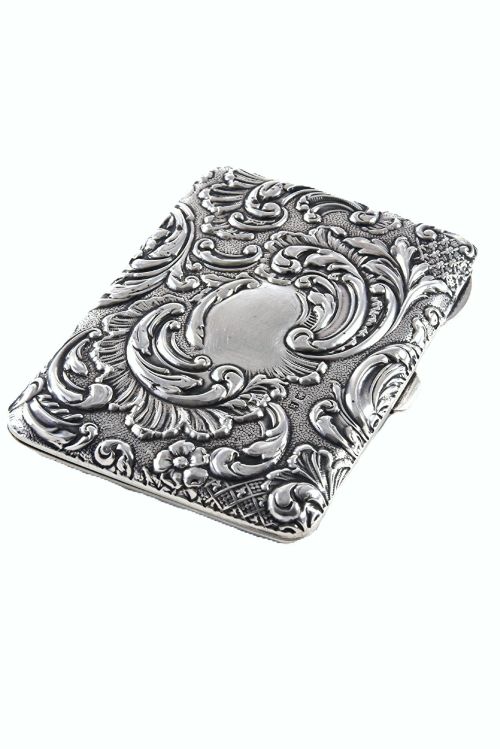
The archive is dominated by English hallmarked sterling of Victorian or Edwardian date, plain, engraved or engine-turned, and that is the case you are most likely to meet. Birmingham is the assay town named most often, Chester next; London appears far less. For a silver category, the mark profile is markedly provincial.
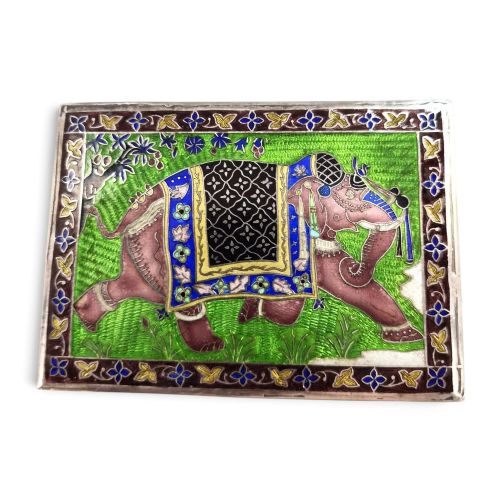
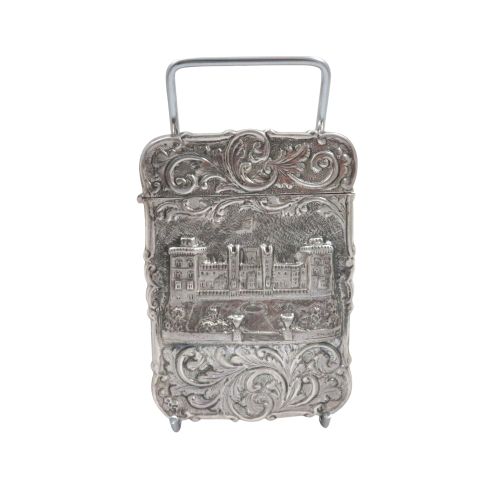
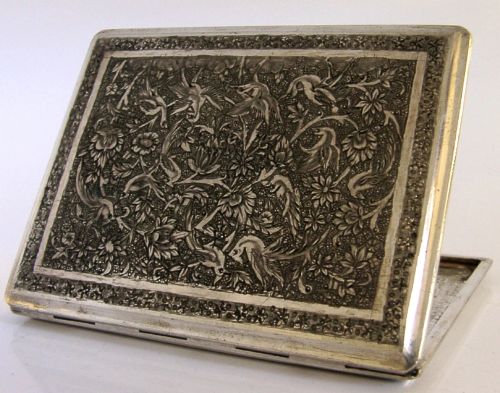
Roughly one in twelve is described as a card case and aide memoire together, with a compartment for notes alongside the cards. Castle-tops and named views form a smaller group. Beyond England there are Indian and Anglo-Indian Kutch cases, Chinese export filigree and dragon work, and single German, Austrian, Spanish, French, Turkish, Russian, American and Italian pieces.
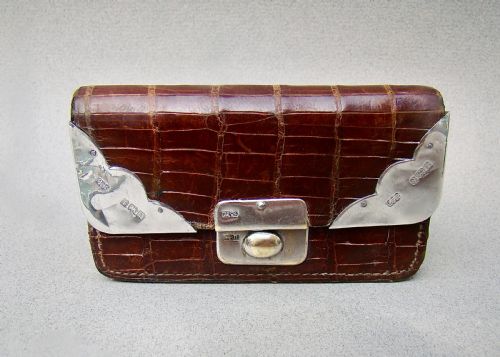
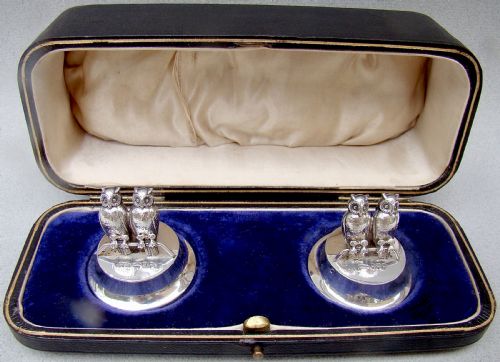
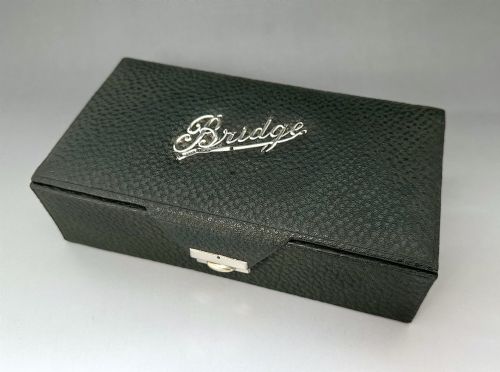
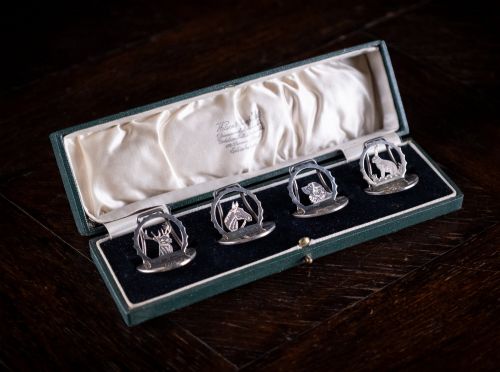
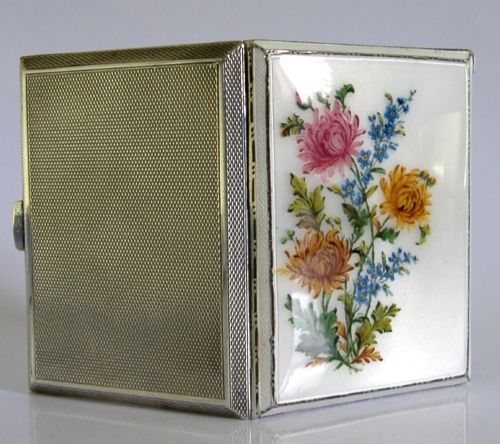
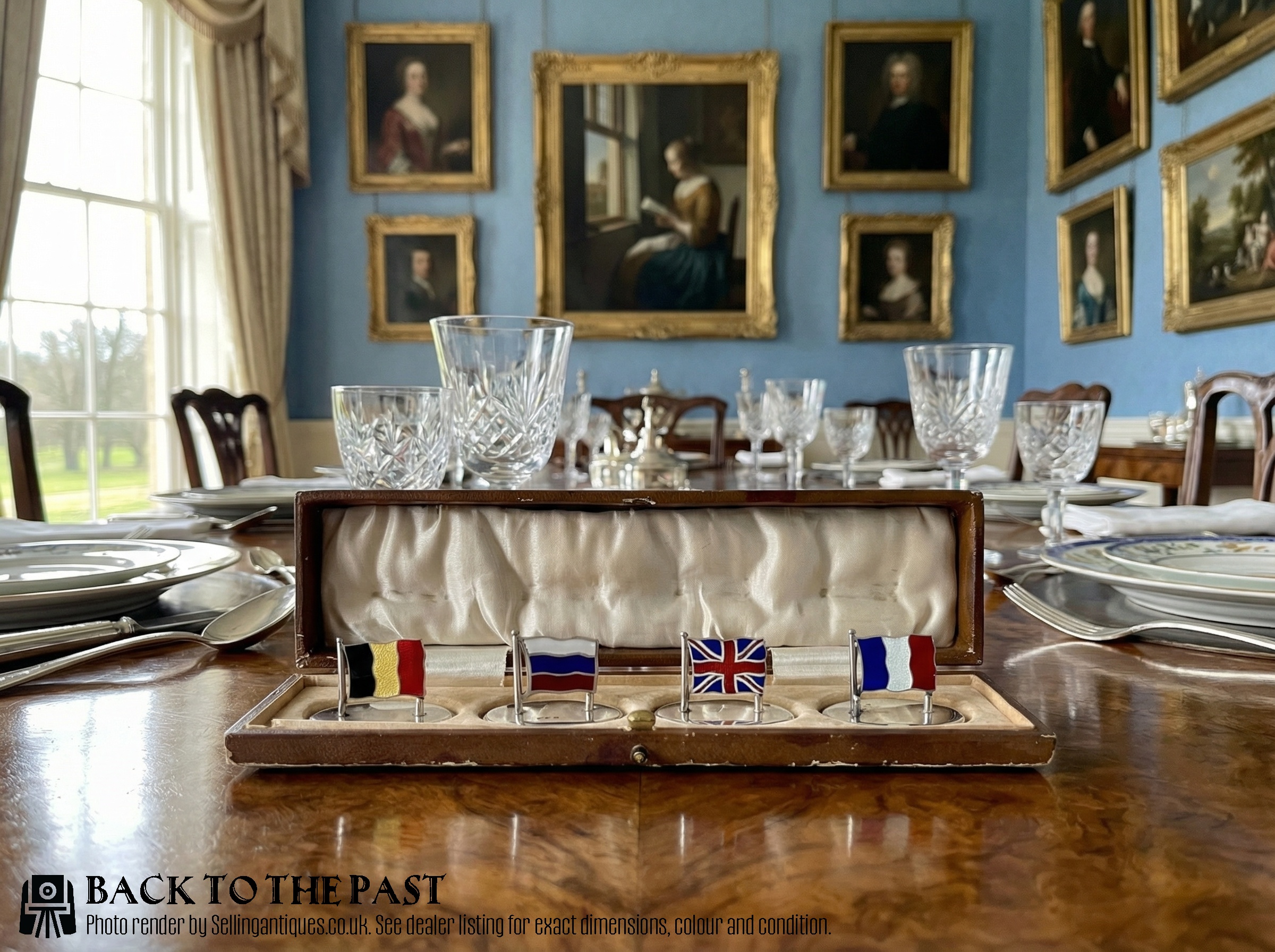
The heading also carries neighbouring forms sold by the same dealers: cigarette and cheroot cases, playing-card boxes, menu and place-card holders, purses, and silver-mounted crocodile card wallets. That last group is a persistent sideline and is rising in current stock.

What Moves The Price
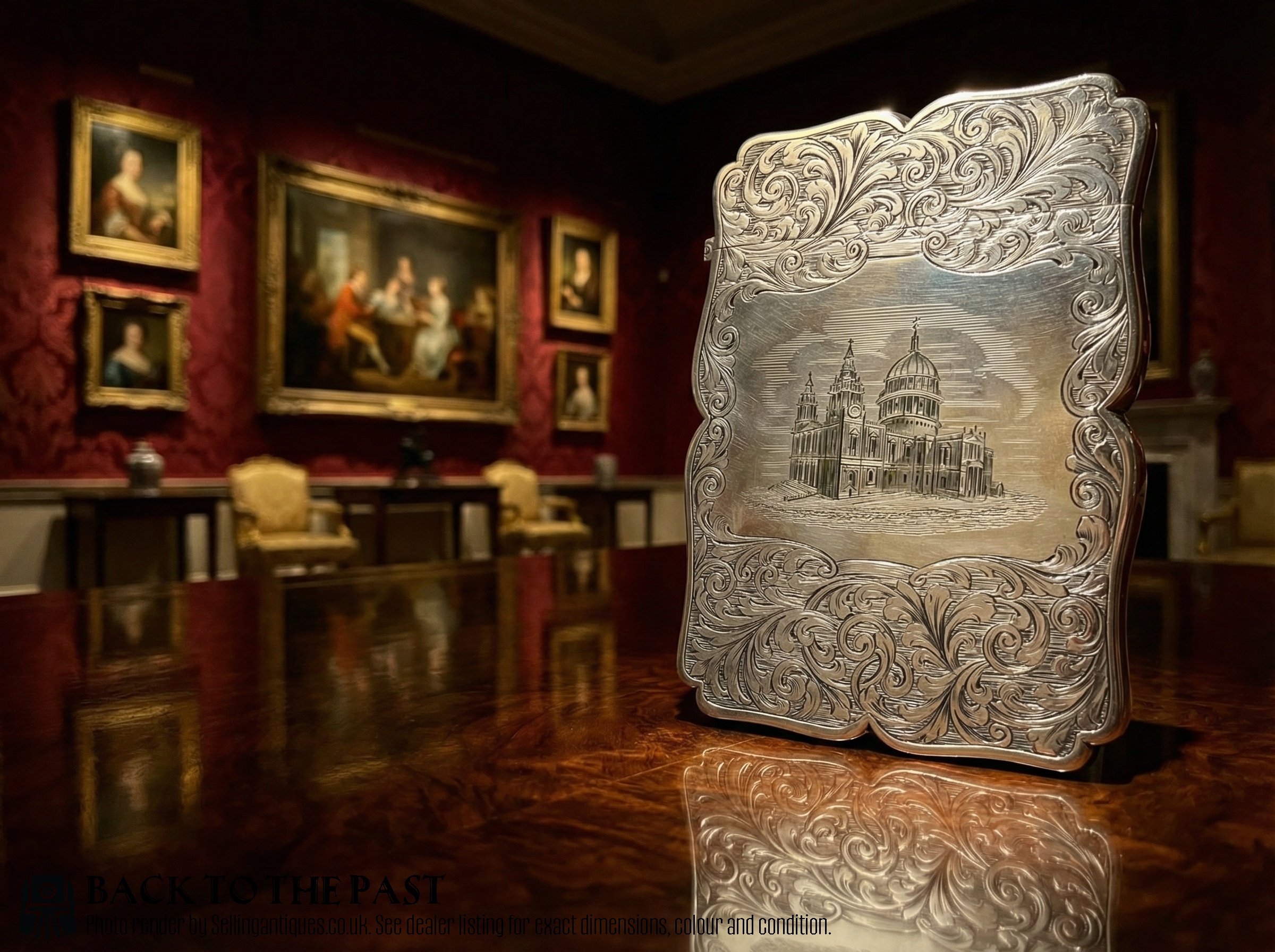
Subject does most of the work. The top of the range is held by castle-tops and named architectural views, with Windsor Castle, Balmoral, York Minster, Westminster Abbey, St Paul's, London Bridge, Crystal Palace and the Houses of Parliament all passing through, and an American case showing Trinity Church. Figural and animal engraving, stags, dogs, cats, butterflies, birds, sits well above a plain dated surface.
Date pulls in the same direction. The 1820s to 1840s titles cluster high, while cases dated between 1900 and 1930 fill the lower half. Pre-Victorian pieces are a handful rather than a mainstream, so an early year in the title carries weight.
Then the smaller things. Weight, where a title quotes it, runs from around 32g up to 148g, with several Indian Kutch cases among the heaviest. A retained outer or fitted case recurs on the dearer examples, and a title that names a hallmarked maker sits above the anonymous entries.
Antique Silver Card Cases Retail Price Guide 2026
Typical UK retail prices for silver card cases, calculated from the Sellingantiques database of over a million retail prices indexed since 2003. This retail price guide relies exclusively on Sellingantiques data; no external sources or auction records are used, so the figures do not describe the wider market.
Weights quoted in titles on Sellingantiques run from about 32g to 148g, with Indian Kutch cases among the heaviest.
George Unite
The Antique Silver Card Cases Glossary
- Card case
- Slim hinged or sprung case for carrying visiting or business cards in a pocket.
- Calling or visiting card case
- The same object named by its social use; both words turn up regularly in titles.
- Aide memoire
- A case fitted with leaves for notes, commonly combined with the card compartment and written into the title with the year.
- Sterling or solid silver
- Dealer shorthand for hallmarked silver rather than plate, and between them the two most common words in these titles.
- Castle top
- A case with a high-relief view of a building or landmark worked into the front.
- Kutch
- Densely worked Indian silver decoration, named on several of the Indian and Anglo-Indian cases.
Antique Silver Card Cases: Frequently Asked Questions
What is a castle top card case?
A card case with a building or landmark shown in high relief on the front. Windsor Castle, Balmoral, York Minster, Westminster Abbey, St Paul's, London Bridge, Crystal Palace and the Houses of Parliament have all appeared.
They are a small part of the archive, but they take the top of the range. An American case showing Trinity Church sits in the same group.
Which assay towns appear most?
Birmingham leads, with Chester behind it. London is named in far fewer titles, which makes this an unusually provincial category for silver.
The hallmark year is often written straight into the title, and where the dated field is vague that year is the better guide.
How old are silver card cases?
The dated field runs from 1800 to 1960, with a large block of Victorian and Edwardian pieces and around 150 listings carrying a clean hallmark year.
Early years named in titles include 1827, 1834 and 1836. Pre-Victorian cases are a handful; decade buckets through the 1900s, 1910s, 1920s and 1930s fill out the 20th century.
Why are cigarette cases and wallets listed here?
The card case shades into related forms, and dealers sell them under the same heading. Cigarette and cheroot cases, stamp cases, playing-card boxes, menu and place-card holders and purses all turn up.
Silver-mounted crocodile card wallets are a steady sideline, with leather examples alongside them.
Are non-British card cases found?
Yes. Indian and Anglo-Indian Kutch work appears regularly, along with Chinese export filigree and dragon cases.
German, Austrian, Spanish, French, Turkish, Russian, American and Italian examples show up as one-offs.
How many come up for sale?
Around 44 silver card cases and related cases are listed a year on Sellingantiques, and 68 different dealers have handled them.
It's a category almost every silver dealer touches at some point, so the range on offer at any time is broad.