


Antique Silver Jugs
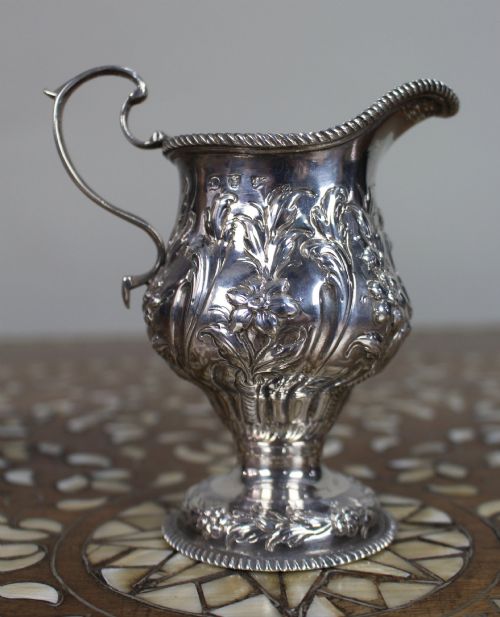
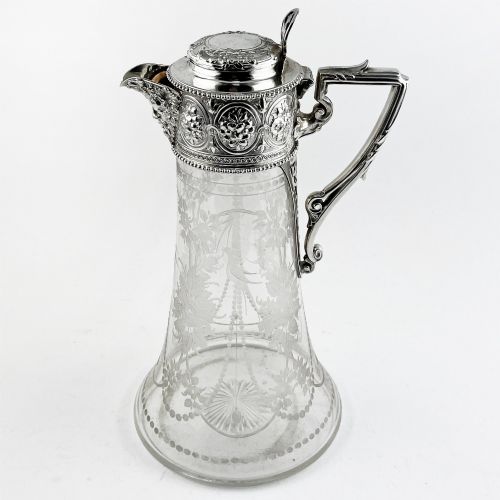
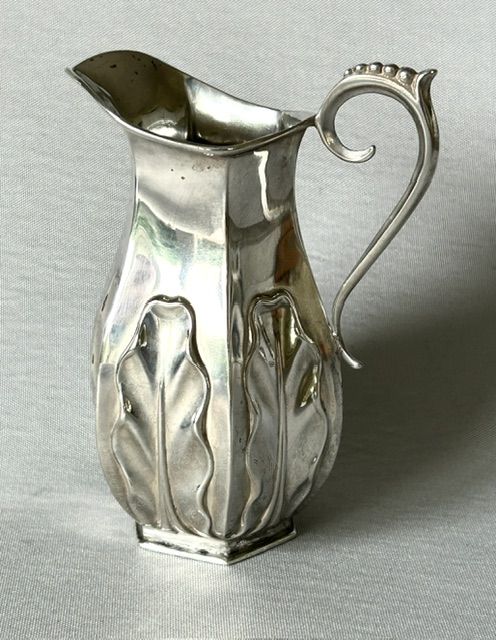
Silver jugs covered the table from the eighteenth century on: small sterling jugs for cream and milk beside the tea things, and glass-bodied claret jugs with silver mounts for pouring wine.

Antique Silver Jugs
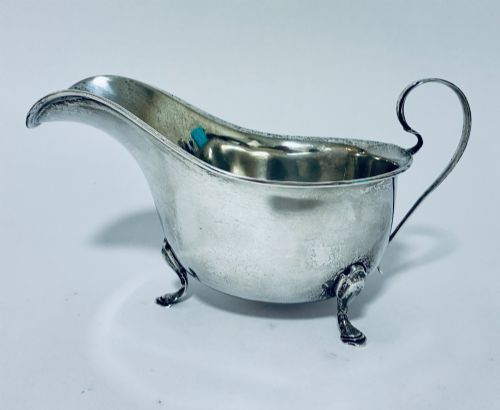
Two objects share the heading. Cream jugs make up about a third of the titles on Sellingantiques and claret jugs roughly a quarter, so the category runs from a jug weighing 50g to a glass-bodied wine vessel with a hinged silver lid. Hot water jugs, coffee jugs, ewers, sauce boats and gravy jugs fill the space between.
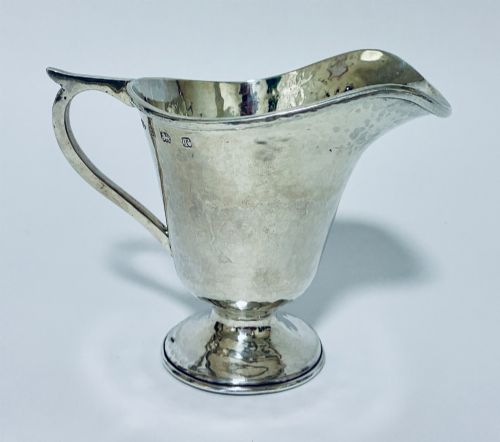
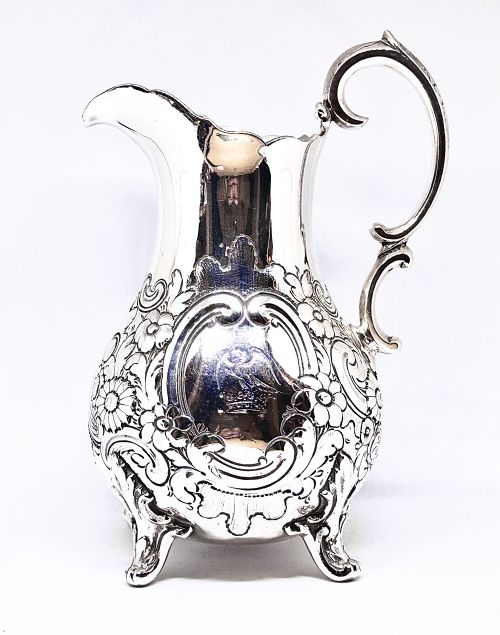
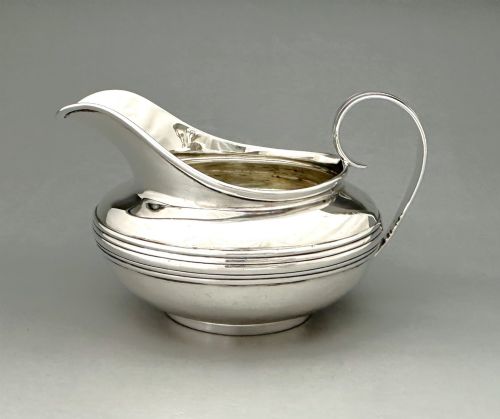
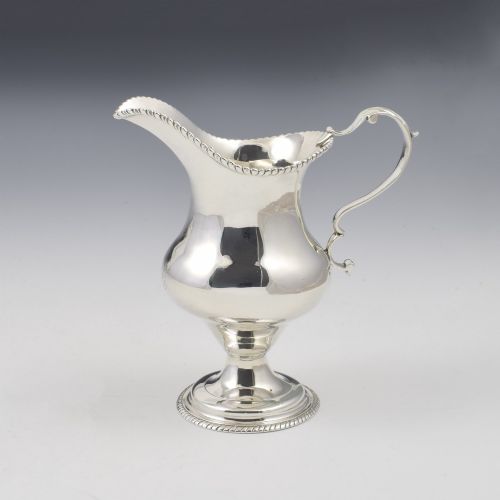
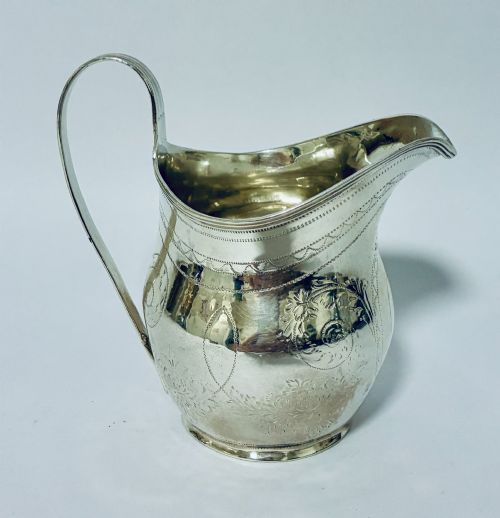
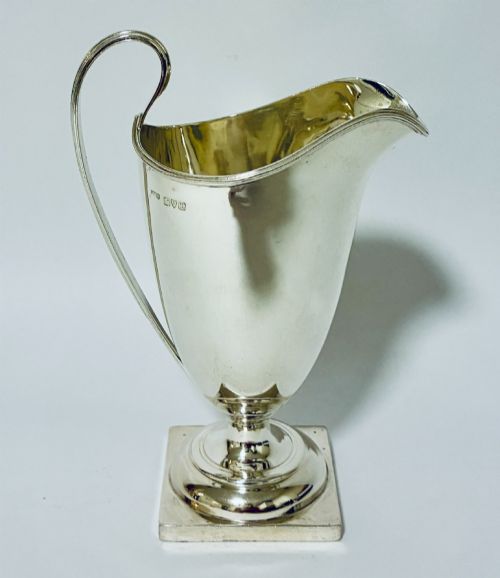
The commonest single form is the small English sterling cream or milk jug, and Victorian examples lead the field. Titles here tend to be precise: an assay year, a gram weight, and the assay town named outright. London appears most often, then Sheffield, Birmingham and Chester. Named sub-forms recur too, among them helmet, sparrow beak, baluster, pedestal and boat.
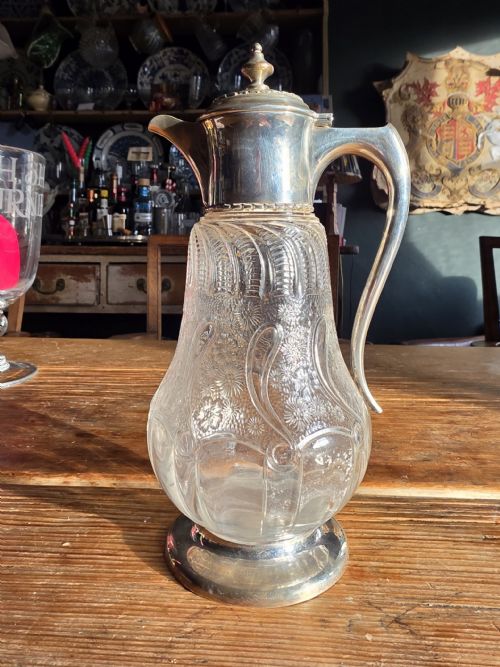
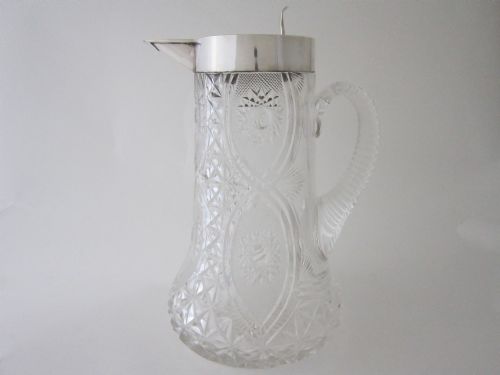
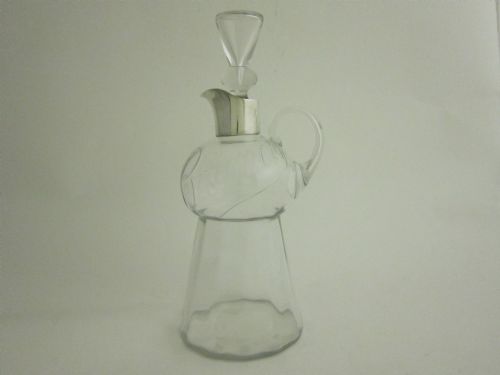
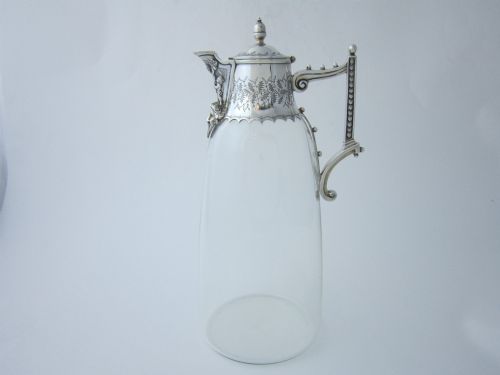
Not everything under the heading is solid silver. Plated pieces account for a sizeable slice, including Old Sheffield plate coffee pots and beer jugs, and glass appears in a similar share, almost always as the body of a claret jug with a silver or plated neck mount, spout and handle. Plated claret jugs are common enough to be a branch of their own.
Dating spans 1750 to 1960 in the dealer-entered record, with fewer than half the listings carrying a clean year. Victorian is the largest bucket, then Georgian and Edwardian. Much of the record is vague by reign or decade, while a great many titles quote an exact assay year. Post-war sterling cream jugs and modernist jugs are present but thin, and the Arts and Crafts and Art Deco labels each turn up on a small number of titles.
Where The Range Splits
Metal comes first. Sterling and solid silver, hallmarked and usually with a weight quoted, sit above plate, and a solid-silver claret jug or ewer sits above a plated one. After that it is scale: the lightest cream jugs run to 50g and 66g, while the heavy end of the archive reaches a 740g water jug, a 688g coffee pot and a salt-glazed flagon with a silver mount at 970g.
Form and decoration do the rest of the work. Cow creamers, Mr Punch and Toby jugs, serpent and snake handles, Bacchus mask spouts, tavern and Roman-soldier scenes, grape-and-vine chasing and silver-gilt surfaces all stand well above a plain cream jug. These surface occasionally rather than routinely, most of them once or twice across the whole archive.
Number matters as well. Pairs are uncommon, around 45 titles in 1,216, and matched pairs of claret jugs or sauce boats sit toward the upper end, as do three- to five-piece tea and coffee services. Marks from the scarcer offices count too: Exeter, Newcastle, Aberdeen, Edinburgh, Glasgow and Dublin appear a handful of times each against London's steady presence.
Antique Silver Jugs Retail Price Guide 2026
Typical UK retail prices for silver jugs, calculated from the Sellingantiques database of over a million retail prices indexed since 2003. This retail price guide relies exclusively on Sellingantiques data; no external sources or auction records are used, so the figures do not describe the wider market.
Among the heaviest to pass through Sellingantiques: a 740g water jug and a salt-glazed flagon with a silver mount at 970g.
Elkington & Co
The Antique Silver Jugs Glossary
- Cream jug
- Small jug for cream or milk at the tea table, also listed as a creamer. The single commonest form in this category.
- Claret jug
- Glass-bodied jug with a silver or plated neck mount, spout and handle, usually lidded, for serving wine at table.
- Sterling
- Hallmarked silver of the British standard, as against plate. Often written as solid silver in titles, and usually paired with a gram weight.
- Mounted
- Used of a glass body fitted with a silver collar, lid and handle. Silver-topped means the same thing in these titles.
- Assay town
- The office that struck the hallmark. London, Sheffield, Birmingham and Chester dominate, with Edinburgh, Dublin, Exeter and Newcastle occurring rarely.
- Sparrow beak
- Small early cream jug with a narrow triangular lip. Helmet form, an inverted-helmet shape, is the other named pattern you meet often.
Antique Silver Jugs: Frequently Asked Questions
What is the most common type of silver jug?
The small English sterling cream or milk jug. About a third of titles on Sellingantiques are cream jugs, and Victorian examples make up the largest group within that.
Claret jugs come next at roughly a quarter of the titles, which is why the category holds two objects of quite different size and purpose.
Are claret jugs solid silver?
Usually only in part. The body is cut glass or crystal, with the silver or plated work confined to the collar, lid, spout and handle.
Plated mounts are common, appearing in a good number of claret jug titles. Solid-silver mounted jugs and ewers sit higher in the sampled range than plated ones.
How old are the jugs listed here?
The dealer-entered dates run from 1750 to 1960. Victorian is the largest single group, followed by Georgian and Edwardian, with the 1900s, 1890s and 1910s all well represented.
Sampled titles quote assay years as early as 1744 and 1748 and as late as 1968. Fewer than half the listings carry a clean year, so much of the record reads simply as Georgian, Victorian, Regency or 19th Century.
Why do titles quote a weight in grams?
Because weight is a rough guide to scale and substance in solid silver, and dealers put it in the title. Cream jugs are quoted from 50g and 66g upward.
At the heavy end the archive holds a 740g water jug, a 688g coffee pot and a flagon with a silver mount at 970g. Sauce boats around 228g sit in between.
Do novelty forms turn up in this category?
They do, but sparingly. Cow creamers, Mr Punch and Toby jugs, a serpent-handle jug, thistle-form pitchers and Guernsey and Jersey milk-can forms each appear once or twice across the whole archive.
Figural and cased work of this sort sits well above plain cream jugs in the range.
Is non-British silver found among these jugs?
Yes, though thinly. Norwegian 830, German and Hanau, Swiss 800, Russian, Swedish, Chinese export, Anglo-Indian, French, Italian 800 and American pieces all appear, mostly singly.
The highest-priced piece in the archive is a Japanese silver and cloisonné enamel claret jug, an outlier with no companion in the samples.