


Antique Silver Caddy Spoons
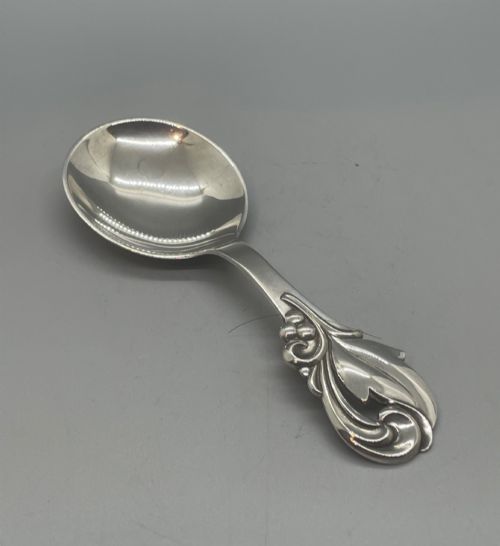
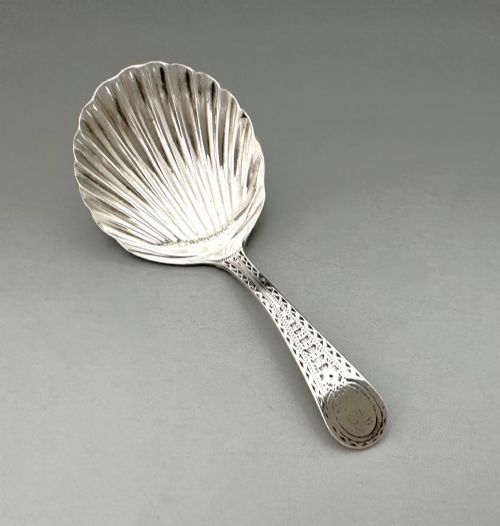
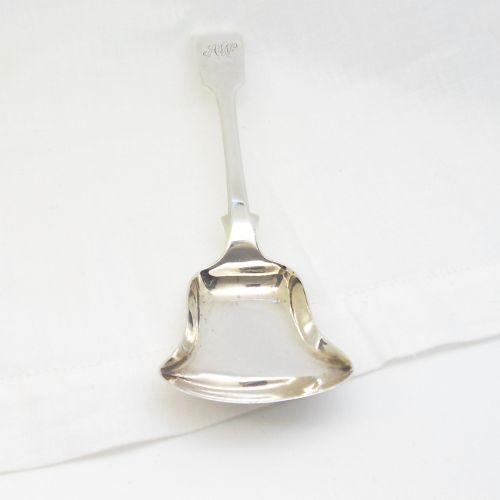
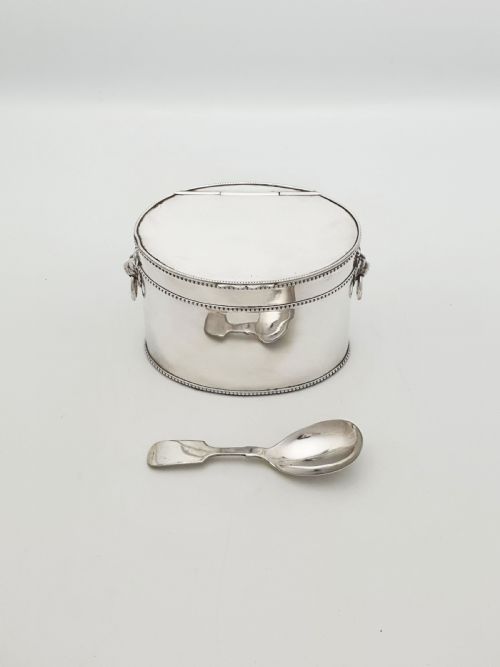
A caddy spoon is a short-handled silver scoop with a broad shallow bowl, made to lift dry leaf tea out of a lidded caddy and short enough to sit inside it.
Antique Silver Caddy Spoons
Caddy spoons came in during the later 18th century, once loose tea arrived in lidded caddies without the scoop-shell that had done the job before. The answer was a spoon with a wide, shallow bowl on a stub of a handle, small enough to live in the caddy. They stayed a standard piece of small silver into the 20th century.
The archive runs to 528 listings from 50 dealers, and it is overwhelmingly English hallmarked sterling. Georgian is the largest single label by a wide margin, with George III spoons the backbone of it, and Birmingham and London the assay offices named most often. The plain or bright-cut bowl with no maker named is the commonest thing on offer.
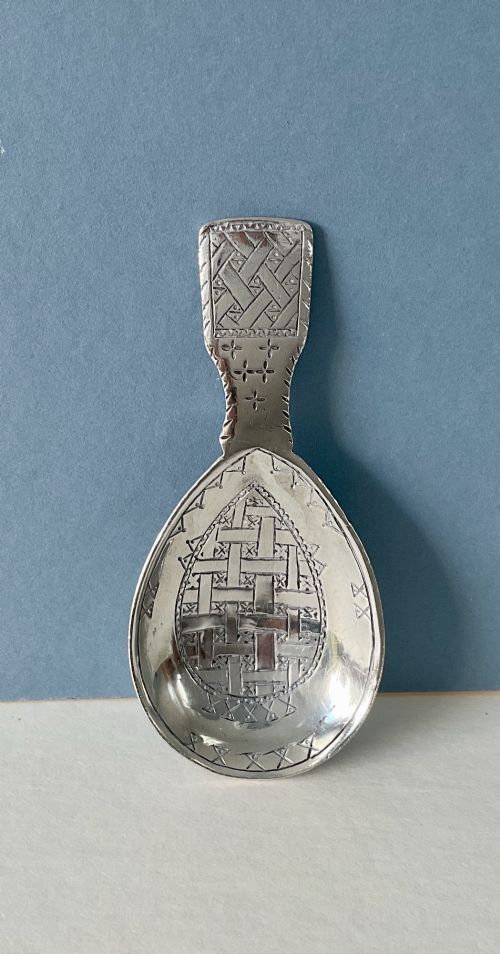
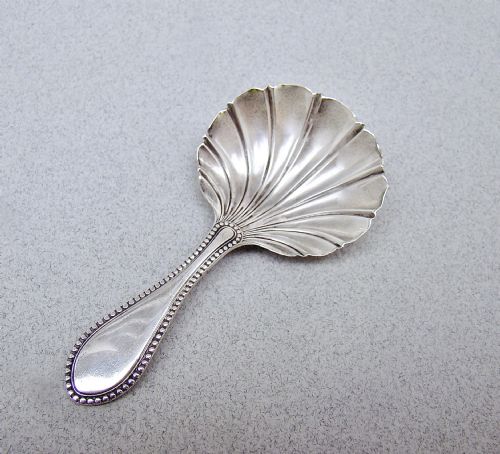
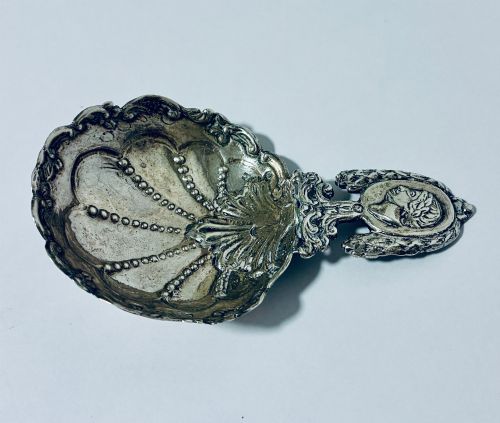
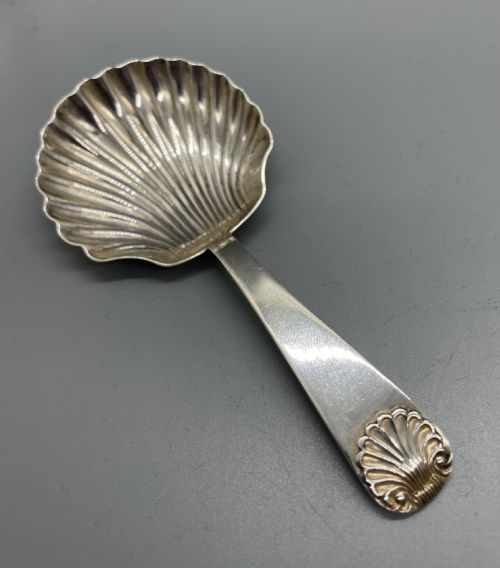
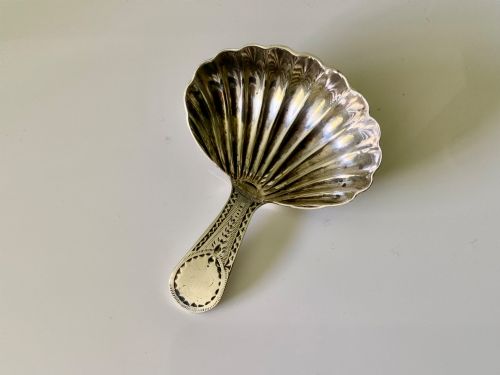
After the Georgian group come Victorian and William IV spoons, then an Edwardian to Art Deco seam with Chester and Sheffield marks among them. The dealer date field stretches from 1750 to 1960, so the form was clearly still being made well past the antique threshold. Bowls turn up plain, bright-cut, scalloped, shell, leaf and shovel.
Two smaller seams run through the whole span. Novelty and figural forms are a visible minority, with jockey caps and modelled leaves the recurring ones. And non-British silver is a narrow but wide-ranging strand: Dutch, Norwegian, Swedish, Danish, Russian, American, Indian, Australian and French pieces all appear, alongside a few tea caddies sold complete with their spoon.
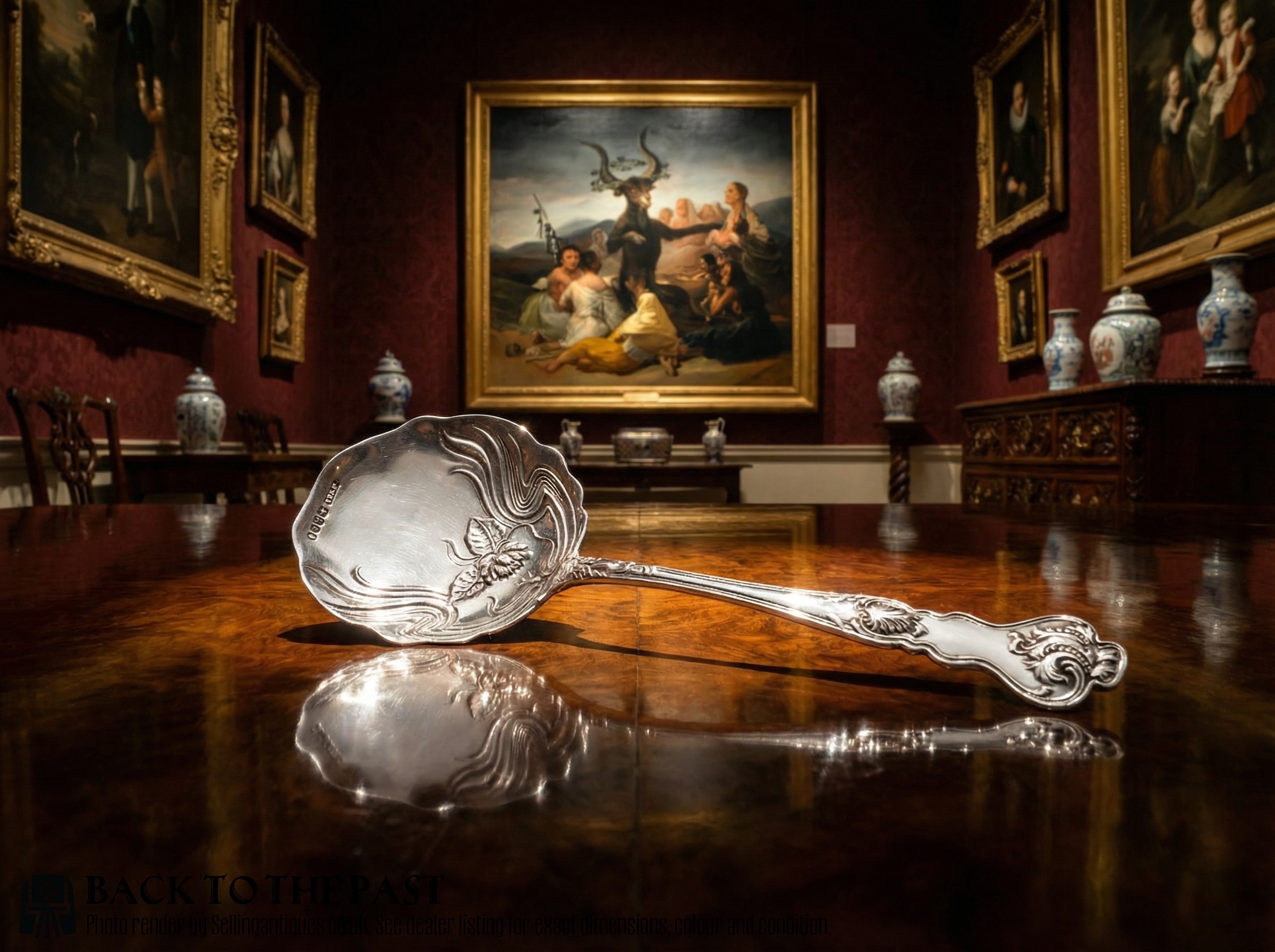
What Sets Them Apart
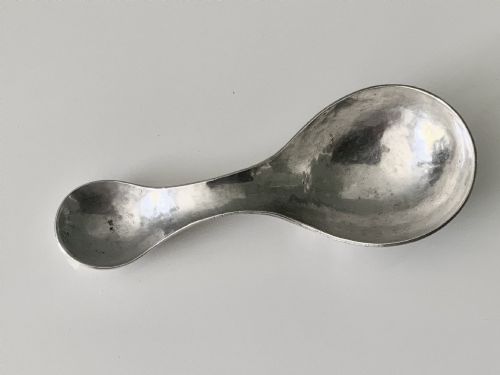
The plain bowl is the floor of this category, and everything above it is either a name or a shape. Titles naming a Georgian Birmingham maker sit well clear of the anonymous "Georgian Silver Caddy Spoon" entries, and signed Arts and Crafts or designer work reaches the highest levels of the range.
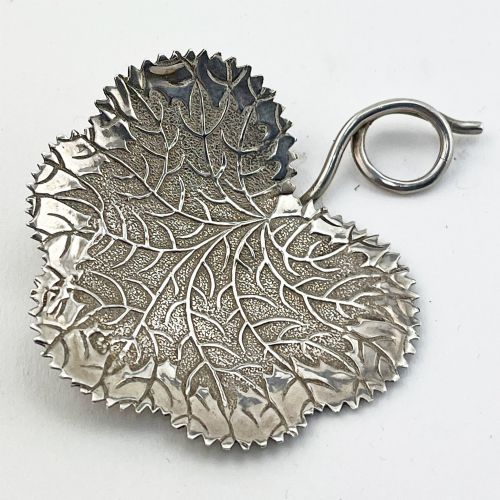
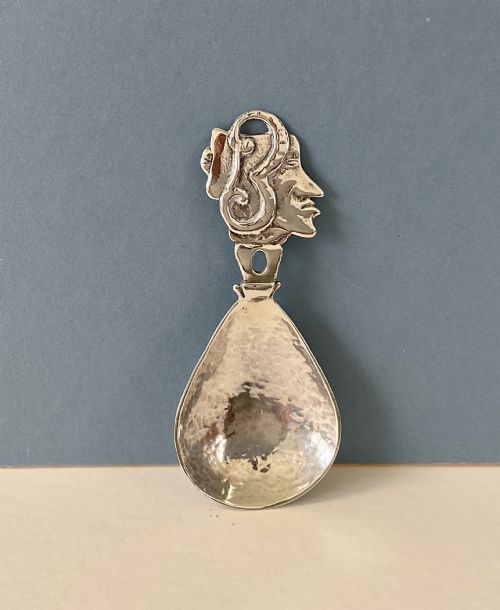
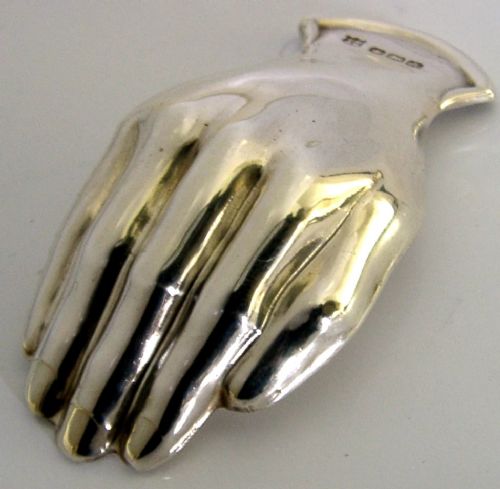
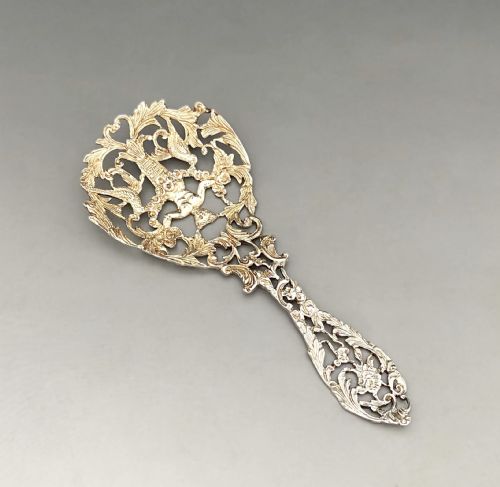
Form does the rest of the lifting. Jockey-cap bowls are the recurring novelty at fourteen titles, and the filigree versions of them sit at the very top. Modelled leaves are the largest decorative family, with vine and grape, oak and naturalistic veined bowls all present, and one-off forms turn up as a hand, a cowrie, a frying pan, a hoof, a camel and a lizard.
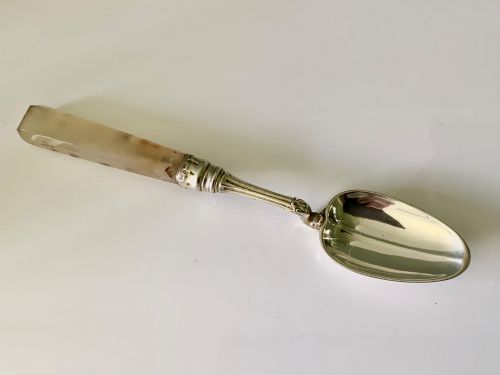
Marks and materials add to that. Birmingham and London are the norm, so Newcastle, Exeter, Glasgow, Dublin, Cork, Aberdeen, Ballater and Iona marks read as the scarcer origins, Scottish provincial towns most of all. Gilding, enamel, mother-of-pearl, agate and chalcedony all pull a spoon up from the plain end.
Antique Silver Caddy Spoons Retail Price Guide 2026
Typical UK retail prices for silver caddy spoons, calculated from the Sellingantiques database of over a million retail prices indexed since 2003. This retail price guide relies exclusively on Sellingantiques data; no external sources or auction records are used, so the figures do not describe the wider market.
Caddy spoons have been listed on Sellingantiques since 2008, and over four hundred have passed through since then.
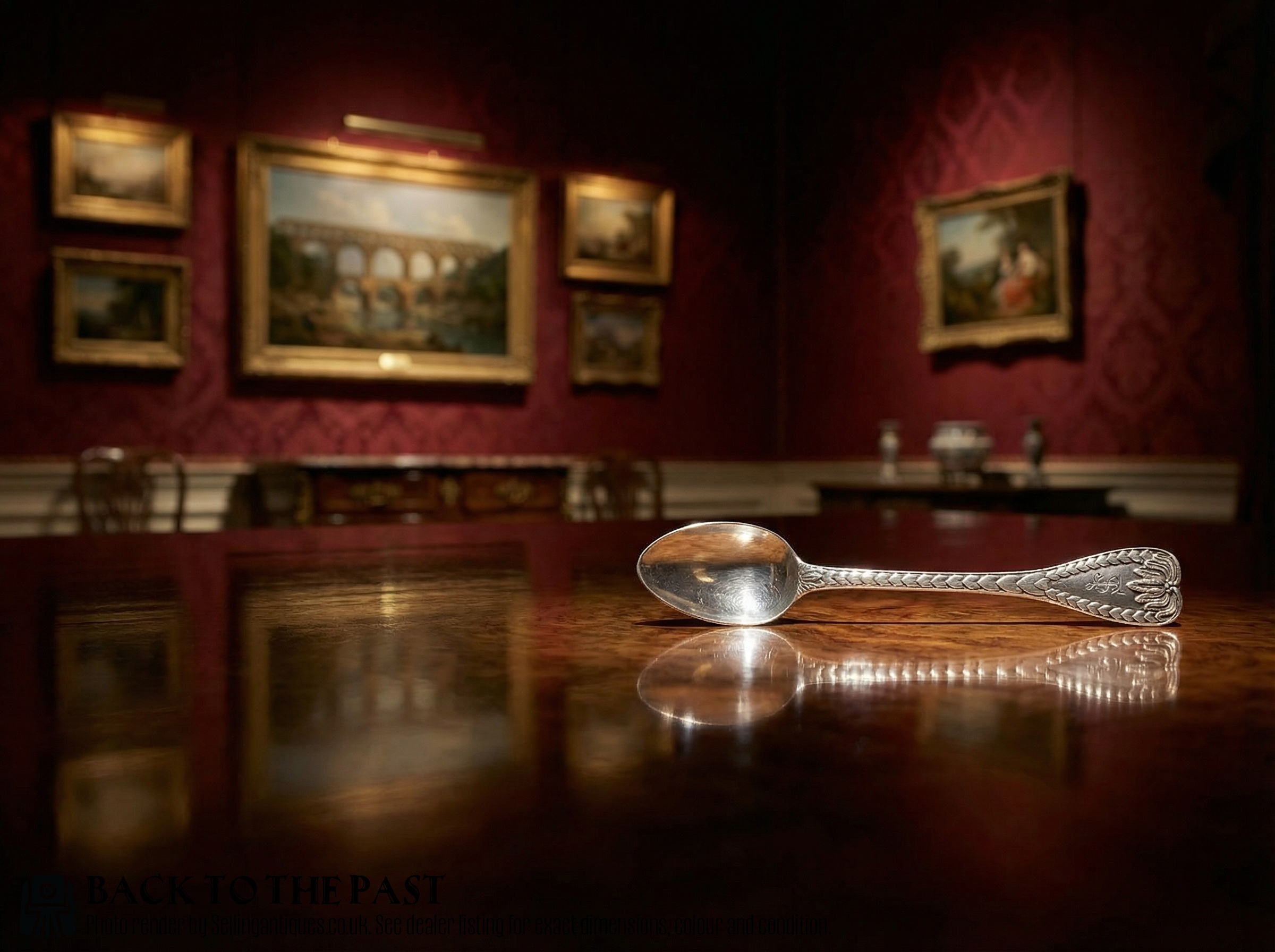
George Unite·Joseph Taylor·Elizabeth Morley·William Pugh
The Antique Silver Caddy Spoons Glossary
- Bright-cut
- Engraving cut with a burnishing tool, leaving faceted strokes that catch the light. It runs through the Georgian titles.
- Assay office
- The town whose mark is struck on the spoon. Birmingham and London dominate, with Sheffield, Chester, Newcastle, Exeter, Dublin and Glasgow behind them.
- Shovel
- A plain rectangular or spade-shaped bowl set at an angle to the handle. Eight titles use the word.
- Jockey cap
- A bowl formed as a peaked riding cap, usually with a segmented or filigree crown. Fourteen titles, and the recurring novelty shape.
- Provincial
- Assayed outside London or Birmingham, so Newcastle, Exeter, Chester or a Scottish provincial town.
- Bifurcate
- A handle or bowl split into two lobes, a term used in a handful of Georgian titles. Sometimes written biforate.
Antique Silver Caddy Spoons: Frequently Asked Questions
What is a caddy spoon for?
Lifting dry leaf tea out of a caddy. The bowl is broad and shallow so it takes a good scoop, and the handle is short so the spoon fits inside the caddy with the lid down.
They appeared in Britain in the later 18th century, once loose tea began arriving in lidded caddies rather than with a scoop-shell.
Which period turns up most often?
Georgian, by a wide margin. The word appears in 183 titles and 174 listings are filed as Georgian, against 62 Victorian, with George III the largest slice inside that.
After the Georgian and Victorian groups there's a solid Edwardian to interwar seam, including 1920s and 1930s pieces and titles naming Art Deco.
How big and heavy are they?
Small. The ones that quote a weight in the title mostly fall between 12 and 32 grams, and the heaviest figure quoted anywhere in the archive is 67 grams.
Most are under a few inches long, which is what the caddy demanded.
Are novelty shapes common?
They're a visible minority rather than the norm. Leaf bowls are the biggest decorative family at 34 titles, taking in vine and grape, oak and veined naturalistic forms, and jockey caps account for 14.
Beyond those, one-off shapes crop up once and nowhere else: a hand, a cowrie shell, a frying pan, a hoof, a camel, a lizard, a sea serpent, an octagonal bowl and a teapot-handled spoon.
Do non-British caddy spoons appear?
Yes, as a small but wide seam. Dutch, Norwegian, Swedish, Danish, Russian cloisonné, American, Indian, Australian and French pieces all show up among English sterling.
Scandinavian silver is the steadiest part of that strand.
Why do so many listings say only 1800s?
Because the dealer date field carries century- and decade-wide labels as well as exact years. Forty-seven listings are given only as "1800s", 30 as "19th Century", 22 as "18th Century" and 20 as "Regency".
A spoon filed that way may sit anywhere in that span. Where a title quotes a hallmark year, that's the firmer figure, and 173 listings carry one.