
Victorian Nursery Antiques
Victorian nursery antiques gather the domestic furnishings, toys and fire guards shaped for nineteenth-century children.
Victorian Nursery Antiques
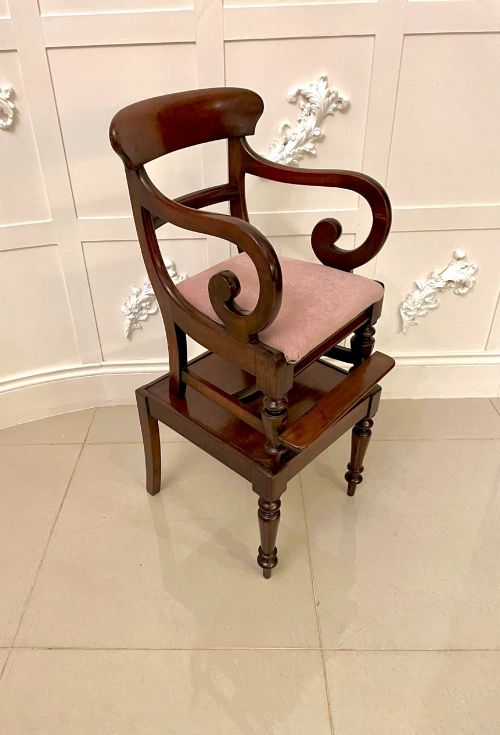
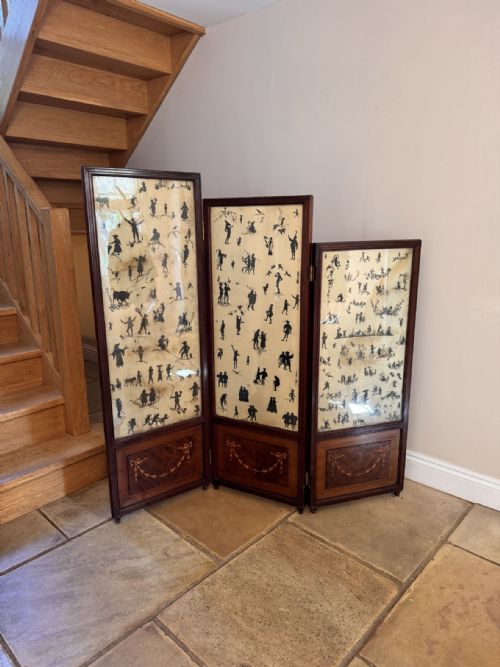
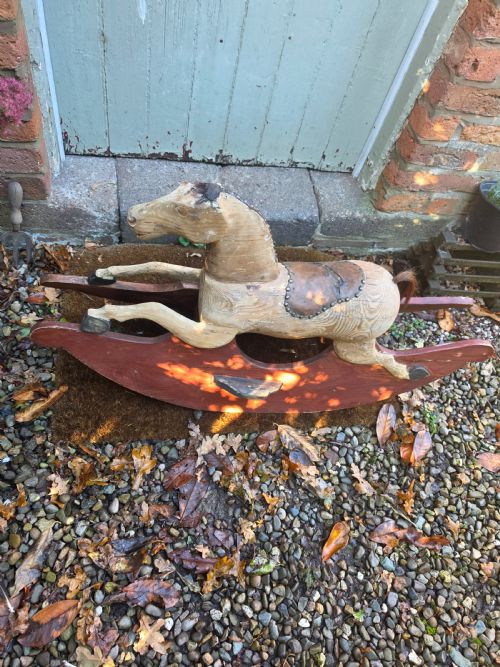
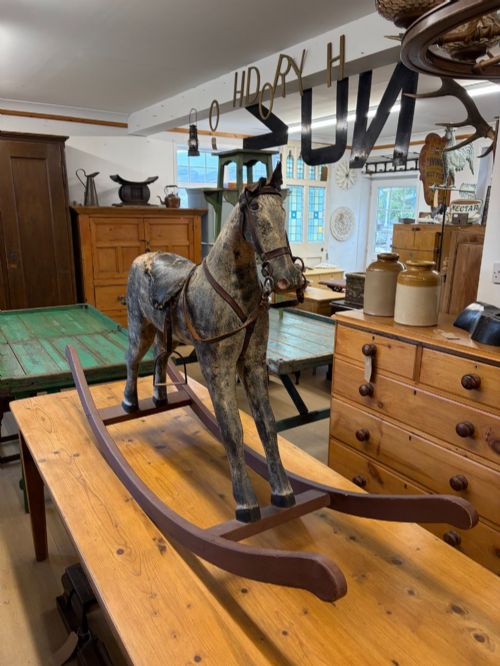
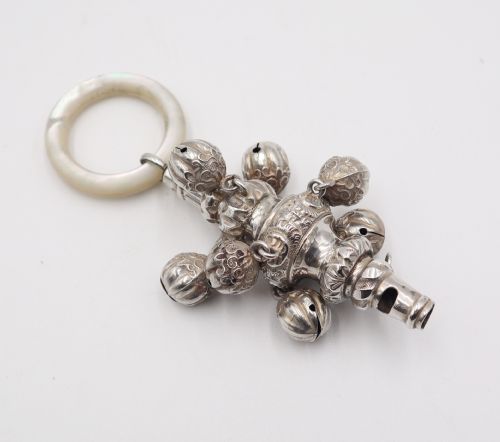
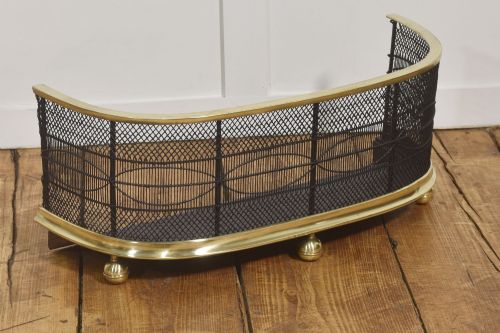
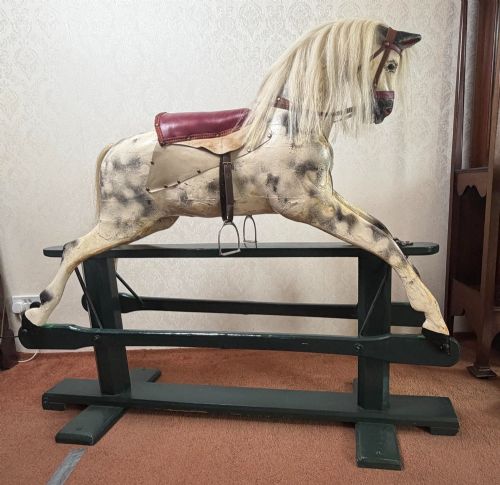
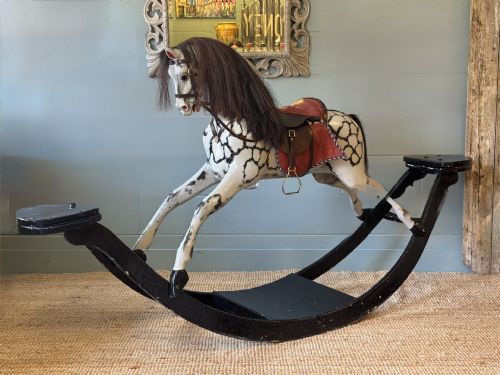
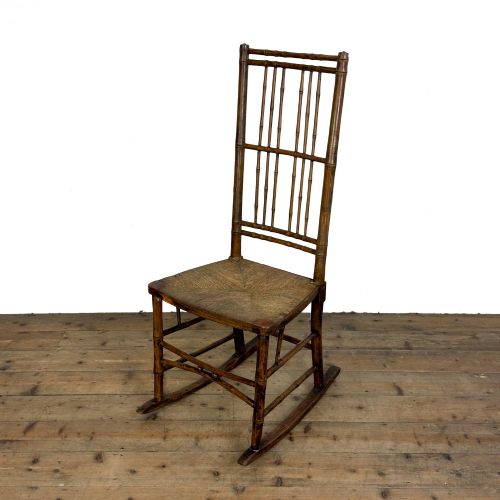
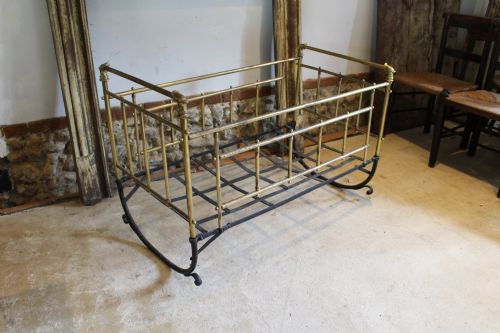
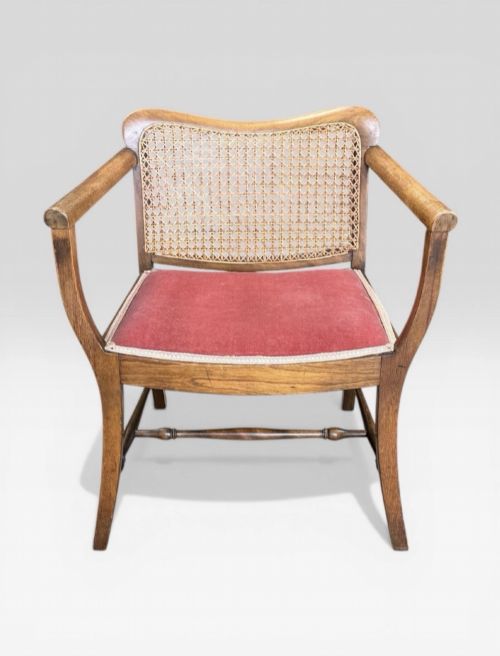
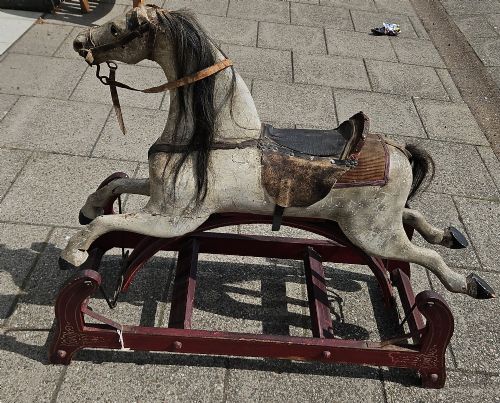
Victorian nursery antiques encompass domestic items made for children during the nineteenth century, ranging from seating to playthings and hearth protections. When exploring this category, buyers primarily encounter rocking horses, small chairs, high chairs, baby rattles, and brass fire guards.
The selection reflects both the utilitarian needs of domestic life and the leisure of the period, spanning sturdy country vernacular pieces to polished mahogany seating. Workshops and makers produced items specifically scaled for children, utilising traditional forms scaled down for domestic nurseries.
Materials and construction methods
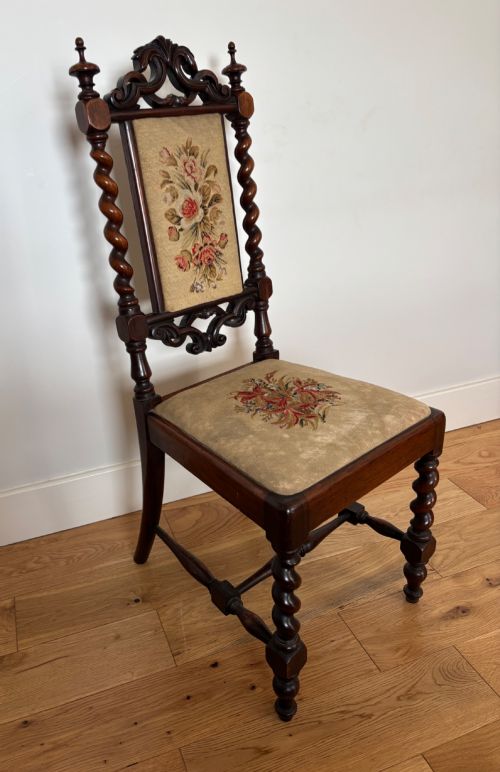
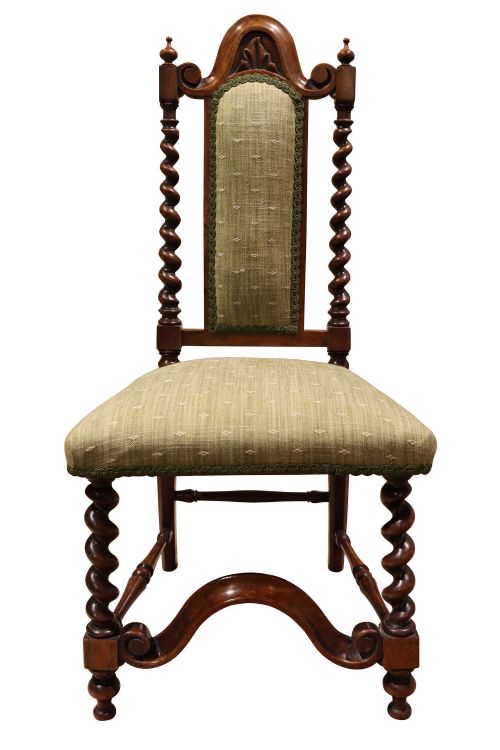
Makers utilised solid timbers such as elm, ash, oak, walnut, mahogany and pine, often combining different woods within a single piece of furniture. Windsor framing, barley twist turnings and pegged joints provided structural integrity for items subjected to heavy daily use by children.
Metals including brass, iron and wirework formed robust fire guards, fenders and swings, while horsehair, cane, leather and tapestry upholstery added comfort to seating. Carved wooden rocking horses relied on sturdy pine or hardwood bodies mounted upon original wooden rockers.
Listings feature nineteenth-century periods alongside materials including elm, oak, brass, iron and horsehair across various utilitarian and decorative forms.
Assessing quality in nursery pieces
Quality rests upon the integrity of the original construction, the selection of timber, and the survival of untouched surfaces. Pieces retaining original rockers, cane seats, upholstery or paintwork hold greater distinction than those with modern replacements.
Fine craftsmanship shows in the precision of turned spindles, detailed carved work on rocking horses, and robust joinery designed to withstand active use. The distinction between standard workshop output and works by recognised makers defines the upper tier of the range.
G and J Lines of London·James Shoolbred·Collinson
The Victorian Nursery Antiques Glossary
- Bergere
- A closed armchair with a cane back and seat, often found in smaller child proportions during the nineteenth century.
- Windsor
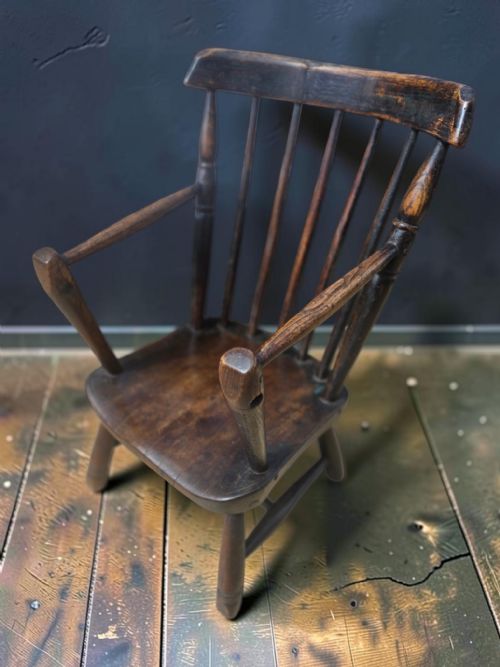
- A traditional wooden chair construction featuring individual spindles inserted into a solid sculpted seat and a bentwood bow or hoop back.
- Fender
- A low metal frame placed around a hearth to contain embers, frequently fitted with brass tops or integrated clothes rails in nursery settings.
- Treen
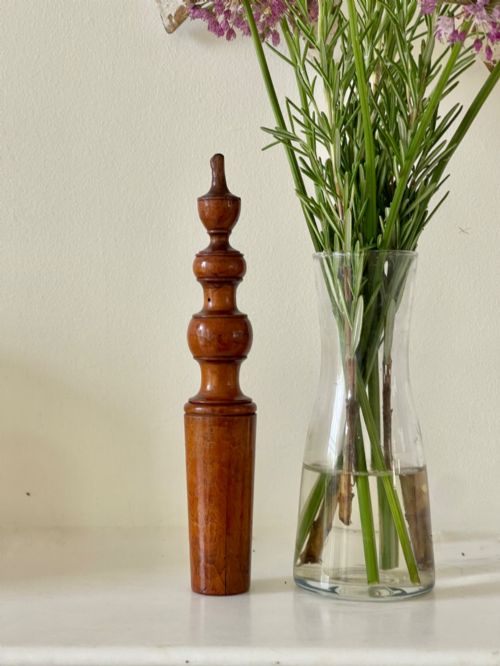
- Small handmade wooden objects for domestic use, encompassing items like carved rattles and small toys.
- Metamorphic
- Furniture designed to transform from one form to another, such as a high chair converting into a low rocking chair.
Victorian Nursery Antiques: Frequently Asked Questions
What are Victorian nursery antiques?
These pieces comprise furniture, toys and hearth accessories created for nineteenth-century children. They include scaled seating, rocking horses, rattles and protective fire guards.
Items range from rustic country Windsor chairs to polished mahogany high chairs and maker-stamped rocking horses. Each object illustrates period domestic life and child-rearing practices.
How were nursery items used?
Seating and high chairs accommodated children during meals and daily routines, while rocking chairs and horses provided entertainment. Fire guards protected young children from open hearths.
Fenders with integrated clothes rails kept garments warm near the fire. Toys like rattles and pull-along horses entertained infants and toddlers.
How do I live with these pieces?
These items integrate easily into modern interiors as decorative accents or functional seating. Small chairs and stools suit contemporary living spaces and hallways.
Larger objects like rocking horses serve as sculptural focal points in rooms. Placing wooden and brass items away from direct heat sources preserves their materials.
How do I date nursery antiques?
Dating relies on timber types, construction techniques, and stylistic markers recorded across the pieces. Georgian and Victorian examples display distinct joinery methods and turning styles.
Maker stamps and patent marks on items like rocking horses and high chairs provide specific chronological reference points.