
Antique Silver Christening Gift
An antique silver christening gift is a traditional offering for a newborn, and the selection here spans the Georgian, Victorian, and Edwardian eras.
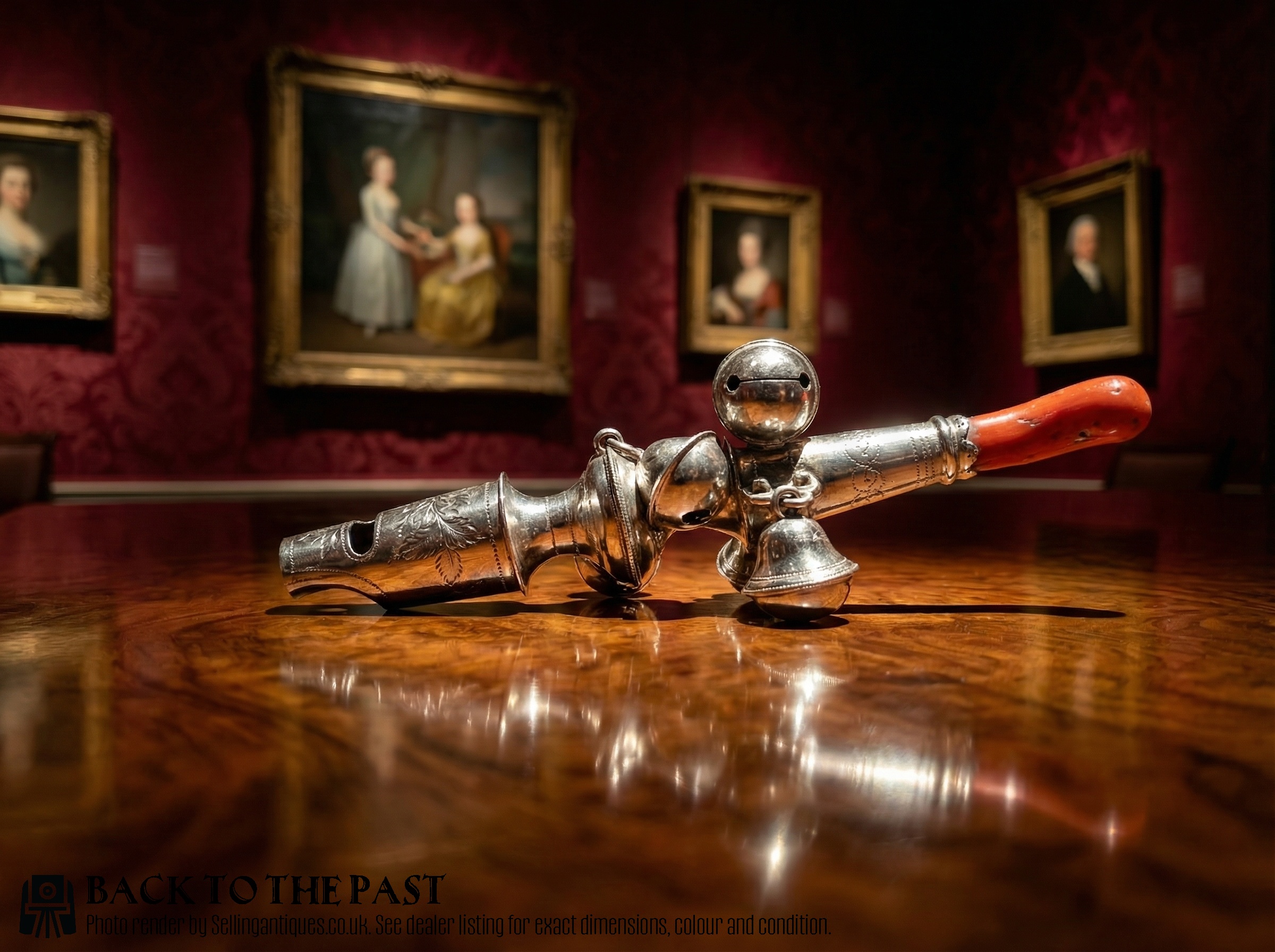
What an antique silver christening gift is
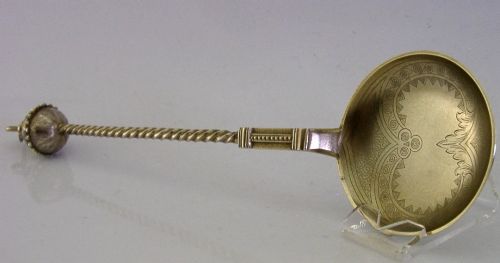
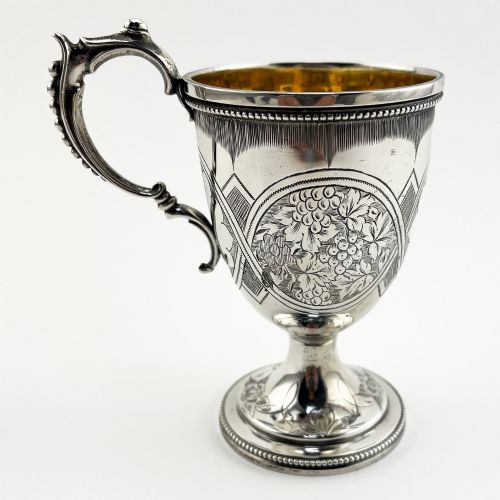
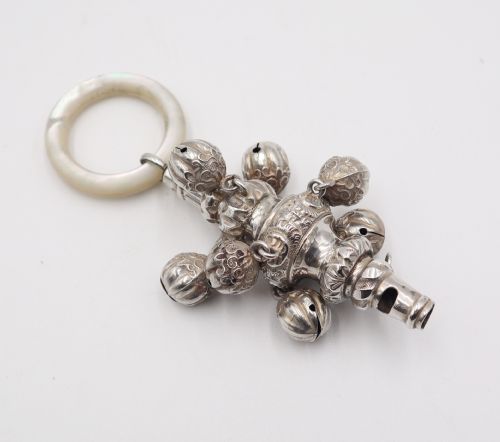
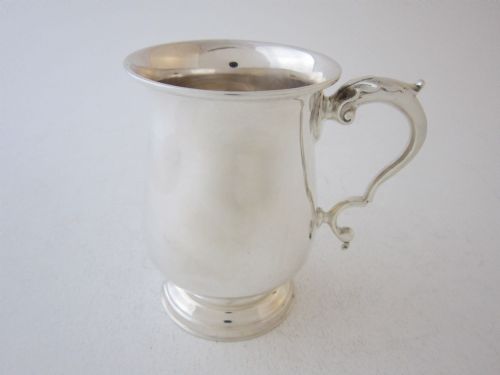
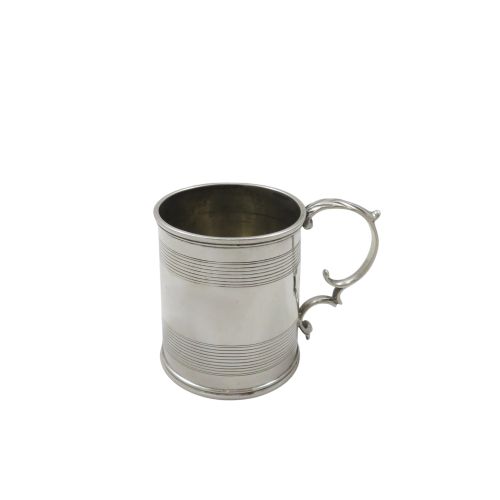
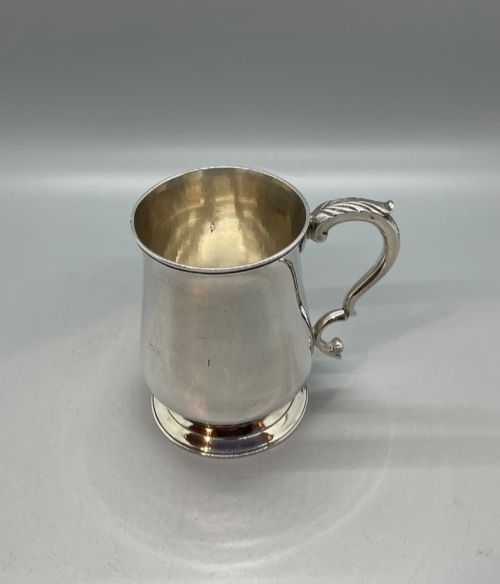
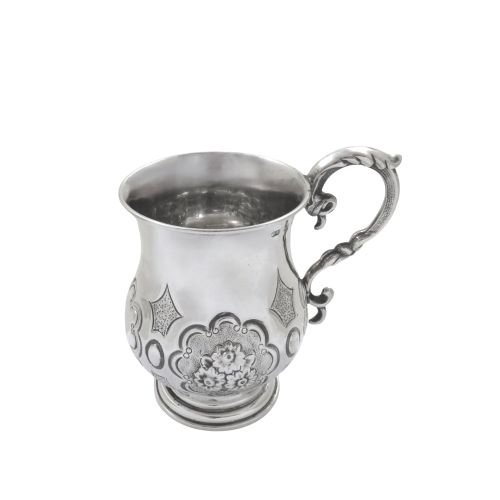
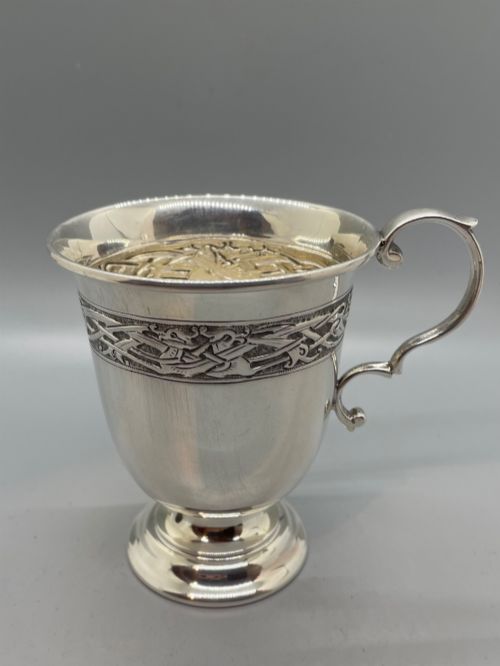
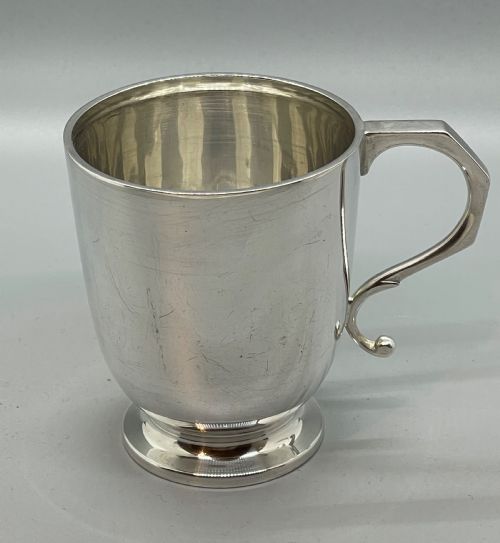
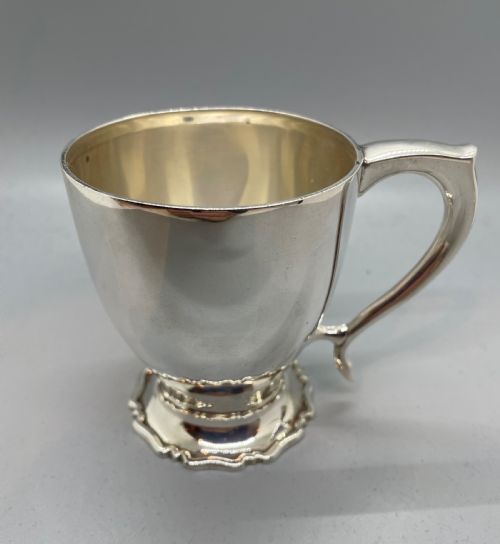
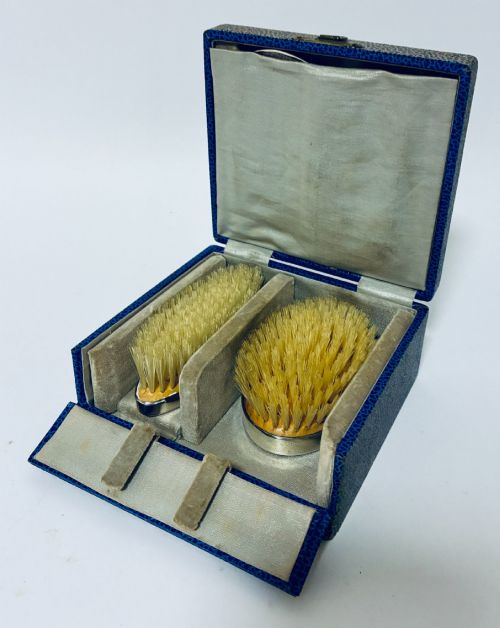
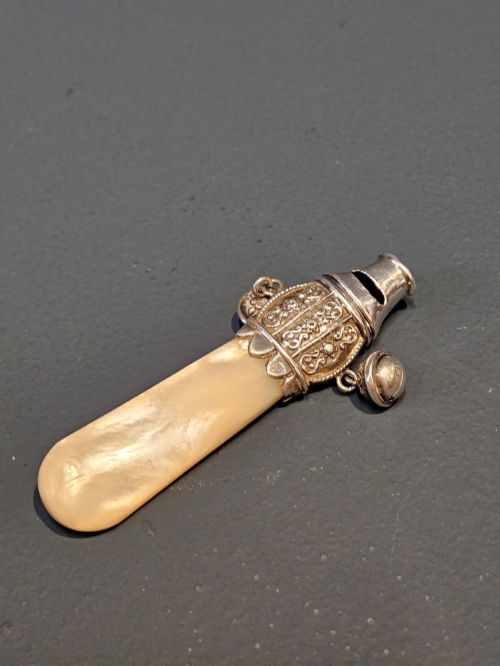
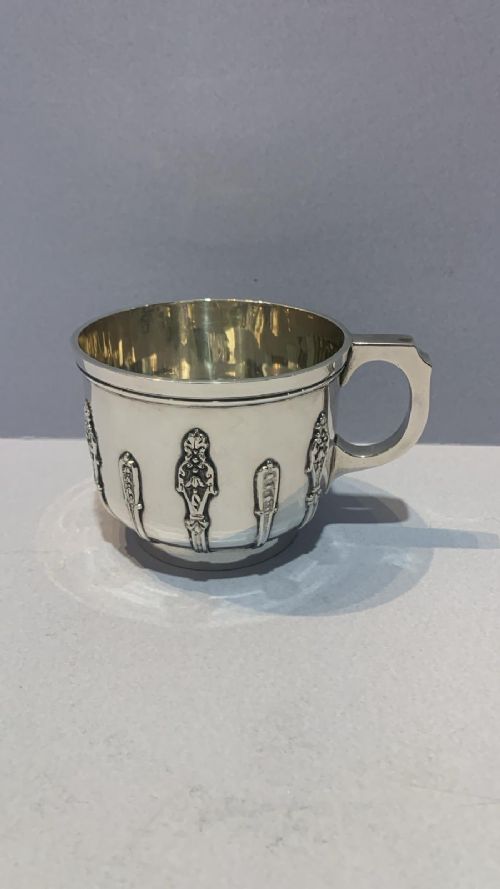
An antique silver christening gift encompasses functional tableware and personal items intended for infants, reflecting historical practices of marking a baptism or naming ceremony. The pieces found here include baby rattles, christening cups, napkin rings, mugs, and serving spoons from various periods.
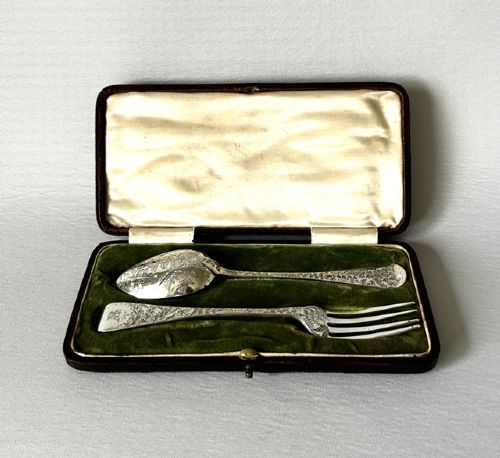
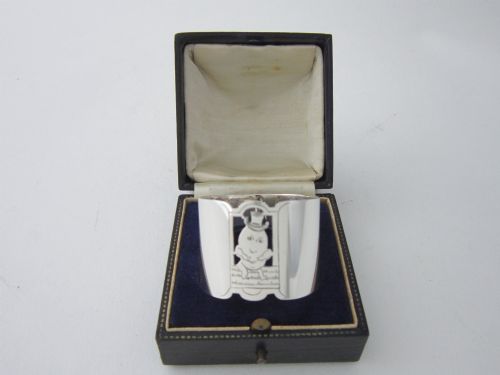
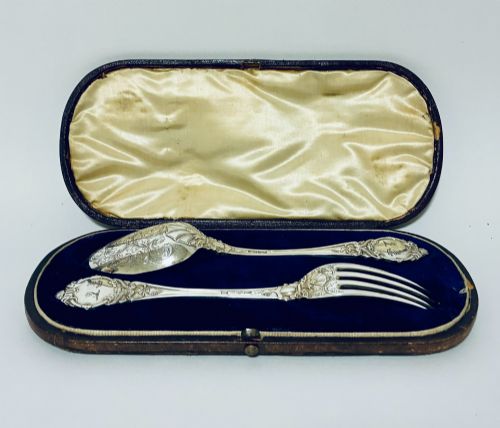
The Victorian era is well represented with pieces such as fitted christening sets and dated cups, alongside Georgian items including silver baby rattles. Buyers will also encounter Edwardian napkin rings housed in protective cases and heavier baptism spoons dating from the dawn of the twentieth century.
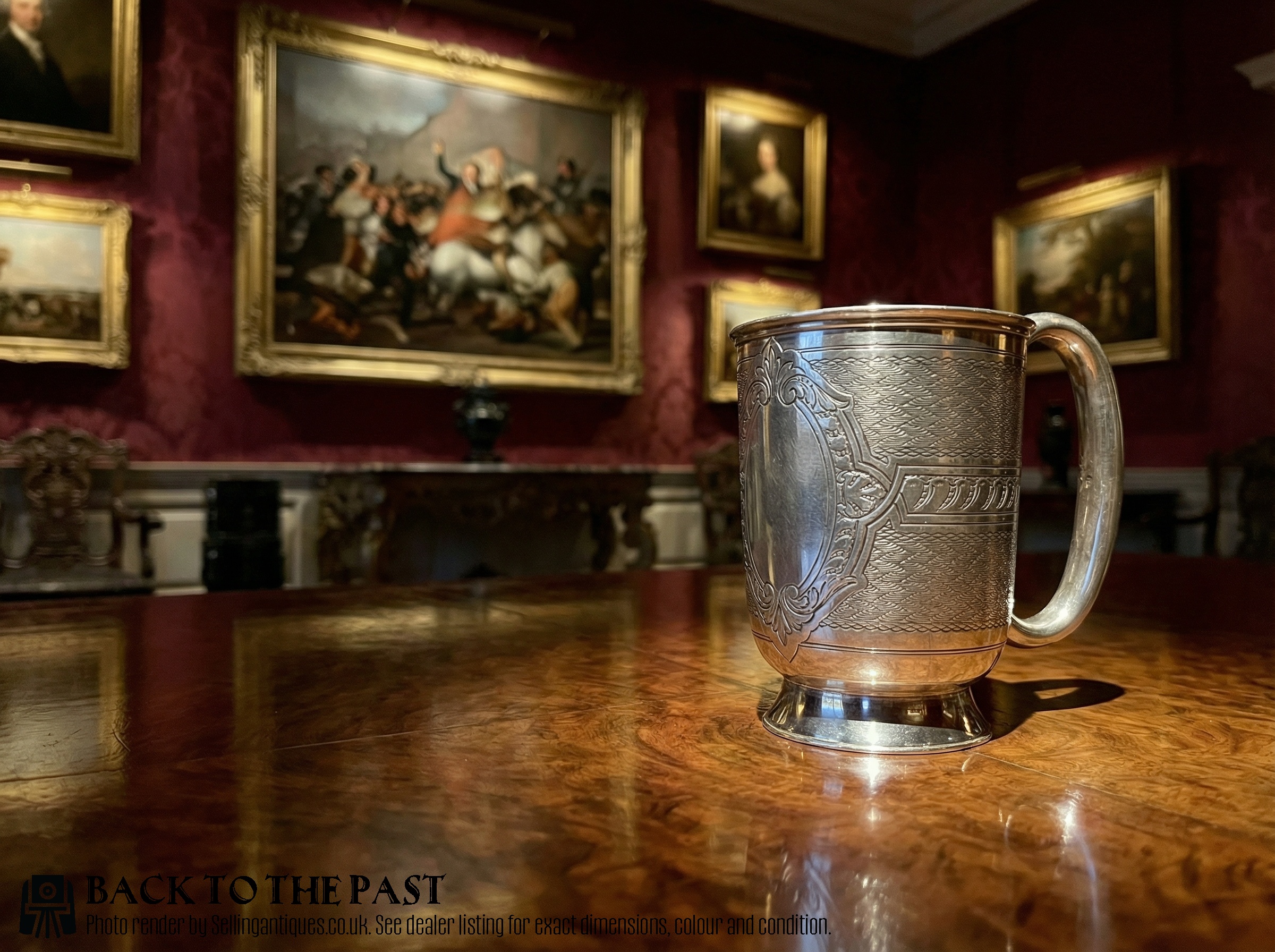
How they were made
The materials recorded in these listings are predominantly sterling silver and solid silver, occasionally enhanced with silver gilt. Internal linings and fitted presentation cases incorporate materials such as leather, velvet, and silk.
Earlier items from the eighteenth and nineteenth centuries rely on traditional silversmithing techniques, shaping solid metal into forms that withstood daily handling. Coral elements appear on specific items like rattles, combining organic materials with precious metal.
Retail Price Guide 2026
Typical UK retail prices for silver christening gift, calculated from the Sellingantiques database of over a million retail prices indexed since 2003. This retail price guide relies exclusively on Sellingantiques data; no external sources or auction records are used, so the figures do not describe the wider market.
Current listings feature items fashioned from sterling silver, solid silver, and silver gilt, complemented by leather, velvet, silk, and coral.
What varies in quality
Quality in these items is determined by the crispness of the original form and the preservation of any chased or engraved decoration. Pieces that retain their original fitted cases of leather, velvet, or silk demonstrate a higher degree of initial care and completeness.
Maker marks and regional assay stamps provide a clear indicator of origin, with London and Sheffield outputs showing distinct craftsmanship. The weight of the silver, particularly in solid silver items and spoons, dictates the substantial feel of the object.

The Antique Silver Christening Gift Glossary
- Sterling silver
- An alloy containing a high proportion of pure silver combined with other metals to ensure durability. This standard is frequently found across British items of the Georgian and Victorian periods.
- Silver gilt
- Silver that has been coated with a thin layer of gold on its surface, often seen on spoons and interior elements. This technique provides the rich appearance of gold while maintaining a silver structure.
- Assay office
- An official body responsible for testing the purity of precious metals and stamping them with hallmarks. Marks from locations like London and Sheffield help date and authenticate individual items.
- Rattle
- A noisemaker designed for infants, historically incorporating precious metals and sometimes coral. These often feature bells and teething handles intended for tactile engagement.
Frequently Asked Questions
What periods do these pieces come from?
The pieces span the eighteenth, nineteenth, and early twentieth centuries. This covers Georgian, Victorian, and Edwardian eras.
Dating is typically confirmed through hallmarks stamped directly into the silver.
How were silver rattles used?
Silver rattles served as both soothing toys and teething aids for infants. They often combined bells with coral handles.
Wealthier families gave these items as durable tokens to mark a birth or christening.
Are presentation cases original?
Certain items, such as Edwardian napkin rings, include fitted cases made of leather, velvet, or silk. These protect the silver from tarnishing when stored.
Original boxes add historical context to the piece.
What items are included in sets?
Victorian christening sets group matching tableware items together for a newborn. These collections were standard presentation pieces.
Individual pieces like mugs, cups, and serving spoons are also found.