


Scandinavian Silver Flatware
Scandinavian silver flatware brings clean modernist lines and intricate early forms to the table, offering both daily utility and lasting craftsmanship.
Scandinavian Silver Flatware
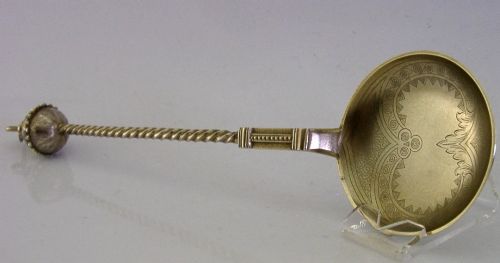
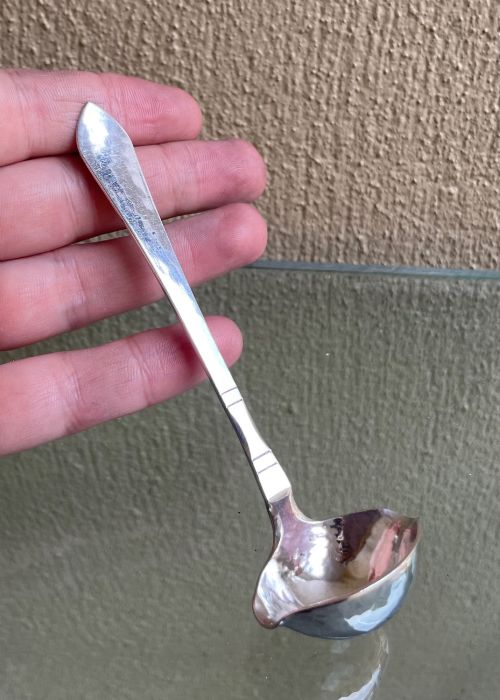
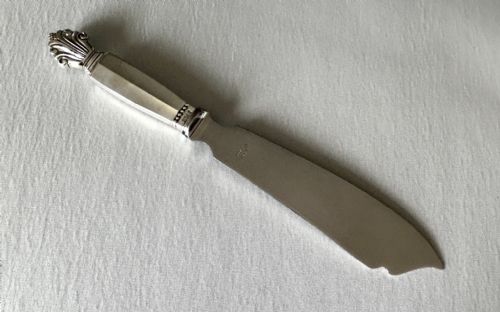
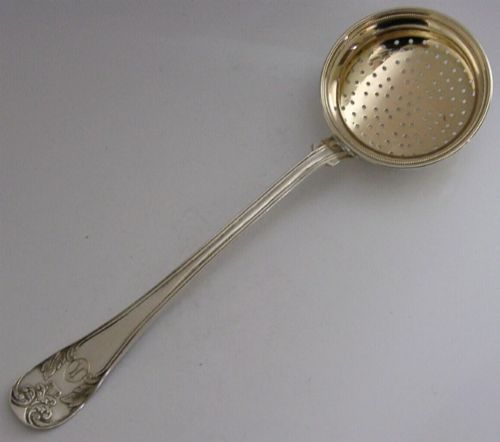
Scandinavian silver flatware encompasses serving pieces, spoons, ladles, and forks created across the twentieth century. These items range from ornate Edwardian and Art Nouveau designs to sleek Danish Modern and Mid-Century Modern creations.
The aesthetic shifts visibly from the decorative floral motifs of the early nineteen hundreds toward the restrained, functional elegance associated with the nineteen fifties and sixties.
How they were made
Makers utilised sterling silver and solid silver as the primary foundations for these utensils, occasionally incorporating gold gilt or enamel for decorative contrast. Certain serving pieces pair silver handles with stainless steel working parts to ensure durability during use.
Techniques range from hand-hammered surfaces and cast floral elements to vibrant enamel work applied to Christmas spoons. Workshops employed skilled silversmithing methods to balance ornamental weight with ergonomic balance.
Scandinavian Silver Flatware Retail Price Guide 2026
Typical asking prices for scandinavian silver flatware among the pieces listed under this phrase on Sellingantiques today, from the lower quarter to the upper quarter. They describe what is for sale here now, not the wider market.
Listings feature items dated across the twentieth century, moving from nineteen hundred through nineteen sixty.
What varies in quality
Quality in Scandinavian silver flatware rests upon the prominence of the maker, the complexity of the design, and the integrity of the precious metals. Pieces originating from esteemed silversmiths command attention through superior proportion and heavier gauge silver.
The refinement of surface detail, whether in the chased foliage of an Art Nouveau handle or the precise application of enamel, dictates the relative standing of individual utensils within the broader range.
Georg Jensen·Evald Nielsen
The Scandinavian Silver Flatware Glossary
- Sterling silver
- An alloy consisting of pure silver and other metals, typically copper, to increase durability. This standard appears frequently across twentieth-century tableware.
- Silver gilt
- Silver that has been coated with a thin layer of gold on its surface. This technique produces a rich two-tone effect seen on decorative spoons.
- Caddy spoon
- A short-handled spoon specifically designed for measuring loose tea leaves from a caddy. These small utensils often showcase inventive silversmithing.
- Sugar sifter
- A large perforated spoon utilised for dusting powdered sugar over desserts or pastries. They frequently feature elaborate bowls and pierced patterns.
- Enamel
- A glassy substance fused to metal through firing, adding vibrant colour to decorative objects. It appears on seasonal and commemorative pieces.
Scandinavian Silver Flatware: Frequently Asked Questions
What periods do these pieces span?
The available pieces stretch from the early Edwardian and Art Nouveau eras through Art Deco and into the mid-century modern period of the nineteen sixties.
This broad timeline demonstrates the evolution of Scandinavian design from ornate decorative flourishes to minimalist functionality.
How do I identify a serving spoon?
Serving spoons are typically larger than standard dining cutlery, featuring deep bowls designed for transferring portions at the table.
Many examples from this region incorporate extended handles and distinct stylistic motifs characteristic of Danish and Swedish workshops.
What is a caddy spoon used for?
A caddy spoon is a small specialised utensil created to scoop loose tea leaves from a storage container.
Their compact size allowed silversmiths to experiment with decorative handles and unique bowl shapes while keeping the tool strictly functional.
Are these items made of solid silver?
The inventory includes items fashioned from solid silver, sterling silver, and silver gilt alongside pieces with stainless steel working parts.
Material choices depend on the specific function of the utensil, balancing traditional precious metal standards with practical utility.