
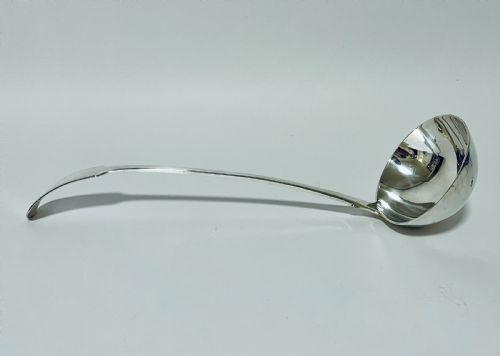
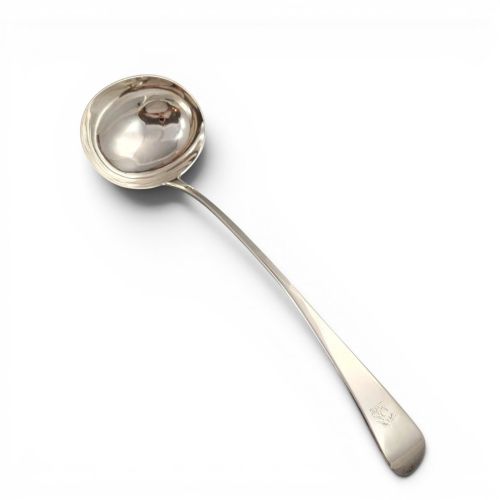
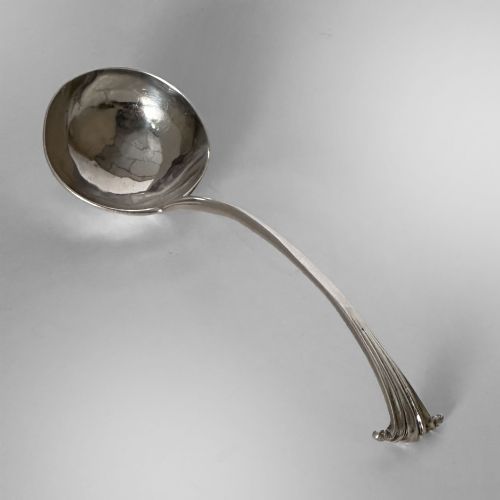


Silver Serving Ladle
A silver serving ladle brings gravitas to the dining table, offering heft and historical design for dishing soups, stews, or punch.
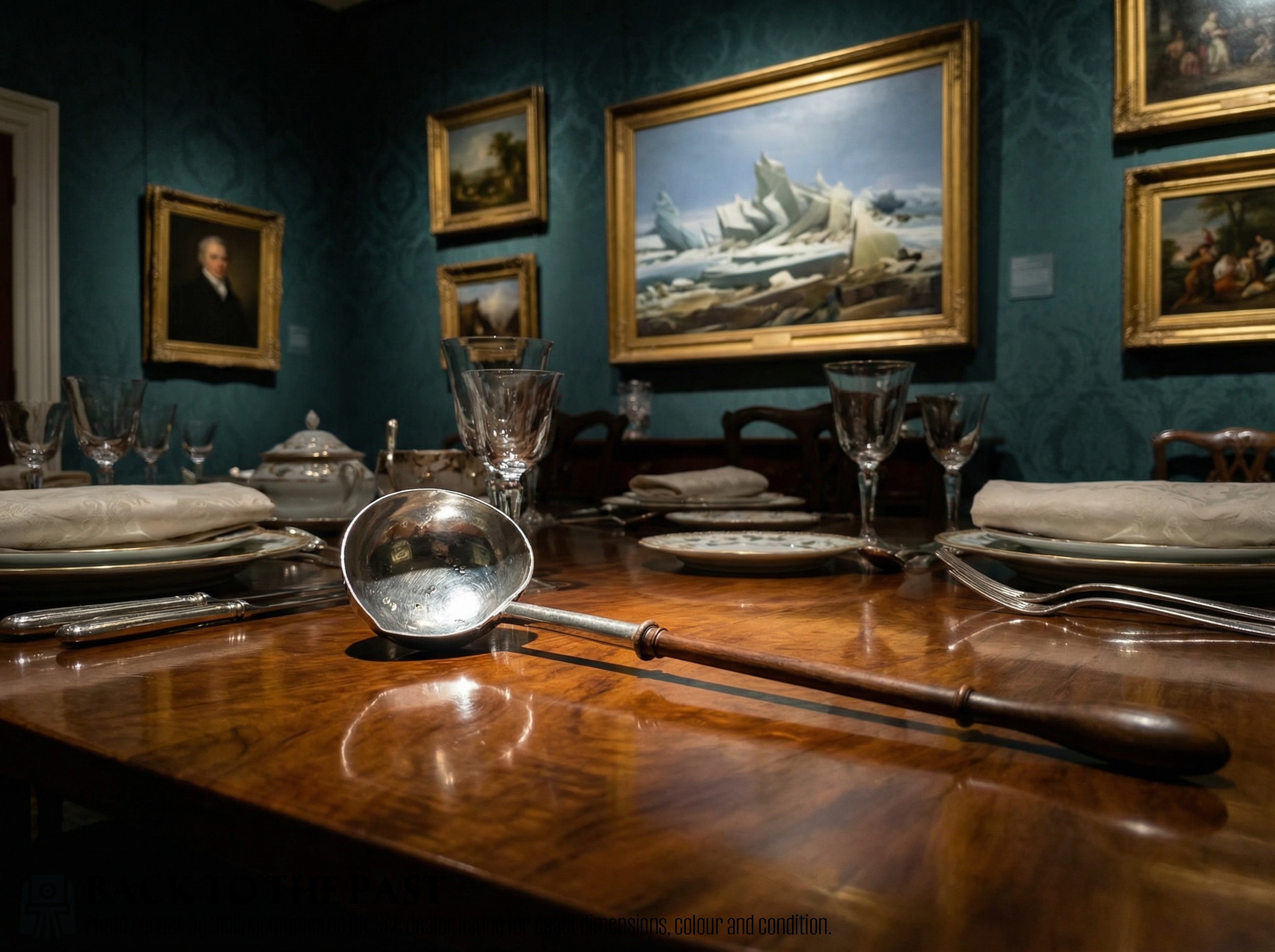
What a silver serving ladle is
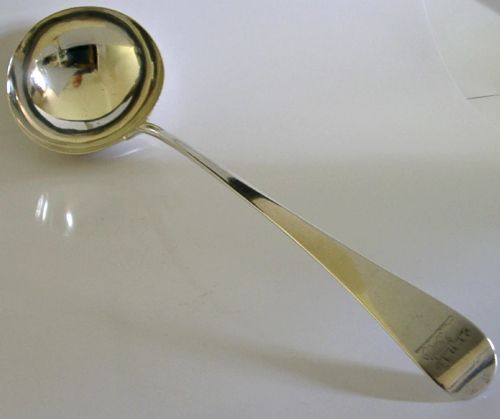
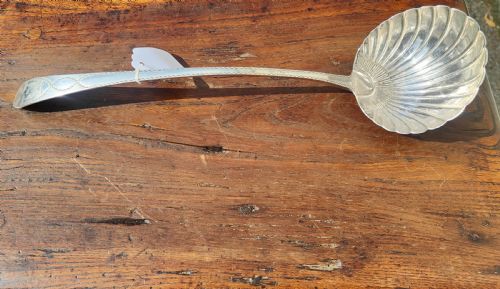
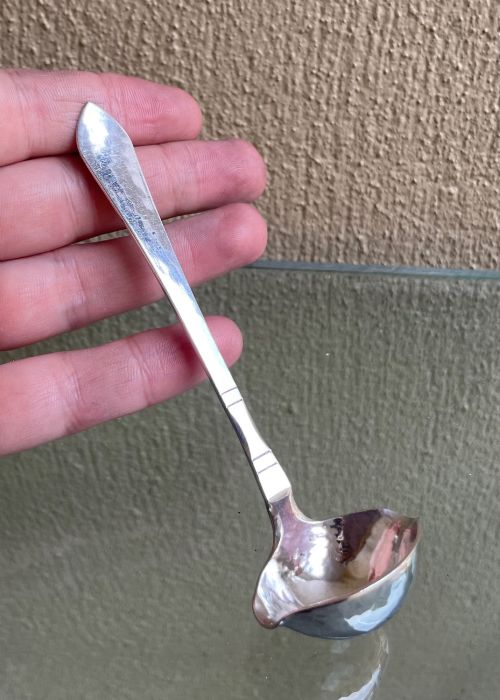
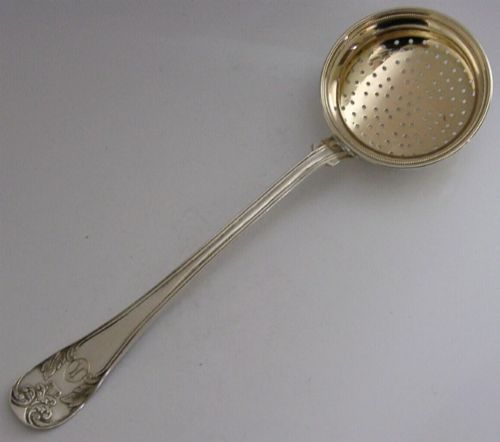
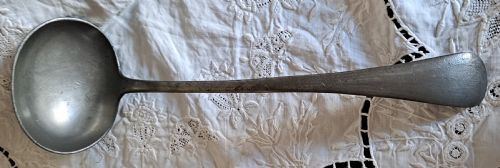
A silver serving ladle is a substantial utensil designed for scooping soups, stews, punch, or sauces during formal dining. These pieces range from large Georgian soup ladles to specific forms like toddy ladles and strawberry or dessert spoons.
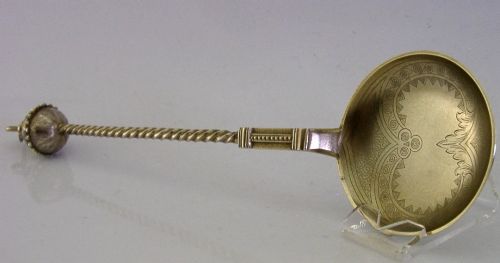
The versions most commonly met here stem from the Georgian and Victorian periods, alongside continental and Scandinavian antique examples. Makers utilised sterling silver, silver, gold wash, and occasionally wood to construct these utensils.
How they were made
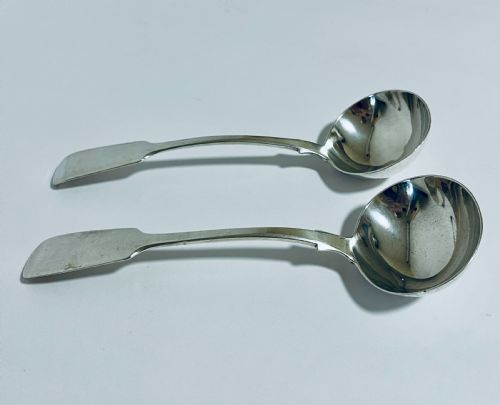
Silversmiths hammered and shaped solid sterling silver and silver into generous bowls and long, sturdy handles. Techniques included casting and hammering, with some pieces featuring distinct patterns such as Old English, Fiddle, Hanoverian, and Arlington.
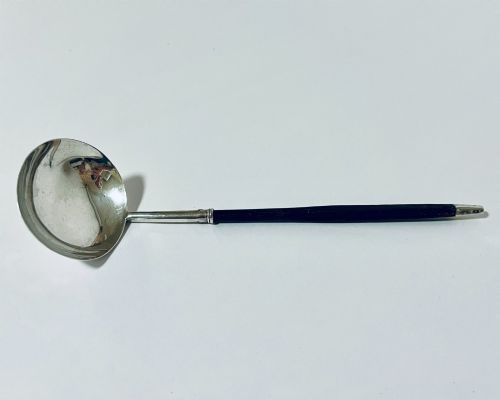
Details like family crests were engraved onto the terminals, while certain variations incorporated gold wash interiors or turned wooden handles for specific uses like toddy ladles.
Retail Price Guide 2026
Typical UK retail prices for silver serving ladle, calculated from the Sellingantiques database of over a million retail prices indexed since 2003. This retail price guide relies exclusively on Sellingantiques data; no external sources or auction records are used, so the figures do not describe the wider market.
Listings feature periods from the Georgian era through 1900, employing sterling silver, silver, wood, and gold wash.
What varies in quality
Quality rests in the weight of the metal and the clarity of the hallmarks, where heavier specimens demonstrate greater substance and durability. The crispness of engraved family crests and decorative patterns further separates standard production from superior craftsmanship.
Geographic origin also shapes distinction, with provincial Scottish, regional English, and continental workshop pieces offering unique stylistic variations that elevate the character of the utensil.
Jamieson and Naughton·Jean Francois Veyrat·Elizabeth Eaton
The Silver Serving Ladle Glossary
- Hallmark
- Official stamps applied to precious metals indicating the maker, standard of silver, and year of assay. These marks provide the primary evidence for dating and attributing antique silverware.
- Gold Wash
- A thin layer of gold applied to the interior bowl of a silver ladle. This technique protected the silver from corrosion when serving acidic foods like fruit or punch.
- Provincial
- Describing items made outside major capital cities by regional silversmiths. Provincial pieces often display distinct local design traits and scarce maker marks.
Frequently Asked Questions
What is a toddy ladle?
A toddy ladle is a smaller drinking utensil designed with a long handle, frequently incorporating wood alongside silver, used historically for serving hot whisky drinks.
These pieces differ significantly from large soup ladles in scale and specific function at the table.
How do I identify a Georgian ladle?
Georgian ladles date from the period spanning the reigns of the Georges and are identified through specific hallmarks, classic forms like Old English or Hanoverian patterns, and substantial solid silver weight.
Examining the assay office marks on the back of the handle confirms the exact decade of manufacture.
Were family crests added later?
Family crests were typically engraved at the time of commission to personalise the silver for the original owner. These armorial bearings help trace the provenance of individual pieces through historical records.
Master silversmiths executed these engravings with crisp detail on the handle terminal.
What is gold wash on silver?
Gold wash, or vermeil, is a thin coating of gold applied to the interior bowl of a silver serving ladle. This layer prevented acidic foods or punch from tarnishing and corroding the silver beneath.
It adds a warm, contrasting tone to the polished silver exterior.