
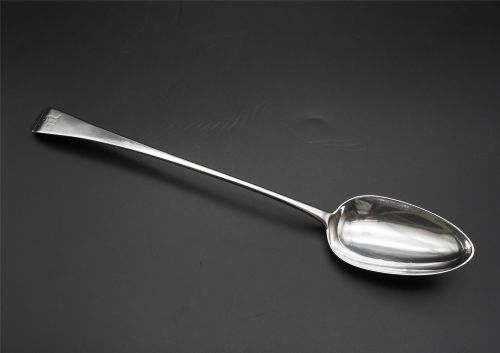
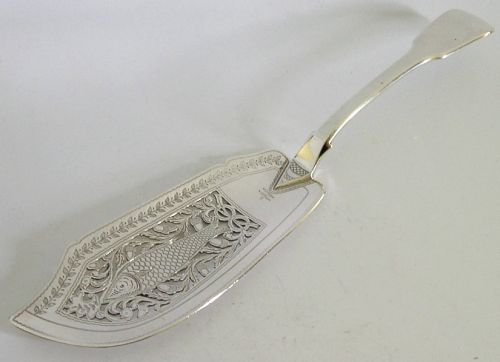
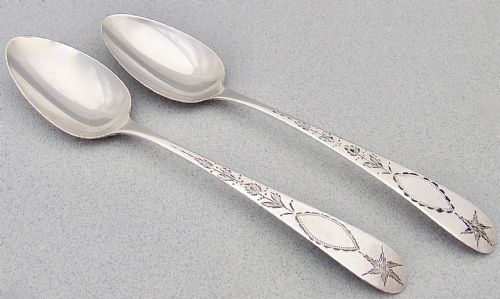
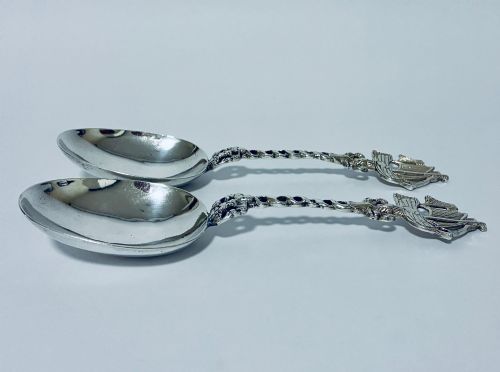
Engraved Silver Cutlery
Engraved silver cutlery brings remarkable craftsmanship to the table, offering tactile historical pieces you will reach for daily.
What these pieces are
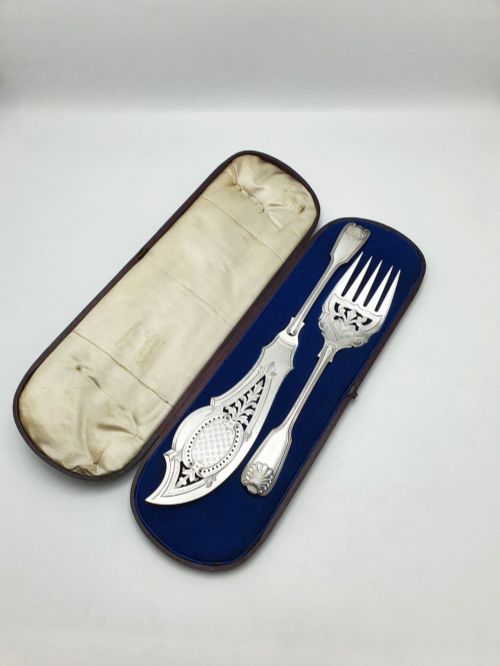
Victorian items dominate the material record, often displaying intricate surface decoration alongside specialised handle materials. Each piece reflects the functional and decorative domestic priorities of its period of manufacture.
How they were made
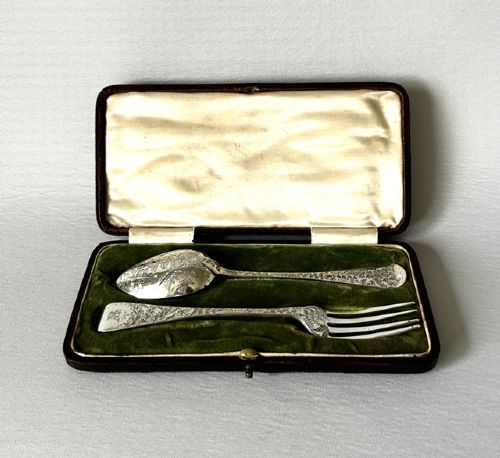
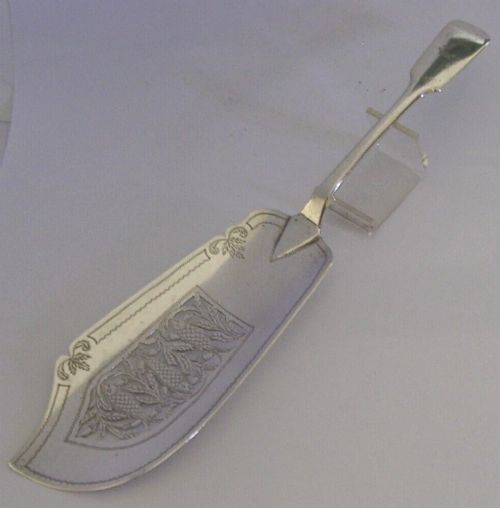
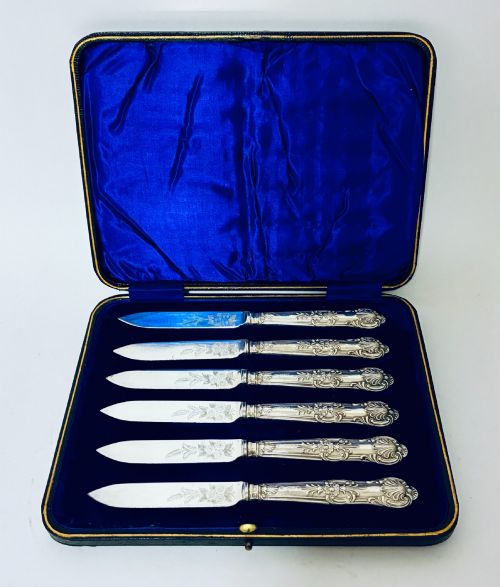
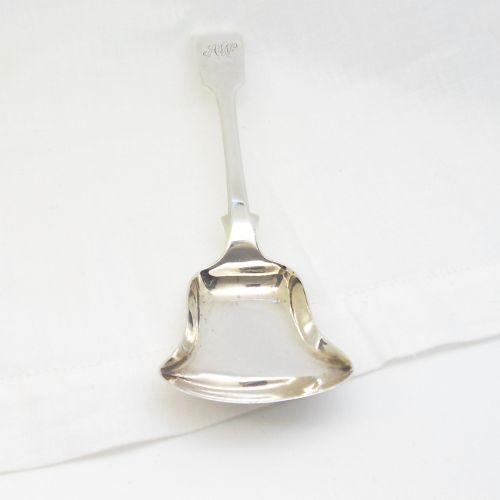
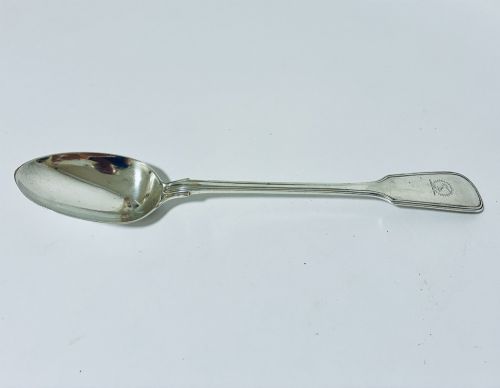
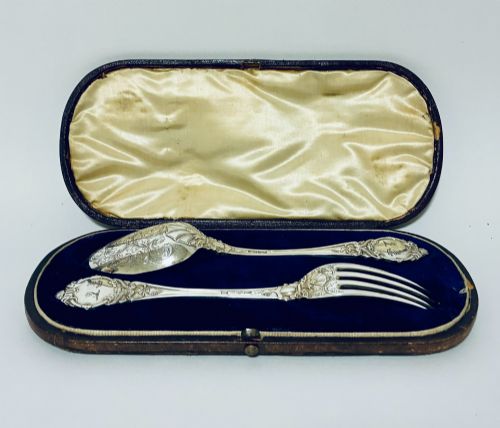
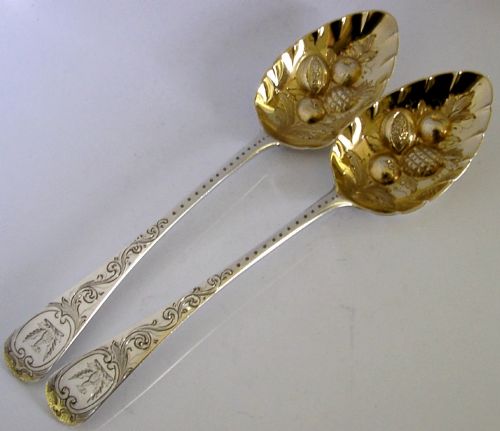
These items are shaped from sterling silver and standard silver, utilising traditional metalworking techniques to form bowls, tines, and blades. Artisans applied manual engraving methods to decorate the metal surfaces with linear patterns, crests, and floral motifs.
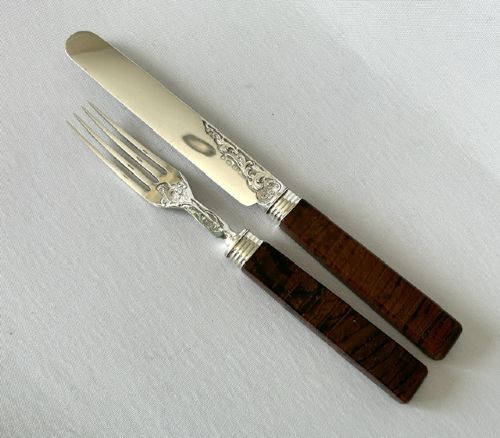
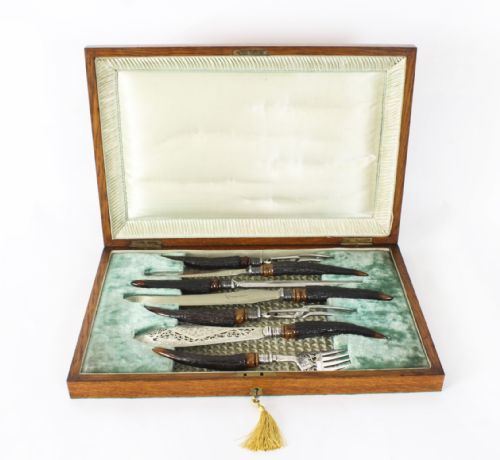
Handles incorporate diverse secondary materials including natural agate stone, which are secured to the silver components using traditional fitting methods. Presentation packaging and storage components also integrate textiles such as silk and velvet.
What varies in quality
Quality rests in the crispness and depth of the manual engraving, where superior pieces retain sharp, detailed incisions without blurring from wear or over-polishing. The integration of handle materials also distinguishes finer items, particularly where natural agate is shaped and fitted seamlessly to the silver shaft.
Design ambition separates standard utility pieces from exceptional examples, with superior items showing balanced proportions and harmonious decorative schemes across the entire utensil. The weight of the silver and the structural integrity of the joinery further define the upper tier of the range.
The Engraved Silver Cutlery Glossary
- Sterling silver
- A silver alloy containing 92.5 percent pure silver by mass, with the remainder usually copper. This standard composition provides the necessary durability for functional cutlery while maintaining a bright metallic lustre.
- Agate
- A cryptocrystalline variety of quartz utilised for decorative handles on specialised cutlery. Its natural banding creates distinctive patterns that vary uniquely across individual pieces.
- Christening set
- A specialised collection of cutlery presented as a traditional gift for an infant's baptism. These matched sets often feature decorative engraving suited to commemorative occasions.
- Souvenir spoon
- A commemorative utensil produced to mark a specific location, historical event, or landmark. They frequently feature detailed engraving and specialised handle motifs relevant to their subject.
Frequently Asked Questions
How do I clean engraved silver cutlery?
Use a soft microfiber cloth and a mild, specialised silver cleaner to gently lift tarnish from the engraved recesses. Avoid harsh abrasive pastes that can wear down the fine surface details over time.
Store the pieces individually in soft cloths or dedicated lined boxes to prevent scratching against other metal items in your drawer.
Can I use antique silver cutlery daily?
Many people choose to incorporate these historic utensils into everyday dining to enjoy their tactile weight and balance. Hand washing is essential, as modern dishwater detergents and high heat will damage organic handle materials like agate.
Dry the silver promptly after washing to prevent water spots and preserve the polished finish of the metal.
What defines Victorian silver styles?
Victorian silver frequently showcases elaborate decorative motifs, including naturalistic floral patterns, scrollwork, and detailed manual engraving. Makers during this period embraced diverse ornamentation styles that reflected contemporary tastes in domestic luxury.
Utensils from this era often combine precious metals with contrasting materials to create visually rich table settings.
How are serving spoons different?
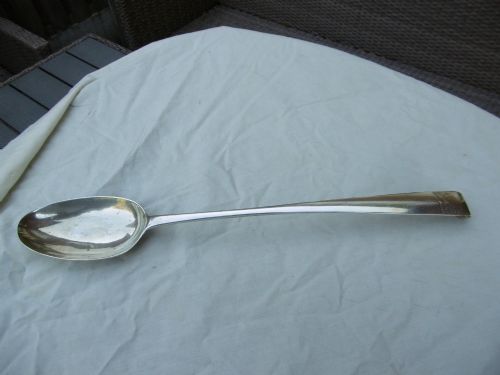
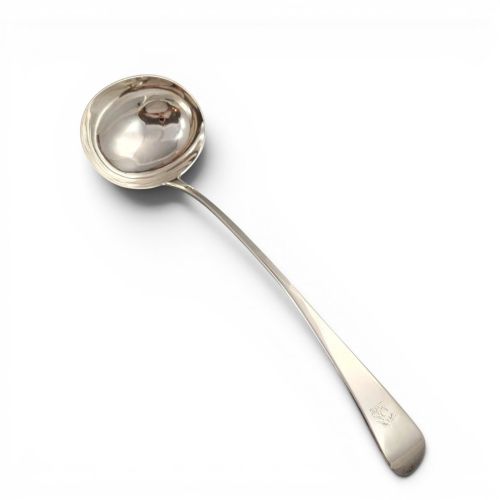
Serving spoons are substantially larger than standard dining cutlery, designed specifically for portioning and presenting food at the table. Their broader bowls and reinforced handles accommodate heavier use during communal dining.
These larger surfaces often provide an expanded canvas for intricate engraving work and maker's marks.