

Silver Tea Spoon
A silver tea spoon is a delicate table implement for stirring infusions, ranging from Georgian mote spoons to enamelled souvenirs.
Silver tea spoon forms
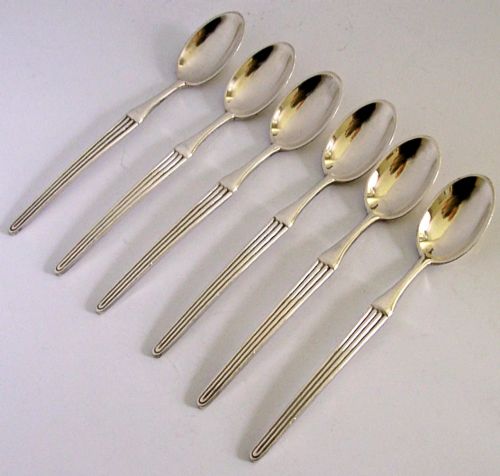
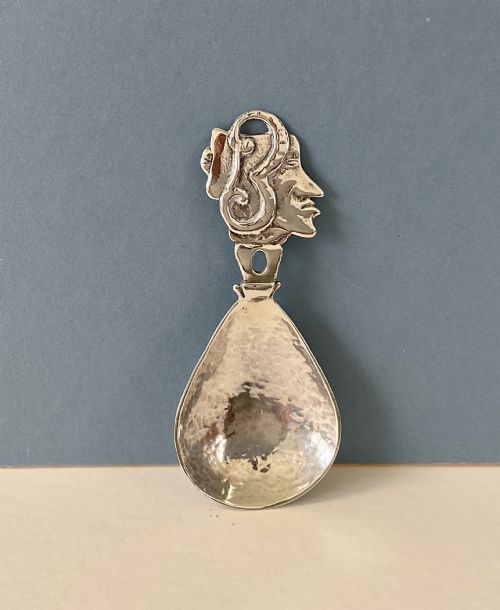
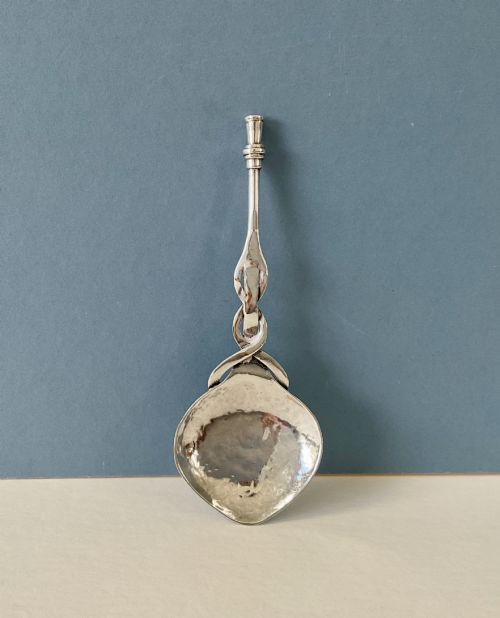
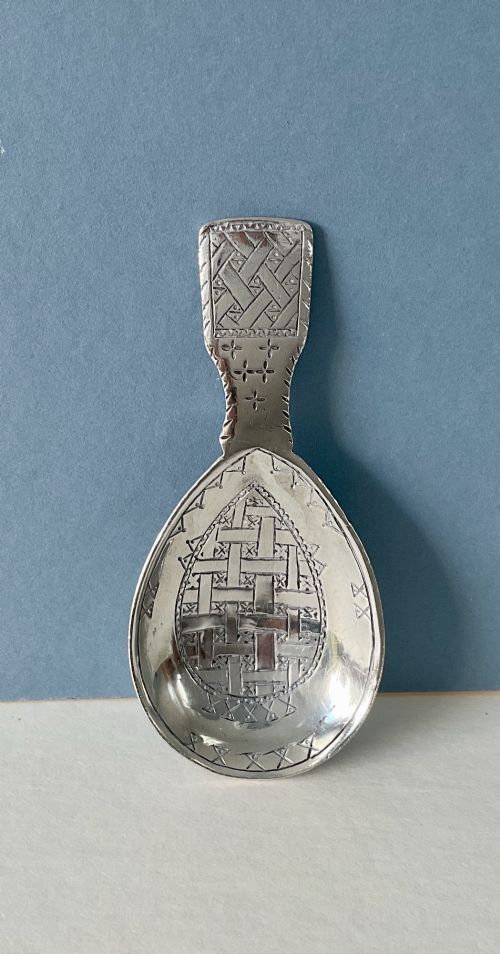
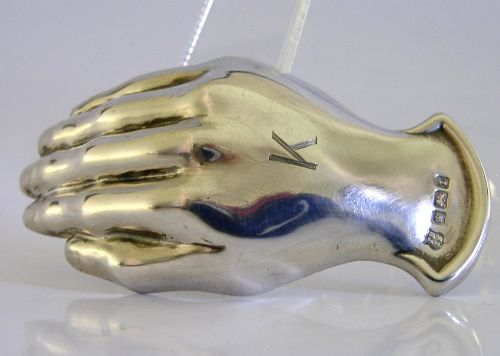
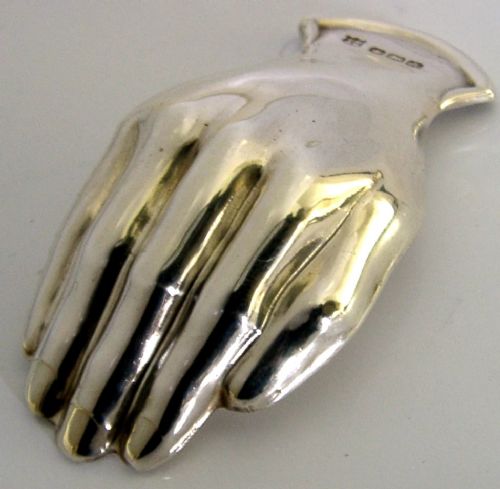
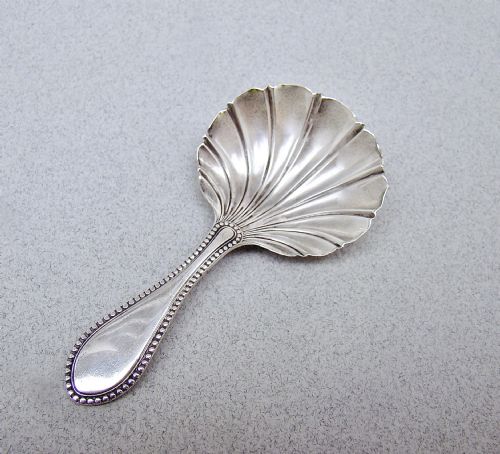
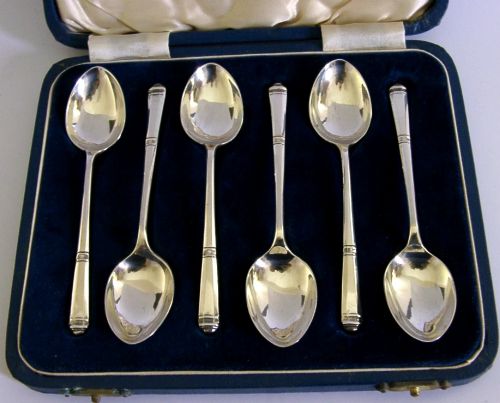
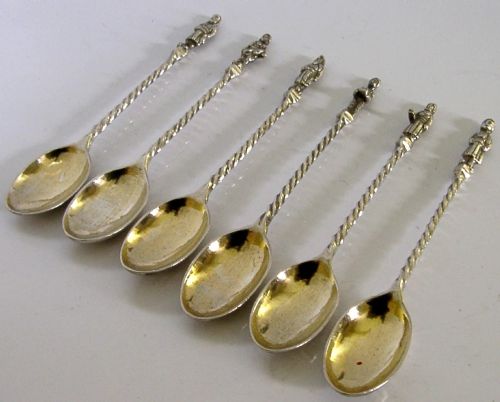
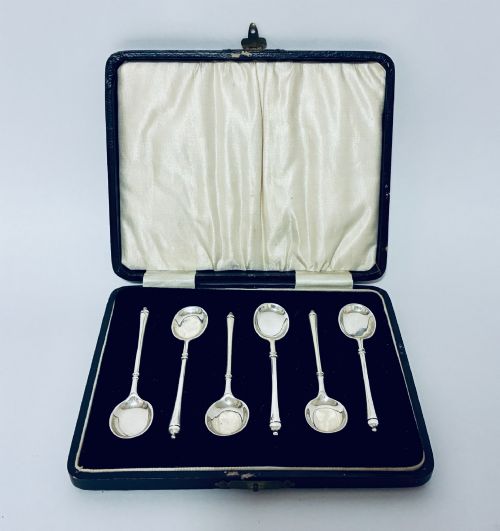
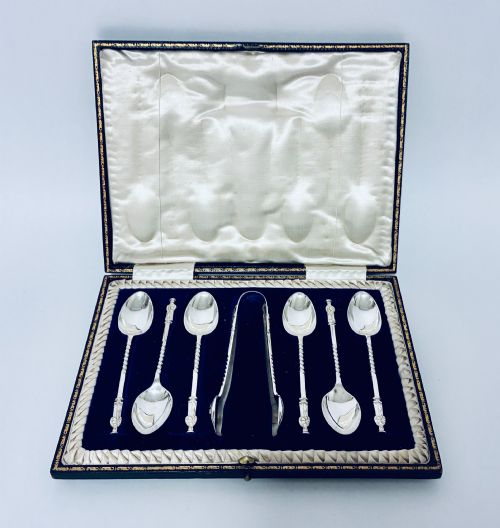
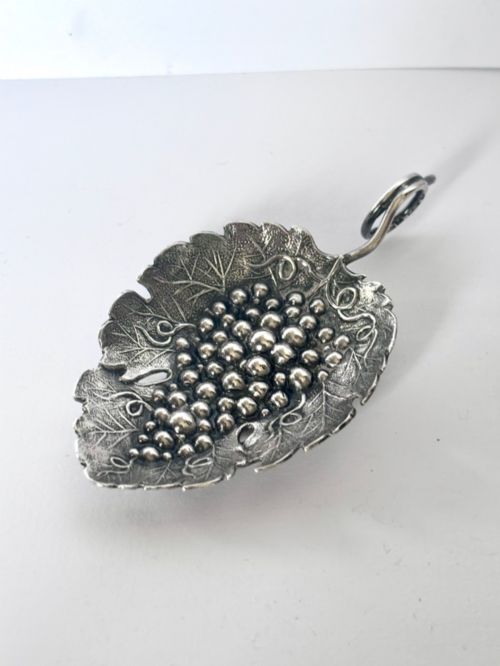
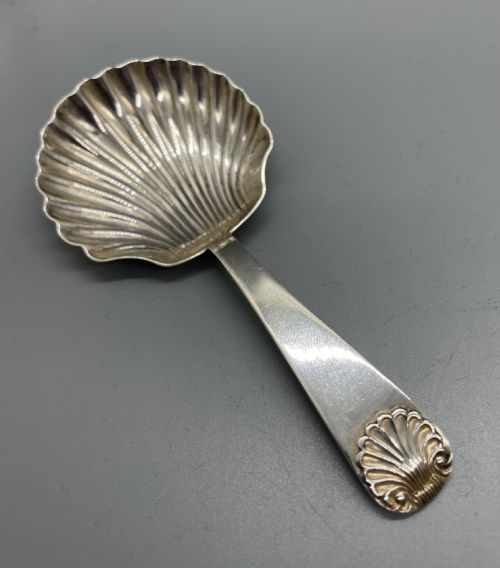
A silver tea spoon encompasses standard drinking spoons, specialised mote spoons with pierced bowls, and caddy spoons designed for measuring dry leaves. Buyers encounter single souvenir pieces alongside matched sets originating across the eighteenth, nineteenth, and twentieth centuries.
The styles span Georgian bright-cut engraving, Victorian patterned handles, Art Nouveau enamel work, and geometric Art Deco designs. British provincial towns and international makers alike contributed to this varied domestic legacy.
Materials and construction
Makers shaped these items predominantly from sterling or solid silver, occasionally applying gold gilt surfaces or colourful enamel details. Some twentieth-century examples incorporated guilloché work or cast decorative finials.
Production techniques combined traditional smithing, provincial assay casting, and engine-turning. Individual workshops utilised stamping and manual engraving to finish handles and bowls.
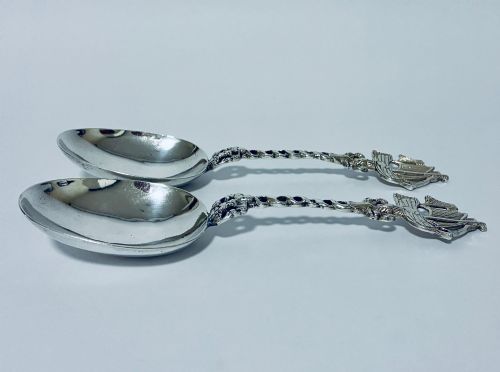
Hunting animal finials peer from the ends of select Victorian handles, keeping watch over the tea table.
Distinctions in quality
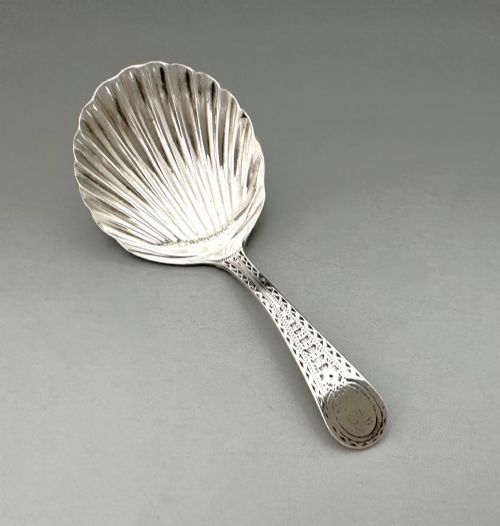
Quality rests upon the crispness of hallmarks, the preservation of delicate bright-cut engraving, and the structural integrity of thin bowls. Sets that retain their original fitted boxes command distinct interest.
The refinement of cast finials, the purity of applied enamel, and the absence of heavy wear on the spoon bowl separate standard utility spoons from superior examples.
Turner And Simpson Ltd·Hester Bateman·George Unite·Georg Jensen
The Silver Tea Spoon Glossary
- Mote spoon
- An eighteenth-century implement featuring a pierced bowl used to strain tea leaves from the cup and a pointed tail for clearing teapot spouts.
- Bright-cut engraving
- A surface decoration technique utilising faceted V-shaped cuts to reflect light from the silver.
- Guilloché
- A decorative mechanical technique that produces precise, intricate repeating patterns beneath a translucent enamel layer.
- Assay
- The testing of precious metal purity, indicated by official marks stamped onto the silver by an authorized office.
- Caddy spoon
- A short-handled scoop specifically proportioned for transferring loose tea leaves from a caddy into the pot.
Frequently Asked Questions
How do I date an old silver tea spoon?
Dating relies heavily upon the stamped hallmarks, which record the assay office, standard of silver, and a specific date letter corresponding to the year of manufacture.
Style, handle shape, and bowl form also provide clear indicators of whether a piece originates from the Georgian, Victorian, or later periods.
Were these spoons used every day?
Many sets served formal household tea rituals, while others remained stored in fitted presentation boxes for special occasions.
Souvenir and novelty spoons often functioned as decorative display items rather than functional table implements.
What is the difference between sterling and solid silver?
Sterling silver denotes a specific legal standard of alloy containing ninety-two point five percent silver by weight, combined with other metals for durability.
Solid silver generally refers broadly to items made entirely of silver rather than plated base metals, though British silver typically meets the sterling standard.
How should I clean antique silver spoons?
Careful washing in warm soapy water with a soft cloth removes everyday residue without harming the metal.
Harsh abrasive polishes should be avoided to preserve delicate engraving, hallmarks, and any applied enamel or gilding.