


Late 19th Century Silver
Late 19th century silver encompasses decorative and functional items defined by Victorian craftsmanship, silver plate, and diverse global styles.

Late 19th Century Silver
When you search for late 19th century silver, you encounter a broad assortment of domestic wares, decorative objects, and personal accessories shaped by the aesthetic priorities of the Victorian era. The selection spans utilitarian serving pieces and ornamental items produced across Britain, Europe, Asia, and America.
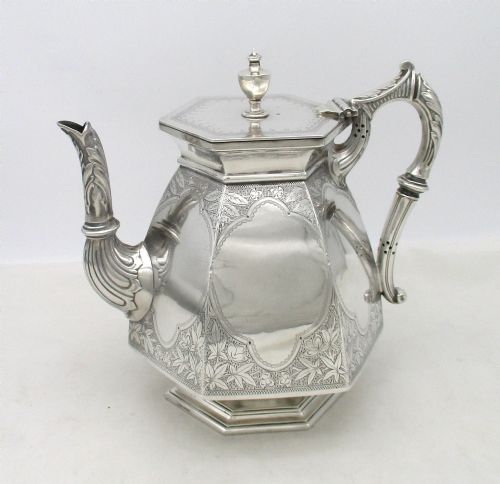
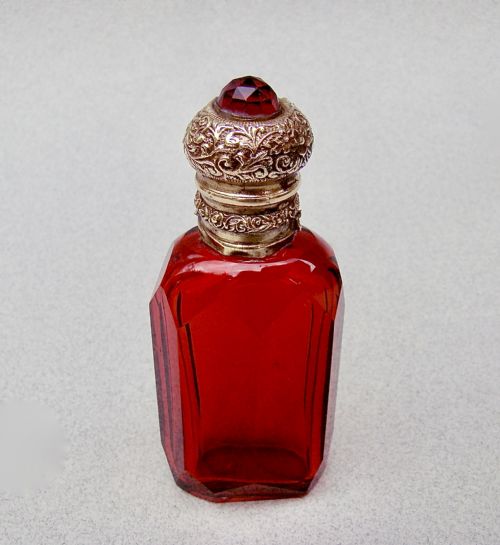
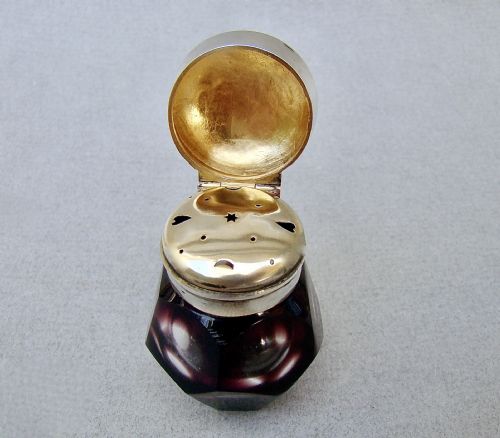
You are most likely to meet silver-plated tea services, trays, and tableware on this page, alongside smaller items such as scent bottles, brooches, and boxes. These pieces reflect the industrial and artistic production methods of the decades leading up to nineteen hundred.
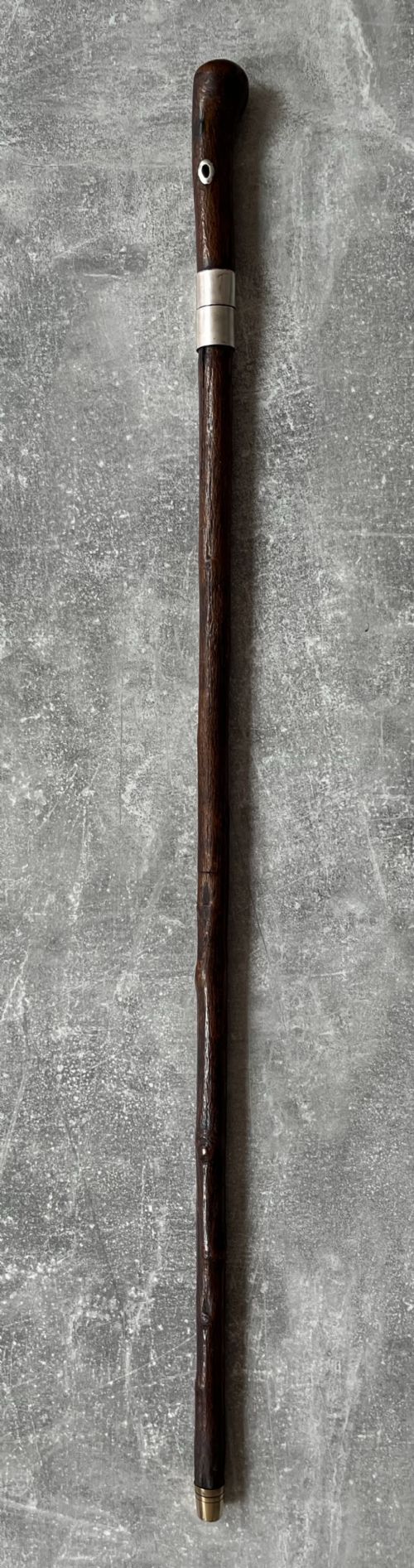
The category extends beyond solid metal to include mixed media objects where silver combines with glass, wood, horn, or enamel. Makers applied silver mounts, inlays, and plating to domestic furniture, walking sticks, and glassware to achieve decorative richness.
How they were made
Many items rely on silver plating over base metals such as copper or Britannia metal, utilising electroplating techniques developed and refined during the Victorian period. Solid silver pieces frequently employ stamping, casting, and repoussé work to achieve relief decoration.
Craftsmen combined silver with contrasting materials, mounting metalwork onto ruby glass, coromandel wood, agate, and porcelain. Enamelling techniques like cloisonné added coloured detail to spoons, boxes, and decorative vessels.
Global workshops employed distinct regional methods, from Chinese export repoussé work to Indian silver inlay on bronze and steel. European makers utilised silver gilt andormulu mounts to embellish glassware and ecclesiastical items.
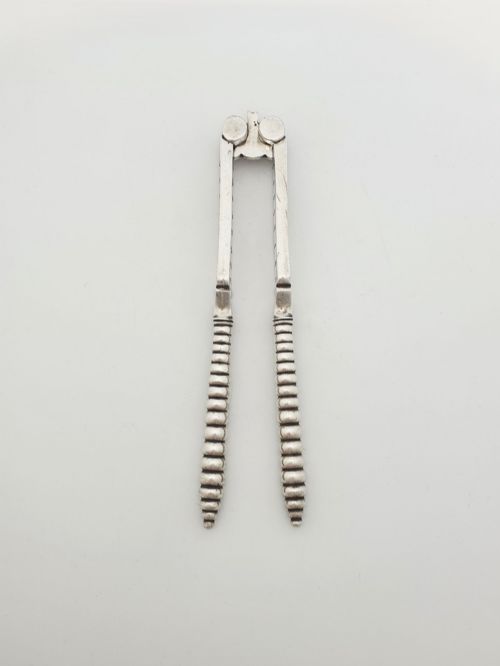
Keep an eye out for silver-plated lobster crackers designed to make dining through Victorian seafood feasts an exceptionally proper affair.
What varies in quality
The distinction between standard commercial output and superior craftsmanship lies in the crispness of the chasing, the weight of the metal, and the harmony of the design. Workshops with prominent reputations invested greater labour in hand-finishing details and surface engraving.
The integrity of secondary materials dictates overall execution, whether in the clarity of cut glass, the selection of hardstones like agate, or the precision of enamel work. Pieces retaining original fitted boxes and complete matched components demonstrate superior preservation.
John Harrison·William Hutton·Wang Hing And Co·Vasily Agafonov·The Goldsmith Co·Christofle And Cie·Gorham·Simon Rosenau·WMF·Mappin Bros·Elkington And Co·Asprey London·Martin Hall·Tiffany And Co·Smith Sissons·Mappin And Webb·Auguste Moreau
The Late 19th Century Silver Glossary
- Silver plate
- A thin layer of silver bonded to a base metal core such as copper or nickel brass. This method made decorative tableware accessible to a wider Victorian public.
- Cloisonné
- An enamelwork technique where metal wires form raised compartments on a surface to hold coloured glass paste. Craftsmen fired these pieces to produce vibrant decorative patterns.
- Repoussé
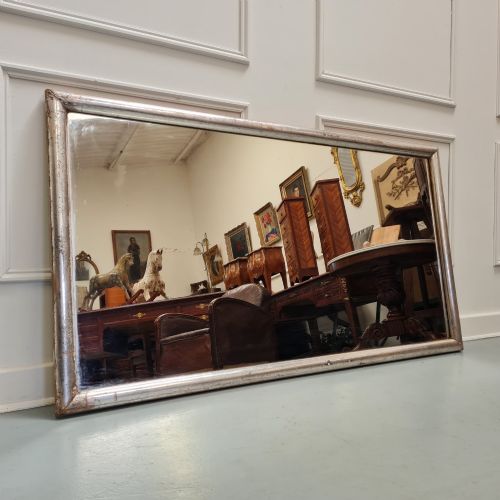
- A metalworking method where the artisan hammers the design from the reverse side to form a raised relief on the front. It creates tactile surface decoration on bowls, trays, and mirrors.
- Silver gilt
- Silver objects coated with a thin layer of gold through a chemical or electrochemical process. This treatment provides a warm golden finish while retaining the underlying metal structure.
- Aesthetic Movement
- A late nineteenth-century design style that prioritised visual beauty over narrative or moral purpose. It drew heavily on Japanese motifs, asymmetry, and stylised nature forms.
Late 19th Century Silver: Frequently Asked Questions
How do I identify silver plate?
Silver plate items often reveal a base metal showing through worn high points or carry manufacturer marks specific to electroplating firms.
Examining the underside or interior edges under magnification helps determine whether the piece consists of solid metal or a plated layer.
What is Chinese export silver?
Chinese export silver refers to items manufactured in China during the nineteenth century specifically for Western markets and buyers.
These pieces frequently combine traditional Chinese repoussé dragon or floral motifs with standard European vessel forms like goblets and vases.
How should I clean antique silver?
Cleaning requires non-abrasive cloths and specialised silver polishes formulated to remove tarnish without stripping thin plating layers.
Avoiding harsh chemical dips preserves the original surface patination and protects any inset stones, enamel, or wooden components.
How do I distinguish Victorian styles?
Victorian design evolved through distinct phases, moving from heavy historic revival styles to the nature-inspired motifs of the Aesthetic Movement.
Observing the decorative vocabulary, such as Japanese influences or Gothic revival elements, helps place an object within its specific decade.