

Vintage Silver Spoon
A vintage silver spoon brings tactile weight and historic charm to the table, making these pieces sought after by collectors and daily users alike.
Understanding the Vintage Silver Spoon
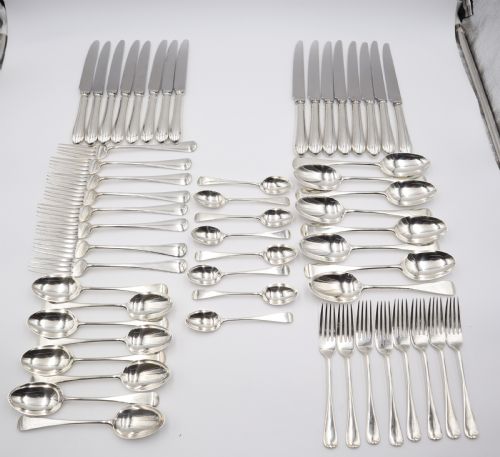
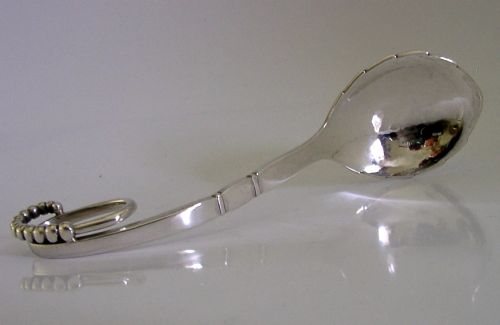
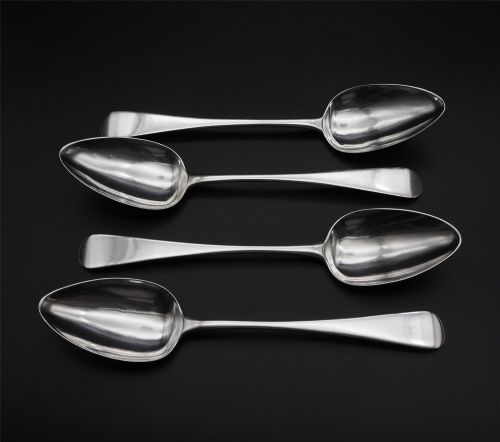
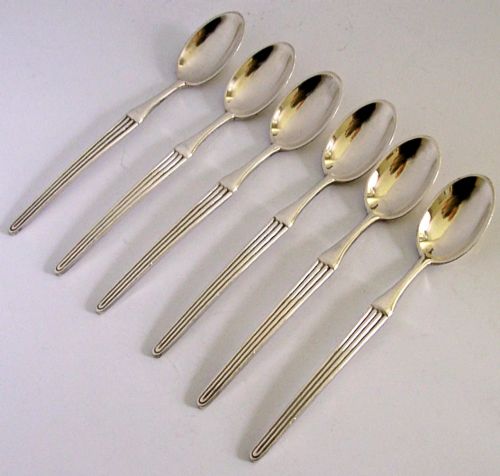
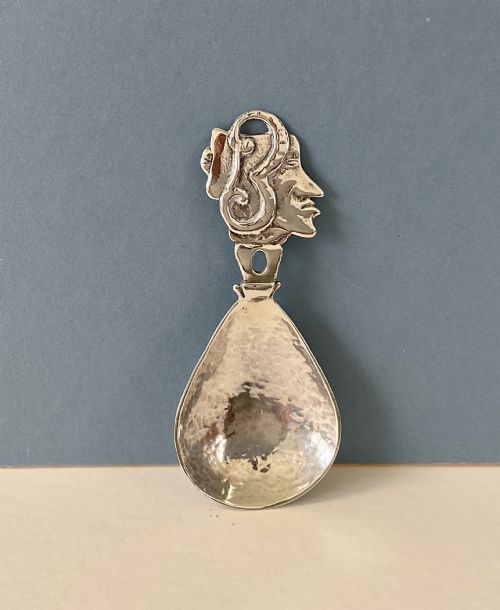
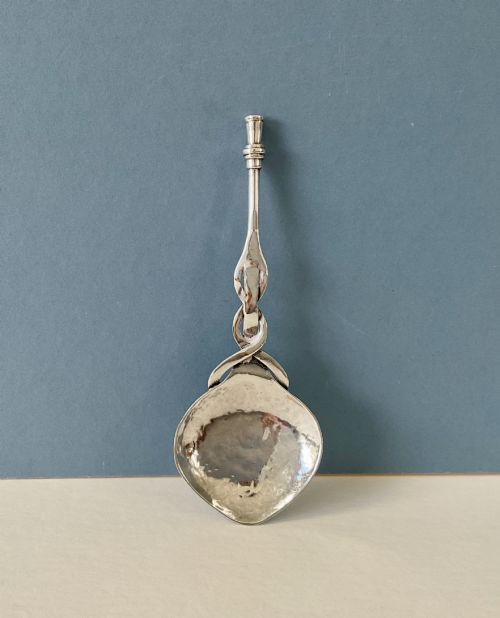
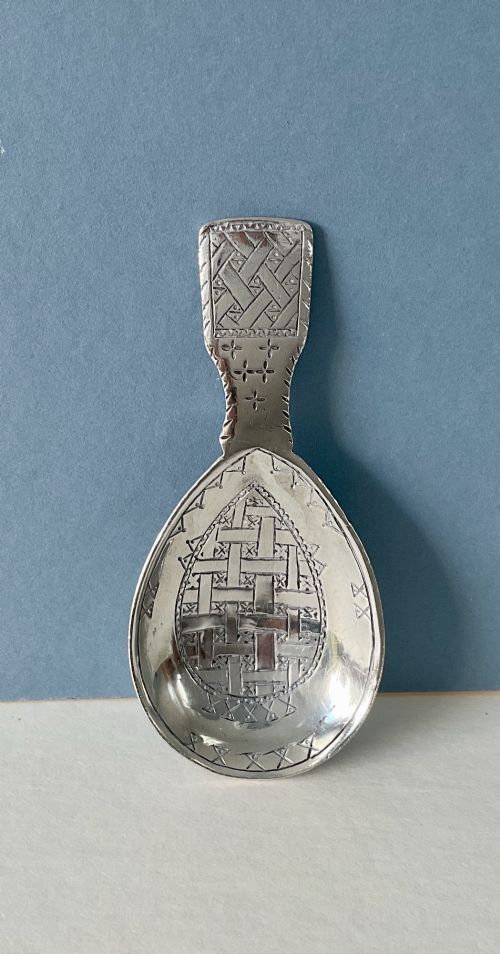
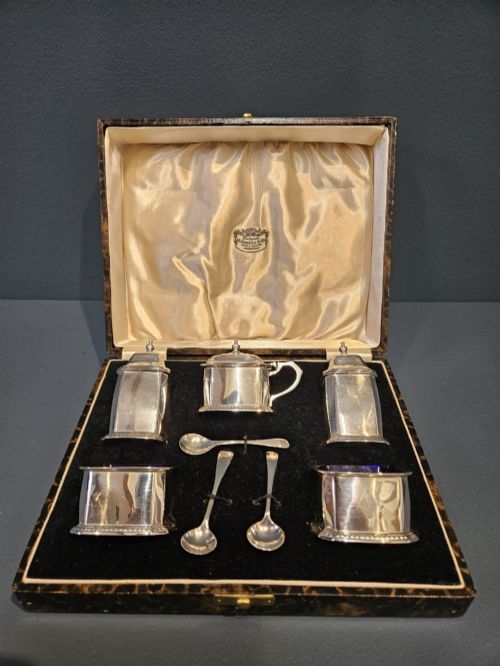
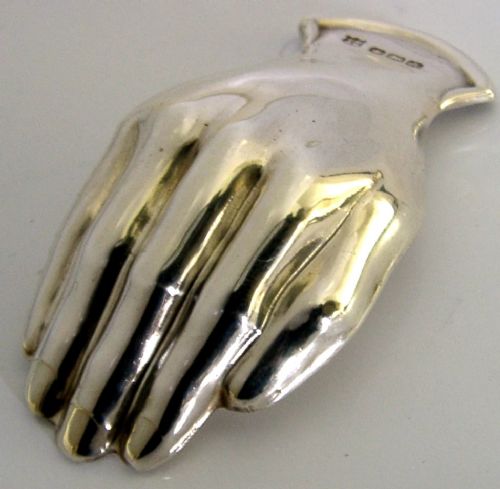
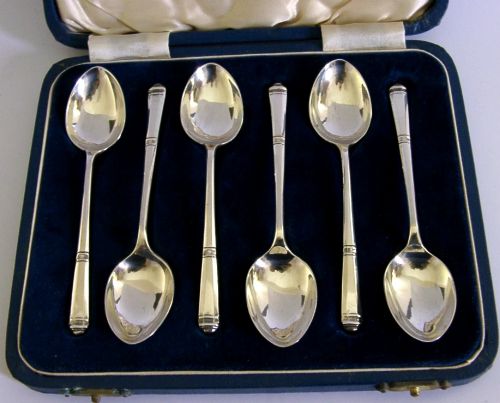
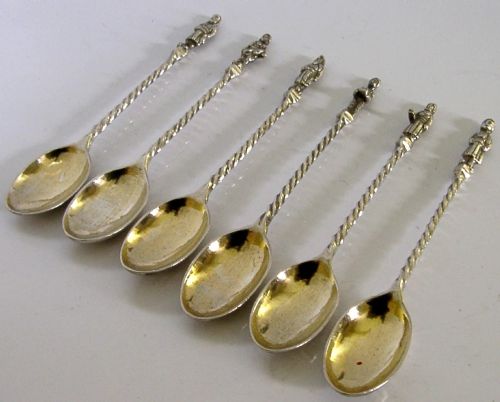
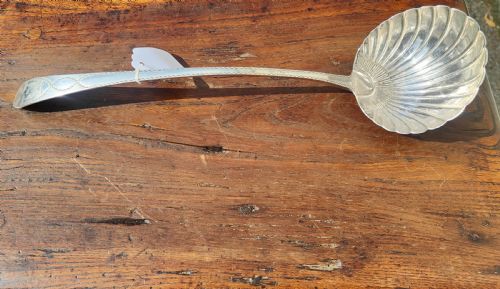
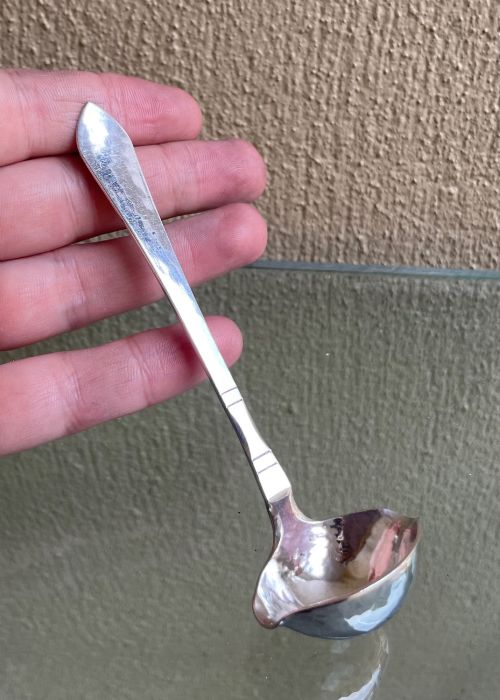
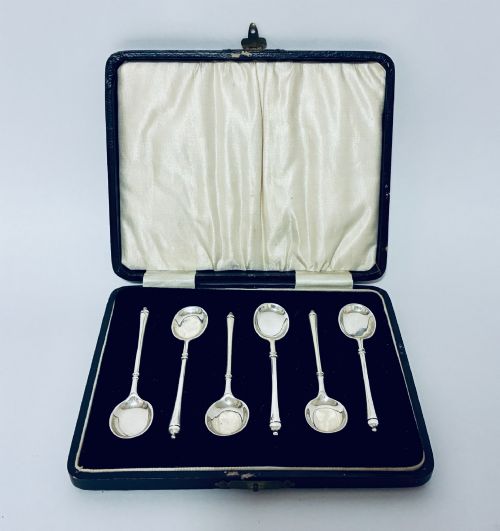
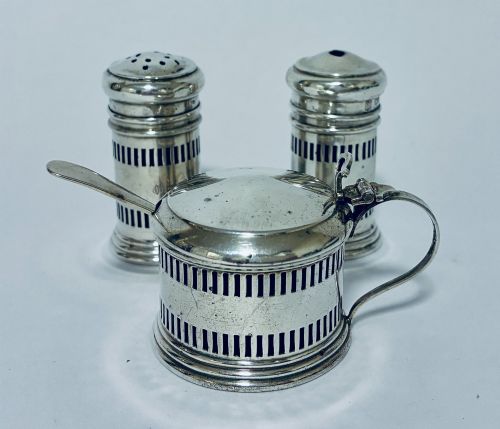
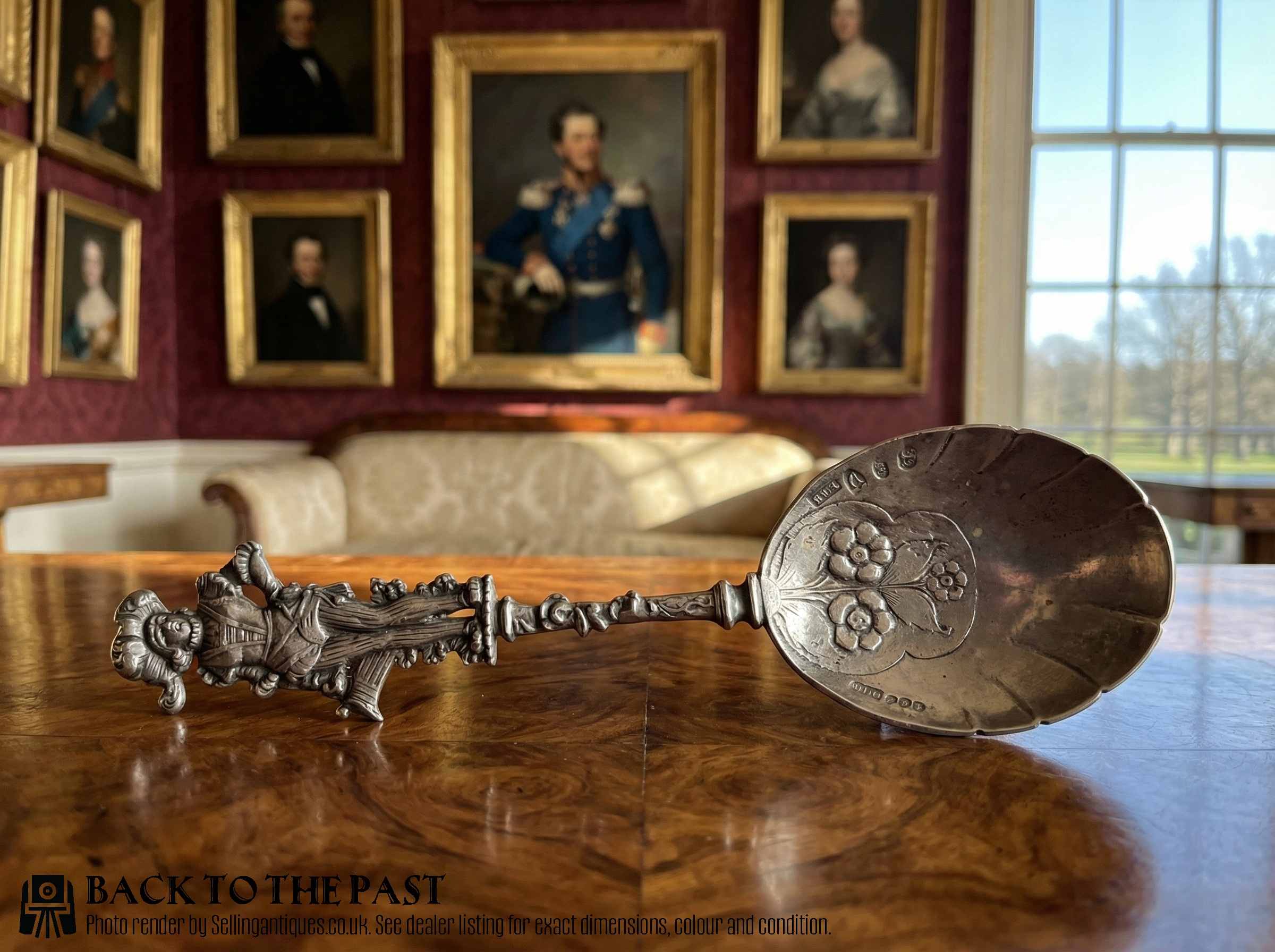
The pieces appearing on this page reflect distinct stylistic movements such as Arts and Crafts, Art Nouveau, and Art Deco, alongside Victorian designs and regional American commemorative pieces. These dining and serving implements range from simple handled tea spoons to intricate bespoke patterns with agate handles or repoussé decoration.
Materials and Manufacture
These items are fashioned primarily from solid silver and sterling silver, frequently bearing hallmarks that record the city of assay and the year of production. Workshops utilised traditional smithing techniques, shaping the metal by hand or casting it before applying decorative finishes.
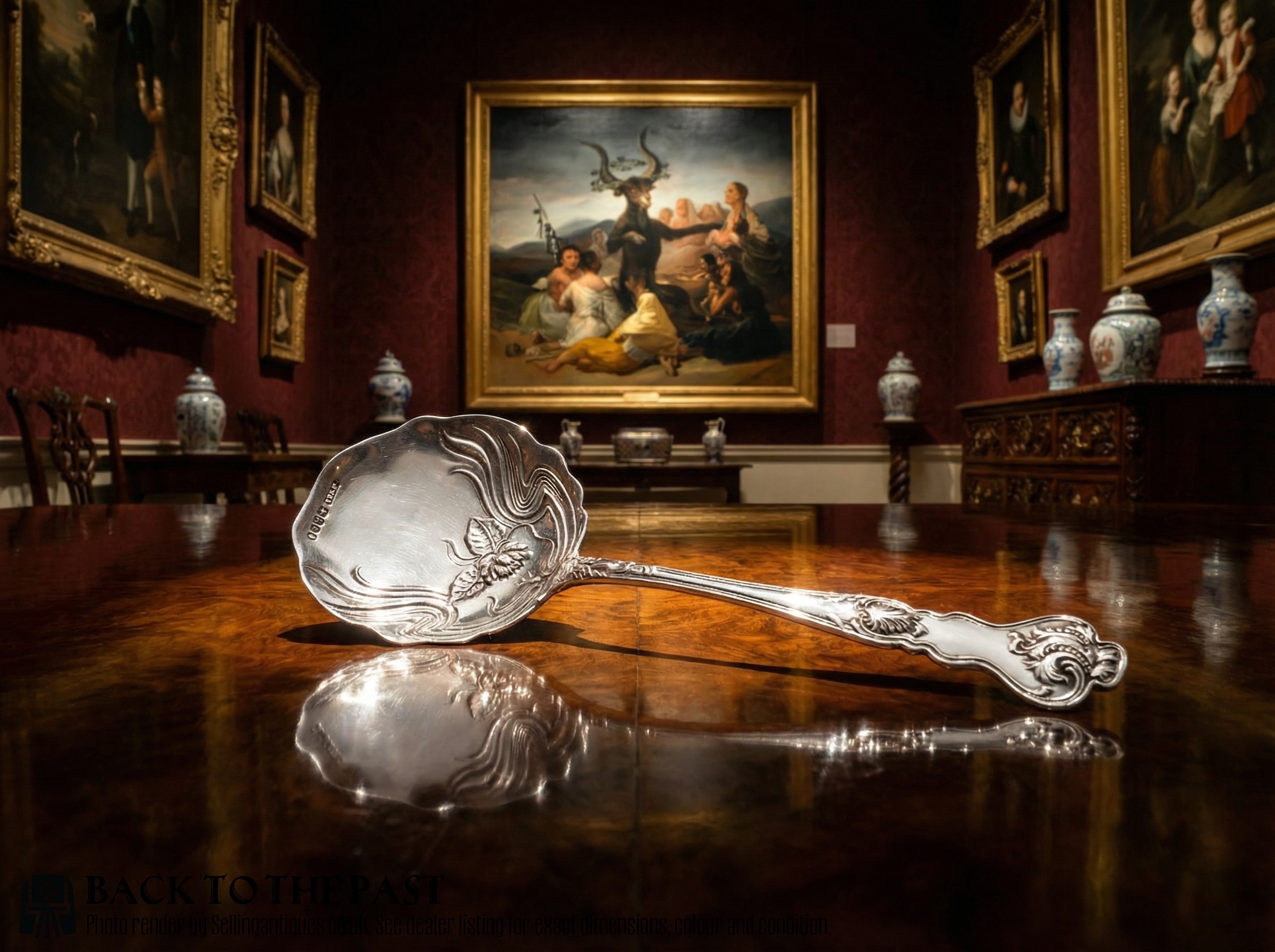
Surface ornamentation on these implements involves specialised methods such as repoussé work, where designs are hammered from the reverse side in relief, and guilloché enamel applied to tea spoons. Handles incorporate mixed materials including natural agate stone alongside standard metal stems.
Retail Price Guide 2026
Typical UK retail prices for vintage silver spoon, calculated from the Sellingantiques database of over a million retail prices indexed since 2003. This retail price guide relies exclusively on Sellingantiques data; no external sources or auction records are used, so the figures do not describe the wider market.
Early twentieth-century golfers could proudly stir their tea with a dedicated silver golf spoon complete with miniature club handles.
Assessing Quality and Execution
The distinction between standard domestic flatware and superior examples lies in the crispness of the hand-worked detail, particularly in repoussé bowls and handles. Maker attribution plays a significant role in quality, with prominent silversmiths and Danish design houses commanding attention for their refined execution.
The integrity of applied materials, such as firmly seated agate handles and intact enamel work, separates fine pieces from simpler utilitarian items. Weight and balance in the hand further indicate the care taken during production by silversmiths.
GEORG JENSEN·BERTHOLD HERMAN MULLER·WALKER AND HALL·Turner & Simpson Ltd
The Vintage Silver Spoon Glossary
- Repoussé
- A metalworking technique where a design is hammered into relief from the reverse side. This method creates tactile, raised patterns across the bowl or handle of the implement.
- Guilloché
- A decorative engine-turning technique that etches precise geometric patterns into metal beneath a translucent layer of enamel. It appears frequently on twentieth-century tea spoons.
- Caddy spoon
- A short-handled spoon specifically designed for measuring loose tea leaves from a storage caddy. These pieces often feature wide bowls and decorative handles.
- Hallmark
- An official stamp or marks struck onto precious metals indicating the standard of purity, the maker, and the year of assay. They provide verifiable historical data for antique silver.
- Sterling silver
- An alloy consisting of pure silver and other metals, usually copper, to increase durability while maintaining a high silver content standard. Most quality silver implements are cast in this alloy.
Frequently Asked Questions
How do I date a vintage silver spoon?
Dating relies primarily on the hallmarks stamped into the metal, which indicate the assay office and specific year code. Stylistic clues such as Art Deco geometric lines or Victorian repoussé also point toward a particular decade.
Comparing the maker's mark against historical registry records confirms the exact period of manufacture.
What is a caddy spoon used for?
A caddy spoon was historically employed to scoop dry tea leaves from a caddy into the teapot. Their distinctive wide bowls and short stems were tailored for tea storage jars.
Today, they are collected as decorative cabinet pieces due to their diverse artistic forms.
Can I use antique silver spoons daily?
Sterling silver spoons are durable enough for regular use at the dining table, provided they receive proper care. Hand washing with mild soap prevents damage to delicate details and preserves the finish.
Avoid abrasive cleaners that wear down historical hallmarks and fine surface decoration over time.