
Solid Silver Tea Spoon
A solid silver tea spoon bridges daily utility and historic craftsmanship, offering tangible heritage from Georgian parlours to mid-century modern dining tables.
Solid Silver Tea Spoon
A solid silver tea spoon encompasses standard teaspoons, specialised caddy spoons, and mote spoons designed for the tea service. These small items span centuries of domestic silver production, from simple utility flatware to elaborate novelty forms.
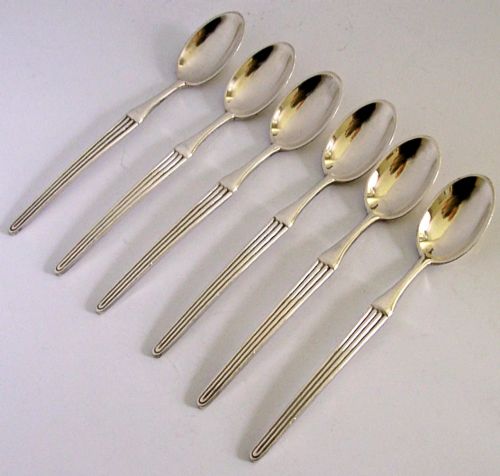
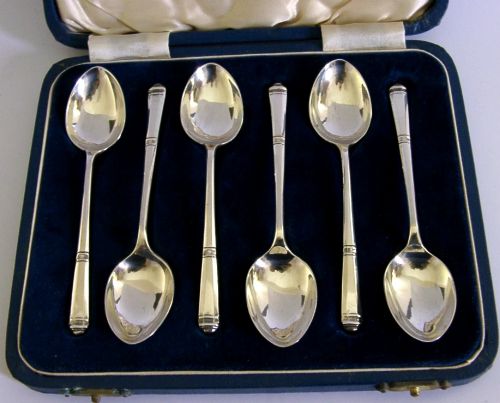
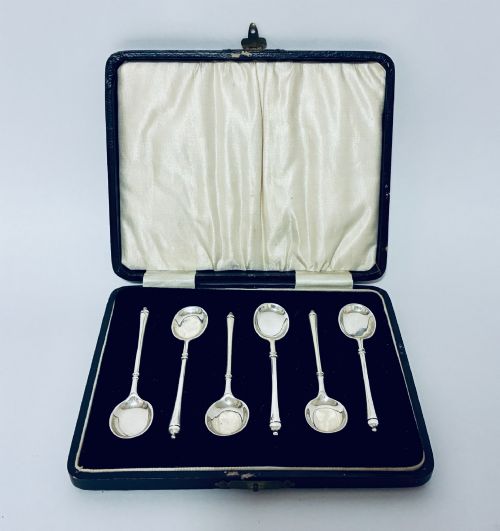
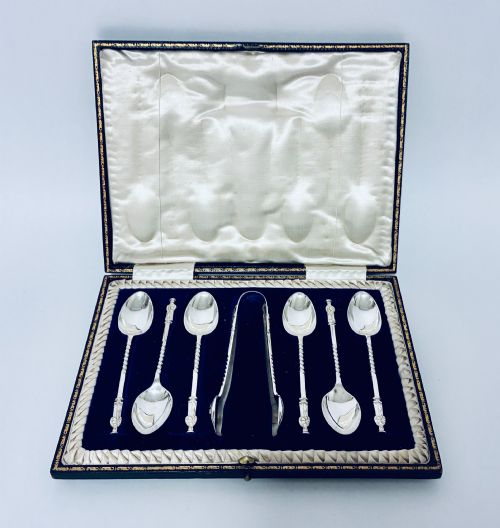
Cased sets of spoons often include matching sugar tongs or strainers, housed in fitted boxes lined with velvet, satin, or silk. Solo examples, particularly Georgian caddy spoons, survive in distinct regional variations from London, Birmingham, and Dublin silversmiths.
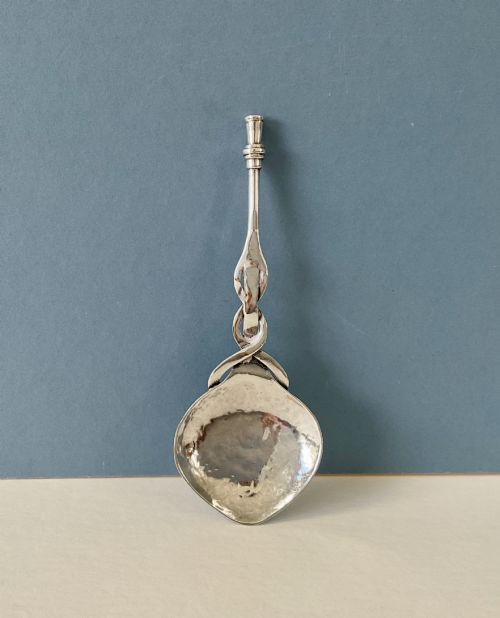
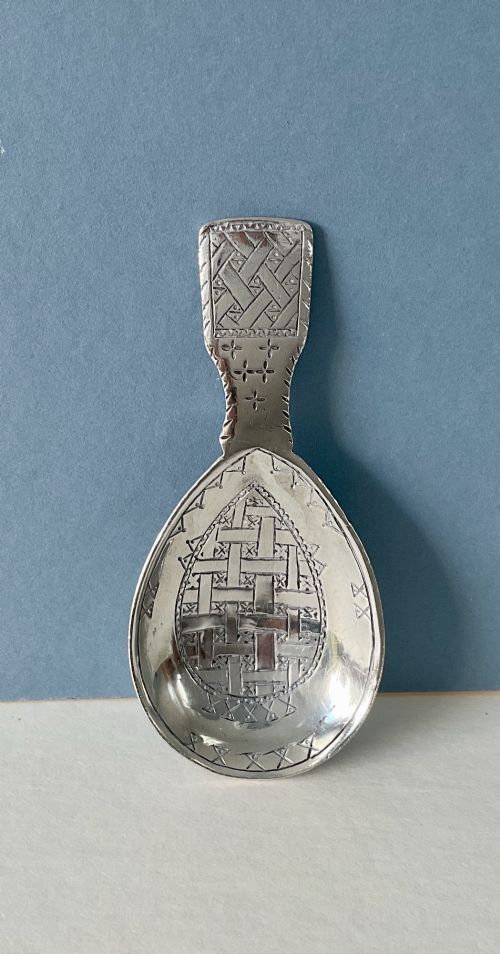
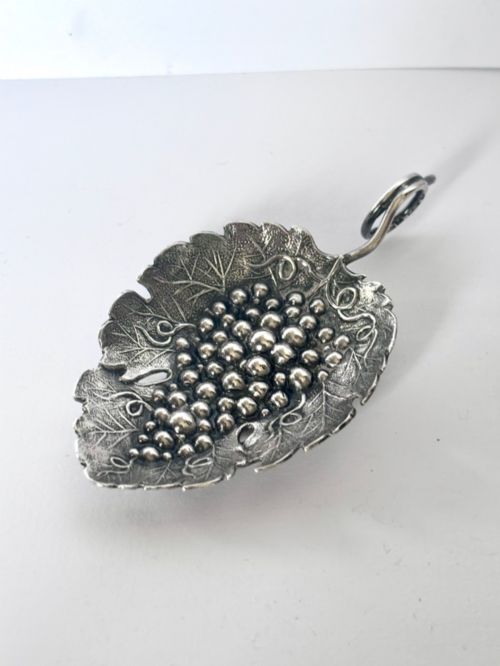
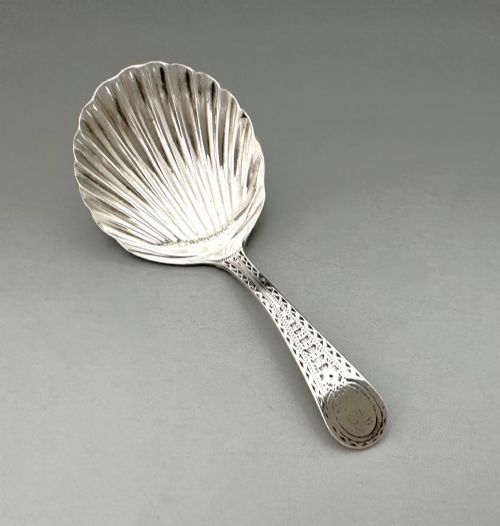
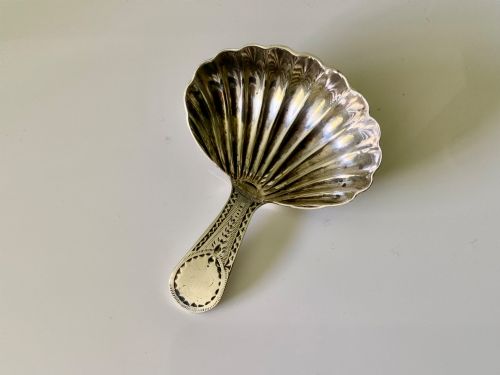
The selection here ranges from 18th-century bright cut designs and 19th-century vine leaf motifs to early 20th-century Arts and Crafts items and Art Deco sets.
How they were made
Makers shaped these pieces primarily from solid silver or sterling silver using traditional smithing techniques such as raising, casting, and stamping. Handles and bowls were frequently worked separately and joined, or cast as a single figural piece.
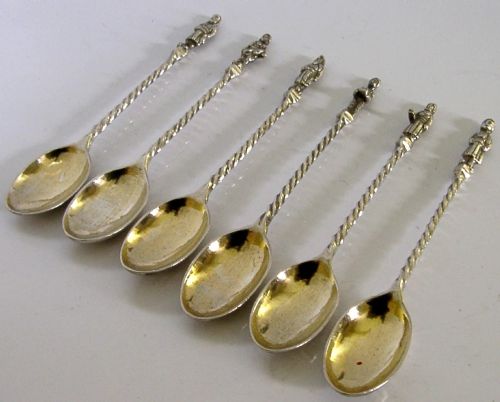
Decorative detailing relied on manual skill, employing bright-cut engraving, piercing, embossing, and parcel-gilding to produce vermeil finishes.
Solid Silver Tea Spoon Retail Price Guide 2026
Typical asking prices for solid silver tea spoon among the pieces listed under this phrase on Sellingantiques today, from the lower quarter to the upper quarter. They describe what is for sale here now, not the wider market.
Listings feature solid silver items spanning the Georgian, Victorian, and Edwardian eras alongside Arts and Crafts and Art Deco productions.
What varies in quality
The distinction between standard utility flatware and superior examples rests on the depth of the metal work, the crispness of the engraved or cast ornamentation, and the integrity of the maker marks. Heavy gauge silver retains its original profile and detail without thinning at the bowl rim.
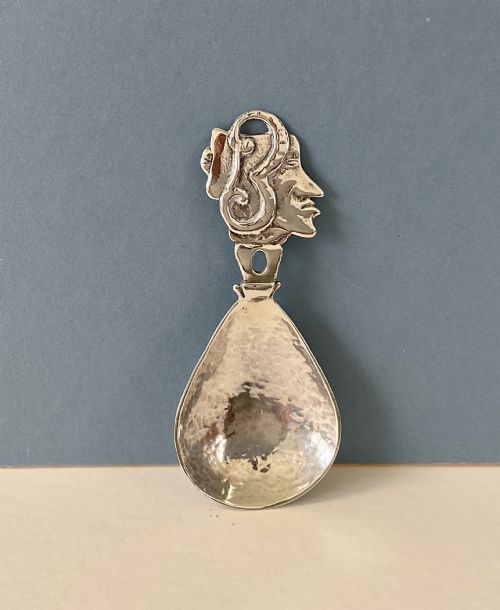
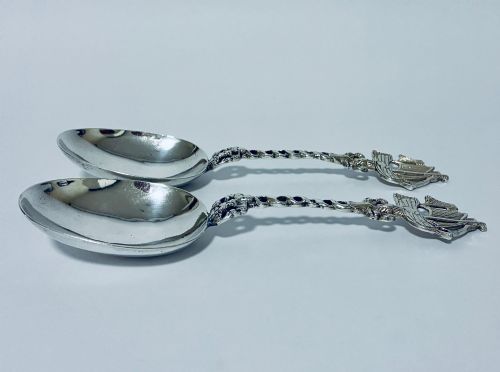
Design ambition separates mass-produced sets from individually styled caddy spoons featuring specialised handles shaped like leaves, jockey caps, or figural subjects.
Joseph Willmore·George Unite·Peter And Ann Bateman·Mappin And Webb·Georg Jensen
The Solid Silver Tea Spoon Glossary
- Caddy spoon
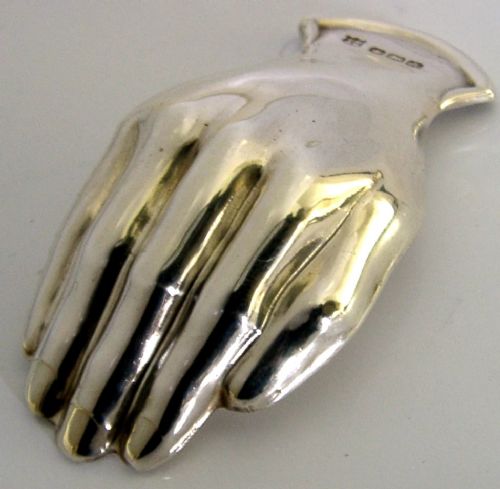
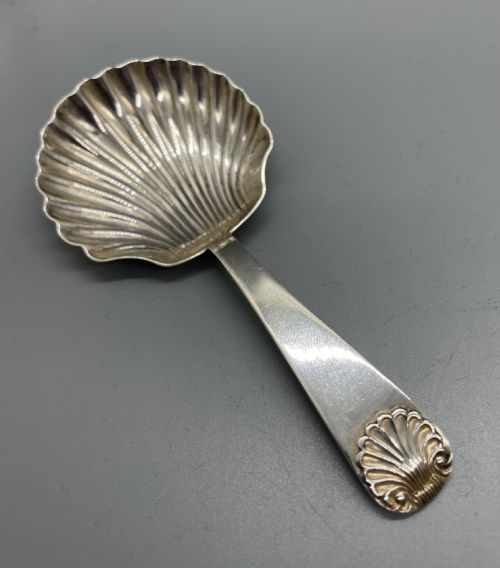
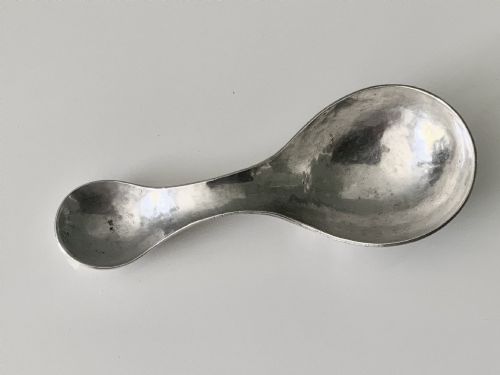
- A short-handled spoon specifically designed for measuring loose tea leaves from a caddy. These pieces often feature wide, shallow bowls shaped like shells, leaves, or hands.
- Mote spoon
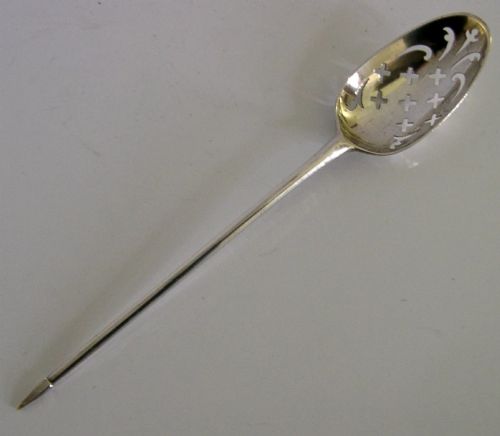
- An 18th-century spoon with a pierced bowl used for skimming tea leaves from the cup and a pointed terminal for clearing the teapot spout. They represent an early form of specialised tea service accessory.
- Bright cut
- An engraving technique utilising angled cuts to create faceted grooves that catch the light. This method produced sparkling geometric and floral borders on late Georgian handles.
- Vermeil
- Sterling silver coated with a thin layer of gold. This finish was frequently applied to the bowls of dessert and tea spoons to prevent the silver from tarnishing when exposed to acidic foods.
- Hallmark
- An official stamp applied by an assay office indicating metal purity, the maker, and the year of manufacture. These small punches authenticate the origin of British silver.
Solid Silver Tea Spoon: Frequently Asked Questions
What is a solid silver tea spoon used for?
These spoons served both functional roles in stirring sugar and tea, and specialised purposes in measuring dry leaves from storage containers. Many were produced as matching components of larger tea and coffee services.
Over generations, caddy spoons evolved distinct shapes to suit the changing fashions of the domestic parlour, moving from plain bowls to naturalistic leaf forms.
How do I date a silver tea spoon?
Dating relies heavily on the stamped hallmarks found on the reverse of the stem or handle. Assay office marks, date letters, and monarch duty marks provide precise decades for British pieces.
Stylistic indicators, such as bright-cut engraving or Art Deco geometry, offer additional clues when hallmarks are rubbed or absent.
Are caddy spoons different from regular teaspoons?
Caddy spoons feature significantly shorter handles and much wider, deeper bowls designed to scoop loose tea leaves rather than stir liquid. They were kept inside or beside the tea caddy.
Standard teaspoons maintain longer stems suited for reaching the bottom of a teacup.
How should I care for antique silver spoons?
Periodic gentle washing in warm water with mild soap removes oils and prevents tarnish build-up. Avoid harsh chemical dips that strip the aged patina from recessed engraved details.
Storing pieces in lined boxes or cloth rolls protects the soft silver surface from scratches.