






Collectible Silver Spoon
A collectible silver spoon brings centuries of metalwork and dining history directly to the palm of your hand.
What these pieces are
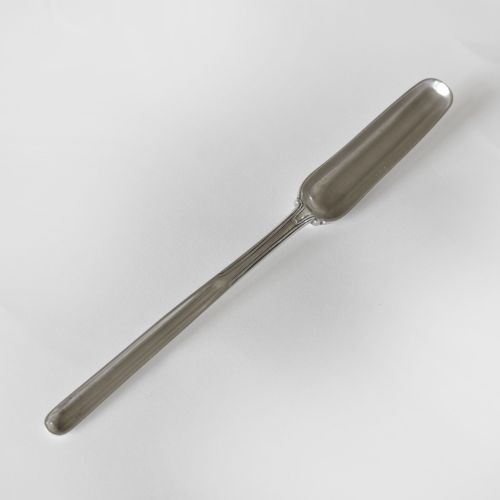
When you search for a collectible silver spoon, you encounter a diverse range of eating implements, souvenirs, and tea caddy accessories spanning multiple centuries. These items serve as tangible links to past domestic routines, royal commemorations, and historical events.
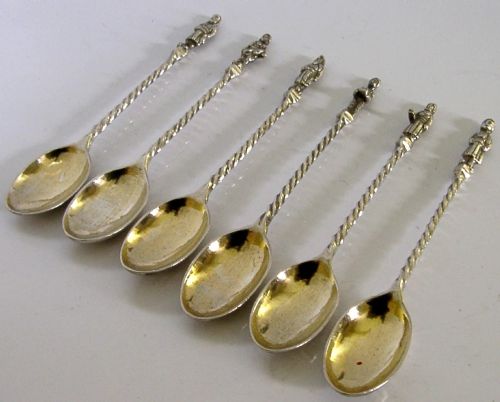
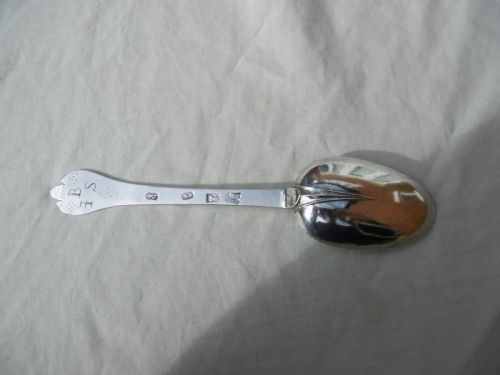
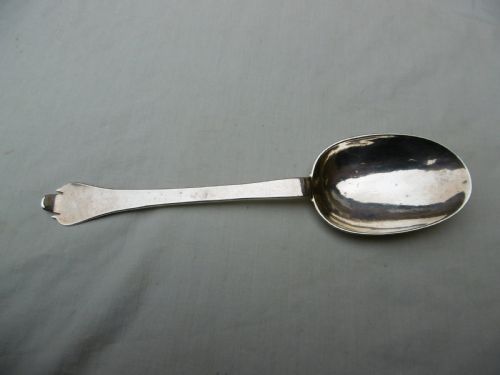
The selections available here include early trefid pieces, ornate apostle designs, and commemorative golf items. Each piece represents distinct manufacturing traditions from the seventeenth, nineteenth, and twentieth centuries.
How they were made
Silversmiths utilise high-grade materials such as sterling silver, Britannia standard silver, and silver gilt to shape these utensils. Artisans hammer, cast, and engrave the metal to achieve the desired forms and surface textures.
Techniques range from early hand-beaten fabrication to later machine-assisted stamping and detailed chasing. Makers apply hallmarks and crests to certify purity and attribute origin.
Retail Price Guide 2026
Typical UK retail prices for collectible silver spoon, calculated from the Sellingantiques database of over a million retail prices indexed since 2003. This retail price guide relies exclusively on Sellingantiques data; no external sources or auction records are used, so the figures do not describe the wider market.
A golf spoon lets you practice your swing in miniature while admiring the intricate engraving of an antique club.
What varies in quality
The standard of a piece depends heavily upon the crispness of its hallmarks, the legibility of engraved crests, and the preservation of its original surface profile. Heavy gauge metal and balanced proportions distinguish superior examples from lighter, more utilitarian counterparts.
Artistry in the casting of finials, such as apostle figures or commemorative heads, dictates aesthetic value. Pieces featuring clear maker marks and intact gilding command greater appreciation among collectors.
William Penstone·WALKER AND HALL
The Collectible Silver Spoon Glossary
- Hallmark
- Official stamps applied to precious metals indicating the maker, assay office, and year of testing. These marks provide definitive historical context for dating.
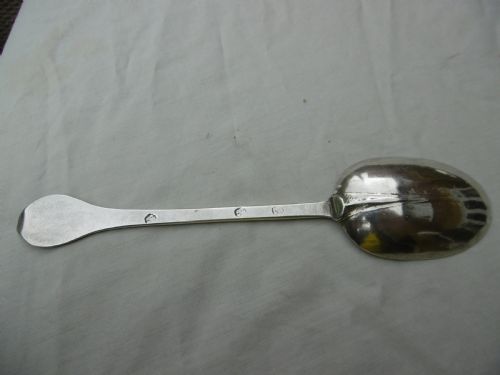
- Trefid
- An early style of spoon featuring a trifurcated terminal at the end of the handle. This form gained popularity during the late seventeenth century.
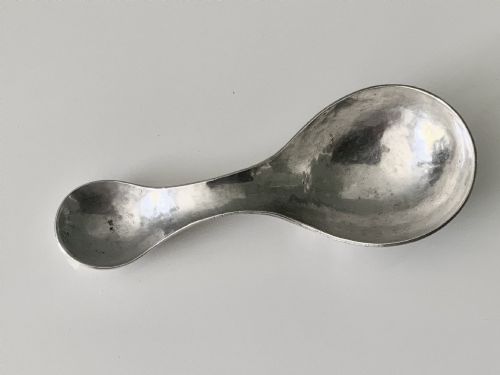
- Caddy spoon
- A short-handled utensil specifically designed for measuring loose tea leaves from a caddy. These items often feature wide bowls and decorative handles.
- Silver gilt
- Silver objects that have been coated with a thin layer of gold on the surface. This technique adds richness of colour and protects against tarnishing.
- Apostle spoon
- A spoon featuring the figure of an apostle or saint cast upon the terminal of the handle. Sets traditionally represented Christ and the twelve disciples.
Frequently Asked Questions
What is a trefid spoon?
A trefid spoon is an early form of flatware characterised by a flattened stem that splits into three lobes at the end. This design emerged during the late seventeenth century.
Such items represent some of the earliest surviving silver spoon formats collected today, often bearing crisp hallmarks from the period.
How do I read silver hallmarks?
Hallmarks consist of a series of tiny stamped symbols indicating the metal standard, the maker, the assay office, and the year of production. These marks are usually found on the back of the stem or inside the bowl.
Consulting standard date letter charts allows collectors to pinpoint the exact year a silver spoon was tested and certified.
What are caddy spoons used for?
Caddy spoons were utilised historically for transferring loose tea leaves from a storage canister into the teapot. Their compact size and broad bowls suited this specific domestic task.
Collectors prize them for their variety of imaginative shapes, ranging from jockey caps to leaf designs.
What is Britannia standard silver?
Britannia standard silver is a higher purity alloy containing 95.84 percent pure silver, introduced by law in England in 1697 to prevent the melting of coinage. It was marked with the figure of Britannia instead of a leopard's head.
Pieces bearing this standard indicate a specific period of strict government regulation for silversmiths.