





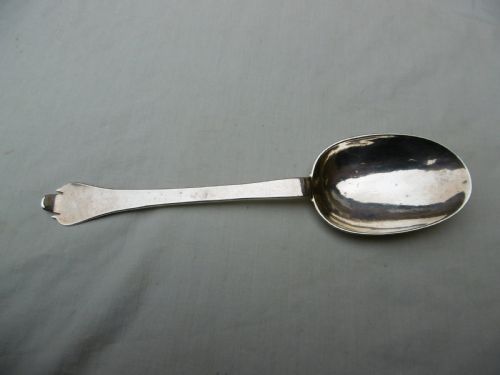
Early English Silver
Early English silver encompasses historic spoons, cutlery, and domestic items that bring tangible antiquity to a modern table.
Identifying early English silver
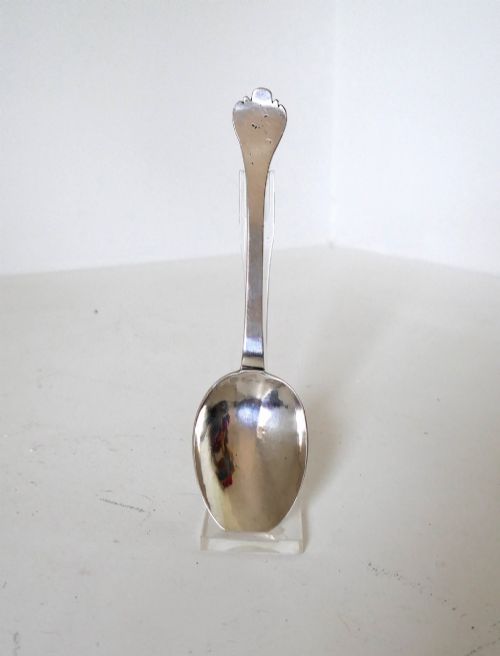
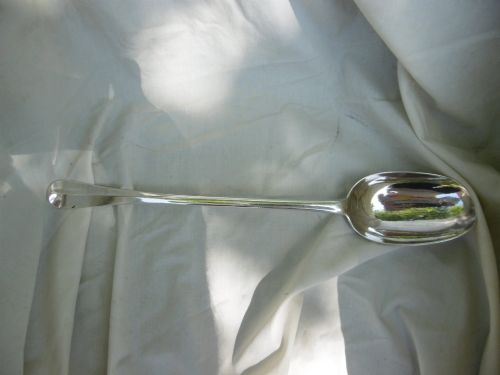
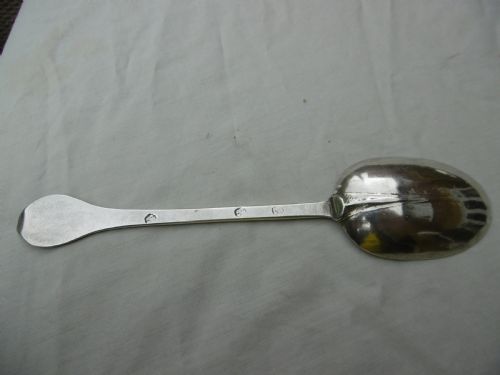
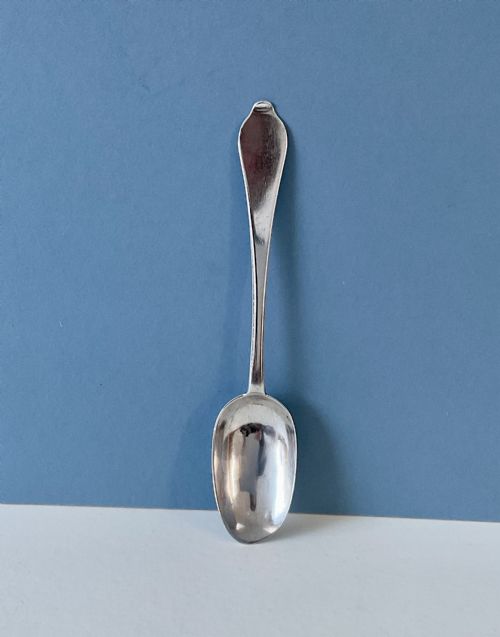
Early English silver primarily manifests as spoons, flatware, and silverware dating from the sixteenth to the nineteenth centuries. When exploring early English silver, one most frequently encounters hallmarked spoons such as seal tops and apostle figures alongside Georgian flatware and Victorian table accessories.
The objects span varied historical epochs, including the Elizabethan, Jacobean, and Charles I periods, as well as later Georgian and Victorian revivals. These surviving pieces reflect the domestic habits, dining rituals, and personal belongings of past centuries.
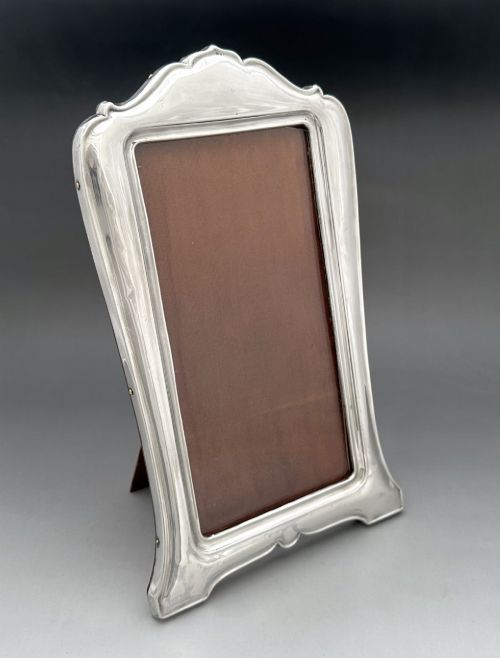
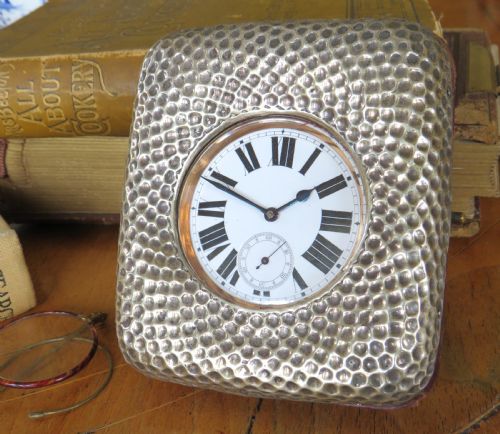
Beyond cutlery, the category broadens to encompass pocket watches, snuff boxes, card cases, chambersticks, and cutlery rests. Each item demonstrates the functional artistry demanded by elite households and travellers of the era.
Materials and construction
Makers utilised sterling silver and solid silver across these pieces, shaping the metal by hand through hammering, casting, and engraving. Surviving examples display the weight and tactile irregularities inherent in early silversmithing techniques before industrial standardisation.
Individual components often bear punch marks, maker stamps, and town marks indicating the origin and assay office. Engraved crests, initials, and surface chasing further demonstrate the meticulous handwork applied by period craftsmen.
Retail Price Guide 2026
Typical UK retail prices for early english silver, calculated from the Sellingantiques database of over a million retail prices indexed since 2003. This retail price guide relies exclusively on Sellingantiques data; no external sources or auction records are used, so the figures do not describe the wider market.
Listings in this category span four centuries, featuring sterling silver objects from the sixteenth through the nineteenth centuries.
Assessing quality and authenticity
The distinction between ordinary and exceptional pieces lies in the crispness of the original hallmarks, the depth of hand-engraving, and the survival of the form without excessive thinning from polishing. Superior items retain their proportions and structural integrity after centuries of use.
Makers' marks and legible date letters elevate a piece by providing verifiable context and attribution to known workshops. The clarity of these struck marks dictates the historical importance and collector appeal of the silver.
Daniel Cary·William Ker Reid
The Early English Silver Glossary
- Hallmark
- A series of stamped symbols indicating the standard of silver, the assay office, the maker, and the year of manufacture. These marks provide the definitive record for dating historic British silver.
- Seal Top Spoon
- A spoon terminating in a flat, circular seal often engraved with initials or a crest. This form was widely produced during the Tudor and early Stuart periods.
- Apostle Spoon
- A ceremonial spoon featuring the figure of an apostle cast on the terminal handle. Complete sets represent Christ and the twelve disciples.
- Slip Top Spoon
- A spoon with a plain, slanted handle stem cut off diagonally at the end. This minimalist style appeared in the medieval period and remained popular through the seventeenth century.
- Chamberstick
- A low portable candlestick fitted with a handle and a small saucer base to catch melting wax. These items provided illumination for moving through historic houses at night.
Frequently Asked Questions
What is an early English silver seal top spoon?
A seal top spoon is a historic eating utensil featuring a flat, circular terminal that resembles a signet ring seal. These spoons date back to the Tudor and Stuart eras.
Wealthy owners often used the flat terminal to stamp wax seals on correspondence. They remain some of the most collected forms of early silver.
How do I identify sixteenth century silver?
Sixteenth century silver is identified by Tudor styles such as Elizabethan work, combined with early assay marks and town punches. These pieces show heavy hand-forging.
Documentation and legible maker stamps help confirm the exact decade of manufacture. Experts examine the wear patterns and construction methods specific to the 1500s.
What is the difference between sterling silver and silver?
Sterling silver denotes a specific alloy containing a fixed proportion of pure silver combined with other metals for durability. Historic British pieces usually meet this standard.
Plain silver is a broader term that may appear in historic descriptions without specifying the exact alloy ratio. Hallmarks typically clarify the precise standard used by the silversmith.
How were chambersticks used?
Chambersticks served as portable candleholders used to light the way through dark hallways in large houses. The attached saucer caught dripping hot wax.
Many included a small detachable cone called a snuffer to extinguish the flame safely. They were essential household items before the invention of electric lighting.
Can I use antique silver cutlery today?
Antique silver cutlery can be used, though centuries of washing and gentle wear mean many collectors prefer to display them. Frequent use will gradually wear down delicate engravings.
Hand washing with mild soap is necessary to protect the antique surface and historic patina. Storing them in tarnish-resistant cloth helps preserve the metal.