
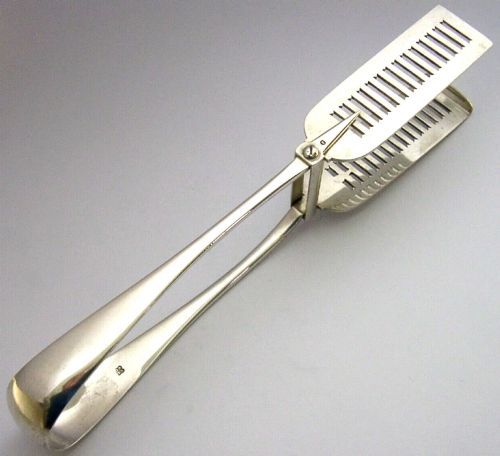
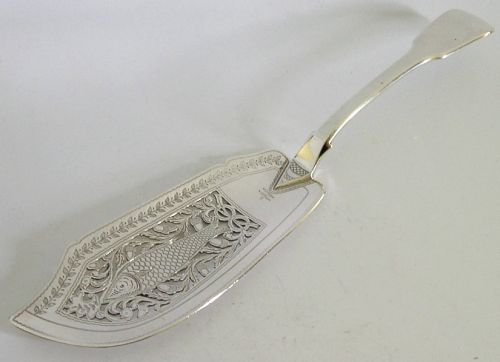
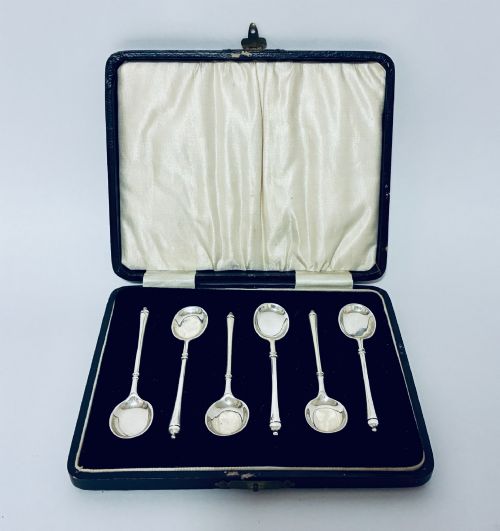
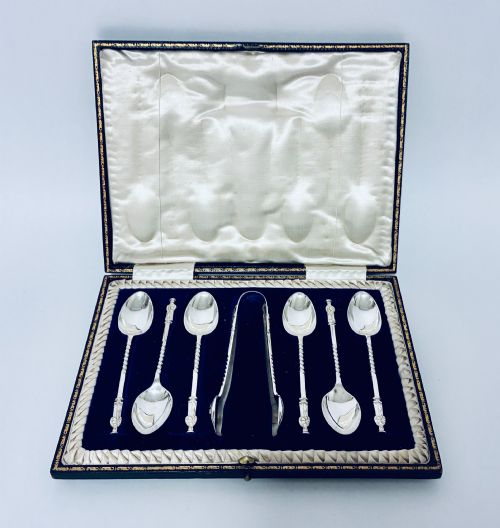
Solid Silver Flatware
Solid silver flatware brings centuries of metalwork to the table, offering tangible history in functional cutlery and spoons.
What solid silver flatware is
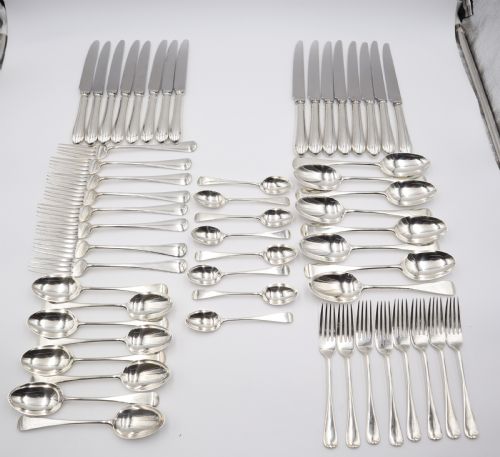
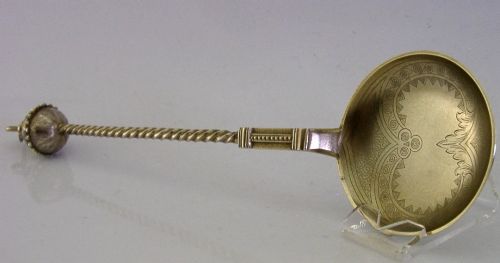
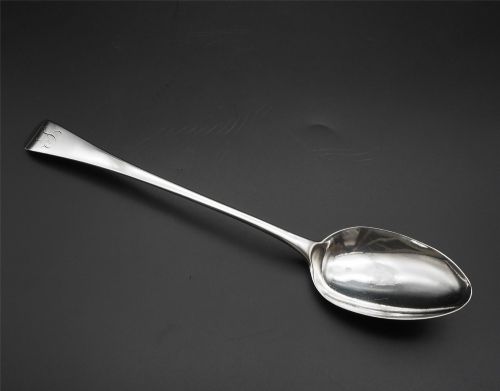
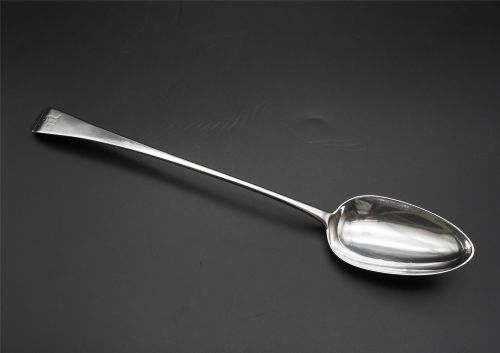
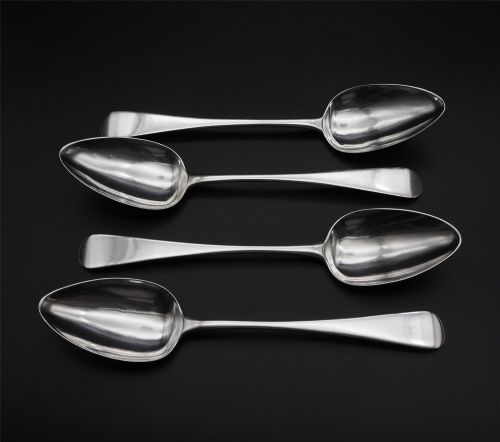
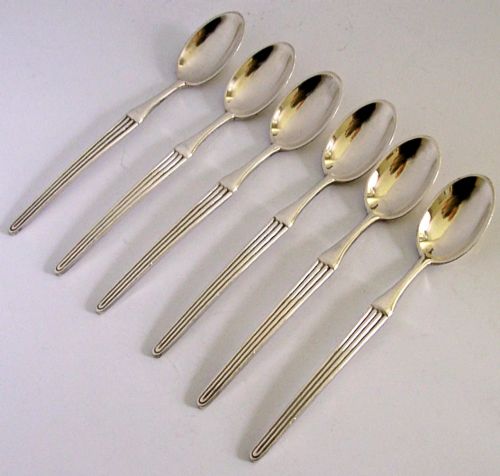
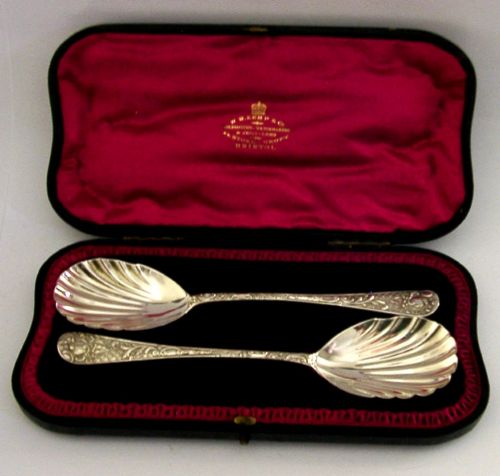
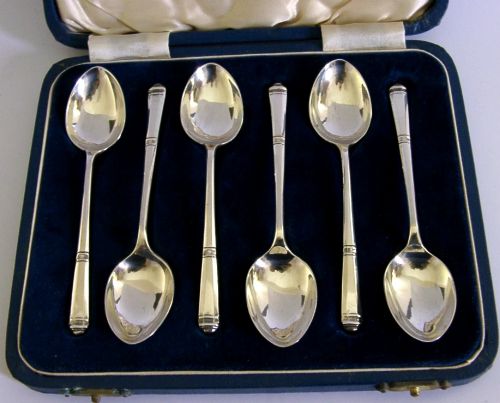
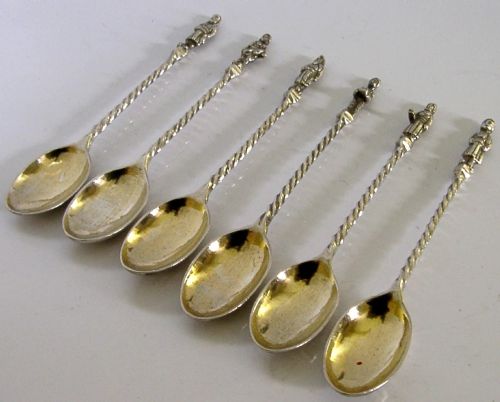
Solid silver flatware encompasses utilitarian cutlery and spoons fashioned from precious metal across several distinct eras. The pieces span from early seventeenth-century slip top spoons to nineteenth-century fiddle pattern dessert spoons and cased wedding sets.
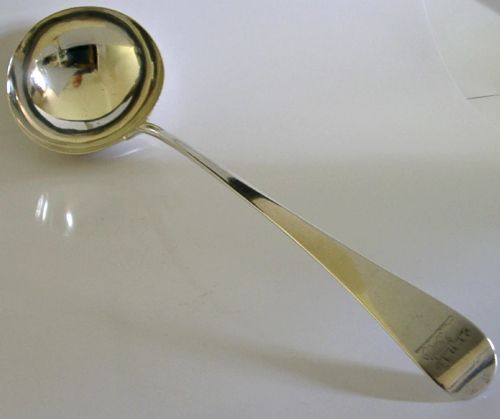
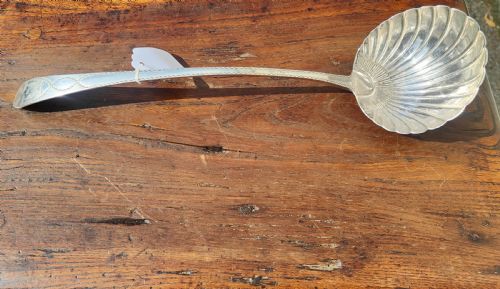
Buyers encountering this selection most frequently meet items originating from the Georgian and Victorian periods, alongside earlier seventeenth and eighteenth-century examples. Forms include marrow scoops, gravy spoons, and table service canteens.
Origins represented in the evidence stretch from specific British assay locations like Edinburgh and London to wider sterling and Britannia silver productions. Each object reflects the domestic dining habits of its respective period.
How solid silver flatware was made
Items in this category are fashioned from sterling silver, Britannia silver, and standard silver. Metal is shaped into functional cutlery forms such as spoons, forks, and serving pieces.
Manufacturing methods involve traditional silversmithing techniques appropriate to each period, ranging from early seventeenth-century hand-working to later nineteenth-century fiddle pattern stamping. Hallmarks are struck directly into the metal to denote standard and origin.
Retail Price Guide 2026
Typical UK retail prices for solid silver flatware, calculated from the Sellingantiques database of over a million retail prices indexed since 2003. This retail price guide relies exclusively on Sellingantiques data; no external sources or auction records are used, so the figures do not describe the wider market.
Listings feature periods from the 17th century through the Victorian era, utilising sterling silver, Britannia silver, and standard silver.
What varies in quality
Quality variation rests in the crispness of hallmarks, the preservation of original form, and the presence of engraved family crests. Earlier seventeenth-century pieces rely heavily on clear punch marks to establish their date and origin.
Later nineteenth-century services demonstrate precision in pattern execution, such as fiddle patterns, and the integrity of fitted mahogany canteens. The weight of the silver and the retention of clean lines separate utilitarian output from finer workshop productions.
The Solid Silver Flatware Glossary
- Sterling silver
- A silver alloy containing 92.5 percent pure silver by mass, traditionally used for British plate and flatware. It provides the standard composition for the majority of nineteenth-century items.
- Britannia silver
- A higher standard of silver alloy introduced in England by Act of Parliament, containing 95.84 percent pure silver. It is frequently associated with pieces from the Queen Anne period.
- Slip top spoon
- An early form of spoon featuring a straight handle cut off diagonally at the end, popular in the sixteenth and seventeenth centuries. This minimalist terminal style predates the multifaceted handles of later periods.
- Fiddle pattern
- A nineteenth-century cutlery design characterised by a tapered handle with shoulders above a broad terminal. It became a staple shape for Georgian and Victorian flatware services.
- Marrow scoop
- A narrow, trough-like spoon designed for extracting marrow from animal bones during formal dining. These items reflect the specific culinary requirements of eighteenth-century dining tables.
Frequently Asked Questions
What is solid silver flatware?
Solid silver flatware consists of cutlery and serving pieces made entirely from silver alloys rather than plated base metals.
The selection includes historical spoons, marrow scoops, and complete canteens spanning multiple centuries of British craftsmanship.
How do I date antique spoons?
Dating relies heavily on legible hallmarks struck by assay offices, alongside stylistic indicators like handle shapes and terminal designs.
Early seventeenth-century items feature simple slip tops, while nineteenth-century pieces often adopt structured fiddle patterns.
What is Britannia silver?
Britannia silver is a distinct compositional standard containing a higher percentage of pure silver than standard sterling.
Items bearing this standard typically date from the early eighteenth century, including specific Queen Anne era spoons.
Can I use antique flatware daily?
Using historical silver flatware for dining is entirely possible, provided the pieces are hand-washed and handled with appropriate care.
Many collectors enjoy integrating these durable seventeenth, eighteenth, and nineteenth-century items into modern table settings.