






Collectable Silver Spoon
These collectable silver spoon examples span centuries of master craftsmanship, offering both historic utility and exquisite design for the discerning collector.
What They Are
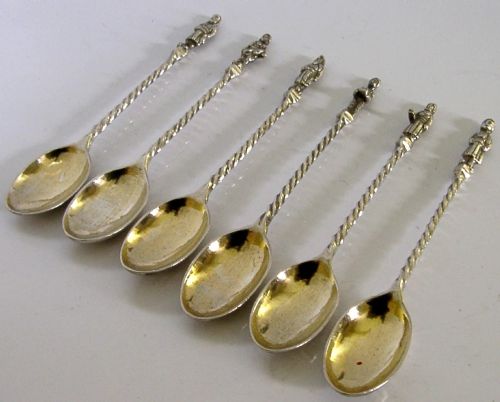
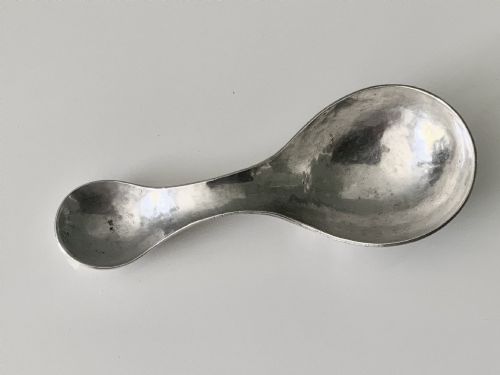
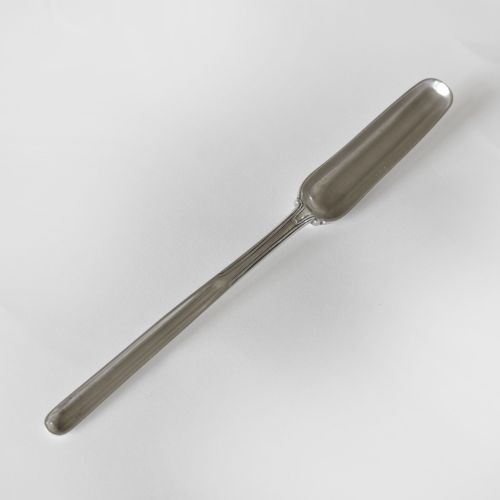
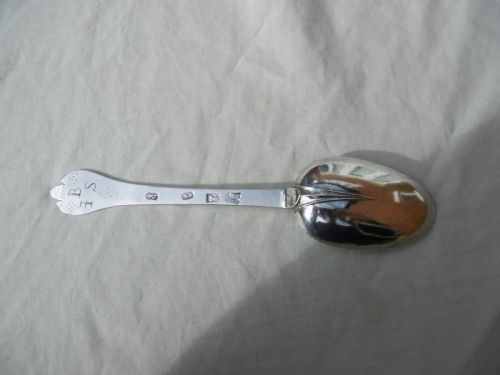
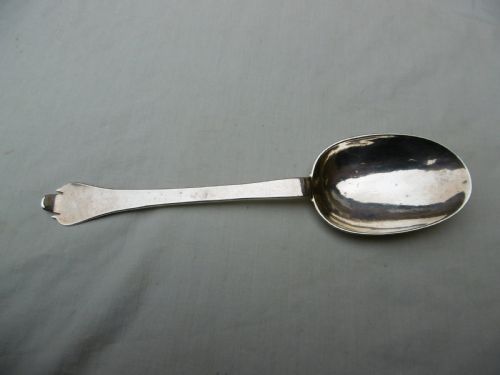
A collectable silver spoon embodies historical utility and domestic artistry, ranging from early dining flatware to specialised vessels. When exploring this selection, you encounter diverse forms including caddy spoons, trefid spoons, condiment spoons, and decorative pieces.
The objects span multiple eras, encompassing 17th century pieces, Georgian creations, Victorian items, and Edwardian works. You are most likely to meet sterling silver and solid silver editions alongside occasional silver plate items from the Dutch Revival and Arts and Crafts movements.
Makers and designers of note include historic figures and firms such as John King, Archibald Knox, Mappin & Webb, Robert Pringle, Liberty and Co, Peter, Ann and William Bateman, and Harry Atkin.
How They Were Made
The physical objects rely primarily upon sterling silver, solid silver, and silver plate, shaped by hand and tool during periods spanning from the seventeenth century to the twentieth century. Silversmiths utilised traditional forging, casting, and hammering methods to achieve structural integrity across flatware, serving spoons, and caddy spoons.
Surface ornamentation involved chasing, engraving, and specific stylistic patterning such as the Trefid, Onslow, Palm, and Slip Top designs. Makers applied fitted presentation cases to sets like coffee spoons, ensuring preservation of the metalwork.
Retail Price Guide 2026
Typical UK retail prices for collectable silver spoon, calculated from the Sellingantiques database of over a million retail prices indexed since 2003. This retail price guide relies exclusively on Sellingantiques data; no external sources or auction records are used, so the figures do not describe the wider market.
The inventory records pieces spanning the seventeenth century, eighteenth century, Victorian, Edwardian, and 1890 periods, executed in sterling silver, solid silver, and silver plate.
What Varies in Quality
The hierarchy of quality rests on the fidelity of the maker's mark, the clarity of period design, and the preservation of original form. Pieces bearing attributions to notable designers like Archibald Knox or established firms command greater attention through superior execution of Arts and Crafts or Edwardian styles.
Material composition dictates endurance, where solid silver and sterling silver maintain structural crispness better than silver plate alternatives. The depth of engraving, weight of the metal, and intact historical context separate ordinary utility items from museum-grade collectables.
John King·Archibald Knox·Mappin and Webb·Robert Pringle·Liberty and Co·Peter Ann and William Bateman·Harry Atkin
The Collectable Silver Spoon Glossary
- Trefid spoon
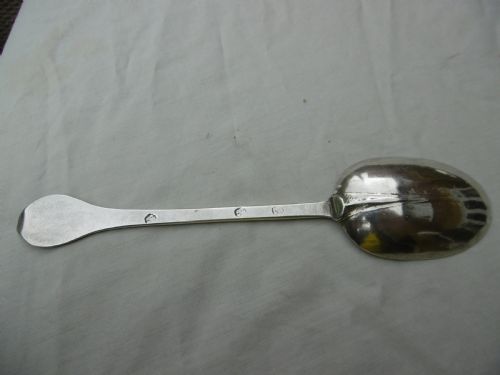
- An early form of flatware featuring a tripartite lobed terminal, popular during the seventeenth century. This design represents a distinct transitional phase in English cutlery evolution.
- Caddy spoon
- A short-handled spoon specifically designed for measuring tea leaves from a caddy. These often feature decorative bowls shaped like shells or architectural motifs.
- Slip top spoon
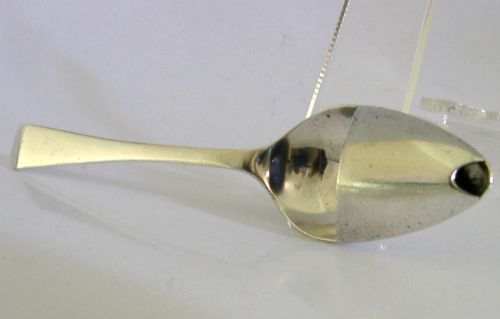
- An early dining implement with a straight handle cut off obliquely at the end. The style dates back to medieval times and reappeared in later revival periods.
- Silver plate
- A base metal coated with a thin layer of silver. This technique offered an accessible alternative to solid silver during the nineteenth century and later.
- Onslow pattern
- A distinct eighteenth-century handle design featuring a scrolled scroll terminal. It remains a sought-after motif among flatware enthusiasts.
Frequently Asked Questions
What is a caddy spoon used for?
A caddy spoon was utilised for transferring loose tea leaves from a storage container into a teapot. Their diminutive size and decorative bowls made them charming parlour accessories.
Many examples showcase sculptural bowls, such as scallop shells or floral motifs, reflecting the tastes of their respective eras.
Are silver plate items collectable?
Silver plate items hold a distinct place in domestic history, offering decorative appeal and period charm without the material cost of solid silver. Late nineteenth-century pieces demonstrate notable craftsmanship.
Assess the preservation of the plating and the clarity of any applied design to understand the quality of an individual silver plate object.
How can I tell Edwardian spoons apart?
Edwardian spoons often incorporate stylistic influences from the Arts and Crafts movement or contemporary design innovators like Archibald Knox. Look for organic motifs and distinctive handle profiles.
Comparing hallmarked dates with stylistic cues helps isolate pieces produced during the reign of Edward VII from earlier Victorian manufactures.