

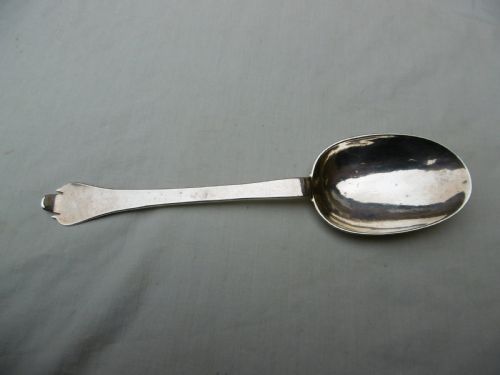


Period Silver Tableware
Period silver tableware brings centuries of craftsmanship to the dining table, offering authentic vessels and cutlery from the seventeenth to the nineteenth centuries.
Period Silver Tableware
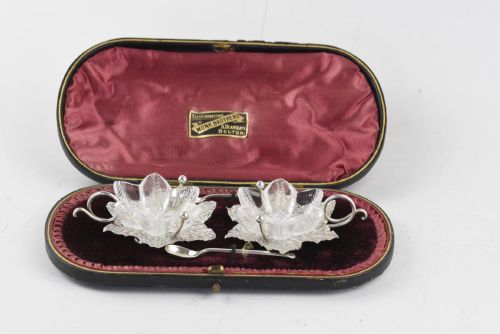
When you search for period silver tableware, you encounter a selection of historic dining items ranging from seventeenth-century trefid spoons to nineteenth-century salt cellars. These items encompass functional dining pieces designed for serving, seasoning, and consuming food in past eras.
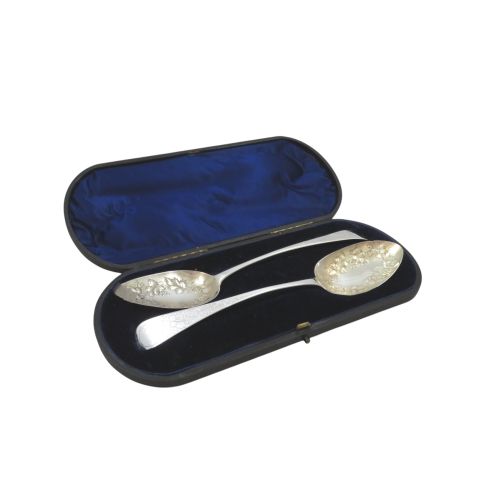
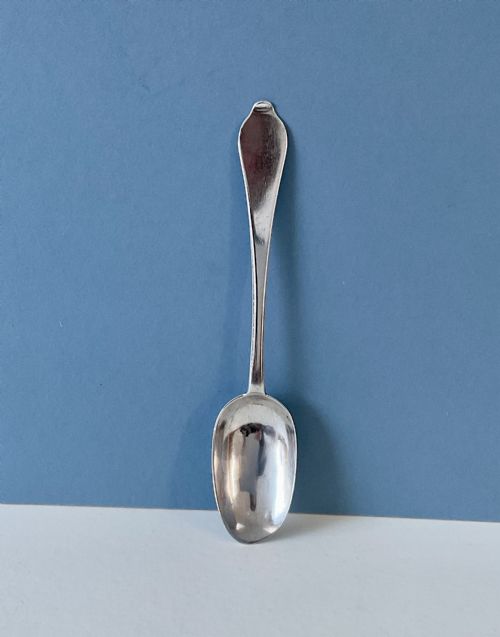
The most common examples on this page are spoons and salt cellars originating from the Georgian and seventeenth-century periods. Buyers frequently find trefid spoons, berry spoons, tea caddy spoons, marrow scoops, and cruet stands equipped with silver-mounted glass bottles.
Objects span several distinct historical eras, notably the reigns of William III, Charles II, William and Mary, Queen Anne, and George III. Makers utilised sterling silver, Britannia standard silver, and ebonised wood alongside glass, velvet, and silk linings.
How they were made
Silversmiths shaped these pieces using solid silver and Britannia standard silver, hammering and casting metal into forms such as trefid tablespoons, marrow scoops, and cruet frames. Many items incorporate fitted glass liners and bottles held within silver mounts.
Decorative techniques include lace patterns on trifid spoons, berry motifs on serving spoons, and ebonised wood details on cruet stands. Hallmarks stamped directly into the metal record the assay office, standard, and maker.
Period Silver Tableware Retail Price Guide 2026
Typical asking prices for period silver tableware among the pieces listed under this phrase on Sellingantiques today, from the lower quarter to the upper quarter. They describe what is for sale here now, not the wider market.
Seventeenth-century diners relied on trefid spoons to navigate formal meals long before modern matched cutlery sets existed on the table.
What varies in quality
Quality rests in the crispness of the hallmarks, the weight of the silver, and the survival of original components like glass liners and matched spoons. Earlier seventeenth-century pieces display distinct hand-worked characteristics that separate them from later Victorian productions.
The clarity of engraved details, such as lace patterns on trefid spoons or floral chasing on berry spoons, defines the upper tier of craftsmanship. Pieces retaining their fitted cases or original glass bottles demonstrate superior preservation.
William Penstone·Benjamin Prosser·Stephen Coleman·George Wintle
The Period Silver Tableware Glossary
- Trefid spoon
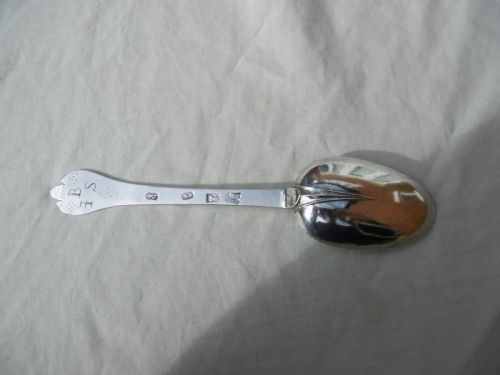
- An early form of dining spoon featuring a flat, three-lobed terminal handle popular in the seventeenth century. The stem typically widens toward the bowl with subtle rat-tail reinforcement underneath.
- Britannia standard silver
- A higher purity standard of silver introduced by statute in England, containing ninety-five point eight percent pure silver. Items bearing this standard often date from the late seventeenth and early eighteenth centuries.
- Cruet stand
- A frame holding glass bottles or castors intended for oil, vinegar, or condiments at the dining table. Georgian examples frequently combine ebonised wood frames with silver mounts.
- Berry spoon
- A serving spoon, often dating from the Georgian period, subsequently chased and embossed with fruit and leaf motifs during later decades. The bowl typically displays elaborate ornamentation surrounding the original silver surface.
Period Silver Tableware: Frequently Asked Questions
How do I clean period silver tableware?
Clean silver items gently using a soft cloth and specialised silver polish, avoiding harsh abrasives that can wear away historic hallmarks and fine engraving.
Keep glass liners and wooden stands separate from moisture during cleaning to preserve the integrity of associated materials like silk and velvet linings.
Are these silver items safe for daily dining use?
Many collectors utilise solid silver spoons and tableware for special occasions, as durable sterling and Britannia silver withstand careful handling.
Delicate items featuring delicate glass bottles or antique velvet should receive gentle treatment and hand washing rather than heavy daily service.
How do I identify a seventeenth century trefid spoon?
Look for the characteristic three-lobed flat handle terminal and the presence of early hallmarks struck near the top of the stem or reverse of the bowl.
These pieces often display a distinct rat-tail spine running down the back of the bowl to reinforce the joint with the handle.
What is the difference between sterling and Britannia silver?
Britannia silver contains a higher proportion of pure silver by weight than standard sterling silver, established by law to prevent the melting of coinage.
Pieces marked with Britannia standard frequently date from the restricted period when silversmiths were legally required to use this purer alloy.