




Silver Tea Service Accessories
Silver tea service accessories complete a table with essential function, offering the matched elegance of tongs, jugs, and bowls.

Silver Tea Service Accessories
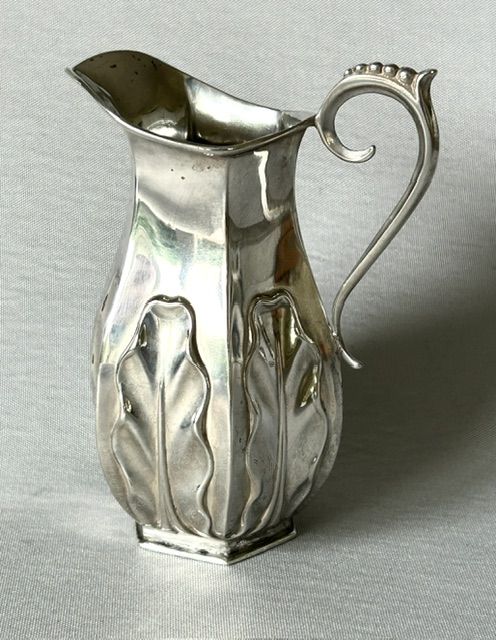
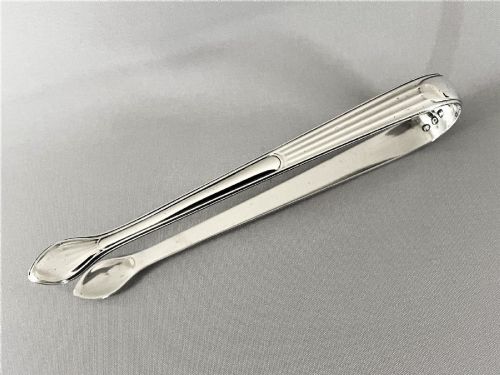
When you search for silver tea service accessories, you look at items designed to serve sugar and cream alongside the teapot. The most common forms on this page include sugar tongs, cream jugs, and sugar bowls.
The selection spans from Georgian and Victorian pieces to Edwardian, Art Deco, and mid-century designs. You will frequently find specific items like scissor nips and harlequin jugs.
Makers and regional assay offices across Britain and beyond stamped their wares during periods such as the Regency and the 1930s. These domestic implements bring historic formality to the modern tea table.
How they were made
Silversmiths shaped sterling silver and silver plate through hammering, piercing, and casting. Many items utilise electroplated nickel silver as a durable base for applied silver layers.
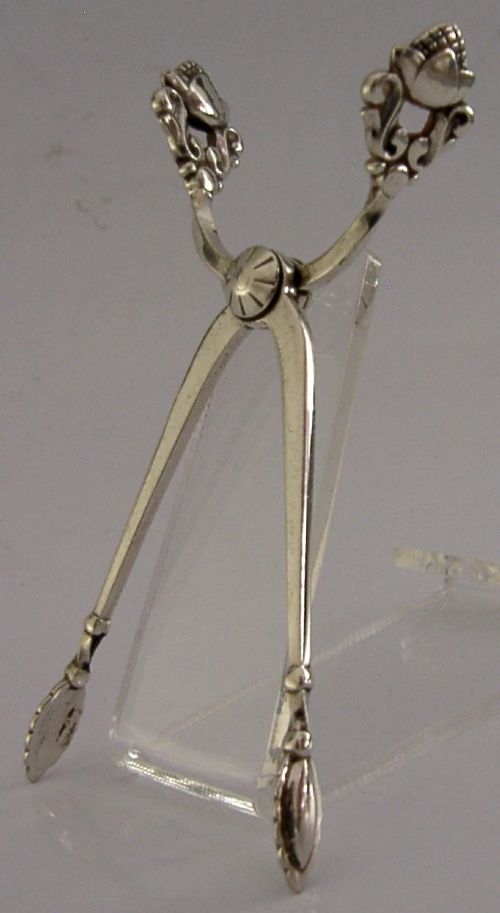
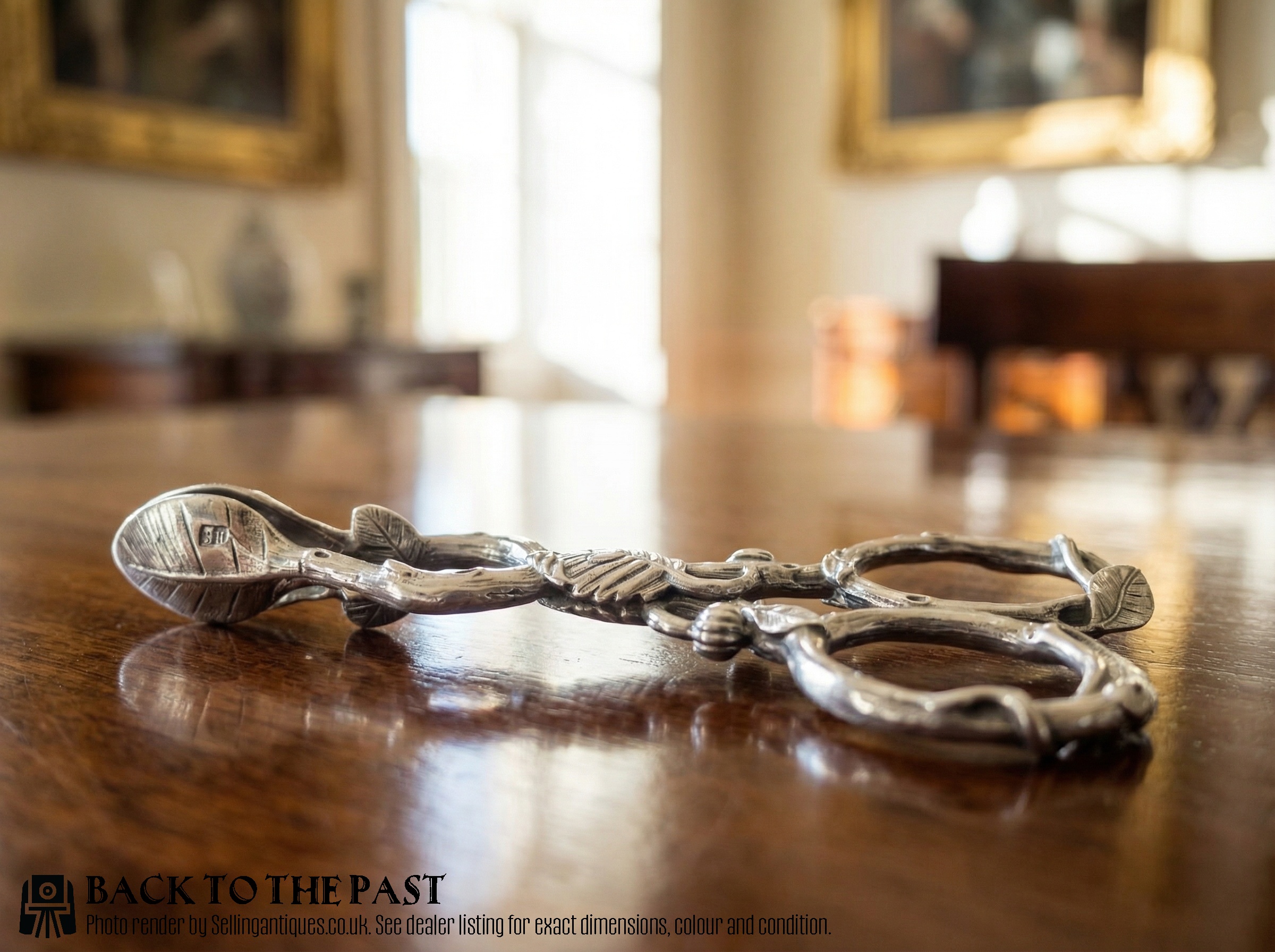
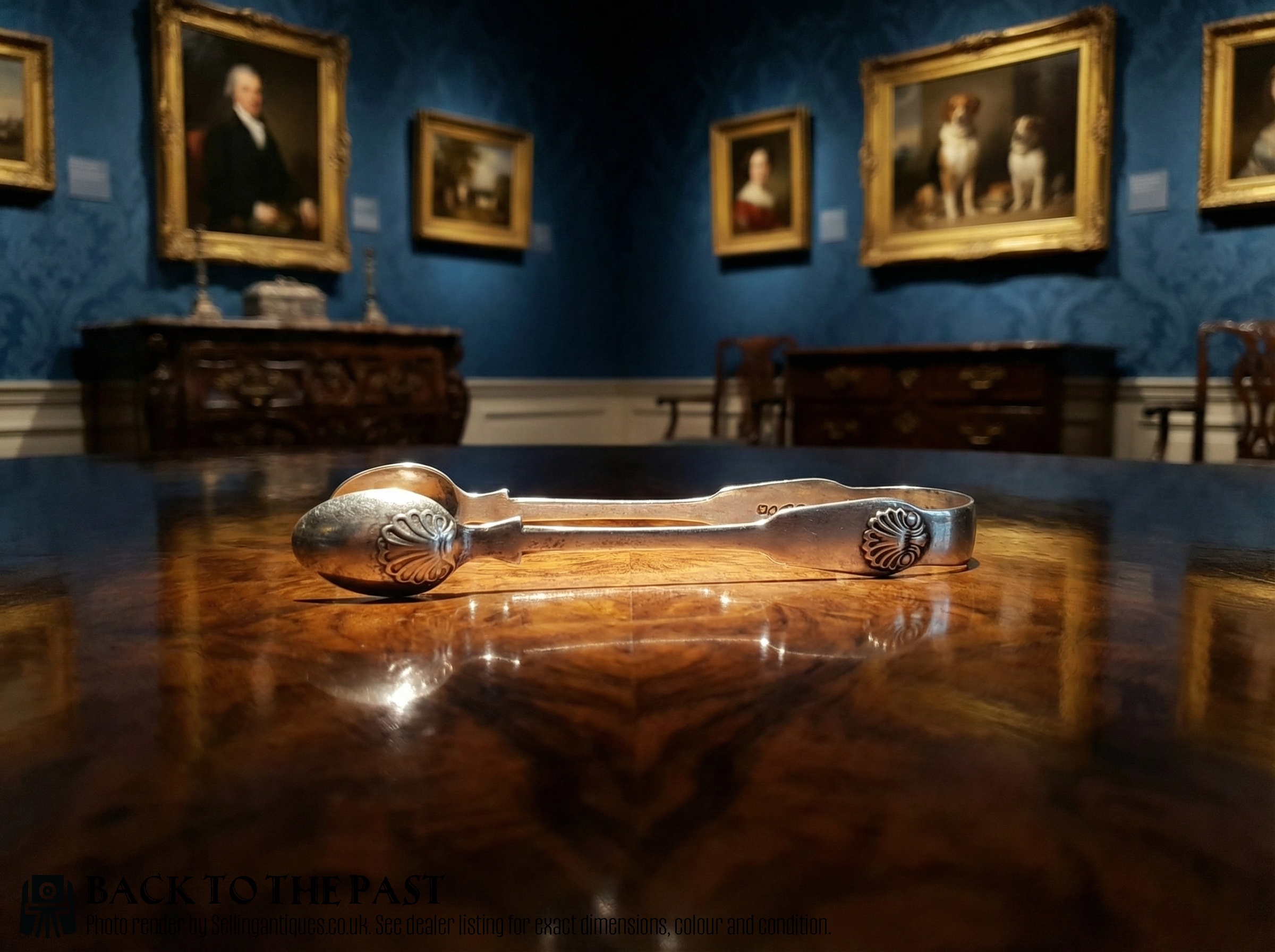
Makers added decorative details such as naturalistic foliate designs and gold gilt interiors on jugs and bowls. Tongs often feature sprung arms shaped for grip.
Silver Tea Service Accessories Retail Price Guide 2026
Typical asking prices for silver tea service accessories among the pieces listed under this phrase on Sellingantiques today, from the lower quarter to the upper quarter. They describe what is for sale here now, not the wider market.
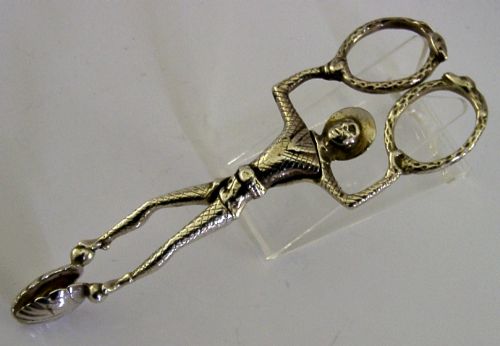
Harlequin jester tongs bring a theatrical touch of Victorian humour directly to the sugar bowl.
What varies in quality
The distinction between tiers rests upon the weight of the metal and the crispness of the chased or pierced decoration. Master silversmiths executed finer articulation in handles, hinges, and bowl rims.
Maker marks and regional hallmarks indicate the workshop standard and the purity of the metal. Pieces displaying named makers or distinct regional assay offices show greater uniformity in their proportions.
Bateman Family·Georg Jensen·Thomas Tookey·Josiah Williams and Co·Mappin and Webb·John Walton·Francis Higgins
The Silver Tea Service Accessories Glossary
- Sugar Tongs
- Spring instruments used for lifting sugar lumps into a cup. They evolved from scissor-action nips into sprung U-shaped arms during the Georgian period.
- Silver Plate
- A base metal, such as copper or nickel silver, coated with a layer of pure silver. Techniques include Sheffield plating and electroplating.
- Assay Office
- An official body that tested precious metals and stamped items with hallmarks. Towns like Chester, London, Exeter, and Newcastle maintained their own offices.
- Gold Gilt
- A thin layer of gold applied to the interior of silver cream jugs or sugar bowls. This protected the silver from corrosion caused by acidic contents.
- Harlequin Set
- A collection of tableware comprising pieces made by different makers or at different times, matched by function rather than origin.
Silver Tea Service Accessories: Frequently Asked Questions
How do I clean tarnished silver tea accessories?
Wash pieces in warm soapy water using a soft cloth to remove everyday residue and oils. Avoid abrasive pastes that wear away thin plating.
Polish gently with a designated silver cloth to restore the shine without damaging engraved details or hallmarks.
Can I mix different periods on the tea table?
Mixing items from different eras was common practice historically, often resulting in harlequin collections. Georgian tongs sit comfortably alongside Victorian bowls if the scale and metal tone complement one another.
Focus on matching the function and general weight rather than demanding a strict single-maker service.
What is the difference between sugar nips and tongs?
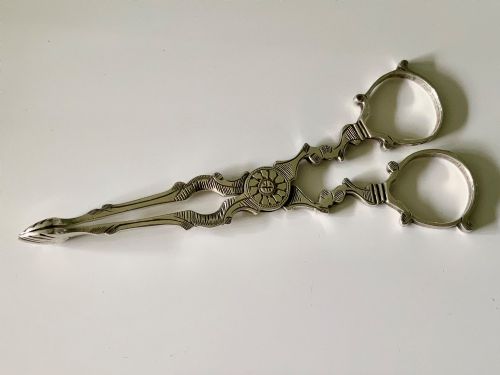
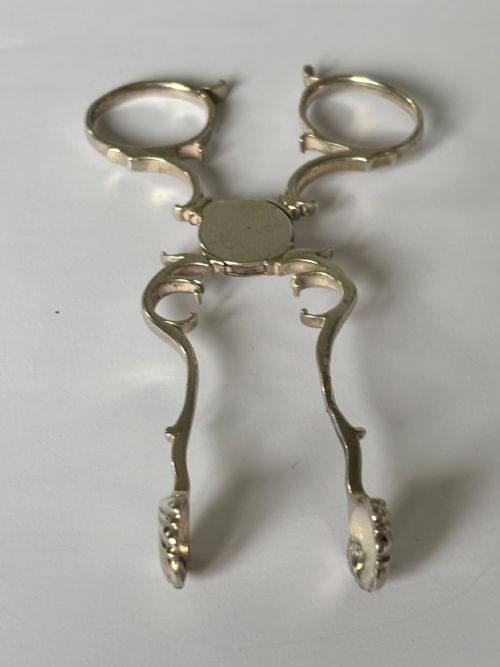
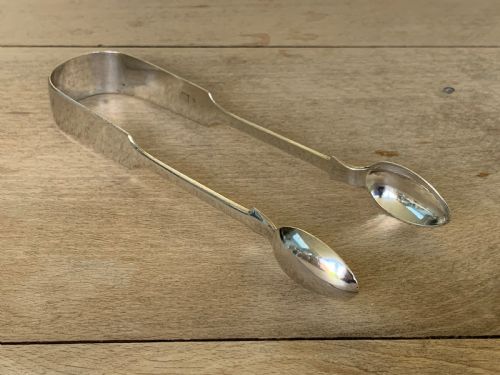
Sugar nips operate on a scissor action with ring handles, typically associated with earlier Georgian tea service. Tongs feature a sprung metal bow that presses together by hand.
Both served the same purpose at the tea table, though nips allowed for greater precision when handling sugar loaves.
How do I read silver hallmarks?
Hallmarks usually show the maker's mark, a standard purity mark like the lion passant for sterling, and a date letter. Regional assay office marks indicate the town where testing took place.
Consult standard reference books to match date letters and maker initials to specific years and workshops.