
Antique Silver Tongs
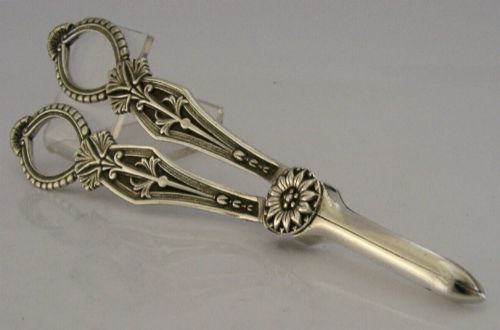
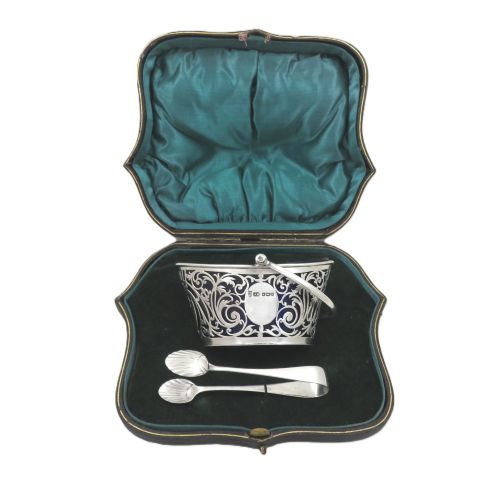
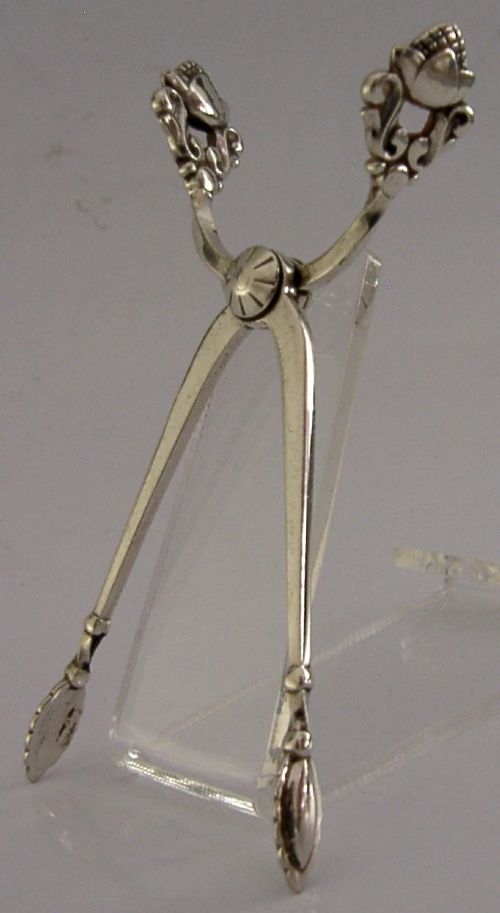
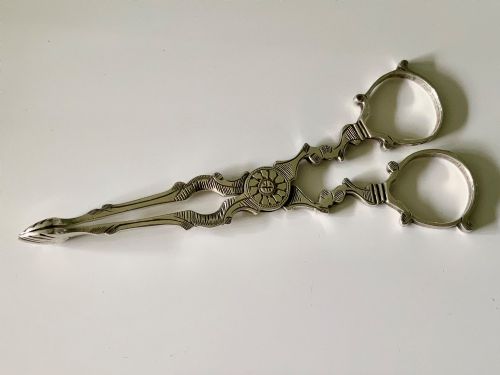
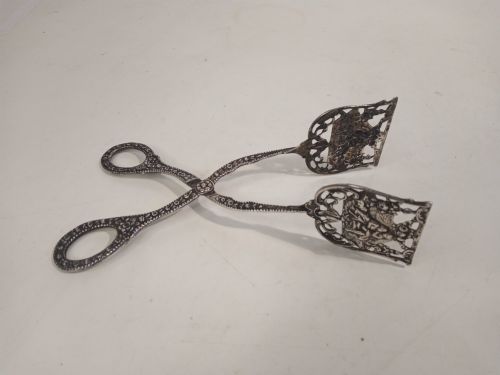
These antique silver tongs range from small sugar nips to large serving implements designed for the table and desk.
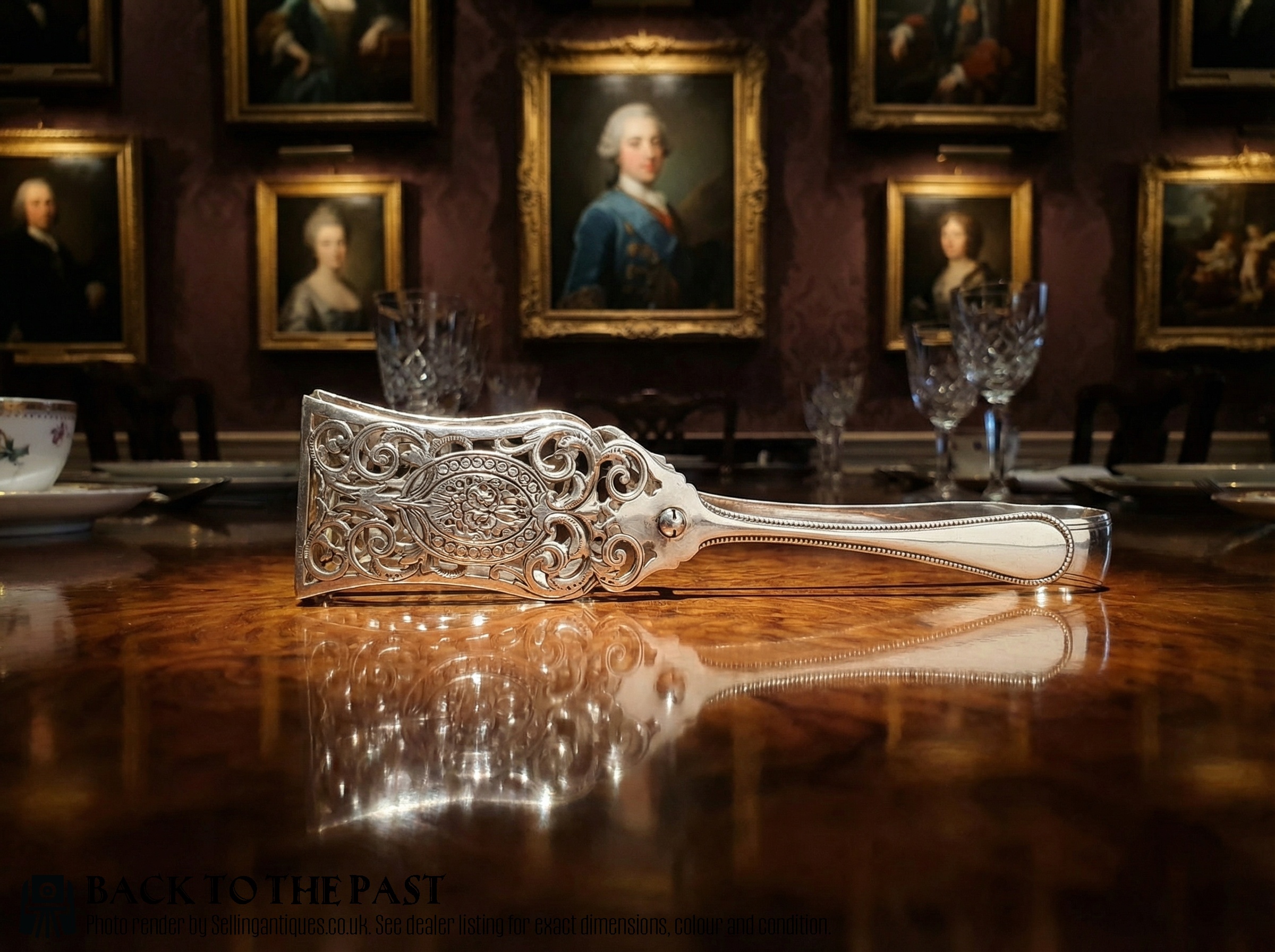
Identifying antique silver tongs
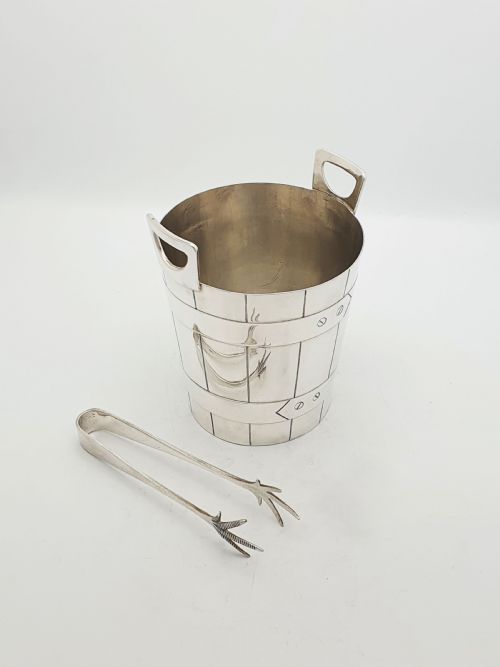
When you search for antique silver tongs, you encounter a specialised category of domestic and dining implements spanning the Georgian, Victorian, and early twentieth-century periods. The selection covers sugar tongs, serving tongs for cake, bread, and vegetables, alongside ice tongs and novelty designs.
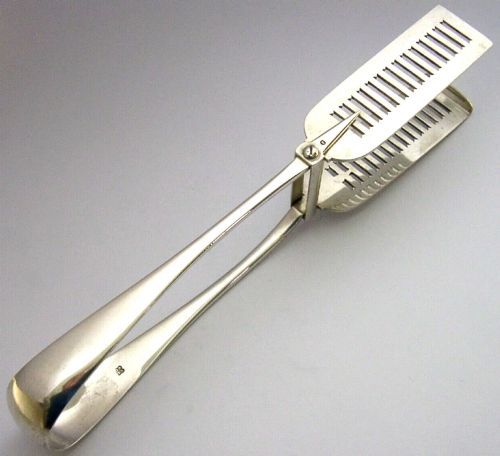
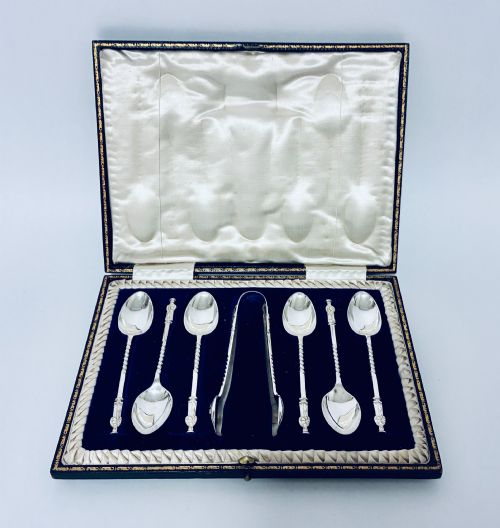
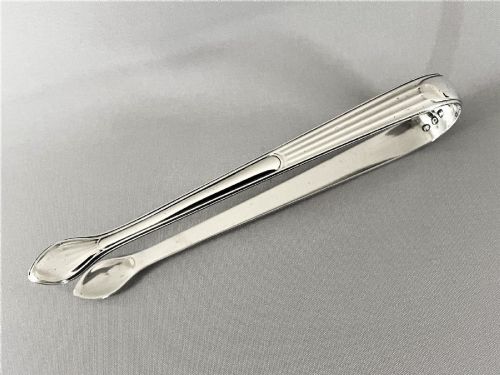
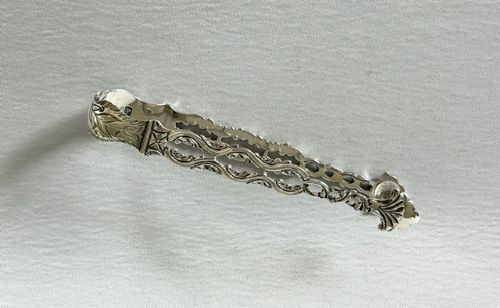
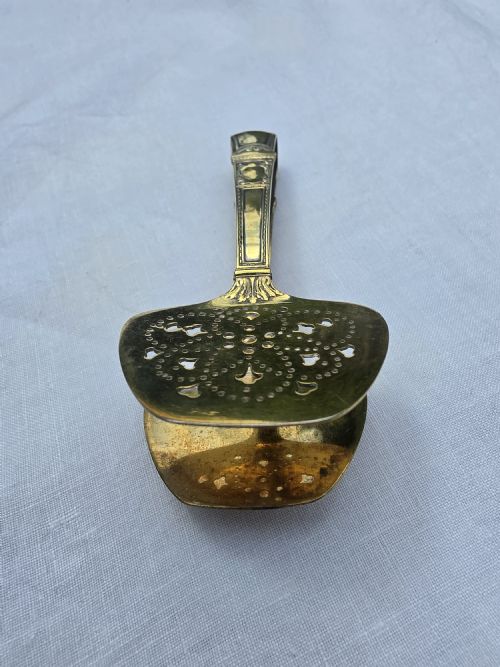
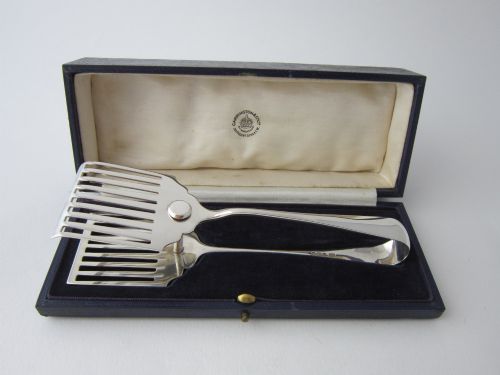
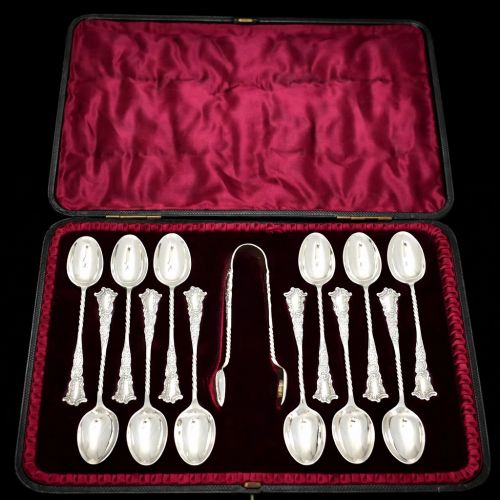
Sugar tongs appear most frequently, recorded from makers in Newcastle, Chester, and Sheffield, alongside larger asparagus and sandwich serving tongs. Forms range from simple squeeze-action barware items to elaborate chased and crested table implements.
Origins stretch from English provincial workshops to continental Europe and Russian enamel work, encompassing sterling silver, silverplate, and foreign standards such as 800 silver.
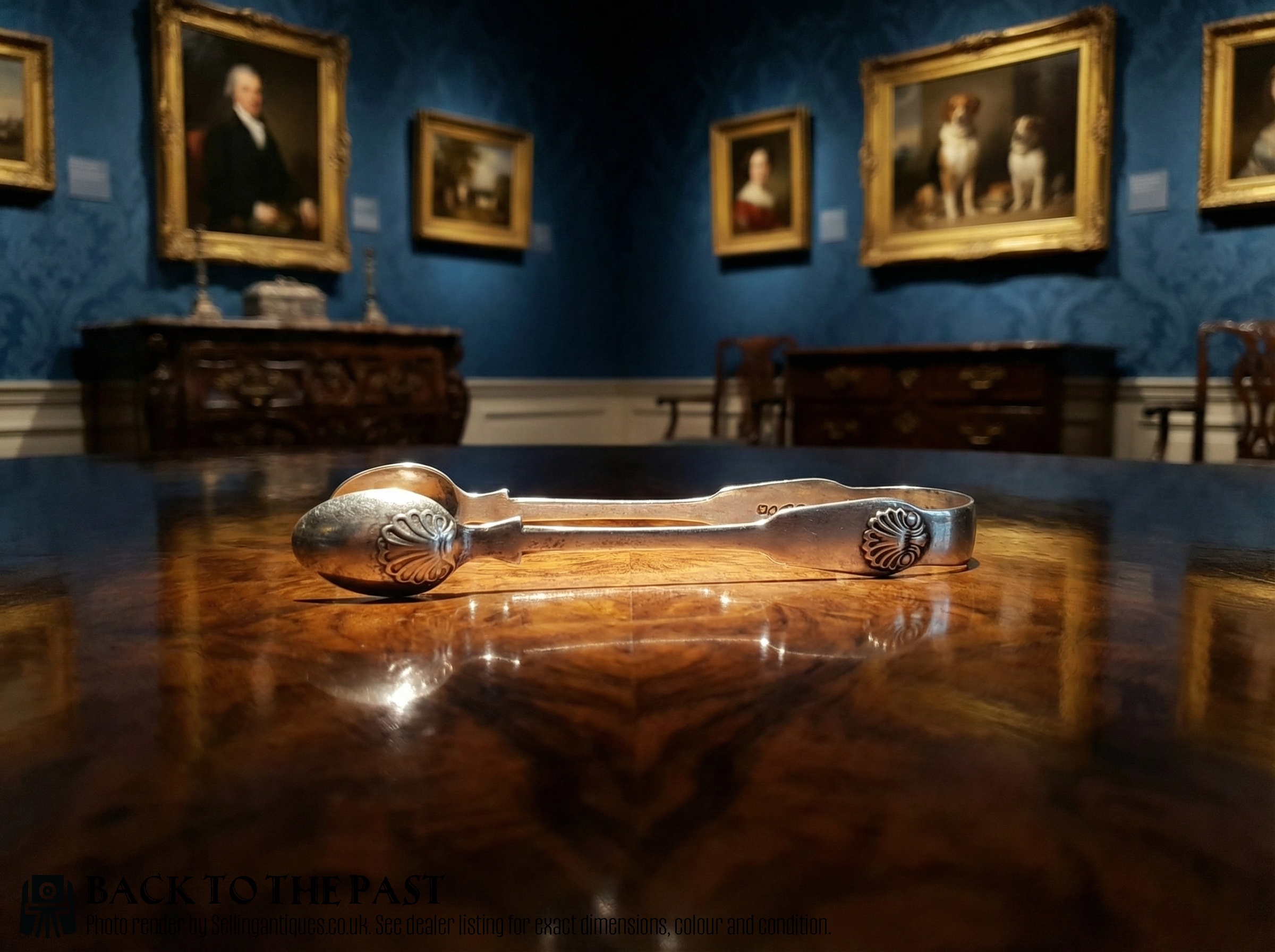
Manufacturing and materials
The objects are produced primarily from solid sterling silver, silverplate, and lower purity standards like 800 silver, occasionally incorporating mother of pearl handles or gilt vermeil finishes.
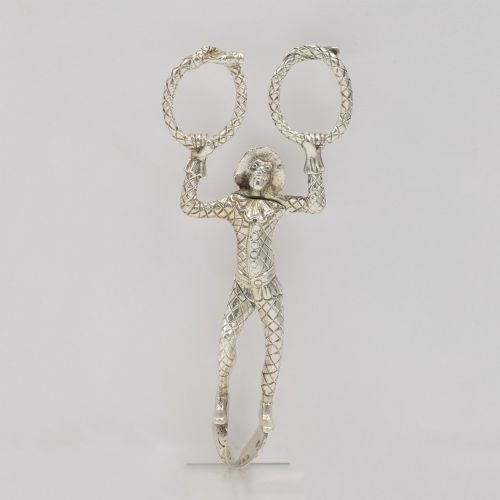
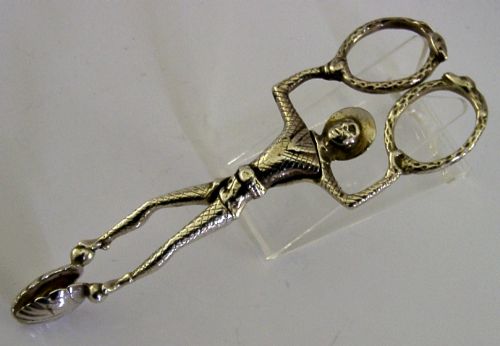
Techniques visible across the archive include cloisonné enamel work, cast novelty forms such as wishbones and harlequin monkeys, and traditional patterned stamping for Hanoverian and Kings styles.
Retail Price Guide 2026
Typical UK retail prices for silver tongs, calculated from the Sellingantiques database of over a million retail prices indexed since 2003. This retail price guide relies exclusively on Sellingantiques data; no external sources or auction records are used, so the figures do not describe the wider market.
Listings feature items spanning the Georgian, Victorian, Edwardian, and Art Deco periods, created in sterling silver and silverplate.
Judging quality in silver tongs
Distinction in the range lies between simple functional sugar nips and heavy, specialised serving tongs for asparagus, sandwiches, or ice that require robust gauge metal to maintain tension. Pieces carrying family crests, detailed chased decoration, or maker attributions from notable retailers indicate superior production.
The presence of specialised mechanical actions, such as squeeze-action barware or articulated novelty designs, separates standard utility pieces from more ambitious workshop output.
Dee & Fargus·John Walton·Maria Semenova·Asprey·Philippe Berthier
The Antique Silver Tongs Glossary
- Sterling silver
- A standard alloy consisting of 925 parts silver per thousand, widely used across British pieces.
- Silverplate
- A base metal substrate coated with a layer of silver, common in barware and utility tongs.
- Vermeil
- Sterling silver coated with a layer of gold, seen on certain continental and domestic sets.
- Cloisonné
- An enamelling technique utilising soldered wire compartments filled with vitreous paste, found on Russian pieces.
- Sugar nips
- Small spring tongs designed specifically for grasping sugar lumps for tea service.
Frequently Asked Questions
What were silver sugar tongs used for?
Sugar tongs served at the tea table to transfer sugar lumps into cups without touching them by hand.
They developed from simple scissor-type shapes into spring-action nips and decorative wishbone forms during the Georgian and Victorian eras.
How do I identify asparagus tongs?
Asparagus tongs are larger serving implements featuring broad, flat blades designed to grip long stalks without breaking them.
They appear frequently in the heavier weight brackets of late Victorian and twentieth-century silver.
Are all antique tongs made of sterling silver?
No, while sterling silver is predominant, the record includes silverplate items, continental 800 silver pieces, and gilt vermeil examples.
Assay marks and hallmarks generally clarify the precise metal standard used.
What is a novelty silver tong?
Novelty tongs take whimsical or unexpected shapes, such as wishbones, harlequin figures, or animals.
Makers like Asprey produced these items to amuse diners at the table.