
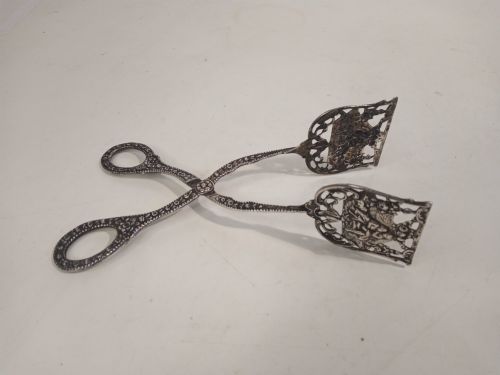


Pierced Silver Tongs
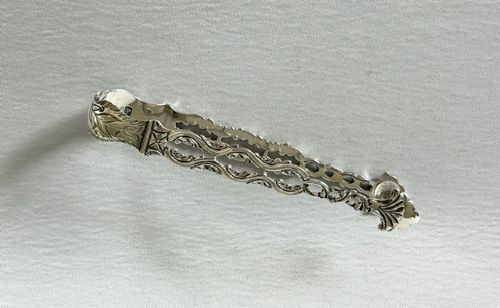
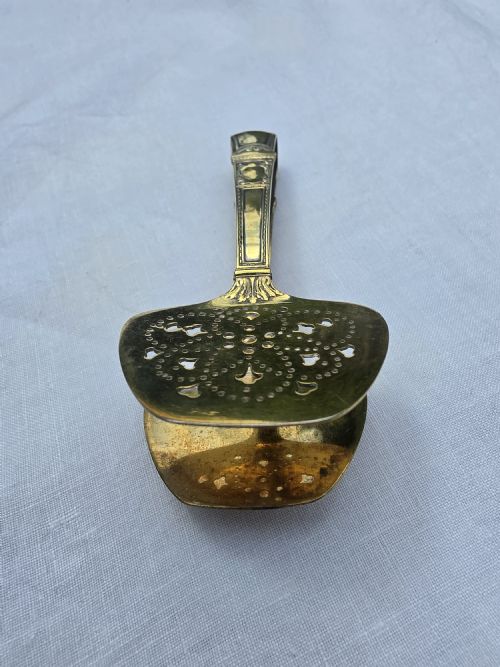
These pierced silver tongs bring fine metalwork to the table or hearth, combining openwork decoration with practical utility.
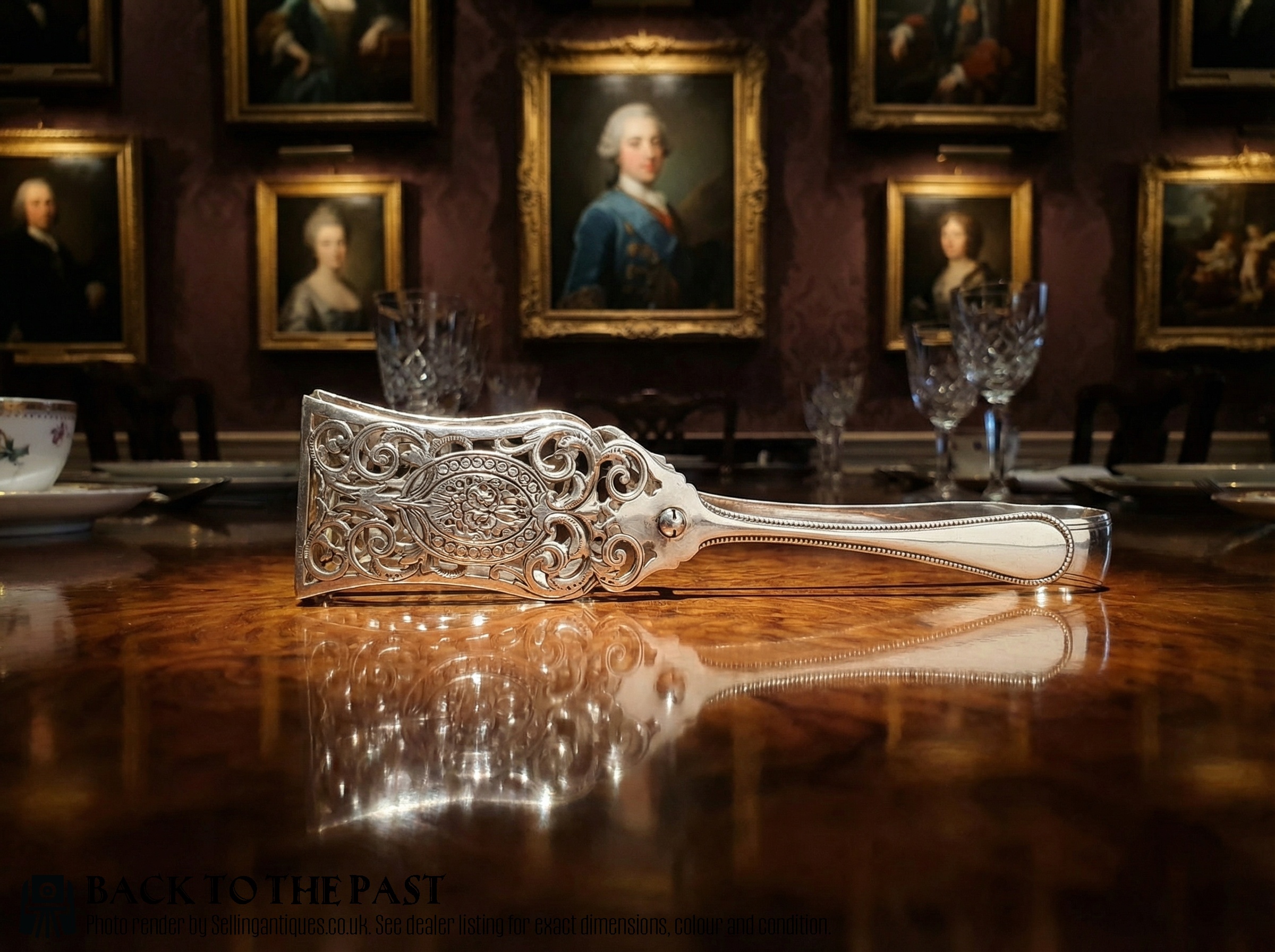
Pierced Silver Tongs
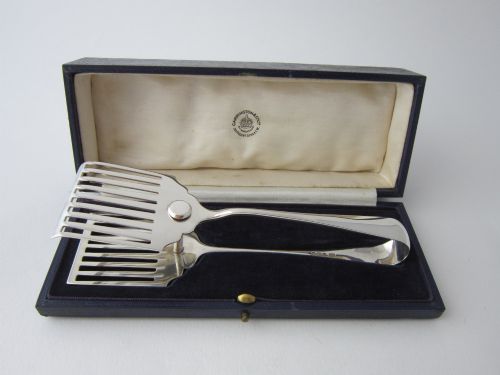
Pierced silver tongs encompass functional utensils designed for sugar, pastry, asparagus, and tea, appearing across periods from the eighteenth century through the twentieth. Buyers seeking pierced silver tongs will encounter various forms ranging from delicate sugar implements to larger serving pieces.
The selection includes examples from Georgian, Victorian, and Edwardian eras, alongside Continental pieces and steel fireplace tools associated with related domestic tasks. Sterling silver and silver plate dominate the offerings, matched by occasional silver gilt finishes.
Makers and manufacturers span centuries of metalworking, from provincial British workshops to prominent international firms like Tiffany & Company. Each piece demonstrates specific regional tastes and period styles, including Classical Revival and George V designs.
Materials and construction
Construction relies primarily on sterling silver, solid silver, and silver plate, shaped through casting, piercing, and polishing. Craftsmen utilised silver gilt for decorative enhancement on specific serving implements.
Steel and polished steel appear in utilitarian items such as fireplace tools and fire irons, reflecting the industrial methods of the nineteenth century. Piercing techniques create openwork patterns on blades and bowls, executed by hand or machine depending on the period.
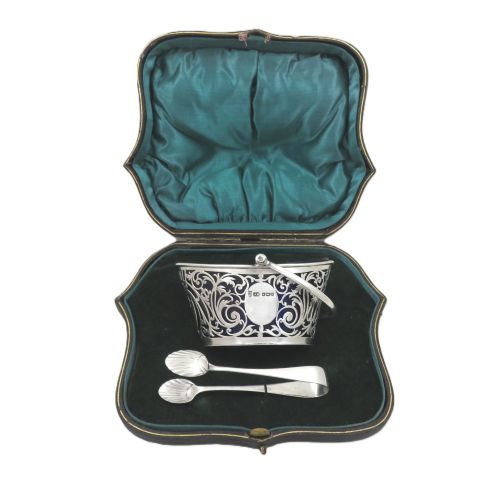
Listings include eighteenth-century cast silver examples alongside Victorian Art Nouveau sugar tongs and Edwardian silver baskets.
Evaluating quality and execution
Quality rests in the crispness of the pierced decoration and the structural integrity of the hinge or spring mechanism. Early cast examples display heavier gauges of metal and hand-cut openwork that differentiate them from later plated productions.
Maker marks and hallmarks provide provenance and indicate the standard of silver, while the refinement of the engraving and the balance of the handles determine the overall finish of the piece.
Tiffany & Company
The Pierced Silver Tongs Glossary
- Sterling silver
- A silver alloy containing 92.5 percent pure silver by mass, with the remainder consisting of other metals like copper. This standard underpins the majority of British silver items.
- Silver gilt
- Silver objects that have been coated with a thin layer of gold on the surface. This technique provides a rich two-tone appearance.
- Silver plate
- A base metal coated with a thin layer of silver through electroplating or older manufacturing methods. It offers the appearance of solid silver at a different cost level.
Pierced Silver Tongs: Frequently Asked Questions
What were pierced silver tongs used for?
These utensils served specific dining and tea table duties, such as handling sugar lumps, pastries, and asparagus. The pierced design allowed excess syrup or moisture to drain away during use.
Larger variations handled general serving tasks at the dining table, while related steel items functioned as hearth accessories.
How do I distinguish eighteenth-century tongs?
Early pieces from the seventeen-fifties often feature heavy cast construction with distinct provincial hallmarks or maker marks. The piercing tends to be hand-cut rather than machine-tooled.
Stylistic cues such as Hanoverian patterns and specific bowl shapes help align pieces with Georgian manufacturing methods.
Are silver-plated tongs collectible?
Silver-plated examples from the Victorian and Edwardian periods frequently exhibit high-quality craftsmanship and ornate pierced ends. Plated asparagus and serving tongs remain popular among collectors for their decorative utility.
Condition and the clarity of the underlying metal work dictate desirability in plated wares.
How should I care for silver tongs?
Regular dusting with a soft cloth prevents tarnish build-up on solid silver and silver-plated surfaces. Avoid harsh abrasive cleaners that can damage delicate pierced sections.
Store pieces in dry conditions away from direct sunlight to preserve the finish of both the metal and any fitted presentation cases.