



Antique Sugar Nips
These antique sugar nips are functional small silver pieces designed to portion lumps, offering practical charm for a traditional tea table.
What antique sugar nips are
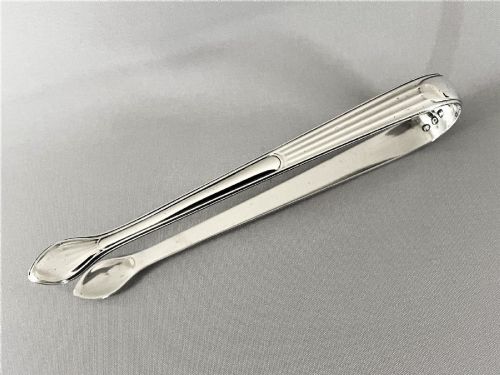
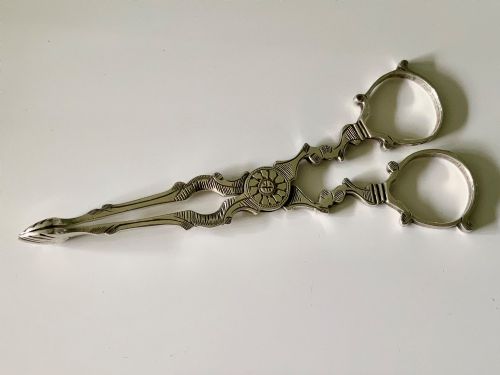
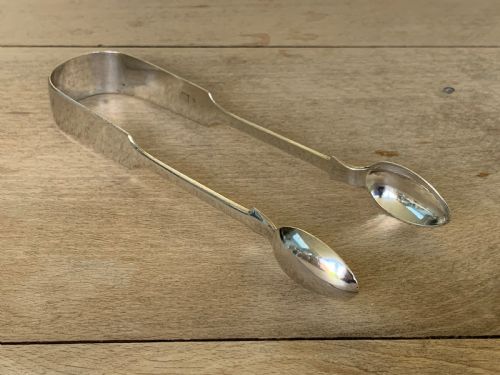
When you search for antique sugar nips, you are looking at small silver instruments created to pick up sugar lumps for tea service. The evidence shows these items span the eighteenth century, the Victorian era, and into the twentieth century. Most examples you will encounter take the form of sugar tongs in sterling silver or silver.
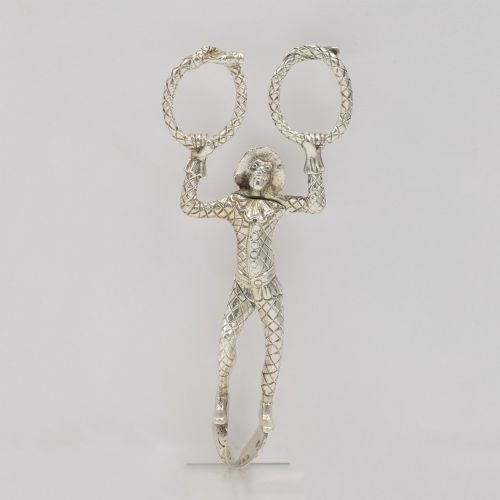
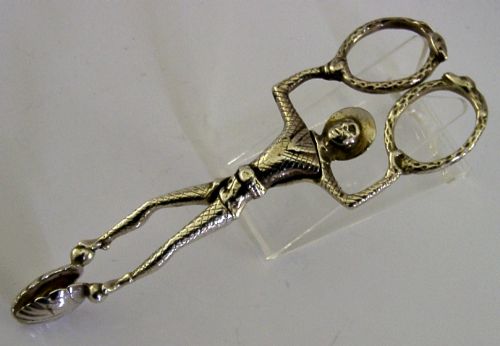
The selection ranges from traditional British patterns to Chinese Export and Art Deco designs. Makers such as Cooper Brothers and Sons and Berthold Muller appear in the records, alongside pieces bearing hallmarks from Sheffield and Chester. You will also find novelty forms, including wishbone and figural designs, alongside boxed sets.
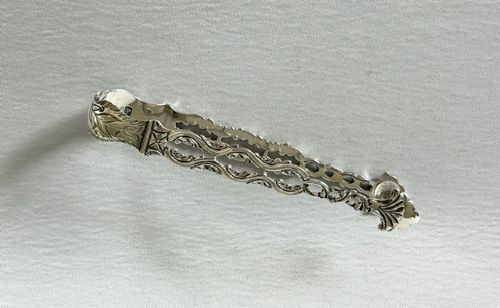
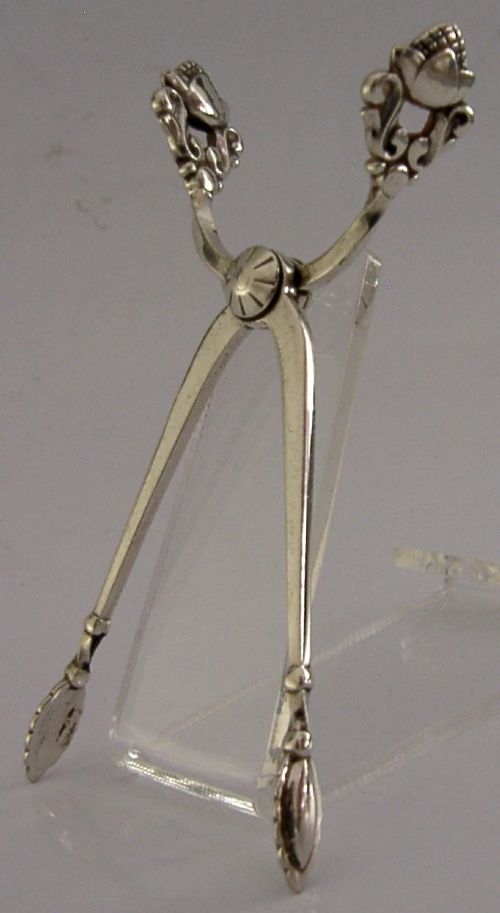
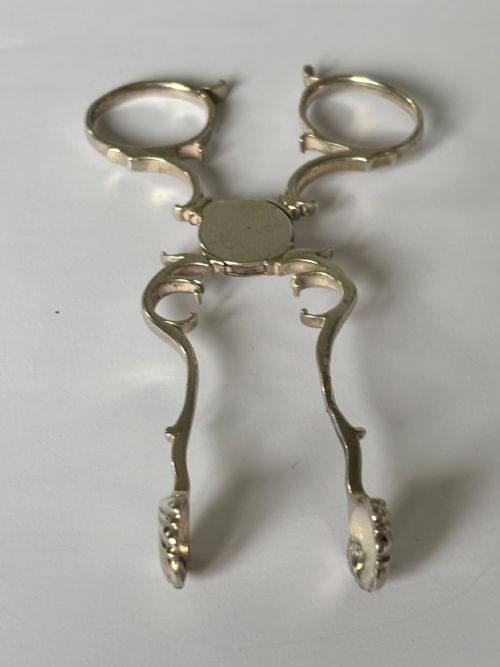
Earlier versions from the eighteenth century show simpler nips construction, while later nineteenth and twentieth century pieces adopt the sprung tong format. Whether plain or patterned in styles like Albany and Blossom, these items reflect the changing social rituals of tea drinking across different eras.
How they were made
The materials recorded in the evidence are sterling silver, silver, metalware, and brass. Silversmiths formed these metals using traditional techniques of shaping, pressing, and joining to create the spring action required for gripping.
Detailed work on these pieces includes cast figural elements, claw terminals, and chased or engraved patterns such as the Albany and Blossom designs. Hallmarking on the sterling silver examples indicates assay office testing and manufacturing dates.
Materials in these listings include sterling silver, brass, and standard silver, spanning the eighteenth century through to the Art Deco period.
What varies in quality
Quality in these items rests on the crispness of the original detail, particularly on figural designs, claw terminals, and patterned handles like the Albany or Blossom styles. The retention of clear assay marks and makers' stamps also distinguishes standard production pieces from finer workshop output.
The integrity of the spring action and the balance of the metal arms determine how well the piece functions. Heavier gauge sterling silver and substantial construction separate robust examples from lighter, more utilitarian items.
Cooper Brothers & Sons·Georg Jensen·Berthold Muller
The Antique Sugar Nips Glossary
- Sterling silver
- A silver alloy containing ninety-two point five percent pure silver by mass, forming the primary material for the majority of these pieces. This standard alloy ensures durability for items subject to regular handling.
- Hallmark
- An official stamp applied by an assay office to indicate the purity of the metal and the year of manufacture. These small marks often include maker initials and city symbols such as Sheffield or Chester.
- Claw
- A terminal shape fashioned to resemble an animal foot, frequently seen gripping the sugar lump on nineteenth and early twentieth century examples. This decorative end adds texture to the business end of the tongs.
- Novelty
- A piece designed in a playful or unusual shape, such as a wishbone or a figural form. These items departed from standard domestic patterns to amuse guests at the tea table.
Frequently Asked Questions
What is the difference between sugar nips and sugar tongs?
Sugar nips originally referred to scissor-action implements used to cut or grip sugar from a loaf, while sugar tongs are sprung pieces joined at the head. Over time, the terms became interchangeable in descriptions.
The listings show both designations applied across eighteenth, nineteenth, and twentieth century examples, reflecting how language shifted while the domestic purpose remained identical.
How do I date an antique silver piece?
Dating relies heavily on the hallmarks stamped into the metal, which record the assay office, the standard of silver, and a specific date letter. Style and construction techniques also provide broad chronological markers.
The evidence includes pieces dated specifically to years like 1898, 1929, and 1932, alongside broader periods such as Victorian and the eighteenth century.
Were these items used for afternoon tea?
Yes, these small silver instruments were essential accessories for the formal tea service, used to transfer sugar lumps from a bowl to the cup without handling them directly.
Boxed sets combining sugar containers and gripping implements indicate they were frequently given as gifts or kept specifically for entertaining guests.
What are novelty sugar tongs?
Novelty pieces are those fashioned into recognizable shapes outside the standard domestic forms, such as wishbones, birds, or specific figural designs. Makers produced these to add conversation value to the tea table.
Examples in the records include wishbone forms and figural designs by makers like Berthold Muller dating from the early twentieth century.