



Hallmarked Silver Sugar Tongs
Hallmarked silver sugar tongs are small domestic implements that combine assay office marks with practical utility for the tea table.
What these pieces are
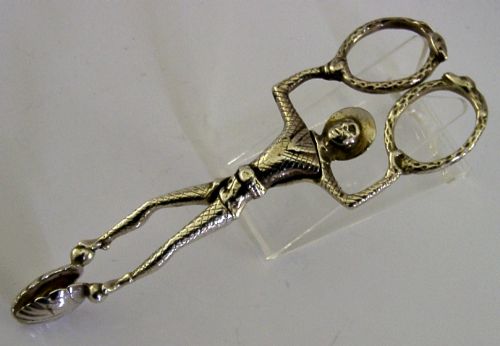
Hallmarked silver sugar tongs span multiple decades from the Georgian era through to the Edwardian period and the 1930s. These pieces include claw sugar nips and harlequin jester designs alongside simple engraved forms.
How they were made
The recorded items consist entirely of solid sterling silver, shaped into spring arms designed to grip sugar lumps. Makers utilised stamping, casting, and hand engraving to create ornate surface patterns and articulated claw ends.
Among the historical items sits a harlequin jester design from Chester, proving Victorians loved theatrical flair in their tea service.
What varies in quality
Distinction across the range lies in the crispness of the assay stamps and the depth of decorative engraving. Finer examples display meticulous shaping at the terminals, such as detailed claws or jester motifs, compared to plainer utility pieces.
Cooper Brothers & Sons·John Sanderson
The Hallmarked Silver Sugar Tongs Glossary
- Hallmark
- Official stamps applied by an assay office to guarantee the fineness of precious metal. These marks typically include a maker's mark, standard mark, and date letter.
- Sterling silver
- A silver alloy containing 92.5 percent pure silver by mass and 7.5 percent other metals, usually copper. This standard underpins all the listed pieces.
- Sugar nips
- A specialised form of tongs featuring hinged or sprung arms with claw or spoon terminals designed for grasping sugar lumps. They often showcase ornate Victorian or Edwardian casting.
- Assay office
- An official body that tests the purity of precious metals and applies hallmark stamps. Sheffield and Chester are notable assay locations represented in the evidence.
Frequently Asked Questions
How do I date hallmarked silver sugar tongs?
Dating relies on the assay office marks and specific date letters stamped directly onto the silver. Reference books match these punch marks to exact years of production.
Style also helps indicate the period, moving from Georgian simplicity to ornate Victorian or geometric Art Deco designs.
Were sugar tongs used for loose tea?
These implements were specifically fashioned to handle sugar lumps during tea service rather than loose tea leaves. Hosts used them to transfer sugar cleanly from bowl to cup.
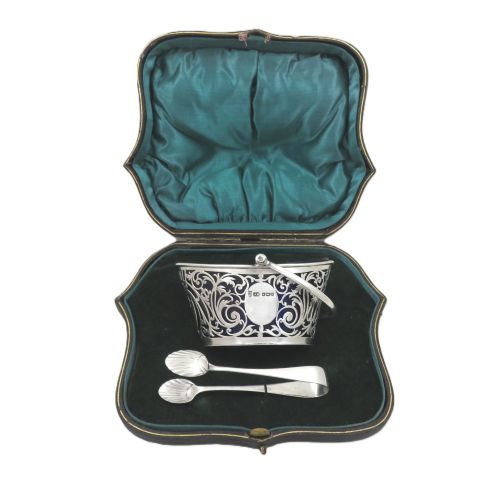
They often formed part of larger boxed presentation sets that included matching teaspoons.
How do I clean antique silver tongs?
Cleaning requires a soft microfibre cloth and specialised silver polish to remove natural tarnishing without damaging the engraved details. Harsh abrasives will wear away the thin hallmark stamps over time.
Regular gentle handling helps maintain a natural patina on the sterling silver surface.
What is the difference between tongs and nips?
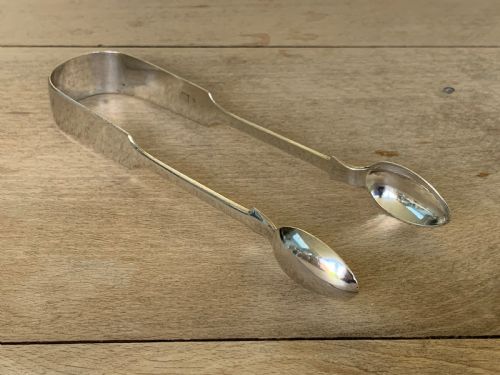
Sugar nips typically feature articulated claw terminals or scissor-like actions designed for precise grip on sugar lumps. Tongs usually rely on a single sprung metal arch to provide tension.
Both terms appear across the Georgian, Victorian, and Edwardian periods.