
Antique Sterling Silverware
These antique sterling silverware pieces bring centuries of functional metalwork to the table, offering lasting utility and period design for daily use.
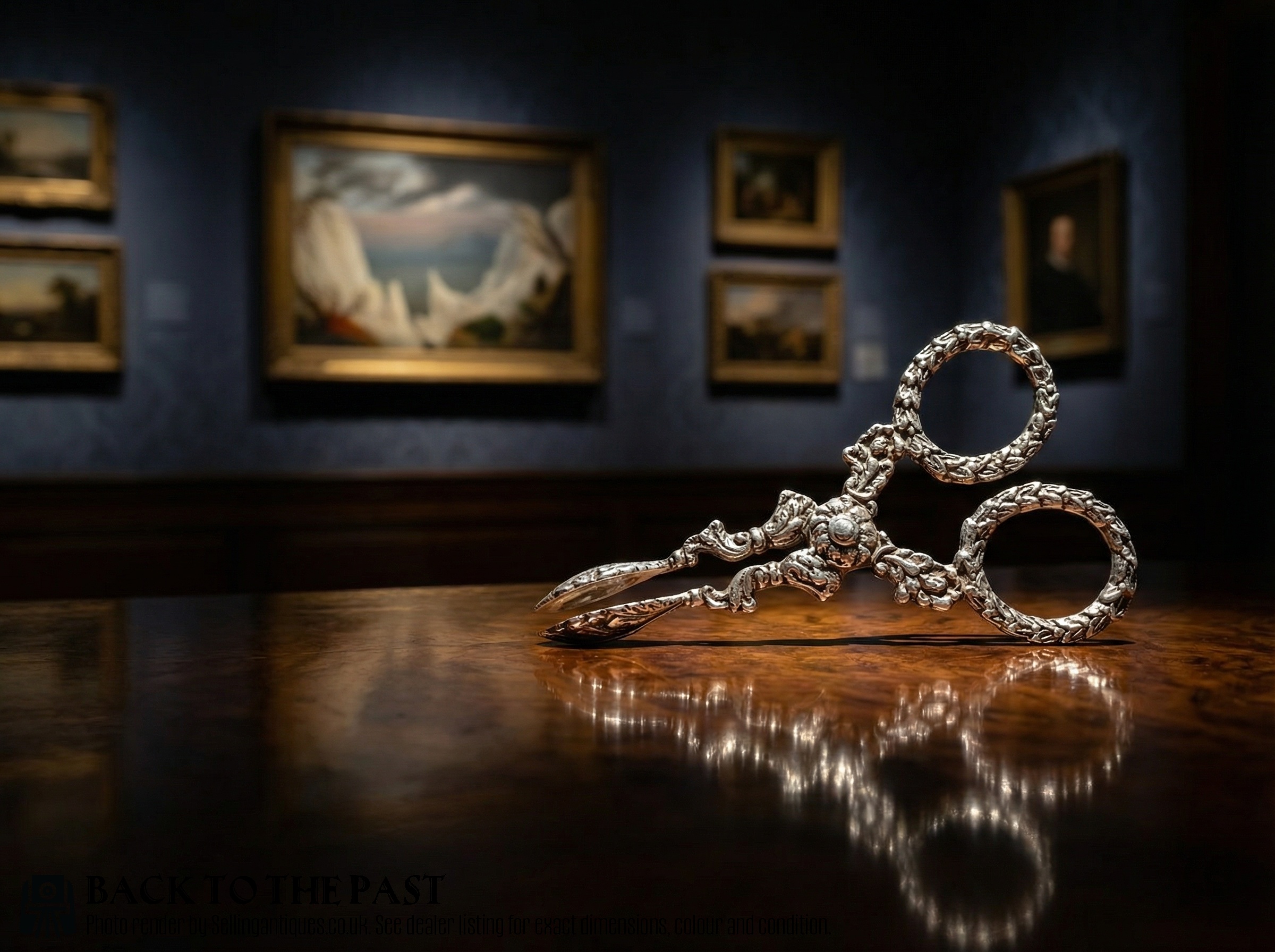
Antique Sterling Silverware
When you search for antique sterling silverware, you encounter a diverse range of domestic objects spanning multiple centuries and design movements. The selection covers everything from utilitarian dining implements to decorative vessels designed for tea service and display.
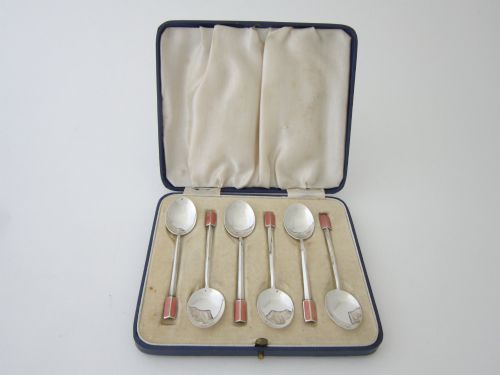
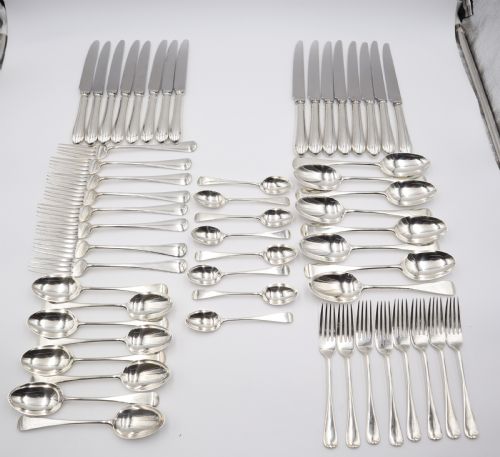
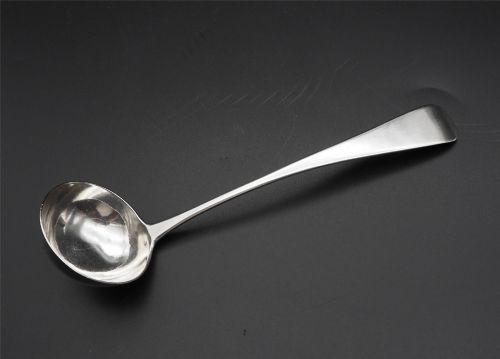
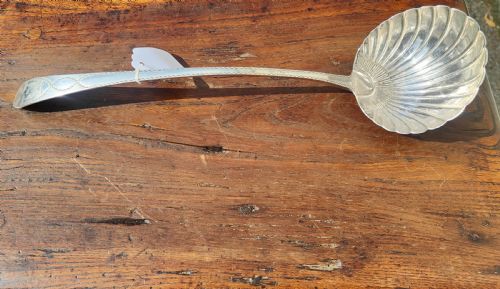
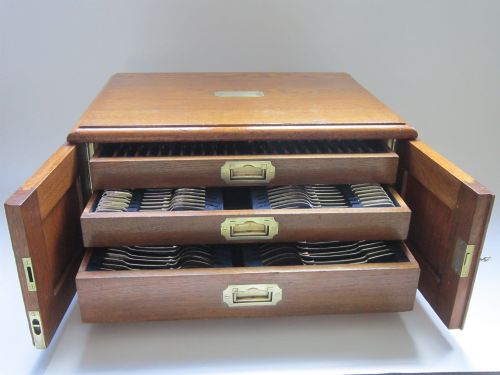
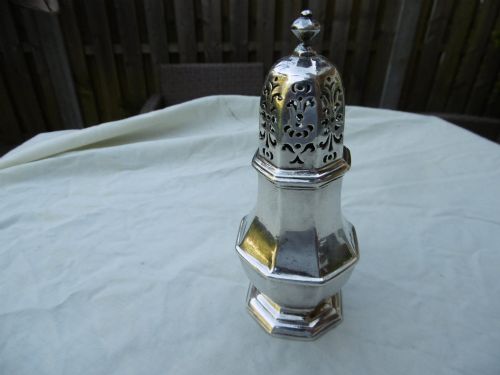
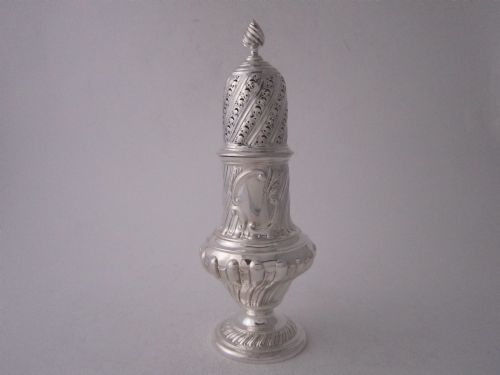
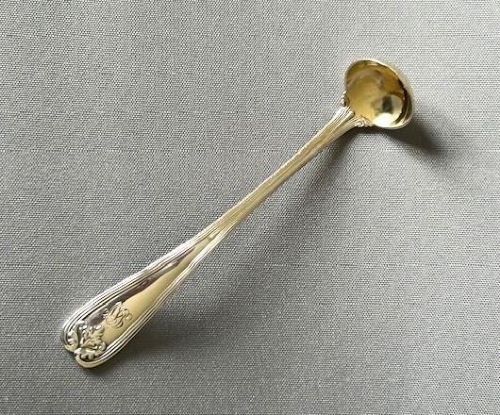
Victorian and Georgian pieces form a substantial portion of what appears here, alongside Edwardian, Art Deco, and regional British provincial items. Forms vary from complete cutlery sets and teapots to sugar casters, toast racks, and individual condiment ladles.
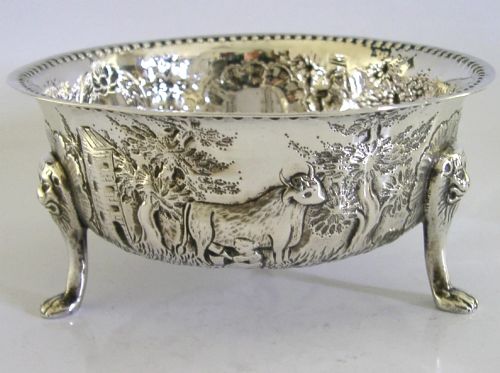
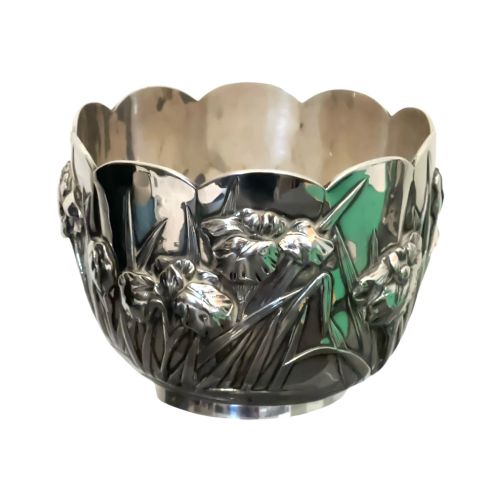
Regional origins stretch beyond mainstream English production to include Scottish provincial, Irish, Anglo-Indian, French, and Japanese Meiji period examples. Buyers find specialised vessels such as christening mugs, mether cups, and cased napkin rings alongside standard serving utensils.
Materials and Construction Techniques
The primary material across these listings is sterling silver, shaped through traditional silversmithing methods such as raising, casting, and hand-beating. Secondary materials like glass, wood, silk, velvet, leather, agate, and steel appear in fitted boxes, knife handles, and mounted bowls.
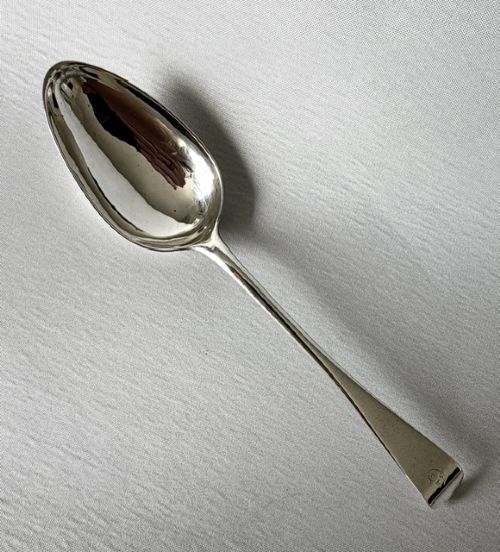
Maker techniques range from the intricate hand-piercing on sugar baskets to the substantial weight of cast coffee pots and octagonal casters. Decoration is achieved through engraving, family crests, and pattern stamping such as the popular Fiddle pattern on flatware.
Materials paired with silver in these records include glass, wood, velvet, silk, leather, steel, and agate.
Distinctions in Quality
Quality in these items rests upon the weight of the metal, the clarity of the hallmarks, and the crispness of the original chasing or engraving. Heavier gauges of silver and pieces by notable makers demonstrate superior workshop standards.
The integrity of secondary materials, such as undamaged glass liners in silver frames or intact handle fittings, influences the overall standard. Pieces retaining sharp decorative detail without excessive polish wear represent the higher tier of surviving examples.
Bateman Family·Paul Storr·Richard Gurney·William Comyns
The Antique Sterling Silverware Glossary
- Sterling silver
- A silver alloy containing 92.5 percent silver by mass, standard for British silverware. This composition ensures durability for daily dining implements.
- Hallmark
- An official stamp indicating metal purity, assay office, and date letter. These marks provide the primary evidence for dating an item.
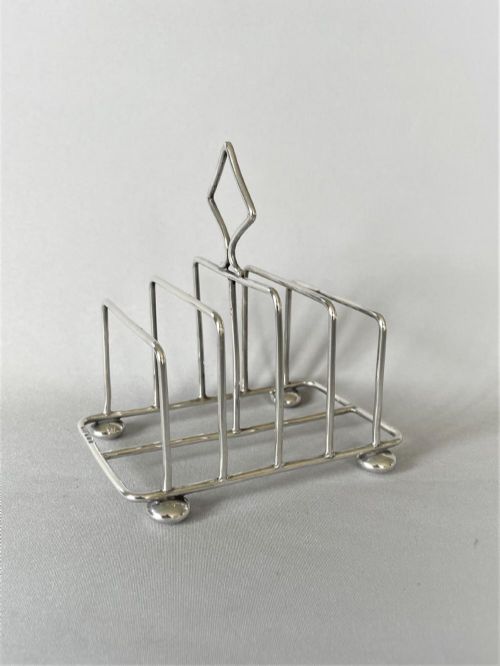
- Toast rack
- A small tabletop frame designed to hold slices of toast upright. They typically feature individual arched dividers for each slice.
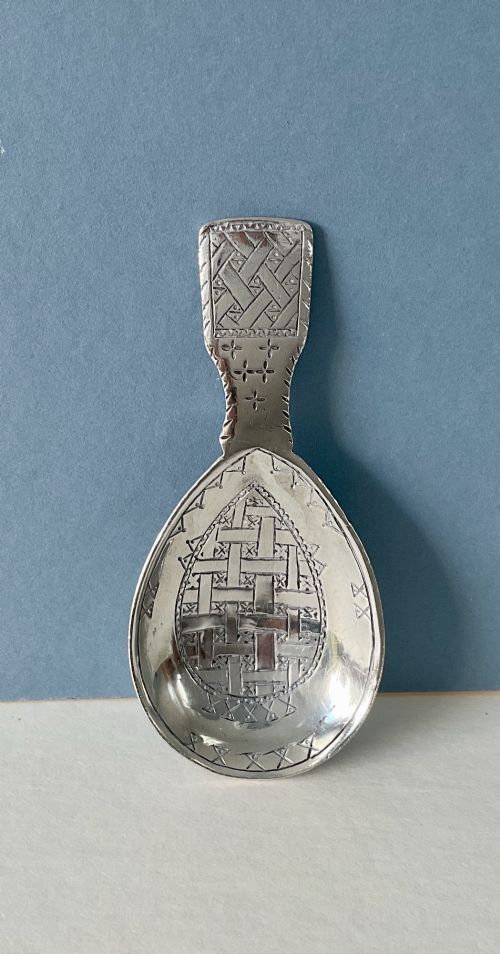
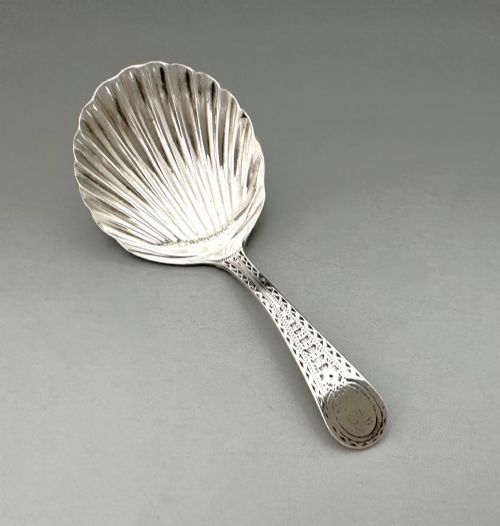
- Caddy spoon
- A short-handled spoon specifically used for measuring loose tea leaves from a caddy. They often feature decorative bowls shaped like shells or leaves.
- Caster
- A small perforated vessel used for sprinkling sugar or spices over food. Early examples often exhibit octagonal or pedestal forms.
Antique Sterling Silverware: Frequently Asked Questions
How do I clean antique silver?
Use a soft cloth and a dedicated silver cleaner formulated to remove tarnish without stripping the underlying metal. Avoid abrasive materials that can scratch the surface or wear away crisp hallmarks.
Wash the pieces in warm soapy water and dry them thoroughly after cleaning to prevent moisture spots. Regular, gentle maintenance preserves the natural lustre far better than harsh scrubbing.
What do the hallmarks tell me?
British hallmarks typically show the maker's mark, the sterling standard symbol, the assay office town mark, and a date letter. These stamps reveal exactly where and when an item was tested and made.
Learning to read these tiny symbols allows you to trace pieces back to specific reigns and workshops. They serve as the definitive record of authenticity for collectors.
How do Georgian and Victorian styles differ?
Georgian silverware often displays restrained classical elegance, featuring clean lines, bright-cut engraving, and balanced proportions. Pieces from this era frequently reflect Rococo or Neoclassical influences.
Victorian items tend to be more ornate and varied, embracing heavier decoration, naturalistic motifs, and experimental industrial techniques. Canteen sets and matching services expanded significantly during the Victorian period.