
Antique Sterling Silver Flatware
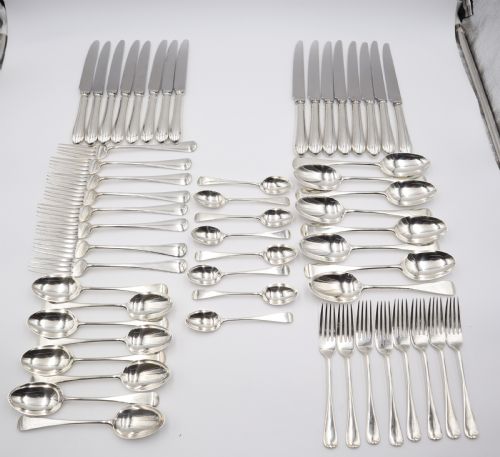
These antique sterling silver flatware pieces bring centuries of dining history to your table, offering practical utility and enduring metalwork.
What antique sterling silver flatware is
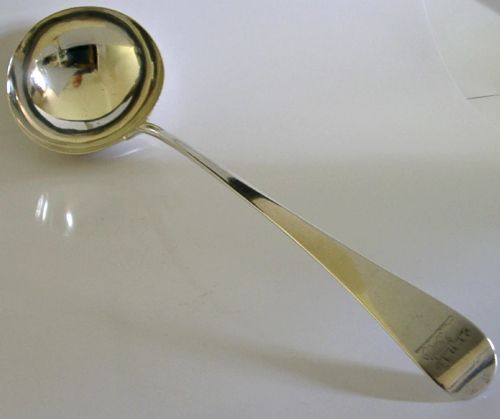
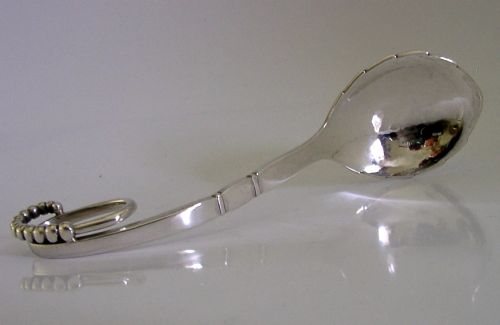
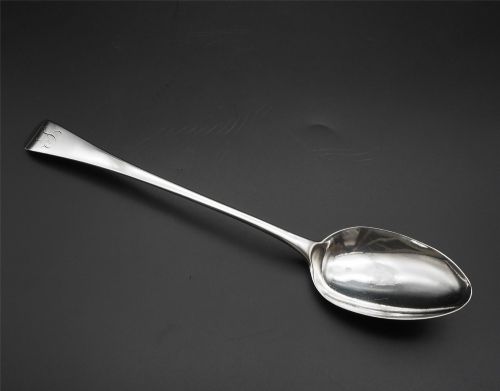
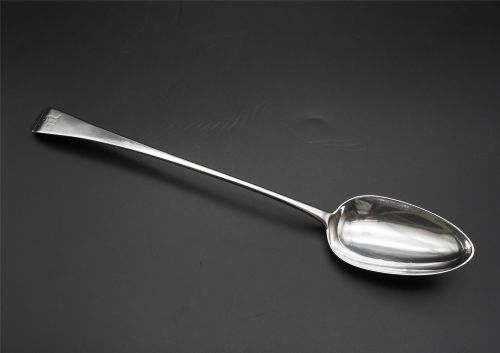
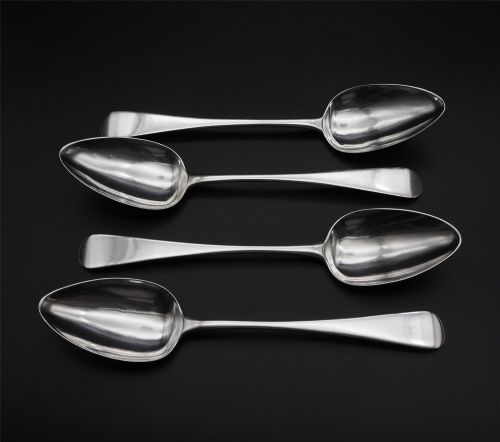
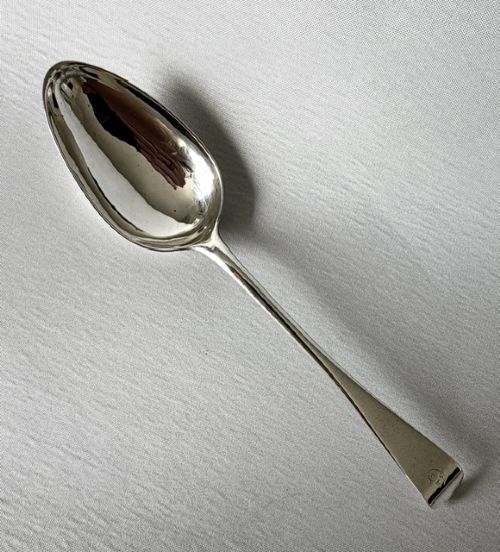
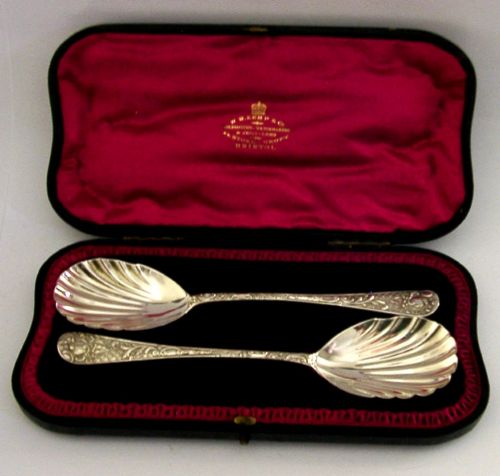
When you search for antique sterling silver flatware, you are looking for functional dining implements forged from precious metal across several historic periods. The selections you will encounter on this page span the mid eighteenth century, the Georgian era, the William IV period, and the Edwardian age.
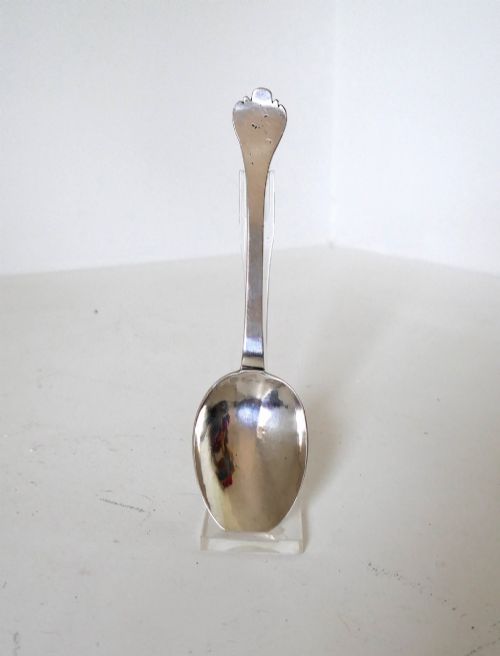
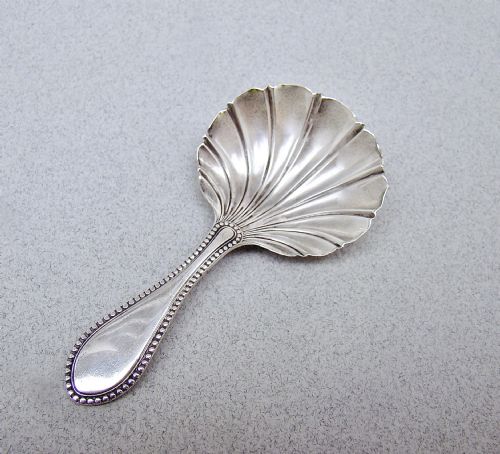
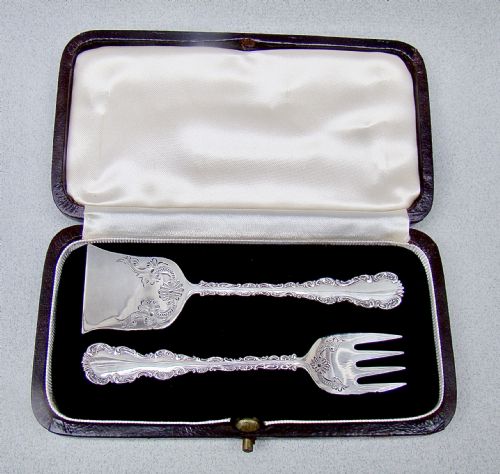
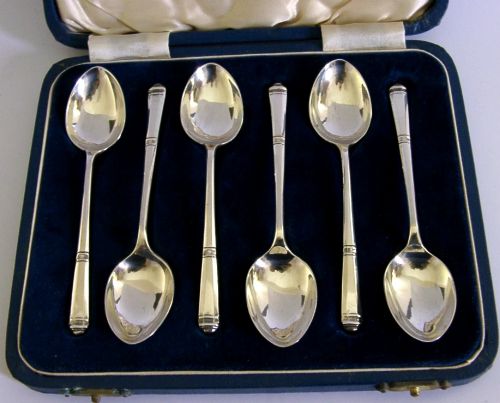
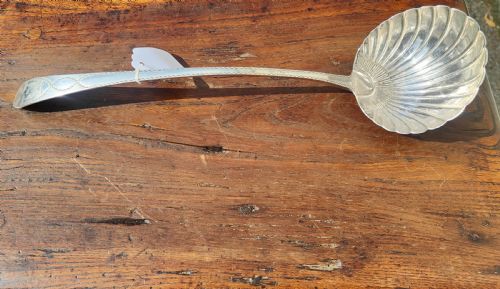
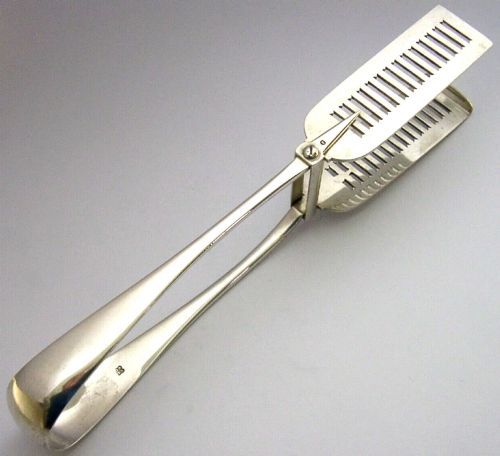
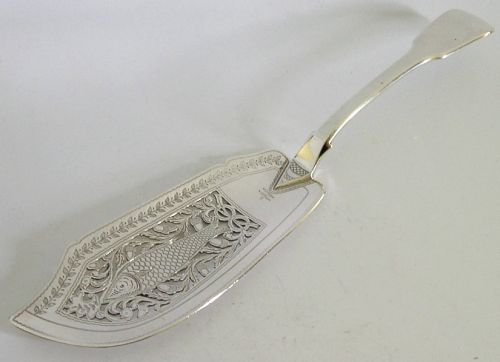
The objects themselves include specialised serving utensils such as fish slices, cake servers, ice cream servers, tea caddy spoons, bread forks, table forks, and sugar tongs. Many of these pieces combine solid sterling silver with handles formed from mother of pearl.
You are most likely to meet Georgian and Edwardian examples here, reflecting the domestic habits of British dining tables from seventeen fifty onward. Each piece demonstrates the specific dining requirements of its era, from formal fish courses to afternoon tea.
How they were made
These items are constructed from solid sterling silver, often shaped through casting or hand-piercing techniques. Goldsmiths and silversmiths utilised traditional methods to hammer, pierce, and cast the metal into functional cutlery forms.
Handles frequently incorporate mother of pearl, a natural material requiring careful shaping and riveting to metal shafts. Makers marked their work with town marks, date letters, and maker's marks struck directly into the silver.
Retail Price Guide 2026
Typical UK retail prices for sterling silver flatware, calculated from the Sellingantiques database of over a million retail prices indexed since 2003. This retail price guide relies exclusively on Sellingantiques data; no external sources or auction records are used, so the figures do not describe the wider market.
Early sugar tongs often doubled as miniature grasping hands, ready to pluck lumps from the bowl with polite Victorian restraint.
What varies in quality
Quality in these items rests on the crispness of pierced decoration and the integrity of the original hallmarks. Pieces that retain deep, legible maker's marks and sharp structural lines demonstrate superior initial manufacture.
The relationship between the silver bowl or blade and its handle also defines the tier of the piece. Integrated cast silver offers a different tactile weight compared to composite items featuring organic materials like mother of pearl.
William Devenport·Thomas Daniell·George Wintle
The Antique Sterling Silver Flatware Glossary
- Sterling silver
- A standard alloy consisting of ninety two point five percent silver and seven point five percent other metals, usually copper. This composition provides the durability required for functional cutlery.
- Hallmark
- A series of official marks stamped on precious metals by an assay office. These marks indicate the standard of silver, the place of assay, the year of manufacture, and the maker.
- Hanoverian pattern
- A traditional style of fork or spoon handle featuring a distinct ridge down the centre of the stem and a upturned terminal. It was widely used during the eighteenth century.
- Mother of pearl
- The iridescent internal layer of pearl oyster shells, utilised for decorative handles on specialised cutlery. Its delicate nature requires careful handling.
- Assay
- The process of testing the purity of precious metals. Official assay offices applied punch marks to guarantee the metal standard.
Frequently Asked Questions
How do I clean antique sterling silver flatware?
Clean these items using a soft cloth and dedicated silver polish designed to remove tarnish gently without abrading the surface. Avoid harsh chemical dips, which can strip away the subtle patination built up over centuries.
Wash the pieces in warm soapy water immediately after use, especially if they have contacted acidic foods or been combined with mother of pearl handles.
Can I use antique sterling silver flatware daily?
You can certainly use these pieces for everyday dining, provided you handle them with the care due to fragile organic elements like mother of pearl. Hand washing is essential, as modern dishwashers use harsh detergents and high heat that will ruin the metal and handles.
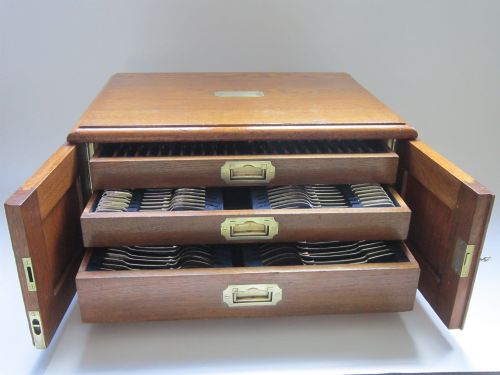
Store your cutlery in protective rolls or lined boxes to prevent scratching between meals.
How do I identify the date of my silver?
Dating relies upon reading the hallmarks stamped into the metal by the assay office, which include specific letters corresponding to the year of manufacture. Reference tables match these punch marks to historical assay records from London and Birmingham.
Style indicators, such as the Hanoverian handle shape or pierced fish slice blades, also help narrow down the period of production.
What is the difference between flatware and serveware?
Flatware traditionally refers to eating utensils used by individuals at the table, such as table forks and spoons. Serveware encompasses larger or specialised pieces designed for transferring food from communal dishes to individual plates.
Examples of serveware include fish slices, cake servers, ice cream servers, and sugar tongs found across Georgian and Edwardian collections.