


Georgian Tea Caddy Spoon
These Georgian tea caddy spoons are small silver scoops crafted to measure loose leaf tea from a caddy into a pot.
Forms and Origins
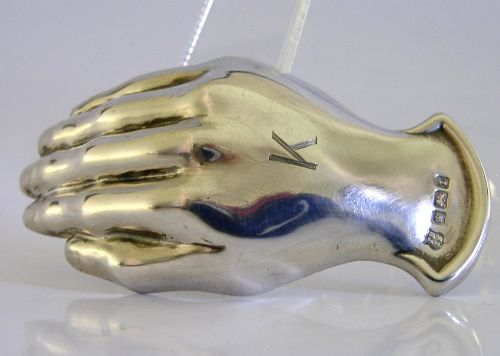
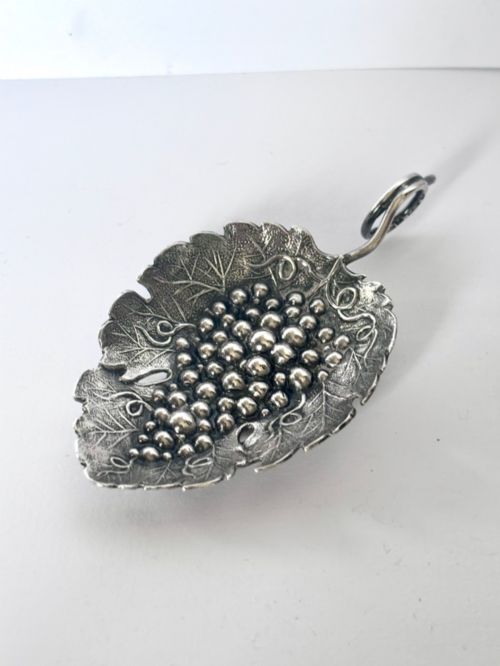
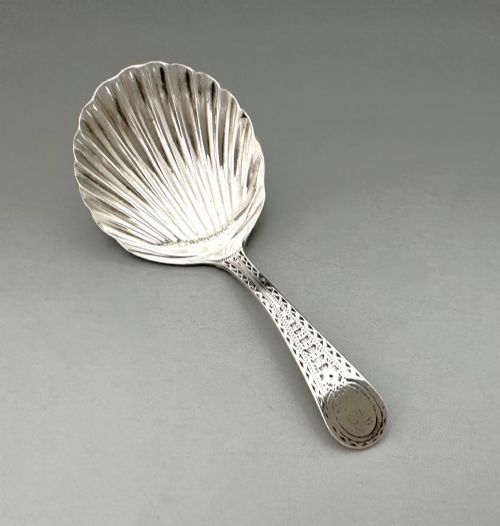
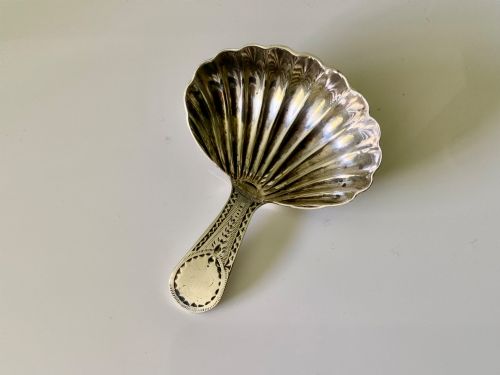
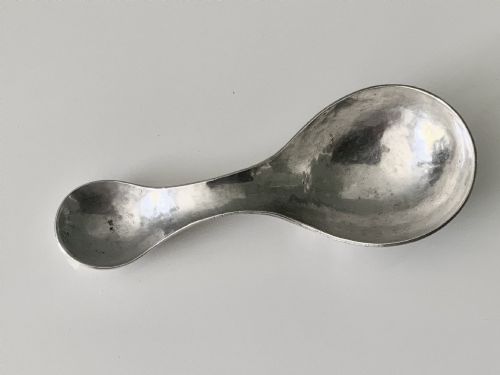
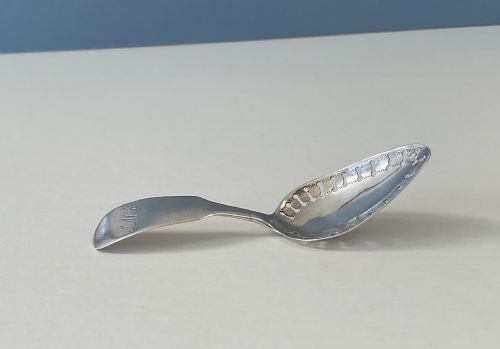
A georgian tea caddy spoon is a small domestic implement designed specifically for measuring dried leaves from storage vessels into porcelain pots during the late eighteenth and early nineteenth centuries. The examples found here take several distinct forms, ranging from simple shovel shapes to naturalistic leaf designs and unusual jockey caps.
Most pieces date from the Georgian period, spanning the late eighteenth century through to the early decades of the nineteenth century. Makers produced these items in standard sterling silver, occasionally applying parcel gilt finishes to the interior bowls to protect the metal from tea staining.
Materials and Techniques
Silversmiths constructed these implements primarily from solid sterling silver, utilising techniques such as hammering, casting, and piercing. Certain pieces incorporate detailed embossing, floral engraving, or double struck patterns along the edges of the handle and bowl.
Specialised variations introduce contrasting materials, such as turned dyed green ivory handles fitted to silver bowls. Parcel gilt applications provide a rich two tone contrast between the bright white silver and the warm gold wash inside the scoop.
Retail Price Guide 2026
Typical UK retail prices for georgian tea caddy spoon, calculated from the Sellingantiques database of over a million retail prices indexed since 2003. This retail price guide relies exclusively on Sellingantiques data; no external sources or auction records are used, so the figures do not describe the wider market.
Specific object types include jockey cap spoons, vine leaf forms, and shovel shaped bowls with floral engraving.
Standards of Craftsmanship
Quality in a georgian tea caddy spoon depends upon the crispness of the initial cast or embossed design, such as the veins on a vine leaf bowl or the stitching detail on a jockey cap. Superior examples display sharp, deep chasing rather than worn or smoothed surfaces.
The choice of handle and structural weight also determine the calibre of the piece, with substantial solid silver construction or integrated turned ivory outperforming thinner, pliable alternatives. Clear hallmarks struck directly into the centre of the bowl or onto the reverse add documentary value.
George Wintle·Joseph Willmore·William Bateman·Taylor & Perry
The Georgian Tea Caddy Spoon Glossary
- Parcel-Gilt
- Silverware that is partially gilded with a thin layer of gold, usually applied to the interior bowl of a caddy spoon to prevent tarnishing from tea leaves.
- Double Struck
- A manufacturing technique where the die is applied twice to produce a sharper, deeper pattern on both sides of the silver handle.
- Hallmark
- An official stamp applied to precious metals indicating the standard of purity, the assay office, and the date letter of manufacture.
- Caddy Spoon
- A short handled silver spoon designed specifically for measuring dry tea from a caddy into a teapot.
Frequently Asked Questions
What is a georgian tea caddy spoon used for?
These small implements were designed to measure loose tea leaves from a storage caddy directly into a teapot during tea preparation.
Their compact size allowed them to fit easily inside or alongside traditional wooden tea caddies.
How do I clean my silver caddy spoon?
Silver caddy spoons require gentle washing in warm soapy water followed by thorough drying with a soft cloth to preserve the metal.
Harsh abrasive dips should be avoided to protect any original parcel gilt finishes or delicate engravings.
Are these spoons made of solid silver?
The pieces recorded here are formed from solid sterling silver, occasionally featuring elements like turned dyed green ivory handles.
Makers frequently applied hallmarks to verify the silver standard and trace the origin of the piece.
Why do some caddy spoons have gold interiors?
Parcel gilt interiors were applied to prevent the tannic acid in tea leaves from staining and corroding the bare sterling silver bowl.
This gold wash created a striking visual contrast against the polished silver exterior.