
Antique Sterling Silver Scoop
These antique sterling silver scoop items span Georgian to Edwardian periods, offering functional silverware for tea, marrow and cheese service.
An introduction to the antique sterling silver scoop
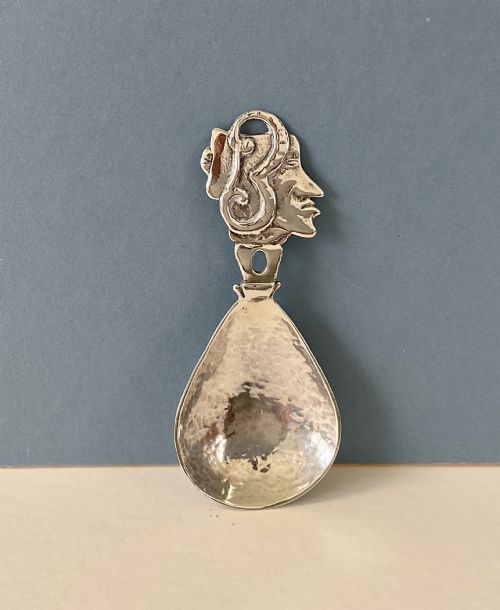
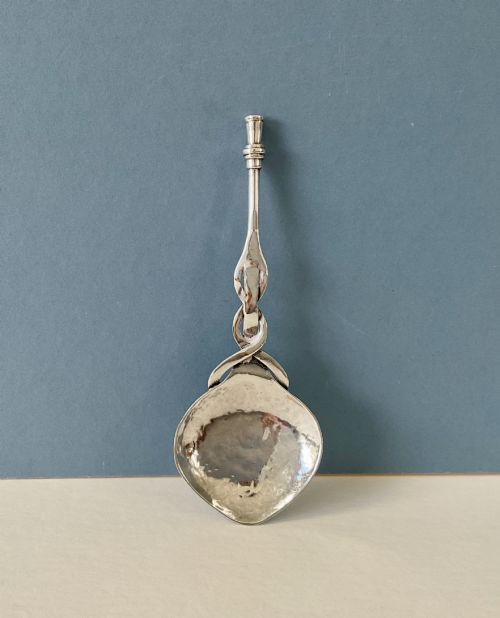
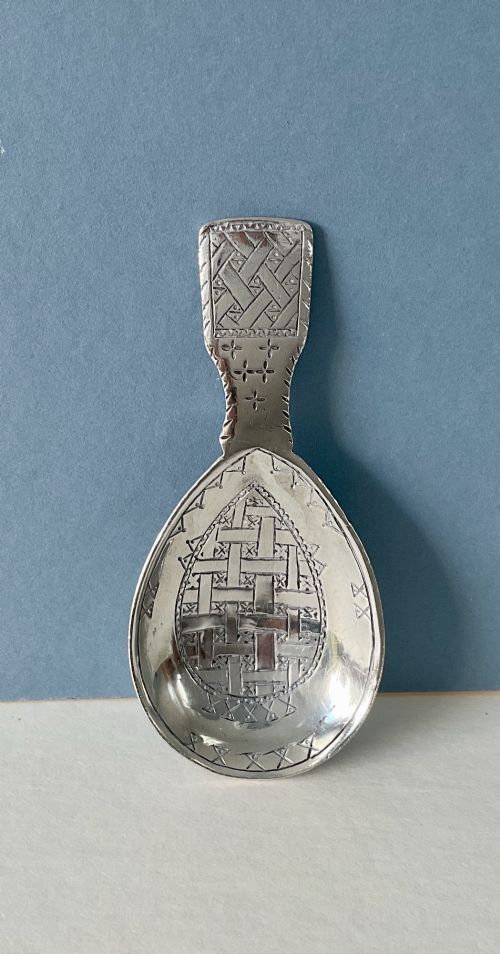
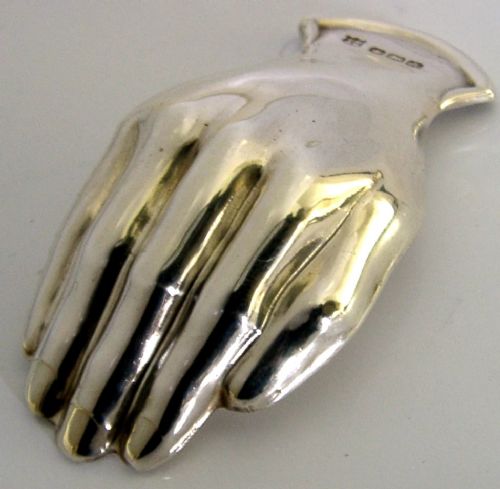
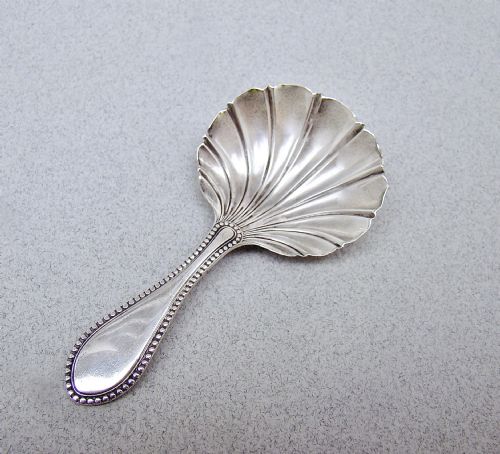
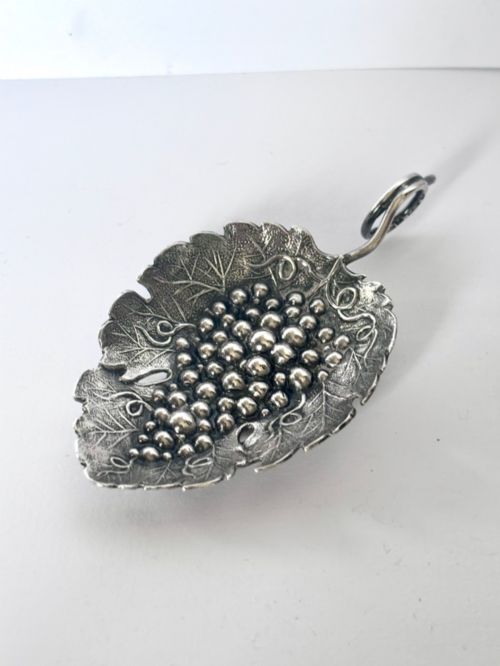
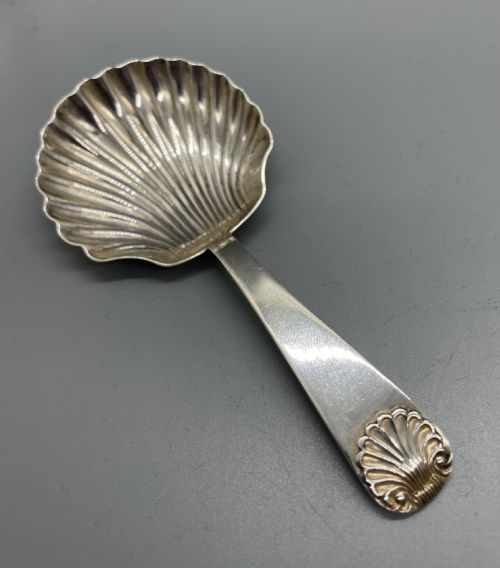
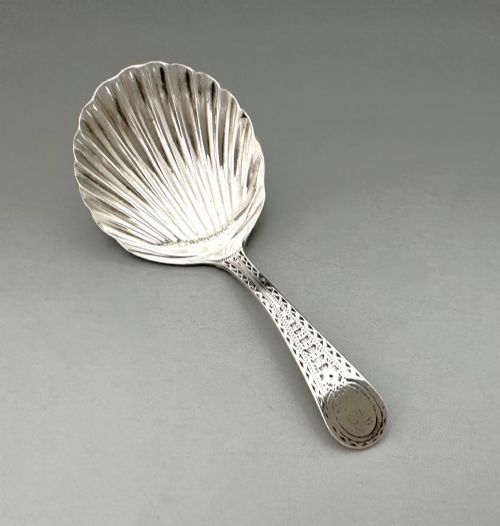
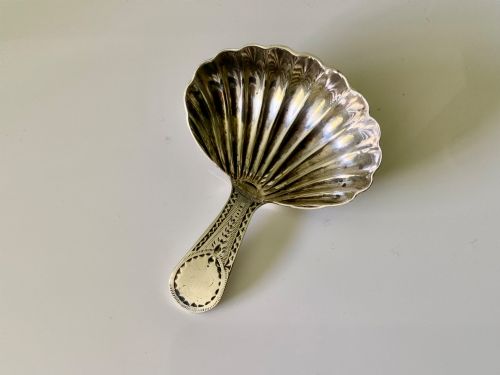
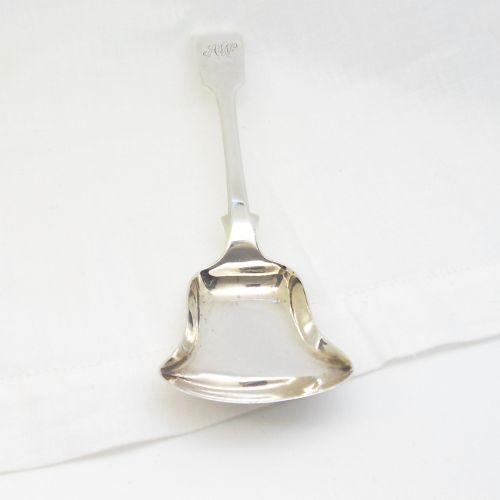
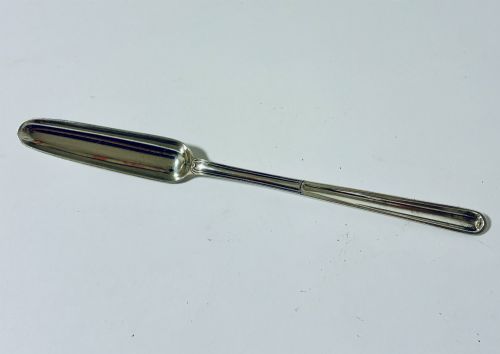
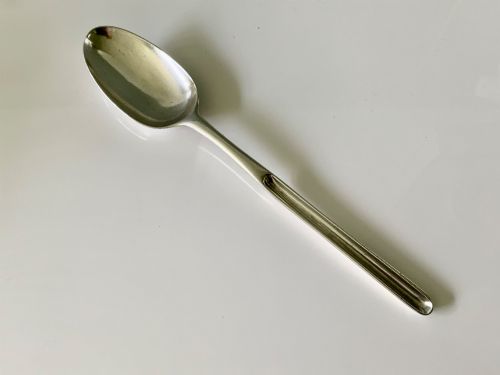
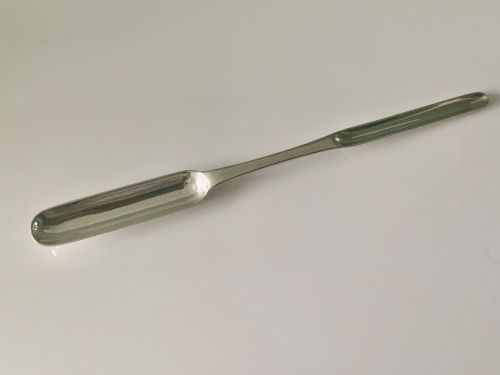
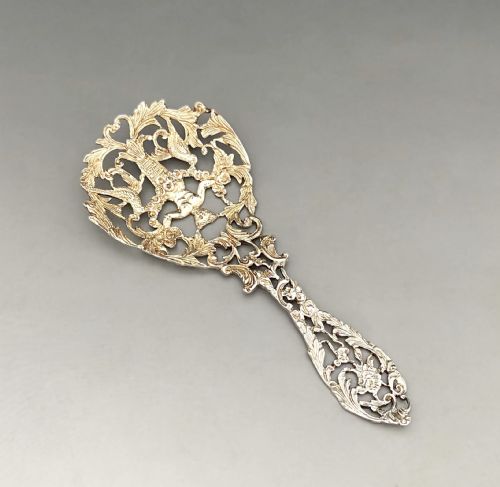
An antique sterling silver scoop encompasses diverse forms designed for specific dining and pantry tasks, ranging from small caddy spoons to large cheese and marrow scoops. Buyers searching this phrase meet varied objects including Georgian caddy spoons with shell bowls, Victorian stilton scoops, and marrow scoops featuring family crests.
The material record shows solid sterling silver alongside pieces incorporating parcel-gilt, bone, and mother of pearl handles. Periods span the eighteenth century through the Georgian, Victorian, William IV, and Edwardian eras.
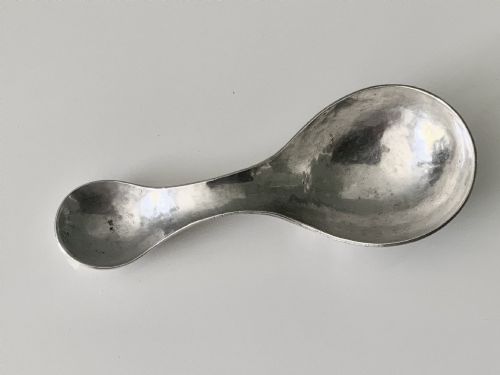
Smaller caddy spoons serve dry tea leaves from canisters, while the larger stilton and marrow scoops belong to historic dining traditions for cheese and marrow extraction. These items appear across multiple styles including Georgian, George V, and Victorian designs.
Materials and construction
Silversmiths constructed these pieces primarily from solid sterling silver, occasionally applying parcel-gilt finishes to the interior bowls of spoons. Handles frequently incorporate organic materials such as bone and mother of pearl, attached securely to silver shafts.
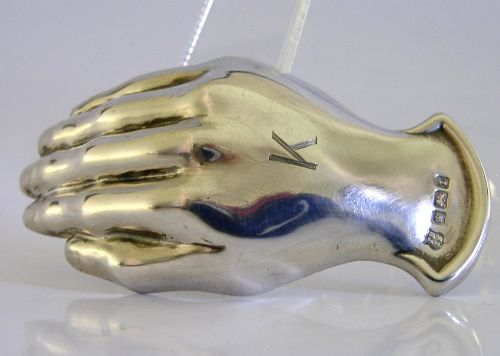
Makers utilised traditional hand-wrought and cast techniques, often engraving family crests onto the shafts or terminals of marrow and stilton scoops. Hallmarks stamped directly into the metal record the assay office, date letter, and silver standard.
Retail Price Guide 2026
Typical UK retail prices for sterling silver scoop, calculated from the Sellingantiques database of over a million retail prices indexed since 2003. This retail price guide relies exclusively on Sellingantiques data; no external sources or auction records are used, so the figures do not describe the wider market.
Listings feature sterling silver, parcel-gilt, and bone across Georgian, Victorian, and Edwardian periods.
Evaluating the range
Quality separates through the crispness of engraved family crests, the weight of the solid sterling silver, and the proportion of the handle to the scoop bowl. Pieces featuring specialised designs like shell bowls or golf club motifs demonstrate greater artisan labour.
The integrity of organic handle materials like mother of pearl and bone, alongside clear, legible hallmarks, distinguishes finer examples from heavily worn pieces.
LEE & WIGFULL·GEORGE SMITH·MILLS
The Antique Sterling Silver Scoop Glossary
- Sterling silver
- A silver alloy containing 92.5 percent pure silver and 7.5 percent other metals, usually copper, ensuring durability for functional items. This standard underpins the majority of British silverware.
- Caddy spoon
- A small utensil specifically designed to measure dry tea leaves from a caddy into a teapot. These often feature decorative bowls shaped like leaves, shells, or simple scoops.
- Stilton scoop
- A specialised implement utilised for serving hard cheeses like Stilton, possessing a long scoop blade and frequently an organic handle. They emerged strongly during the Georgian and Victorian periods.
- Parcel-gilt
- A technique where selective areas of a silver object receive a thin coating of gold, usually highlighting the interior bowl of a spoon. This provides a striking visual contrast against the surrounding silver.
Frequently Asked Questions
What is a marrow scoop?
A marrow scoop is a specialised elongated silver utensil designed during the eighteenth and nineteenth centuries to extract marrow from animal bones.
They feature two different sized troughs at each end to reach inside narrow bones during formal dining.
How do I use a caddy spoon?
A caddy spoon measures loose tea leaves from a storage container into a teapot.
Their short handles and wide bowls suit storage inside small tea caddies.
Are these scoops made of solid silver?
The metal components are struck in solid sterling silver, marked with traditional British hallmarks indicating purity and assay towns.
Some examples incorporate organic additions like mother of pearl or bone handles.
How do I date an antique scoop?
Dating relies on the stamped hallmarks which include date letters, maker's marks, and assay office symbols.
Stylistic cues such as Georgian crests or Victorian proportions also help place the period.