


Hallmarked Silver Tea Spoon
A hallmarked silver tea spoon is a small, stamped implement for daily tea service that brings historic British assay offices directly to the table.
Hallmarked Silver Tea Spoon
A hallmarked silver tea spoon sits at the intersection of practical tableware and portable metalwork, spanning Georgian, Victorian, and Edwardian eras. The selection here ranges from simple, functional tea utensils to specialised forms like caddy spoons, mote spoons, and bright-cut sets.
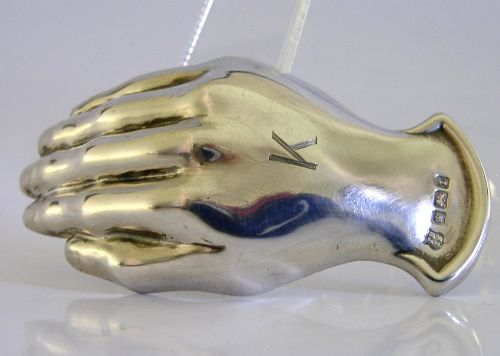
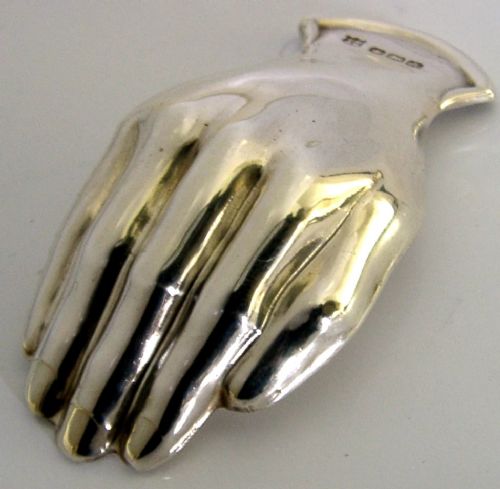
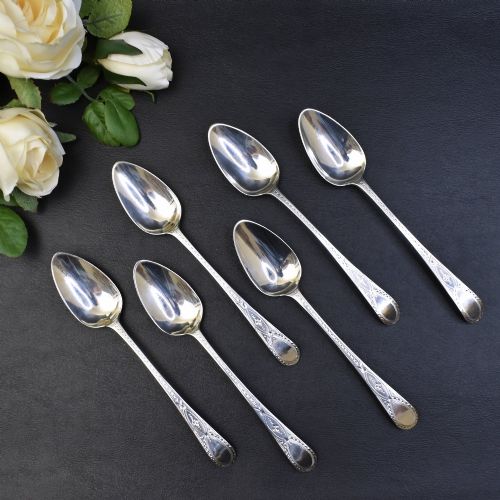
Buyers frequently encounter single pieces alongside matched sets of six, sometimes accompanied by fitted presentation boxes lined with velvet, silk, or leather. These utensils vary from plain nineteenth-century designs to novelty shapes including jockey caps and hands.
Origins stretch across English assay centres like London and Sheffield, alongside occasional Dublin and continental European pieces. The forms reflect shifts in domestic tea rituals from the eighteenth century through the mid-twentieth century.
How They Were Made
Makers shaped these pieces from sterling silver and solid silver, employing techniques such as bright-cutting, double-striking, and cloisonne enamel decoration. Handles and bowls were forged or stamped, then hand-finished with detailed engravings or cast novelty motifs.
Assay offices applied hallmarks directly to the metal to certify standard purity, recording dates, maker marks, and city origins. Cases lined with satin or leather protected delicate sets during storage and transport.
Several makers transformed tea measurement into a miniature sport, shaping silver caddy spoons as tiny jockey caps and human hands.
What Varies in Quality
The distinction between ordinary and exceptional examples rests in crispness of hallmark stamps, depth of hand-engraving, and integrity of specialised forms like novelty bowls. Crisp bright-cutting and well-preserved maker marks elevate standard utensils into notable collector pieces.
Completeness also dictates standing, whether dealing with a single caddy spoon or a matched set of six teaspoons retaining its original fitted box. Heavier gauge silver and unrubbed bowls demonstrate superior original manufacture and careful handling over centuries.
Martin Hall And Co·William Neale·Mappin And Webb·George Unite·Peter And Ann Bateman·John Smyth·Vasily Agafonov·Cooper Bros And Sons
The Hallmarked Silver Tea Spoon Glossary
- Hallmark
- Official stamps struck into precious metals to guarantee purity and origin. These tiny marks show the maker, assay office, and year of production.
- Bright-cut
- An engraving technique using faceted V-shaped cuts that reflect light. It creates sparkling geometric patterns popular on late eighteenth-century spoons.
- Caddy spoon
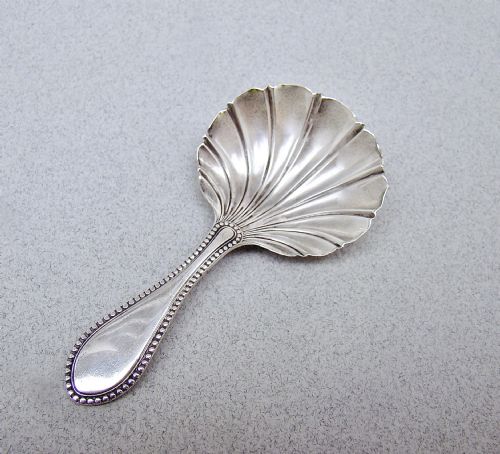
- A short-handled scoop designed for measuring loose tea leaves from a canister. They appear in diverse novelty shapes including shells and caps.
- Mote spoon
- A slender eighteenth-century implement featuring a pierced bowl for straining tea leaves. The tapered stem end cleared blocked teapot spouts.
- Fiddle pattern
- A nineteenth-century flatware style featuring a shoulder swell near the terminal. It mimics the curves of a stringed instrument.
Hallmarked Silver Tea Spoon: Frequently Asked Questions
What is a hallmarked silver tea spoon?
A hallmarked silver tea spoon is a small eating or stirring utensil stamped with official assay marks indicating metal purity, maker, and date. These pieces served domestic tea tables from the Georgian period onward.
They appear singly or in cased sets, often featuring engraved bright-cut patterns or sculptural novelty bowls. Each stamp provides a verifiable history of the metal's origin.
How do I read spoon hallmarks?
Reading hallmarks involves identifying individual small stamped symbols on the back of the stem or bowl. Standard marks include the maker's initials, a purity standard symbol like the lion passant, an assay office city mark, and a date letter.
Reference tables compiled from assay office records match each specific letter shape to a precise year of manufacture. This system allows collectors to date English silver accurately to a single twelve-month span.
Can I use antique silver spoons daily?
Antique silver spoons can be used for everyday dining provided they receive gentle hand washing without harsh abrasive detergents. Sterling silver is durable enough for regular meals when handled with care.
Storing pieces in lined boxes or cloth rolls prevents scratching when not in use. Regular soft wiping maintains the metal's natural lustre over decades of domestic service.
What makes a tea spoon rare?
Rarity in tea spoons typically stems from unusual functional forms, specialised novelty designs, or documented maker attributions. Specialised items like mote spoons and figural caddy spoons were produced in smaller quantities than standard flatware.
Complete surviving sets housed in their original fitted presentation cases also elevate historical interest. Exceptional engraving work by recognised makers adds further distinction.